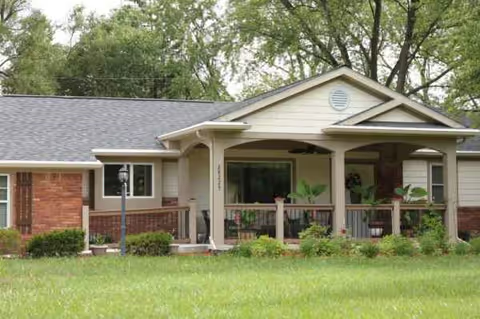
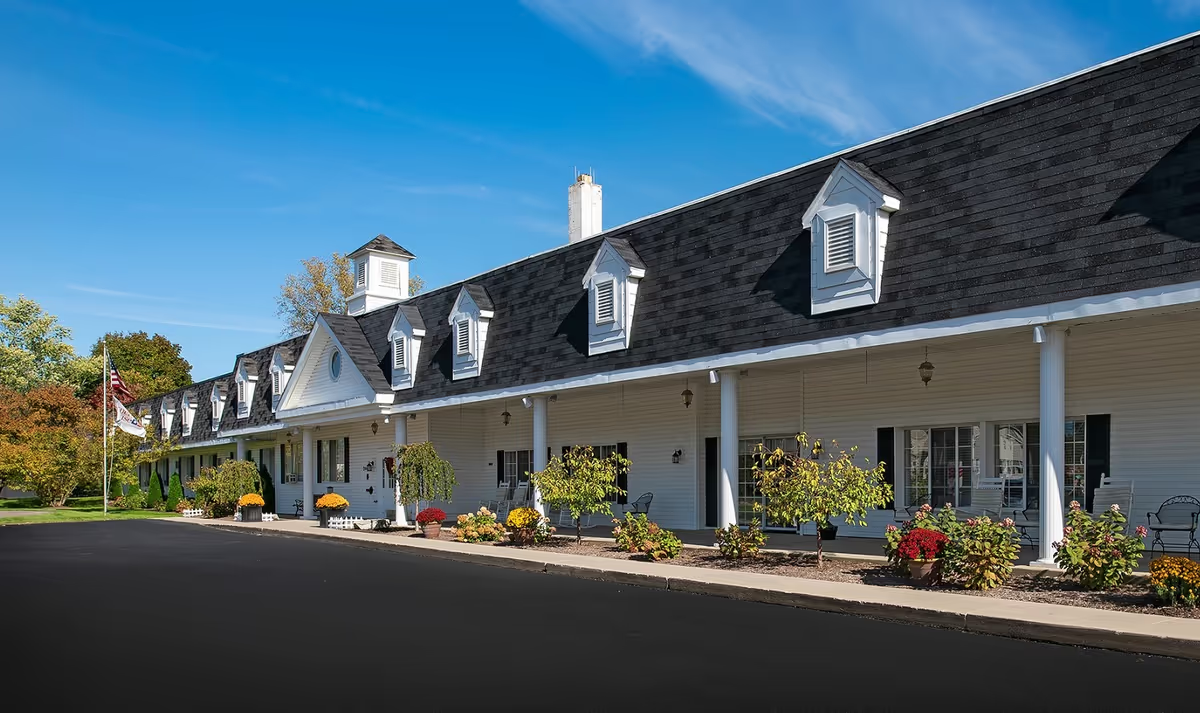
Arden Courts Bingham Farms is consistently described as a dementia-focused community with many operational strengths: purposeful, memory-care design; a neighborhood layout that supports small-group living and secure outdoor access; a robust activities program (including frequent live music) that families find engaging; and varied dining options that accommodate dietary needs. Reviewers commonly praise 24/7 on-site nursing, an engaged RN care-coordination role, compassionate direct-care staff with dementia training, and an environment that many families characterize as home-like and well maintained.
Care quality and staff. Many families report that staff are warm, attentive, and skilled in dementia care, and they highlight strong clinical coordination and accessible leadership when needs are addressed proactively. At the same time, a recurring operational pattern is staffing instability: caregivers are often described as stretched thin, with turnover that appears to affect consistency of service. This has been associated with slower response times for urgent needs, uneven execution of personal-care tasks (for example, bathing, dressing, foot care and other grooming), and periodic lapses in follow-up. Families also cited instances of delayed incident response and concerns about communication tone during difficult moments; these point to a need for strengthened supervisory oversight and consistency in frontline staffing levels.
Clinical and medication practices. The community offers nursing oversight and routine physician/NP visits, and reviewers noted effective coordination for many clinical needs, including hospice transitions. However, some families reported inconsistencies in medication timing and administration, as well as missed clinical signs on occasion. These observations suggest opportunities to standardize medication workflows and clinical-assessment handoffs to reduce variability.
Dining, activities, and programming. Dining receives predominantly positive comments: meals are described as varied, appealing, and adaptable to special diets. The activities program is a clear strength—reviewers frequently mention live music, themed events, reminiscence and cognitive programming, and active engagement that many residents enjoy. The social dining spaces and small neighborhood model contribute to resident engagement and family satisfaction.
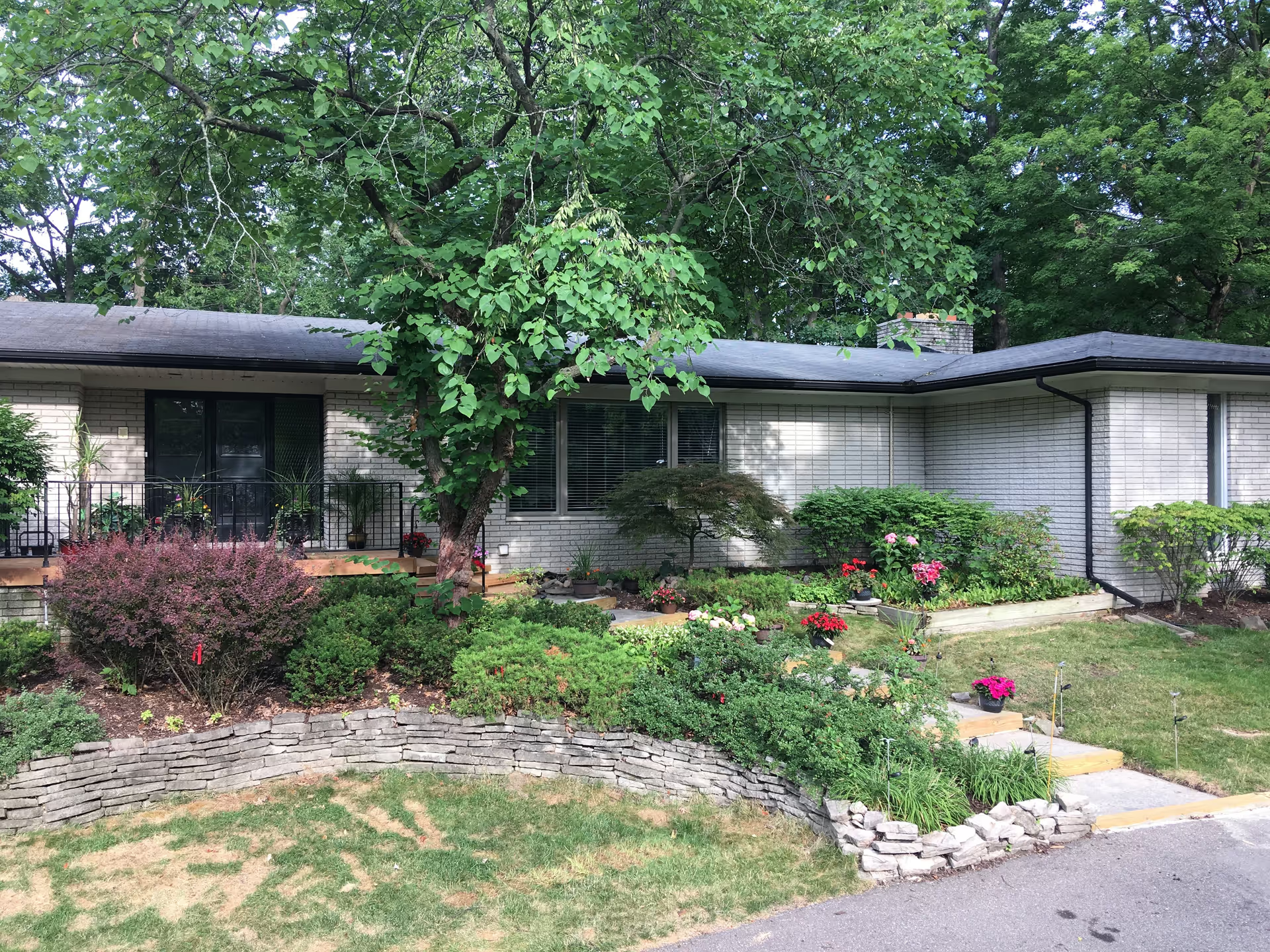
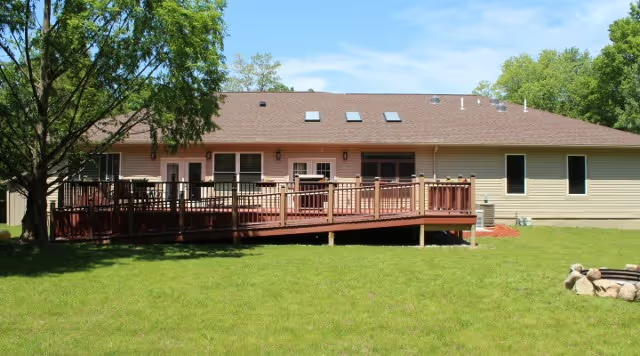
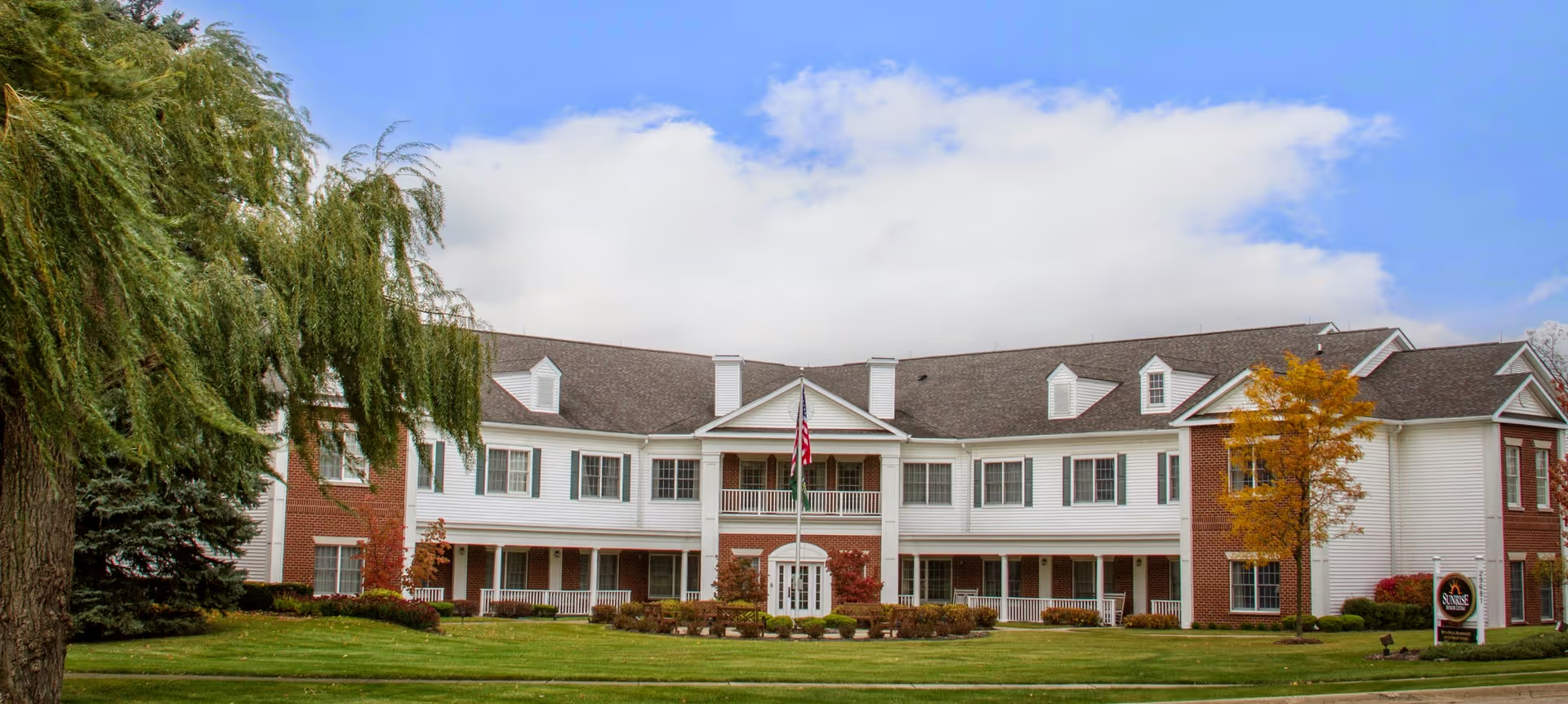
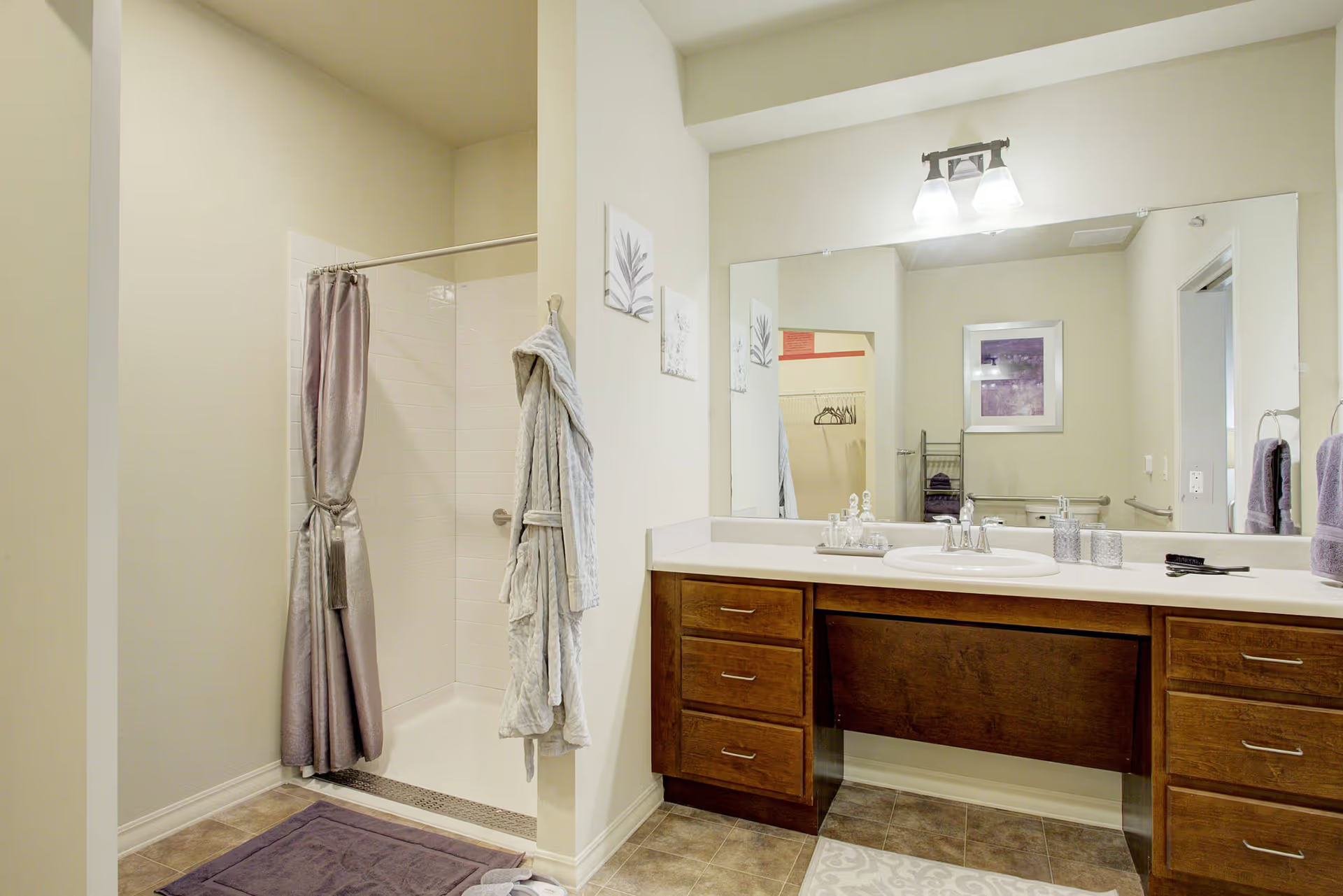
Facilities and housekeeping. The physical plant is frequently described as bright, clean, odor-free, and thoughtfully designed for residents with memory impairment. Secure courtyards, bird aviaries and accessible outdoor space are repeatedly cited as important features. Nevertheless, a subset of comments raises concerns about laundry management, clothing cleanliness, and intermittent housekeeping lapses tied to staffing pressures; these are operational areas to monitor during tours and follow-up conversations.
Management, admission and costs. Admissions and transitions are generally characterized as smooth, with particular staff members and leaders named for positive intake experiences. Many families appreciate accessible management and educational outreach. Conversely, a number of reviewers raised concerns about pricing increases and ancillary fees (e.g., salon charges), and a few described defensive or inconsistent supervisory follow-through in response to complaints. Prospective families should clarify fee structures and escalation pathways during the tour and admission process.
Overall impression and guidance. Arden Courts Bingham Farms appears to offer a strong, specialized memory-care environment with considerable programming, clinical oversight, and a compassionate culture that many families value. The primary operational weaknesses to weigh are staffing stability and consistency of personal-care and housekeeping services; these can affect responsiveness, medication timing, and grooming/laundry outcomes. Prospective residents and families who prioritize dementia-specific programming, secure outdoor access, and strong activity offerings will likely find the community well suited to those needs. Those for whom continuity of direct caregivers, small private-room size, or strict control of ancillary costs are critical should address these points directly with administrators during tours and contract review.