Woodland Village is consistently described as a well‑appointed, campus‑style senior living community with a strong emphasis on person‑centered caregiving and a broad continuum of services. Families and residents frequently praise the caregiving team, sales staff, and facility leadership for compassionate, attentive interactions and for effectively managing transitions from independent living through assisted care and hospice. Reviewers highlight individualized care plans, supportive night‑shift staff, and examples of staff accommodating moves and logistical needs, which contribute to an overall impression of a home‑like environment.
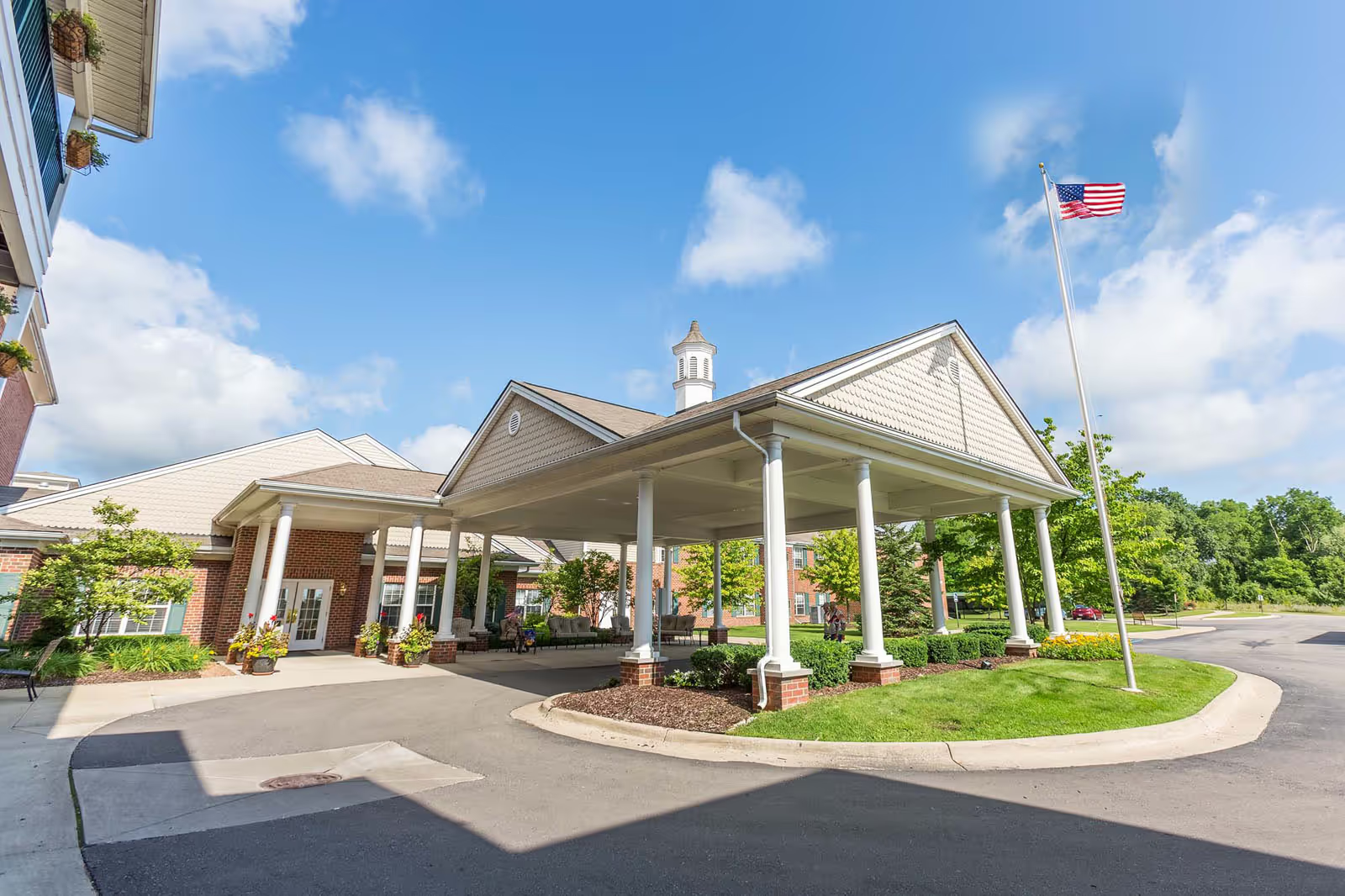
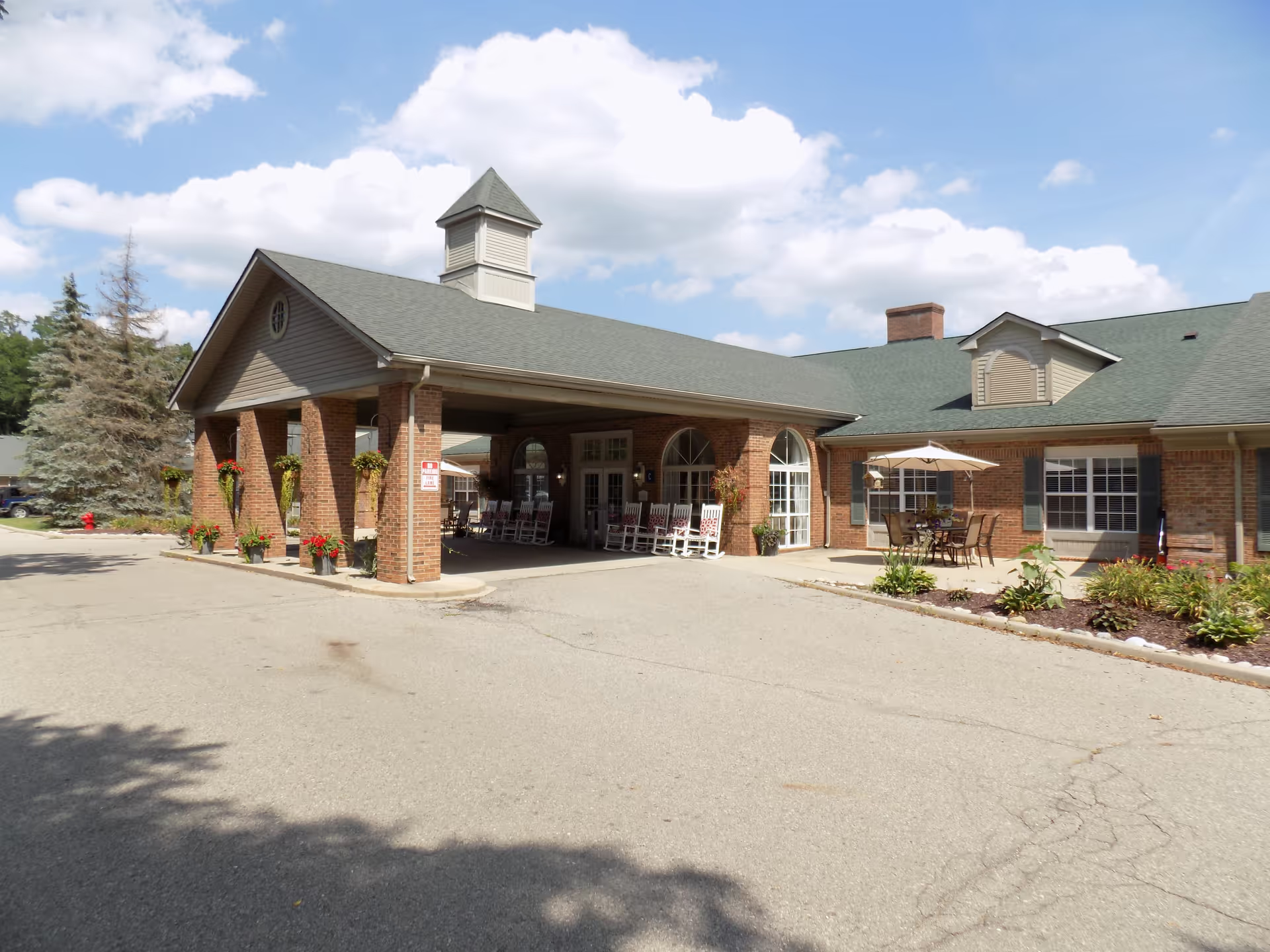
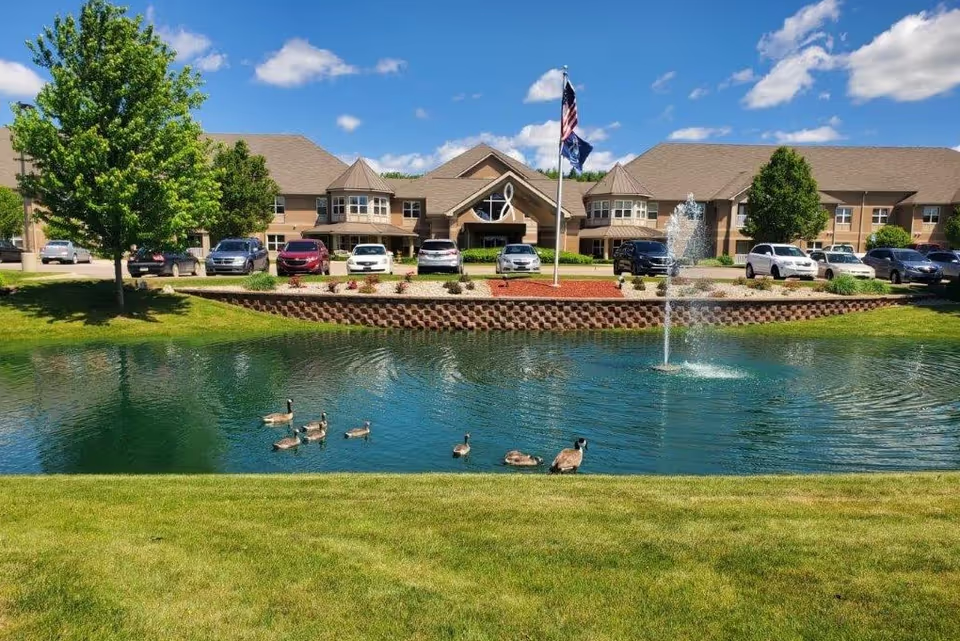
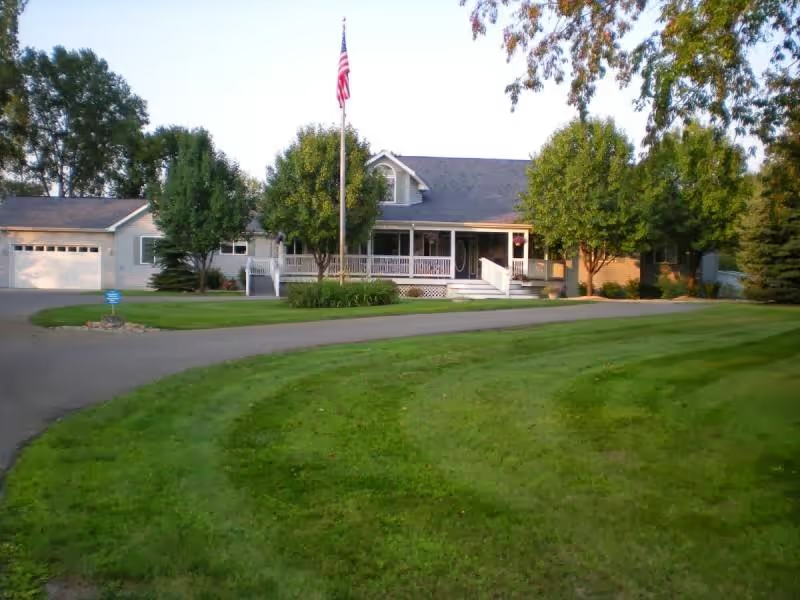
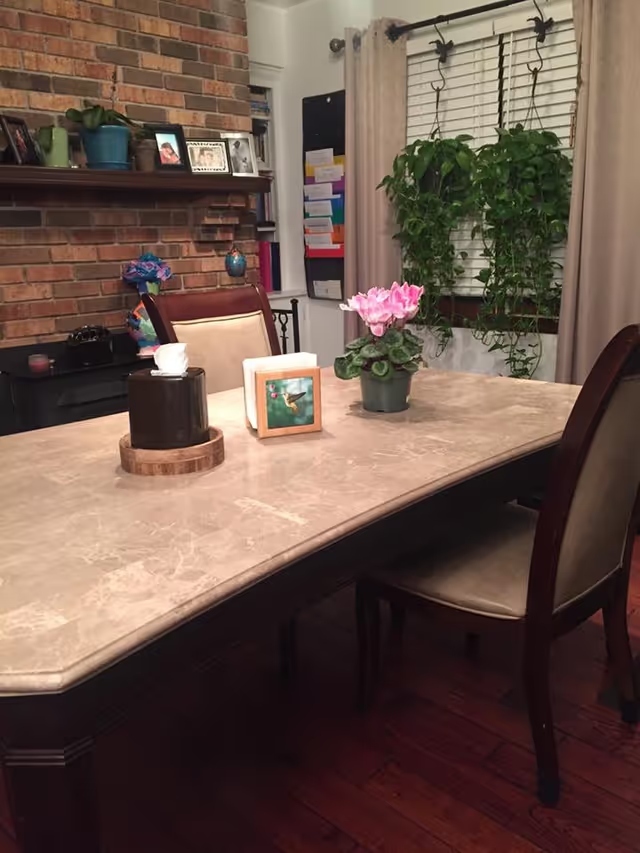
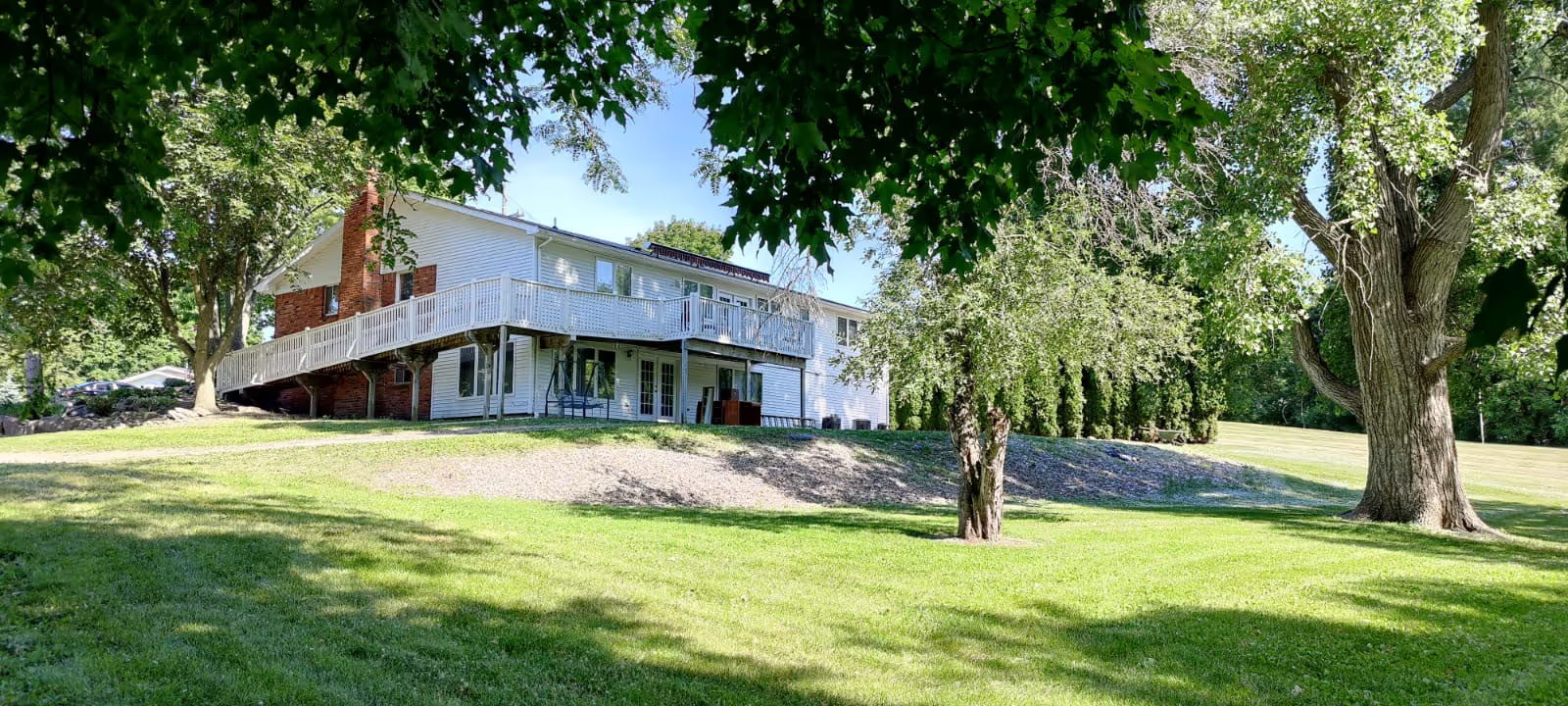
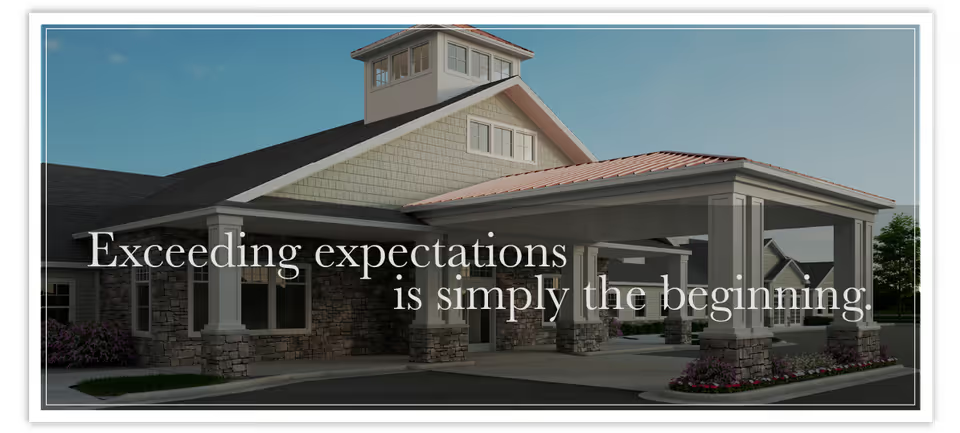
The physical campus and residences are commonly noted as a strength: renovated, modern apartments with full kitchens, attractive interiors, and well‑kept common areas. Grounds, walking paths, outdoor patios, and a chapel provide a variety of indoor and outdoor spaces for residents. The facility’s licensed status and on‑site amenities support a sense of safety and convenience. That said, availability can be constrained at times; prospective residents should expect possible waitlists and clarify pre‑admission screening criteria in advance.
Dining and food service are areas with mixed feedback. Many reviewers describe from‑scratch meals, three daily meal services, and accommodating dining staff; several families consider the food a definite positive. However, there are also accounts pointing to variability in meal quality and gaps in communication around diet changes tied to hospital returns. The operational takeaway is that dining experience and meal‑service communication can fluctuate, so families should review sample menus and ask how special diets and clinical diet transitions are handled.
Activity programming is frequently cited as robust — bingo, crafts, live music, intergenerational and external-entertainment events, exercise opportunities, field trips and resident‑led gatherings are typical. These offerings support social engagement and community building. At the same time, a subset of experiences indicates inconsistency in programming frequency or fit for specific residents; prospective residents who prioritize daily structured programming should ask for a current calendar and attendance patterns.
Notable operational concerns appear in staffing, communication, and maintenance. Some reviews describe periods of staffing strain and concerns about staff conduct or tone; one review referenced allegations of discriminatory conduct and a difficult management culture. There are also statements suggesting inconsistent responsiveness to call buttons and clinical transitions, and occasional maintenance interruptions such as elevator outages. Family communication around clinical events and care transitions surfaced as another area for improvement.
Overall, Woodland Village presents as a high‑quality, well‑maintained community with many emphatic endorsements for staff dedication, living environment, and activity offerings. The principal caveats across reviews relate to variability in operational consistency — particularly dining quality, responsiveness during urgent needs, activity consistency, pre‑admission processes, and occasional maintenance or staffing pressures. Prospective residents and family members would be well served to tour the community, meet care leadership, review staffing ratios and response‑time protocols, sample meals, and confirm accessibility accommodations (especially for visual impairment) before making a decision.