Overall impression: The reviews present a polarized picture. Many families and residents describe attentive, compassionate direct-care staff, solid clinical oversight in certain areas, and a generally pleasant dining and communal environment. At the same time, there are consistent operational concerns related to staffing, sanitation, timeliness of care, and management practices. Prospective residents should expect meaningful variability in experience depending on unit, shift, and individual staff assignment.
Care quality and clinical issues: Several accounts praise clinical responsiveness where present — including effective pain management, involvement of a physician and nurse practitioner, individualized evaluations, and daily therapy when scheduled. Therapy services appear available on-site and can include daily sessions during the week, though weekend therapy access is limited in some cases. Conversely, multiple reviews describe delayed responses to resident needs, gaps in adherence to discharge instructions, and instances where clinical follow-through was insufficient. There are also concerns about infection-related hospitalizations and about how clinical incidents are handled; these point to the need for clearer infection-prevention protocols and stronger incident-response procedures.
Staffing and staff conduct: Direct-care staff (certified nursing assistants and many nurses) are frequently described as caring, helpful, and willing to go beyond routine duties. That said, a recurring theme is chronic understaffing and hurried workflows that contribute to delayed assistance, rushed interactions, and limited breaks for staff. Several reviewers expressed concern about low morale and insufficient support for staff, which can affect consistency of care and communication tone. There are also isolated comments about negative staff conduct and unhelpful interpersonal communication; these appear to be uneven rather than universal.
Dining, activities, and therapy: Food quality and the dining environment receive consistently positive mentions — reviewers note good meals and a pleasant dining room. The facility offers communal spaces such as lounges and a therapy room, along with recreational resources like books and games. Activities are available and can be meaningful for residents. Physical and occupational therapy are strengths when provided, though scheduling limitations (notably fewer services on weekends) were identified.
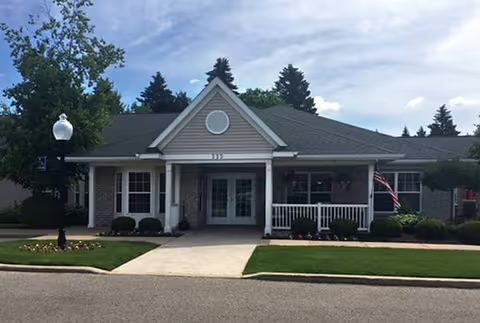
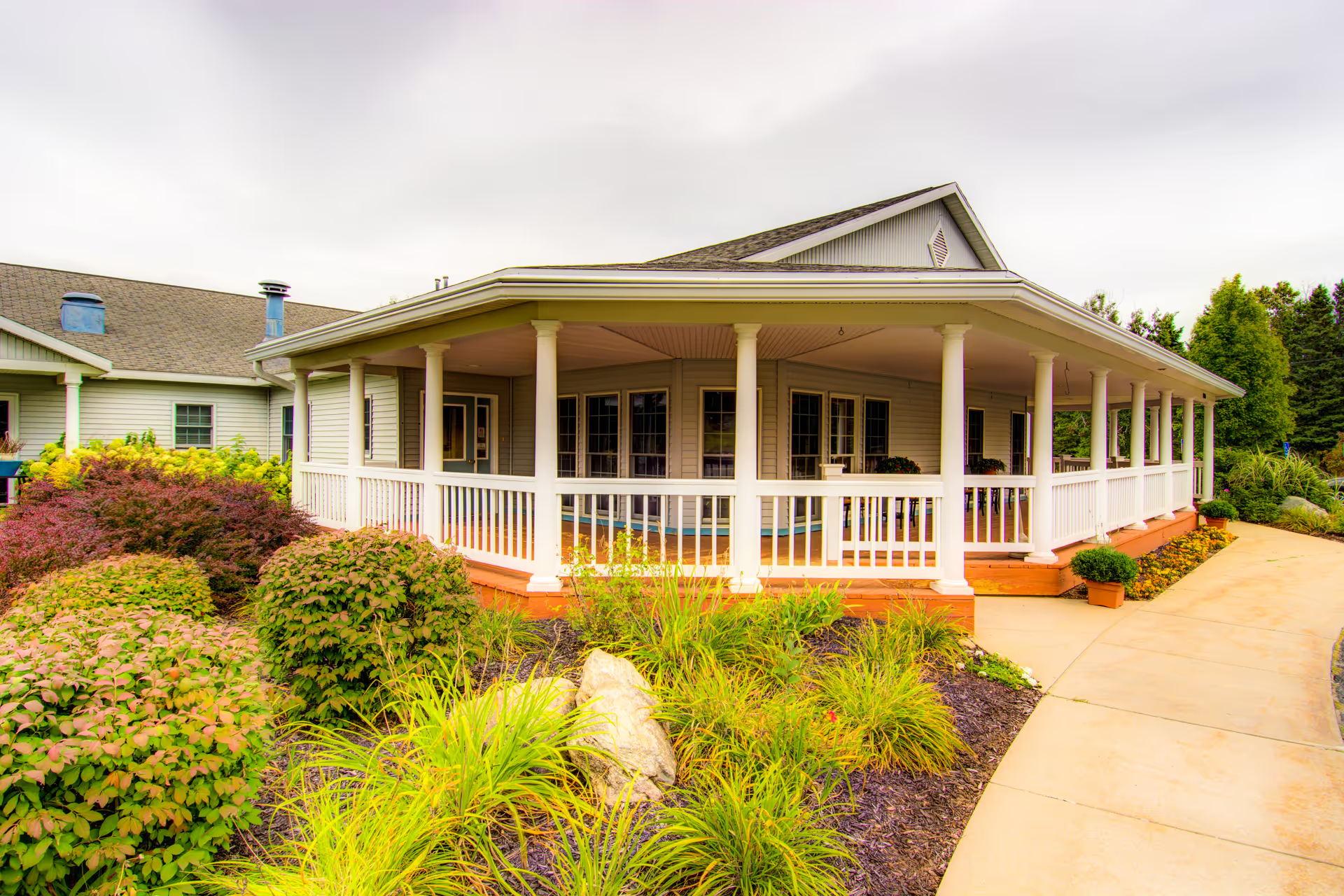
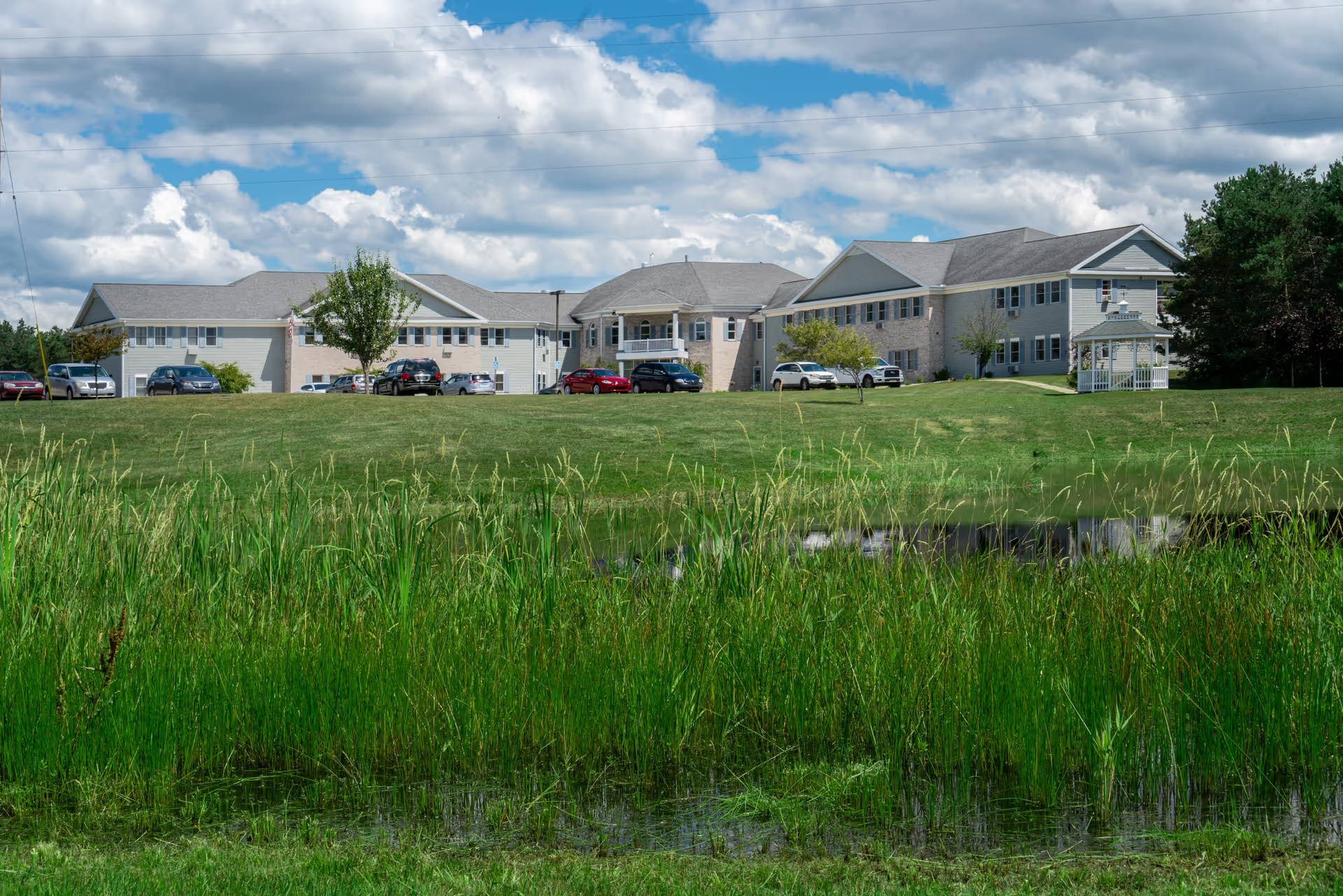
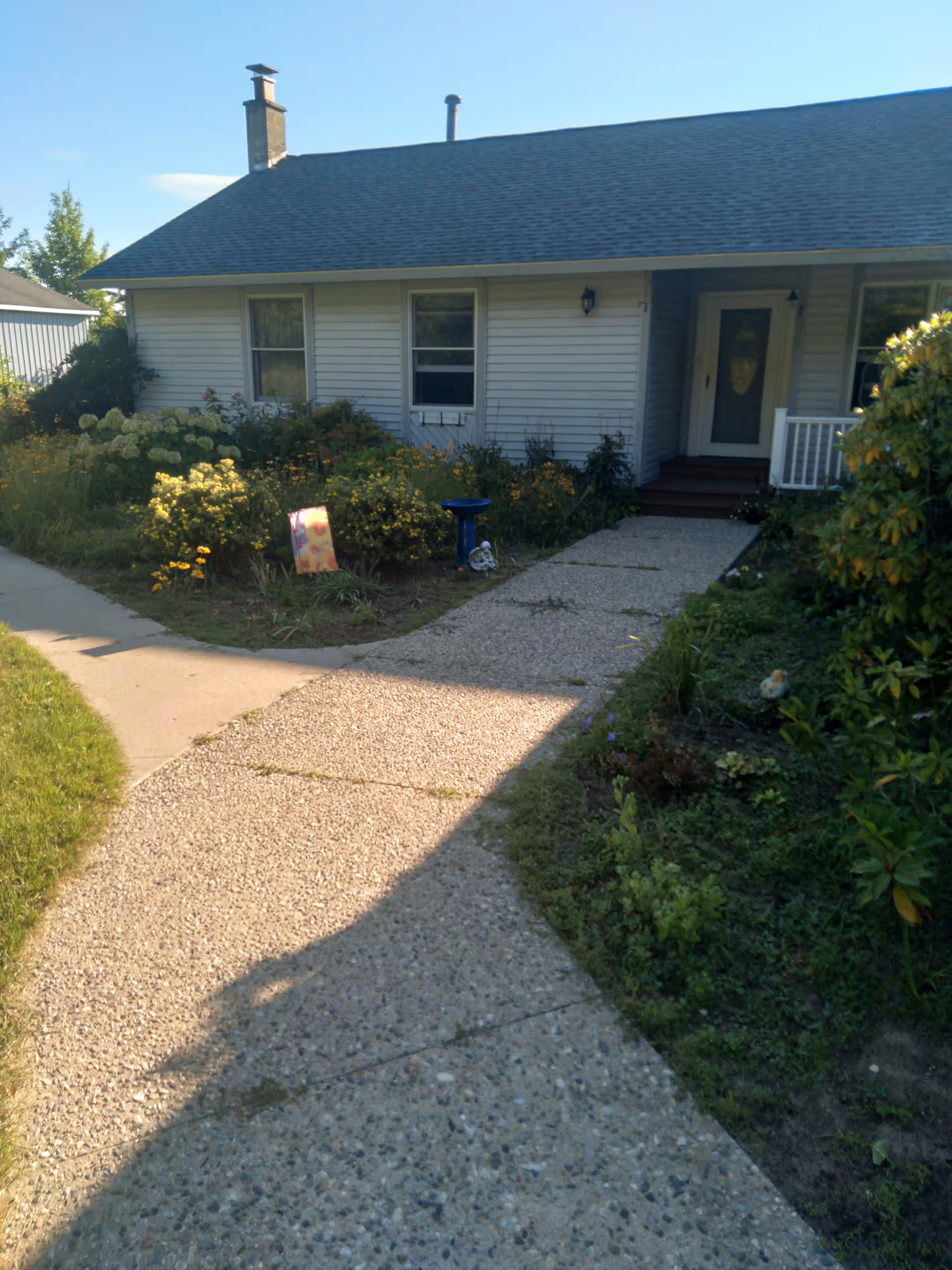
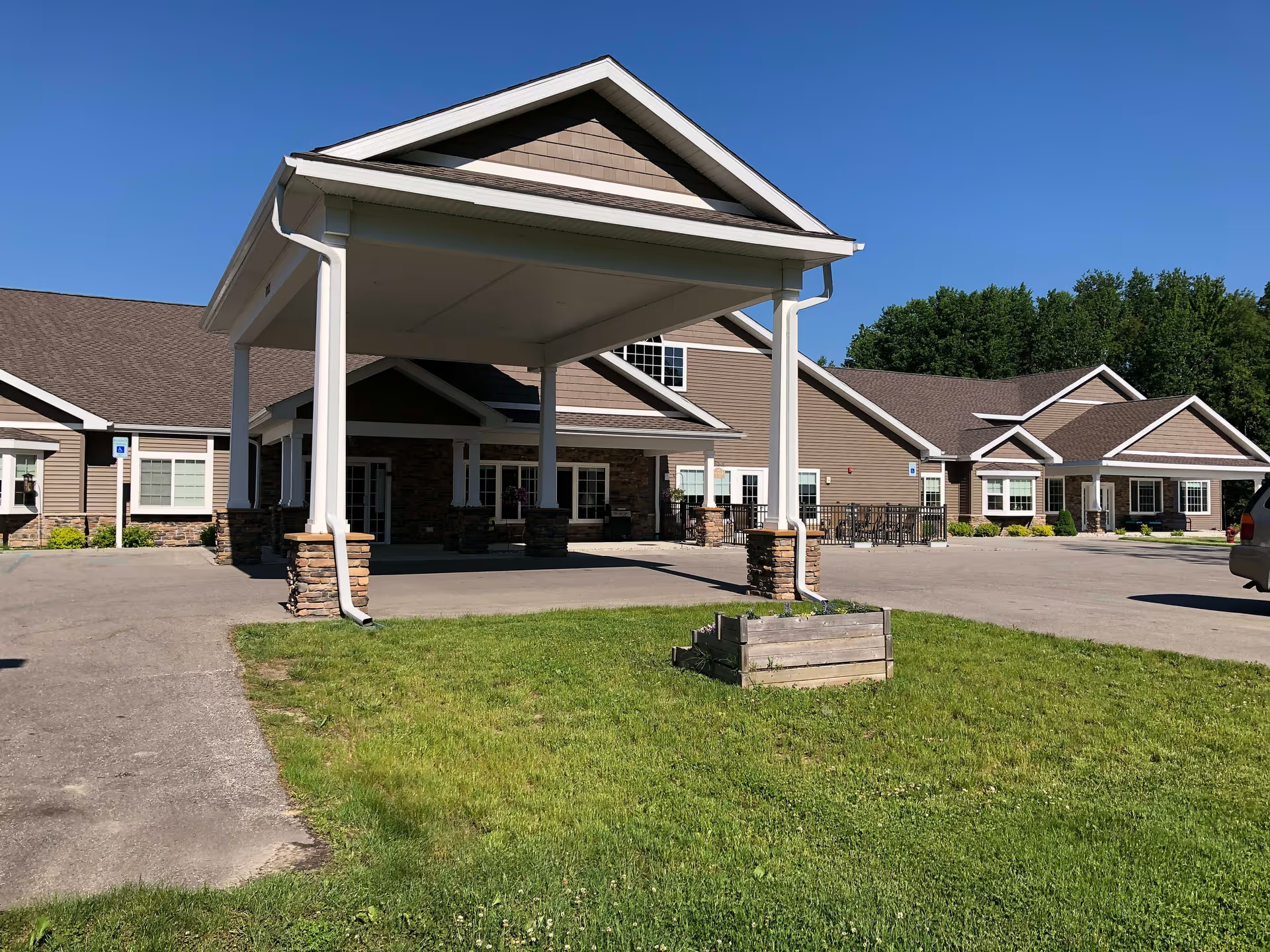
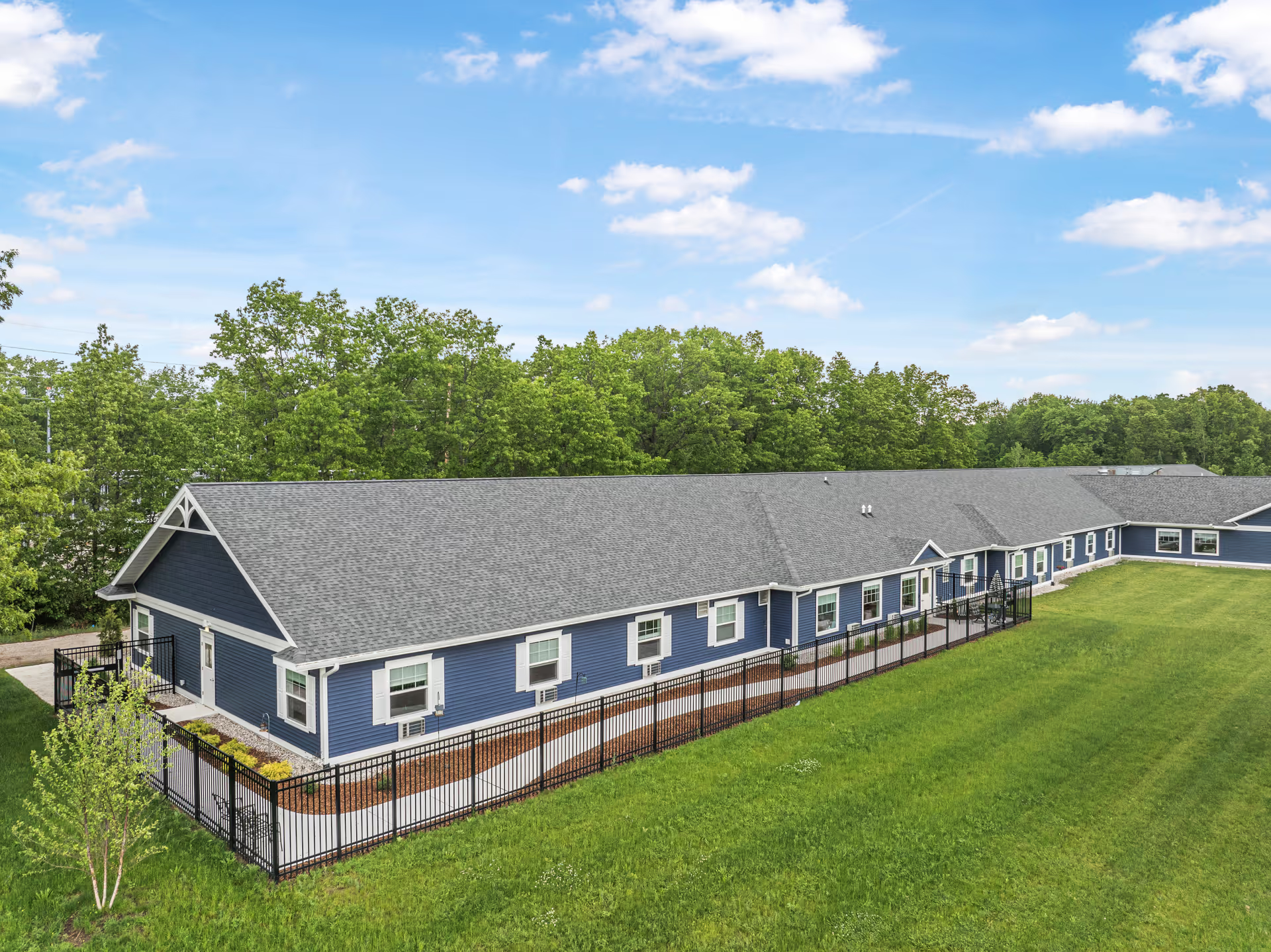
Facilities and cleanliness: Reviews vary sharply on facility condition. Many describe clean, pleasant-smelling common areas and comfortable public spaces, while others raise sanitation concerns in specific resident rooms and shared bathrooms, and note signs of wear in parts of the building. These inconsistent physical conditions point to variability in housekeeping and room maintenance practices across units or shifts.
Management and communication: Management commentary is mixed. Positive accounts highlight staff who coordinate transfers and discharge planning effectively and administrative staff who are responsive. Negative accounts raise concerns about management transparency, accountability, and follow-through on family communication. Specific operational issues include restricted resident access to personal devices or communication, failed callbacks, and inconsistent enforcement of discharge orders. These items suggest the need for clearer family-communication protocols and stronger managerial oversight.
Notable patterns and recommendations for families: The overall pattern is one of contrast — distinct examples of high-quality, compassionate care exist alongside significant operational weaknesses. Families touring this facility should evaluate room-level cleanliness, ask about staffing ratios and weekend therapy coverage, review infection-prevention and incident-response protocols, and request examples of discharge-follow-through and family communication practices. Direct, in-person observation across multiple shifts will give the best sense of day-to-day consistency.