Overall impression: Reviews of Regency at Canton present a polarized picture. Many accounts praise the facility’s rehabilitation focus, therapy teams, select nursing staff, and the physical environment; other accounts describe operational inconsistencies that affect resident safety, personal care, and family confidence. Prospective residents and families will find strong strengths to build on, alongside recurring operational weaknesses that warrant explicit inquiry during tours and admissions.
Care quality and clinical services: The facility’s rehabilitation services are consistently identified as a strength — physical, occupational, and speech therapy are frequently described as skilled, goal-oriented, and instrumental in returning patients home. Several reviews indicate timely, hands-on therapy and measurable progress. Nursing care receives mixed assessments: some reviewers highlight compassionate, knowledgeable RNs and standout CNAs who provide attentive care and advocacy, while others describe uneven practice across shifts, with specific concerns about medication timing, wound-care continuity, and inconsistent execution of care plans.
Staffing and responsiveness: A dominant pattern is variability in staffing and responsiveness by shift. Daytime coverage and therapy hours often garner positive comments; evening, night, holiday, and weekend coverage are commonly cited as weaker, with delayed responses to call lights and slower bedside assistance. These patterns are associated with increased family involvement to ensure needs are met. Reviews also describe variable professional conduct and communication tone among individual staff members — with several named caregivers singled out as exemplary and others noted for poor bedside communication.
Safety and clinical-process concerns: Aggregated feedback points to operational gaps that have clinical implications: inconsistent medication administration times and missed doses, delays in wound dressing changes or wound-vac management, and weaknesses in transfer and fall-prevention practices. These issues are described across multiple reviews as contributing to patient risk and, in a subset of cases, hospital readmission. There are also mentions of serious incidents raised by families that prompted calls for investigation; those items are summarized in the cons as allegations that require review by regulators or facility leadership.
Dining and dietary management: Dining impressions are mixed. The on-site kitchen and some dietary staff receive praise for varied menus and accommodating substitutions; other accounts document late or incorrect meal delivery and challenges meeting strict dietary needs (for example, post-operative or diabetic diets). Meal-service continuity and accuracy appear linked to staffing levels and kitchen coordination with nursing for assisted dining.
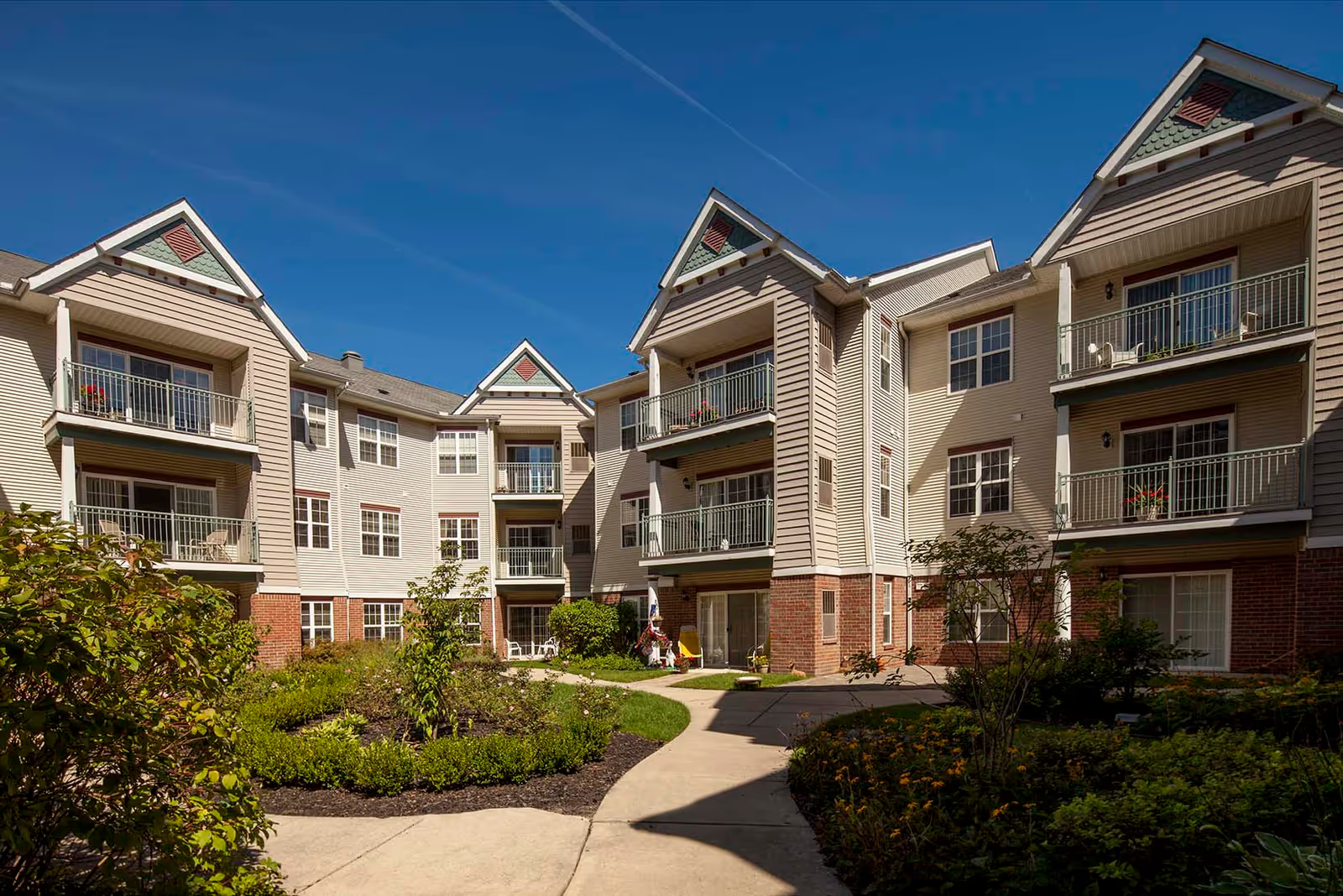
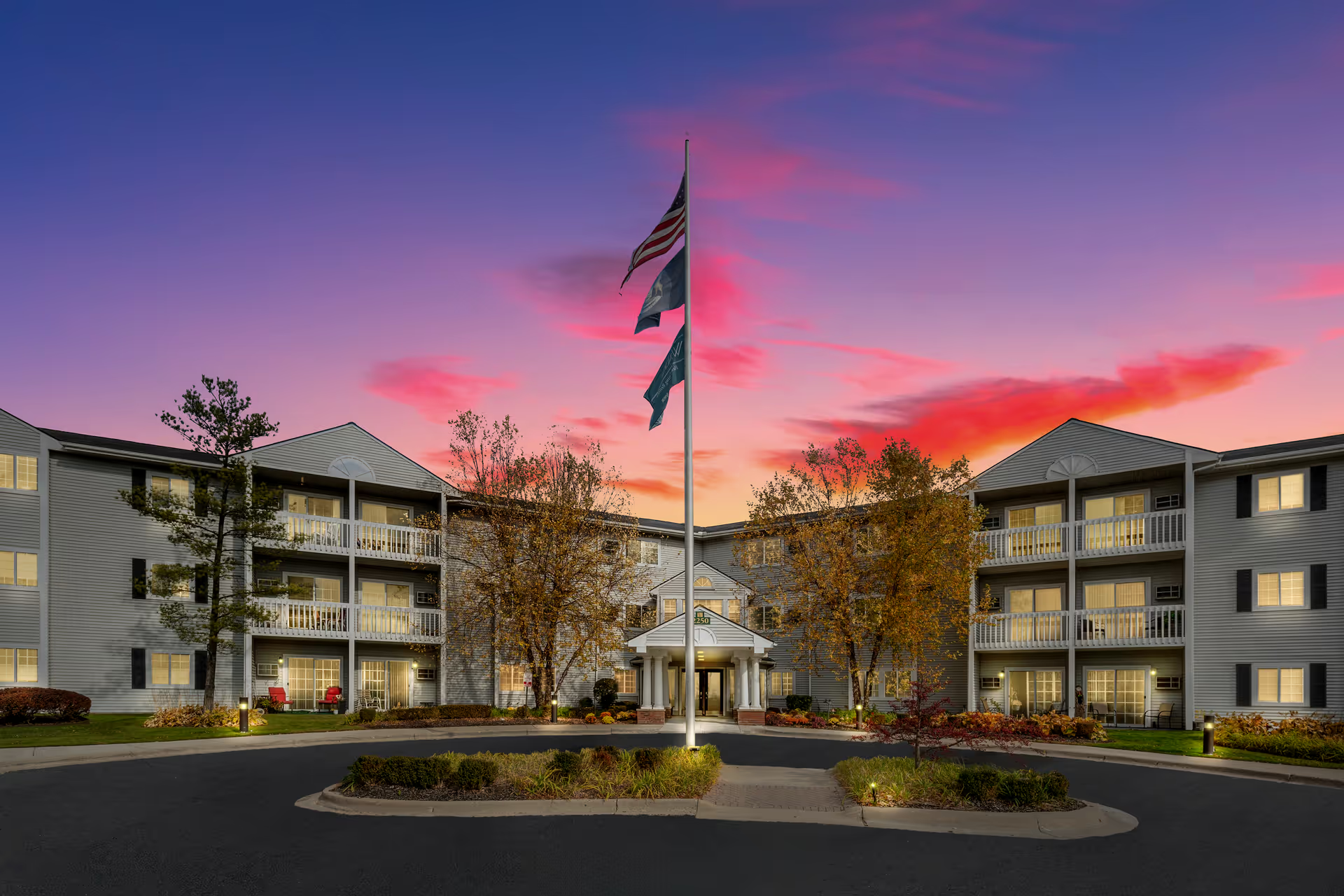
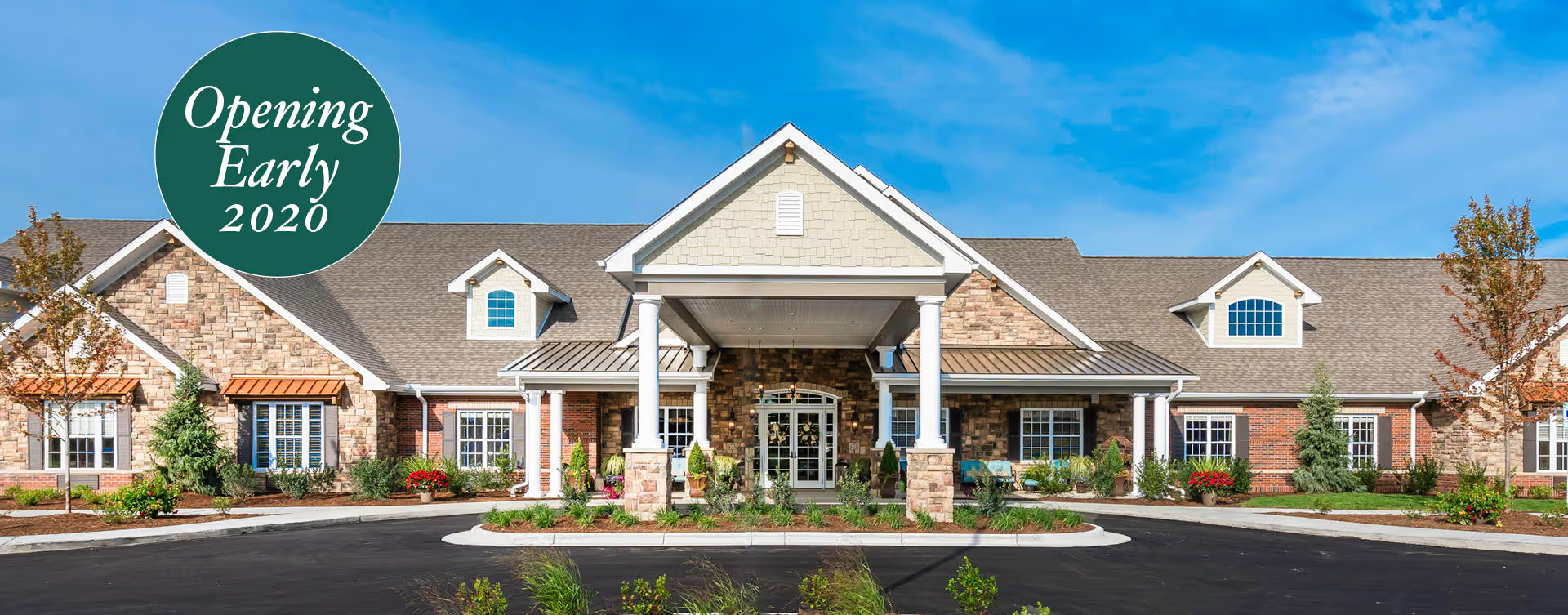
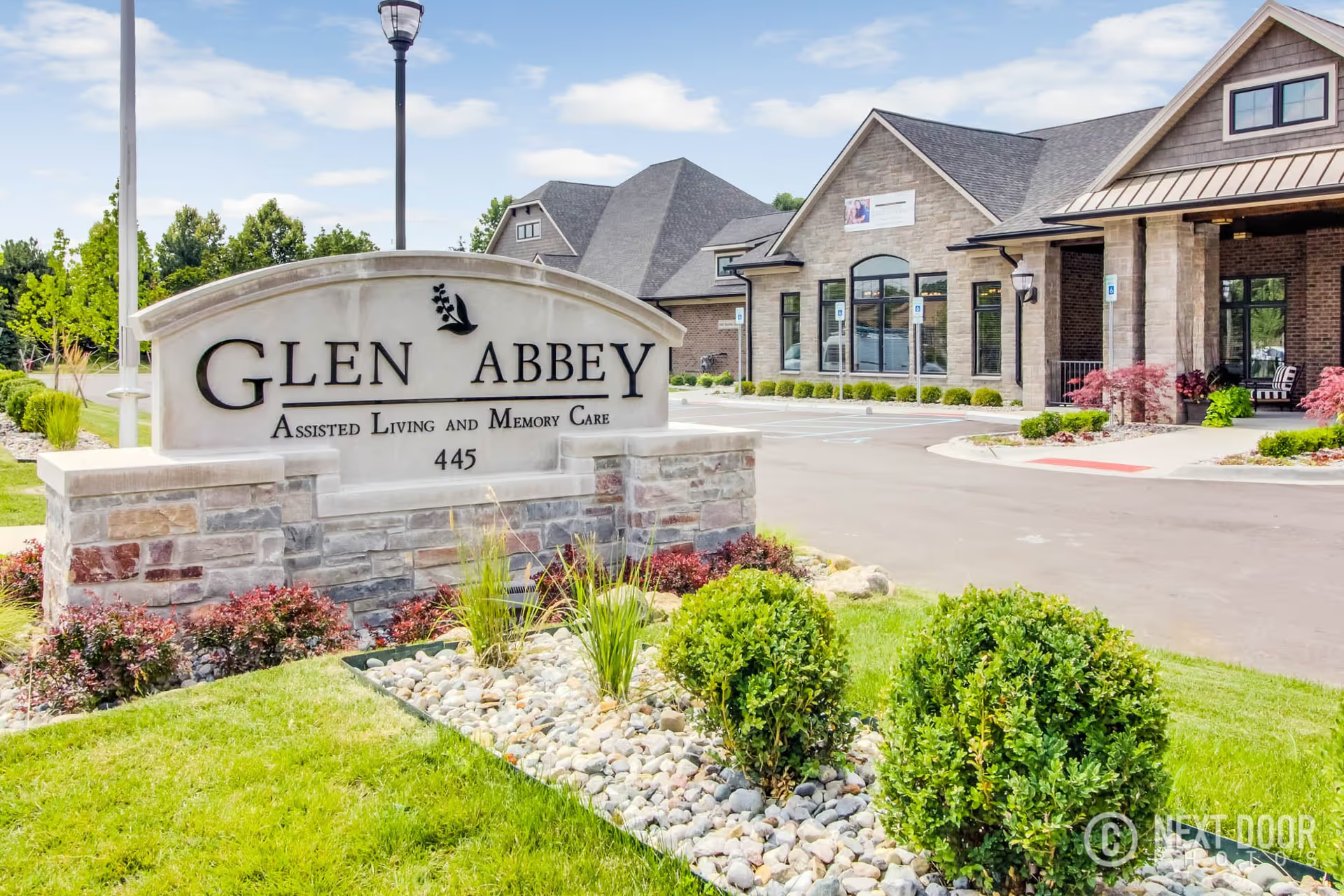
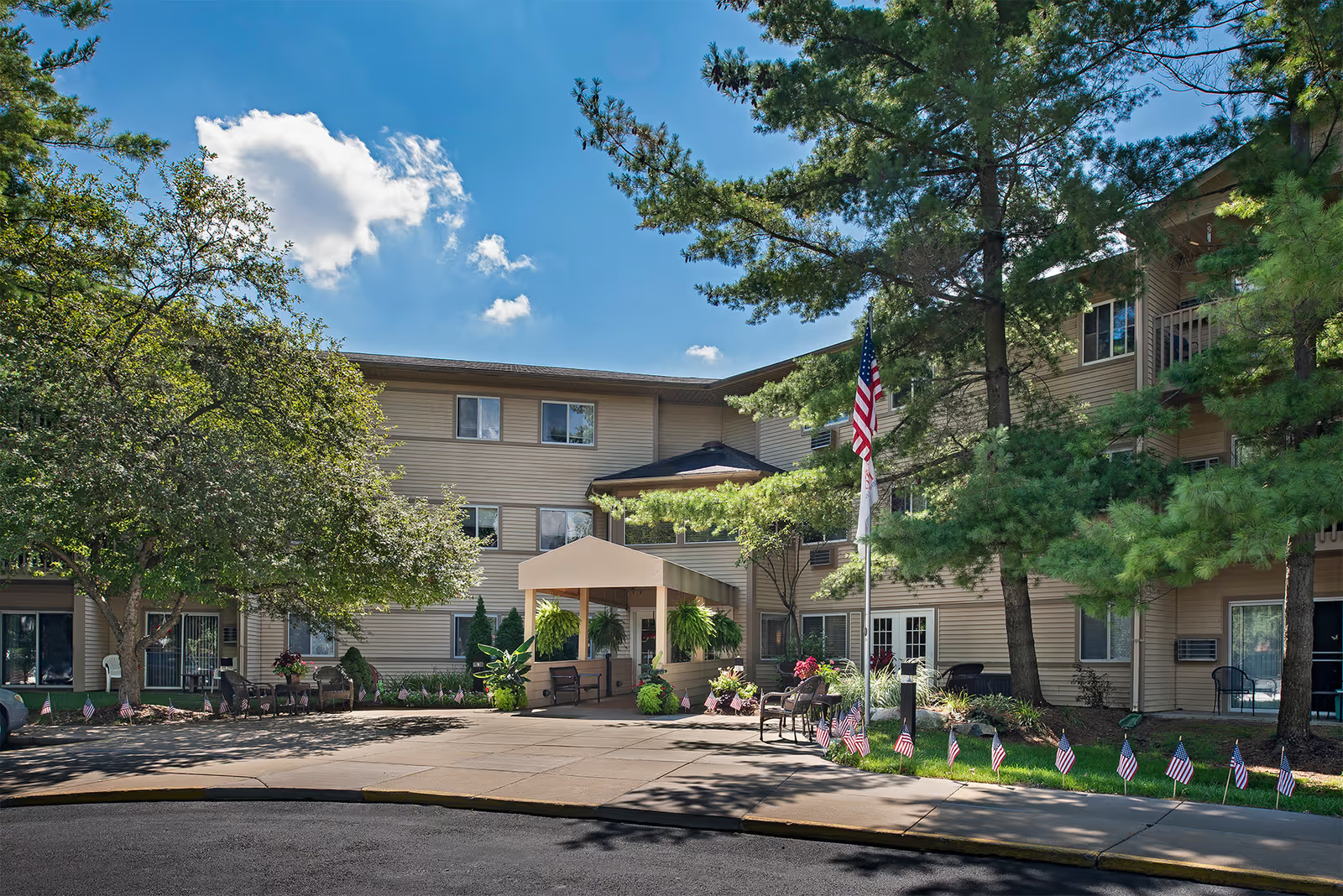
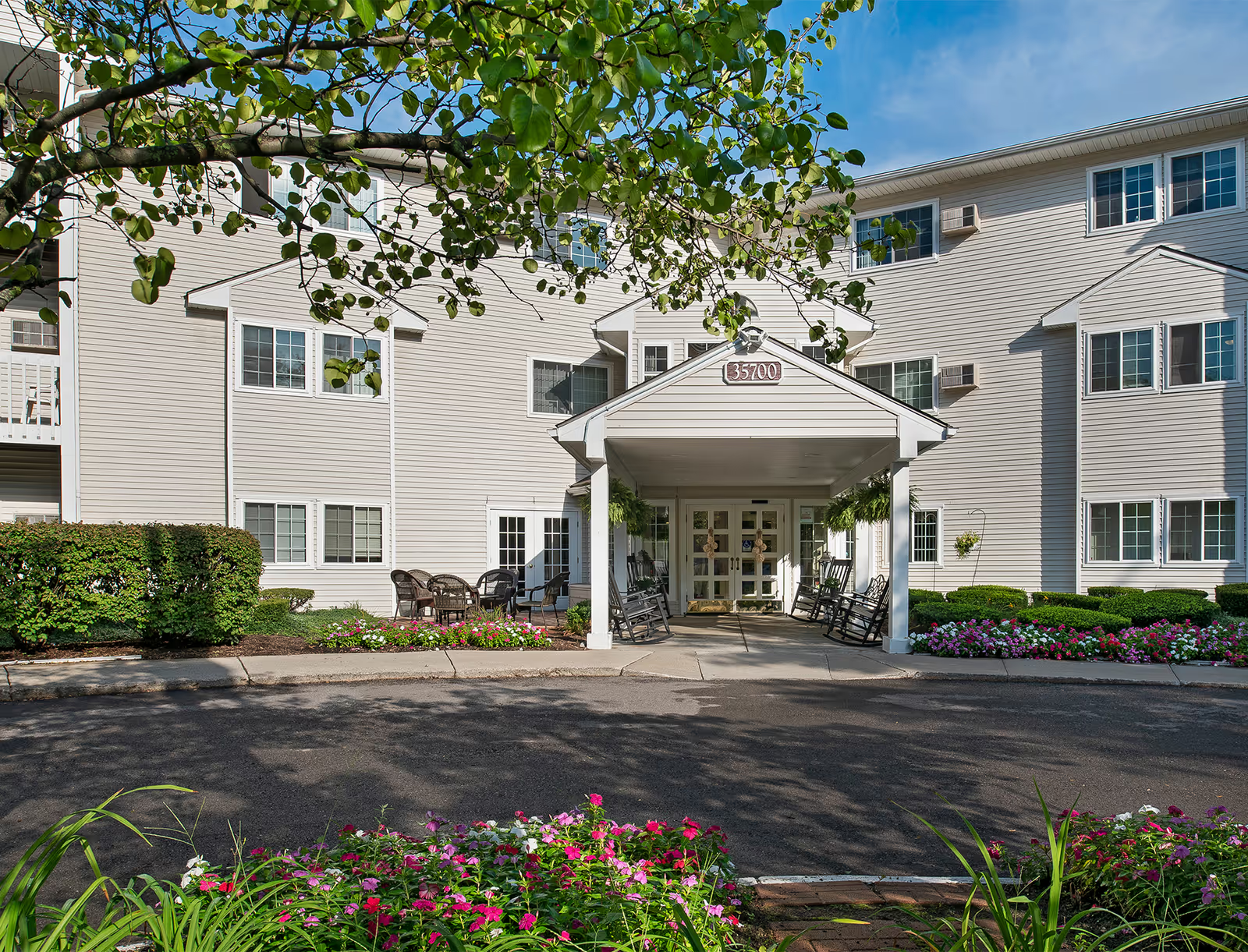
Facilities, activities, and environment: The physical plant and communal spaces receive largely positive remarks: clean, modern therapy rooms, private patient rooms with en-suite bathrooms, and hotel-like common areas are frequently mentioned. Activity programming — bingo, crafts, church services, and other social options — is repeatedly cited as engaging and beneficial to socialization and morale. Housekeeping and maintenance are generally seen as maintaining the facility’s appearance, though there are intermittent sanitation concerns at the room level that families reported.
Management and communication: Experiences with administration are inconsistent. Some families report responsive, hands-on management and effective social-work support that resolves issues quickly; others describe poor follow-up, dismissive communication, or unhelpful responses when problems arise. Admissions and billing communication have been identified as a pain point in a number of accounts, particularly around insurance coverage and discharge coordination.
Notable patterns and guidance: The reviews suggest a high degree of variability tied to shift, unit, and individual staff performance rather than an all-or-nothing institutional profile. Strengths are strongest in therapy, several nursing practitioners, activity programming, and the physical environment. Weaknesses cluster around staffing consistency, call-light responsiveness, medication and wound-care continuity, meal-service reliability, and family communication.
For families considering Regency at Canton, recommended due diligence includes asking about staffing ratios by shift, protocols for medication administration and wound care, call-light average response times, dietitian involvement for specialized diets, and specific admission/insurance coordination procedures. During a tour, observe evening or weekend staffing if possible, request written care-plan turnaround times, and identify a point person in management or social work for rapid escalation. The facility demonstrates significant strengths that support recovery-oriented care, but the operational variability documented in reviews suggests that active oversight and clear expectations are important to achieving a consistently positive experience.