The reviews present a mixed picture of LakePointe Senior Care & Rehab Center, with clear strengths in short-term rehabilitation, individual caregiver compassion, and facility amenities, alongside recurrent operational weaknesses that affect clinical reliability and family confidence.
Care quality and clinical operations: Several reports describe successful short-term rehab outcomes, effective PT/OT, attentive nursing in certain units, and good outcomes for post-surgical recovery. At the same time, a consistent pattern emerges around delayed responses to calls for assistance, lapses in timely medication ordering and administration, and gaps in basic hygiene and continence-care processes. These service inconsistencies appear linked to staffing levels and shift coverage; when staffing is adequate, families report strong, hands-on care, but when shortages occur there are repeated accounts of long waits and missed needs.
Staff and conduct: Many reviewers praise individual staff members as compassionate, kind, and hardworking. Positive accounts frequently cite helpful admissions teams, engaged social workers, and unit staff who go above and beyond. Conversely, other accounts describe concerns about staff conduct, tone, and communication—examples include unresponsive or curt interactions, inconsistent infection-control practices, and variability in professional behavior. This variability suggests that staff performance may depend heavily on unit leadership and individual shifts.
Dining and activities: The facility is credited with varied dining options and, for some residents, quality meals and pleasant dining spaces. Multiple reviewers highlighted a welcoming kitchen/dining area in remodeled sections. However, there are recurring complaints about inconsistent meal quality, overcooked items, and at least one food-safety concern. Activity programming and therapy-led engagement are seen as strengths in the rehab setting, though a few accounts indicate limited activity options in other units.
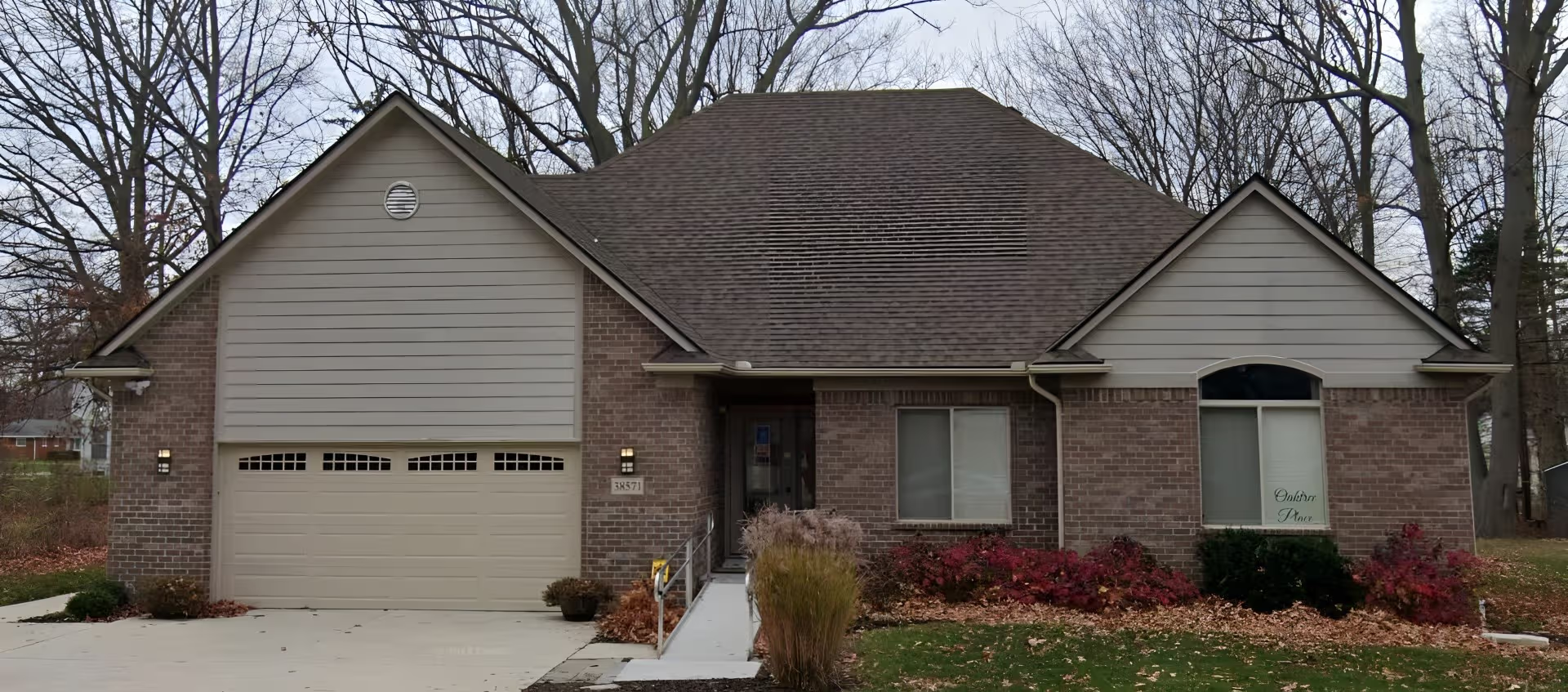
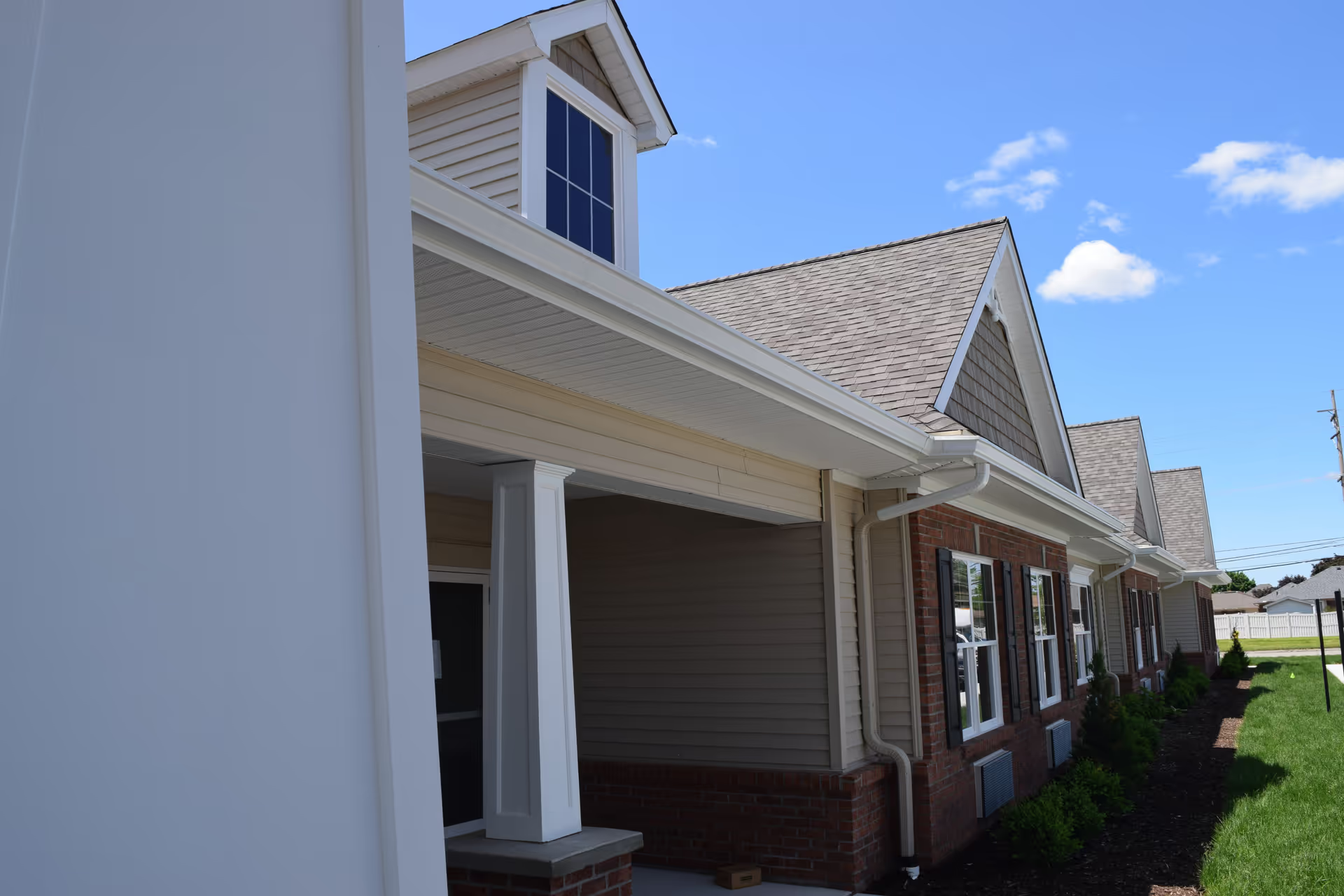
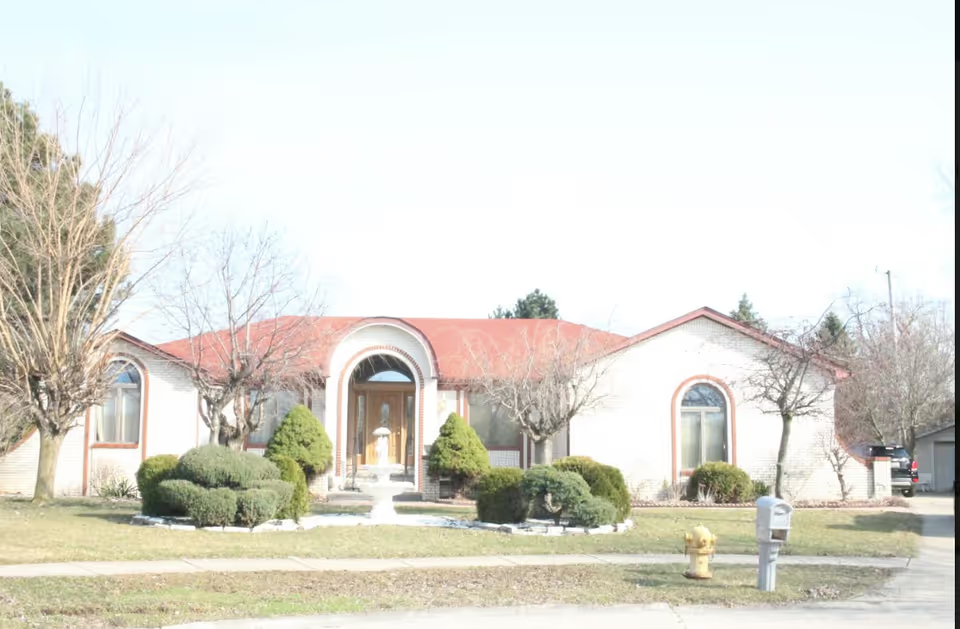
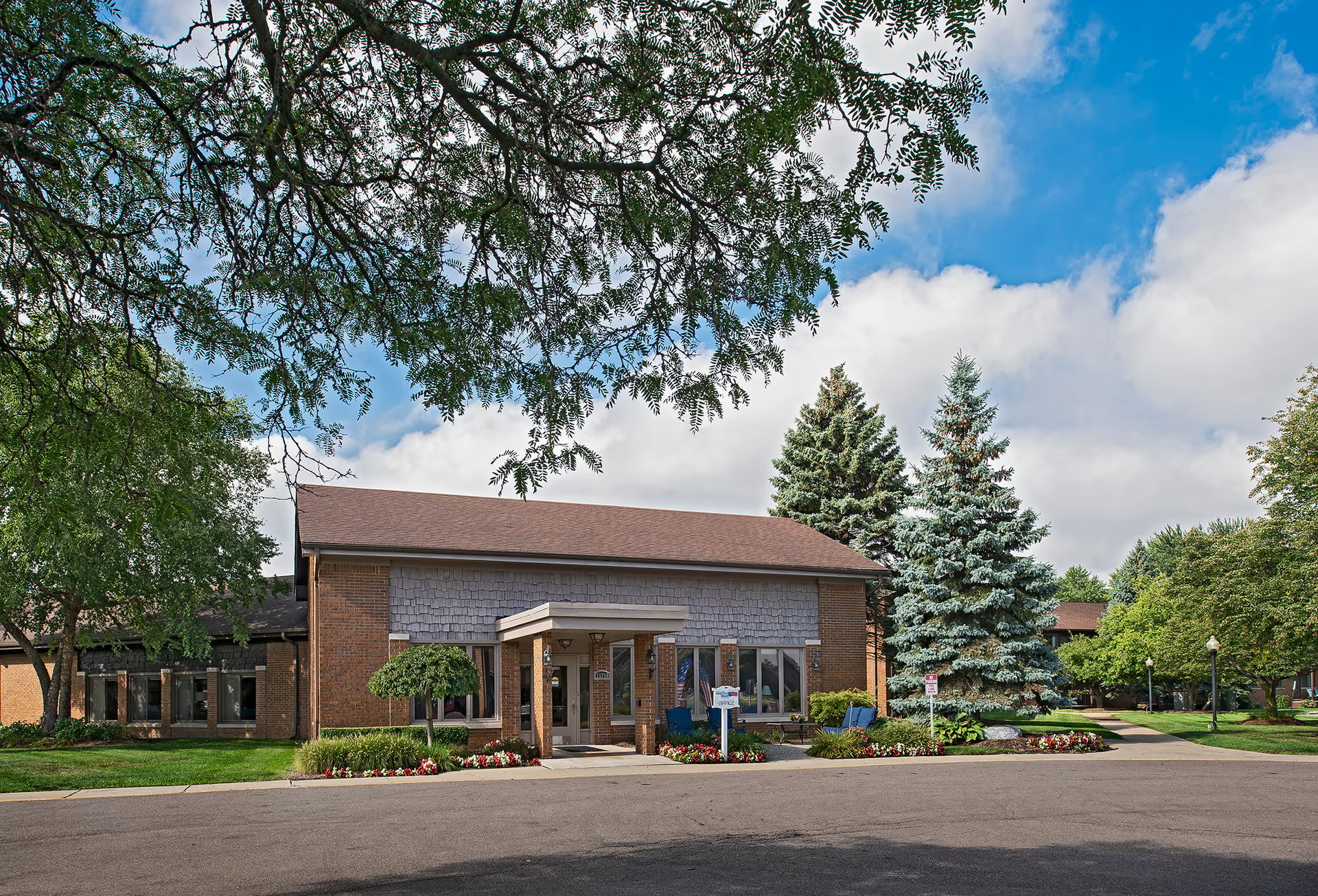
Facilities and environment: Positive comments emphasize spacious, clean rooms, remodeled wings, and a pleasant, odor-free environment in many areas. Conversely, other reports point to uneven sanitation and odor concerns in select units or rooms, as well as pest-control and maintenance issues in specific locations. The contrast between renovated wings and older sections appears to contribute to uneven perceptions of the physical environment.
Management and communication: Feedback about administration is mixed. Some families encountered responsive leadership that assisted with paperwork, discharge planning, and family communication. Others described limited administrator availability (particularly on weekends), weak shift-to-shift handovers, and inadequate notification for critical events. There are serious claims concerning consent and contract processes that warrant attention; these are characterized as alleged irregularities and should be investigated by regulators or the facility. Overall, communication breakdowns between staff, clinicians, and families are a recurrent theme.
Notable patterns and guidance for families: The dominant patterns are variability by unit and shift, and a strong relationship between staffing levels and quality of care. Prospective residents and families who prioritize strong therapy programs, spacious rooms, and compassionate individual caregivers may find the facility meets those needs—especially in renovated or rehab-focused areas. Families should, however, probe current staffing ratios, medication-administration procedures, handover practices, and how the facility manages sanitation and food-safety oversight. When possible, ask to observe the unit(s) where a loved one will reside, request the names of primary caregivers, and clarify administrative availability for questions and escalations.
In summary, LakePointe demonstrates clear strengths in rehabilitation services, helpful admissions support, and strong performance in several units, while operational inconsistencies—particularly around staffing, timely clinical response, hygiene processes, meal consistency, and certain administrative practices—create uneven experiences across the facility. These mixed signals make on-site evaluation, specific questions about staffing and clinical protocols, and review of any third-party regulatory findings important steps before placement.