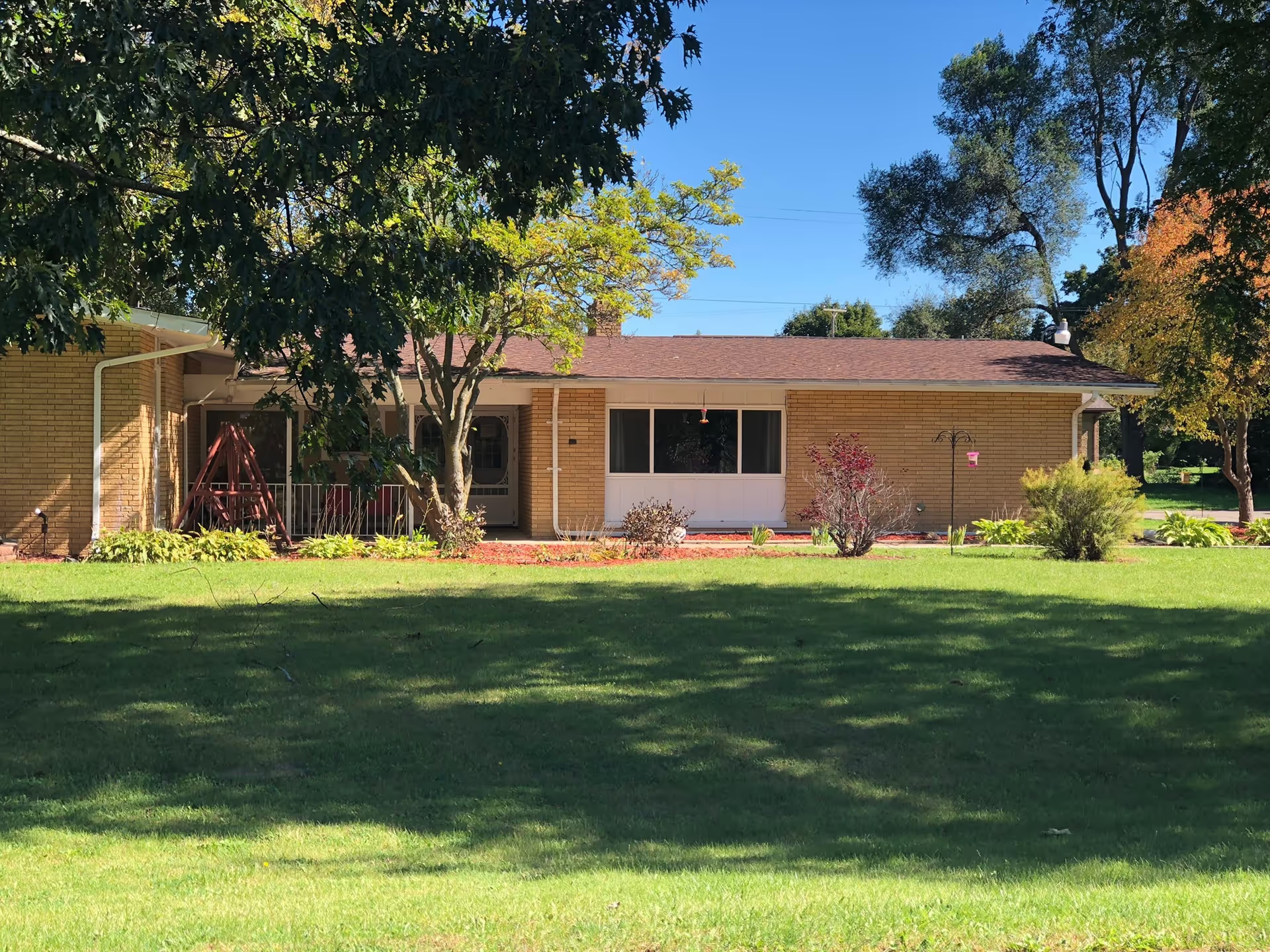
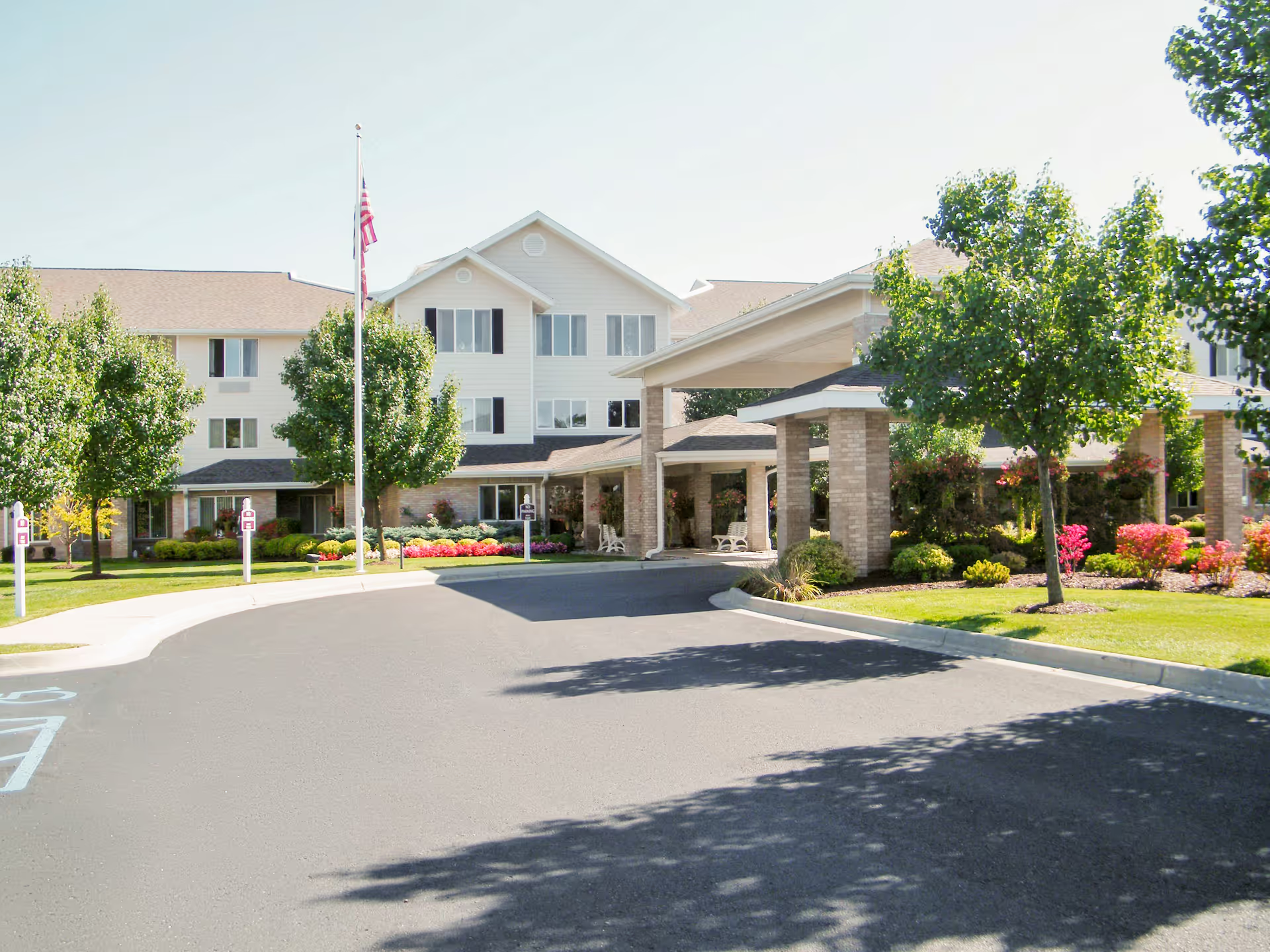
Gross Assisted Living elicits mixed impressions: many families describe a warm, homelike environment with clean, well-kept common areas and staff who are caring and attentive, while others identify persistent operational weaknesses that affected day-to-day care and expectations. The facility appears to offer affordable private-pay options and, for some residents, supportive end-of-life care. These positive elements suggest the community can be a good fit for people seeking a smaller, family-style setting.
Care quality and staff conduct show a split pattern. Numerous accounts praise individual caregivers as compassionate, helpful, and able to make residents feel secure; several families explicitly recommended the facility. However, other accounts point to inconsistent staff behavior and communication tone, occasional lapses in responsiveness, and staffing patterns that result in ad-hoc shift coverage. These operational inconsistencies can translate into uneven experiences of supervision and assistance from one day to the next.
Dining and personal-care routines are areas of concern for some families. Reviewers describe variability in meal-service continuity and temperature control—examples include hot meals arriving cold and a lack of a dedicated cook at times. Personal-care services also appear irregular for some residents, with bathing schedules described as infrequent and laundry/personal-belongings management raising issues such as lost items. Together, these items indicate process and staffing challenges in daily living supports.
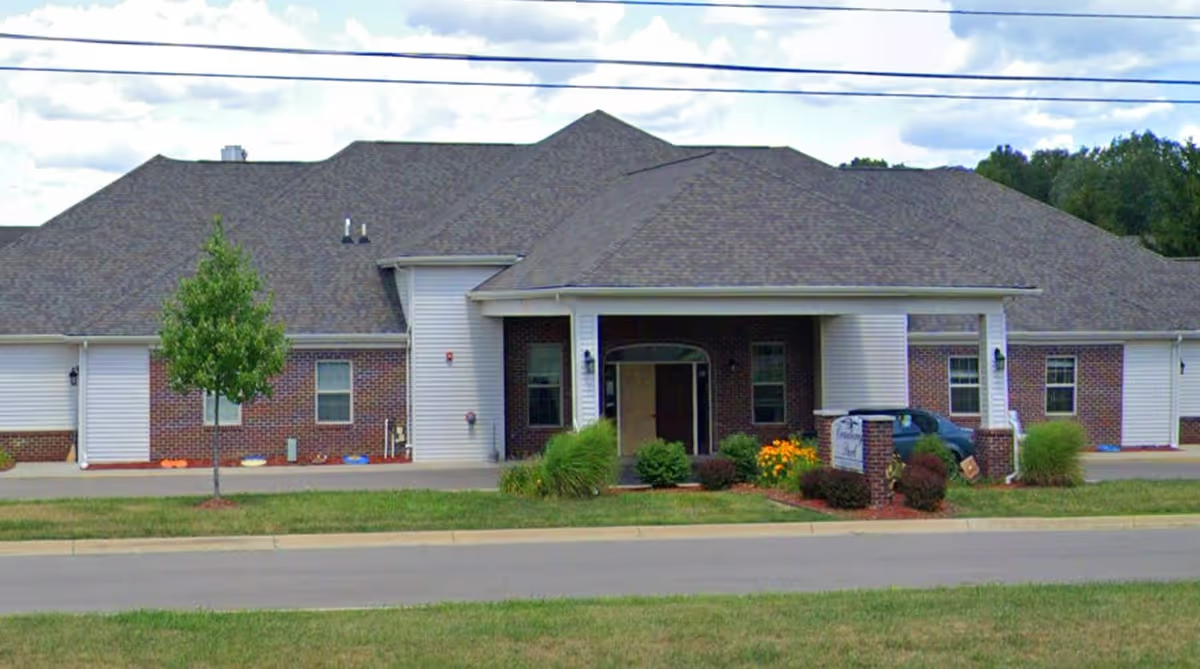
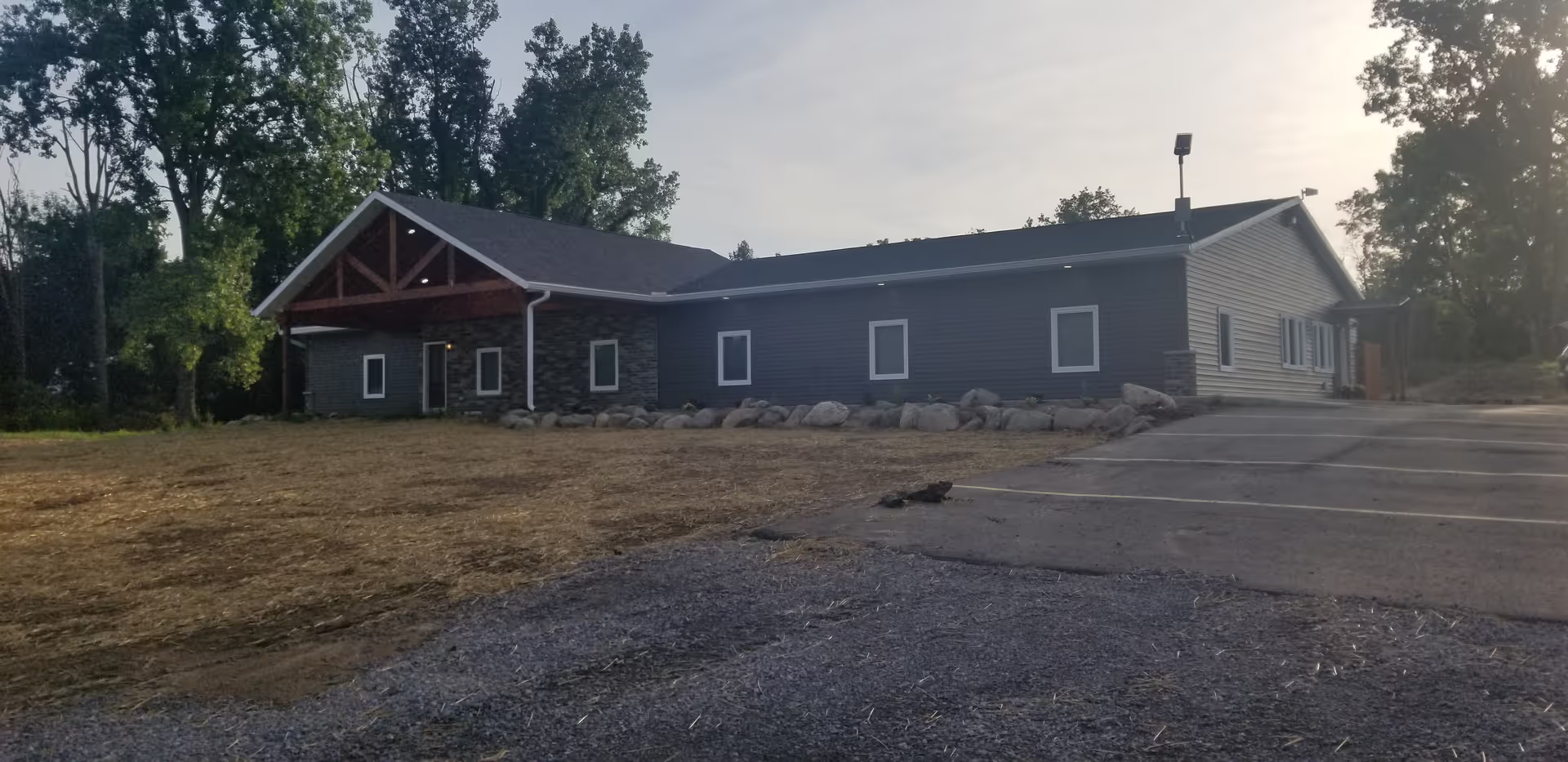
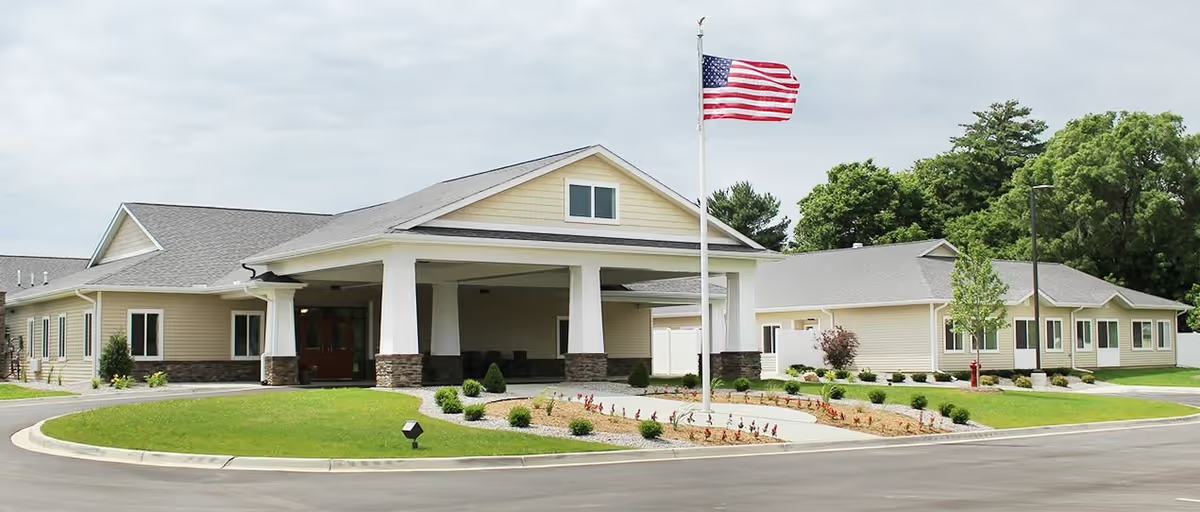
Facilities and amenities generally receive positive notes: many families found the building clean, well maintained, and comfortable. That said, climate control in resident rooms is an operational issue for some residents who experienced cold rooms. Housekeeping of common spaces is perceived positively even when individualized service consistency is uneven.
Management and administrative practices generate the most substantive concerns. Several families described miscommunication around move-outs, deposit handling, and billing, and there are allegations of unequal treatment linked to appearance or payment status in individual cases. The facility’s discharge and financial policies may feel abrupt or unclear to families unless clarified in advance. Taken together with staffing variability, these administrative issues can contribute to a perception that pricing is not always aligned with the level of service delivered.
Bottom line: Gross Assisted Living offers clear strengths—compassionate staff members, a homelike environment, and generally clean, well-maintained spaces—that make it a reasonable option for some residents. Prospective families should verify current staffing levels and schedules, observe mealtime service, review written billing and discharge policies, and ask about laundry and personal-care protocols before committing. Those who prioritize consistent, documented daily-care routines and tight administrative transparency may want to compare alternatives or obtain contractual assurances before moving in.