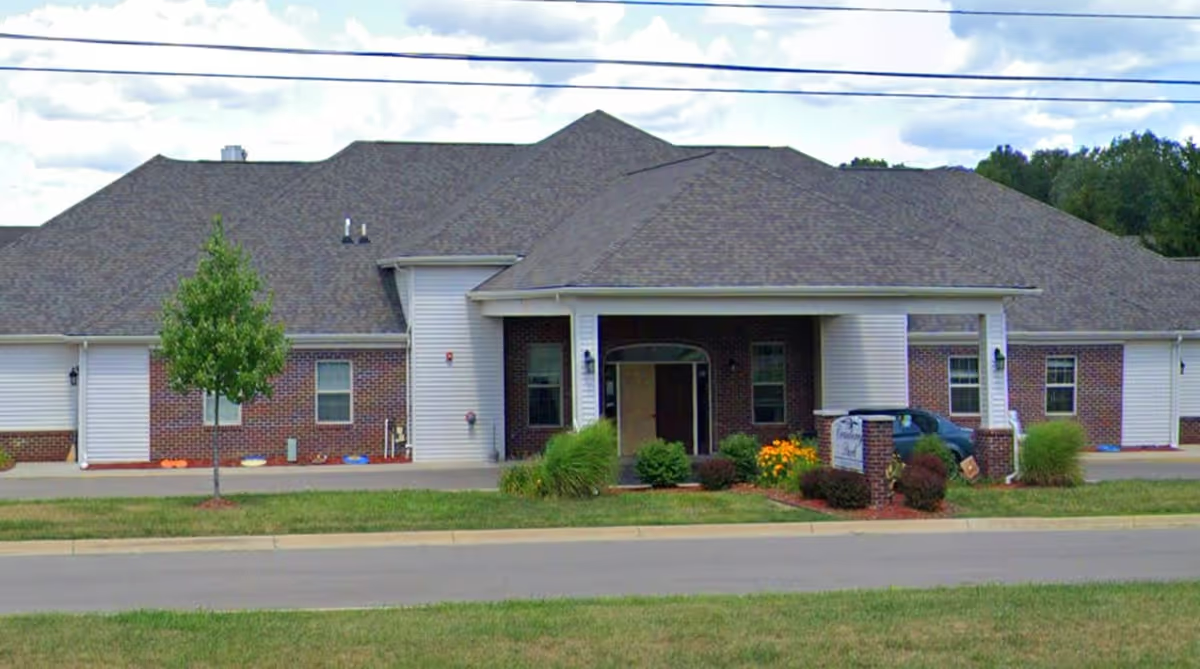
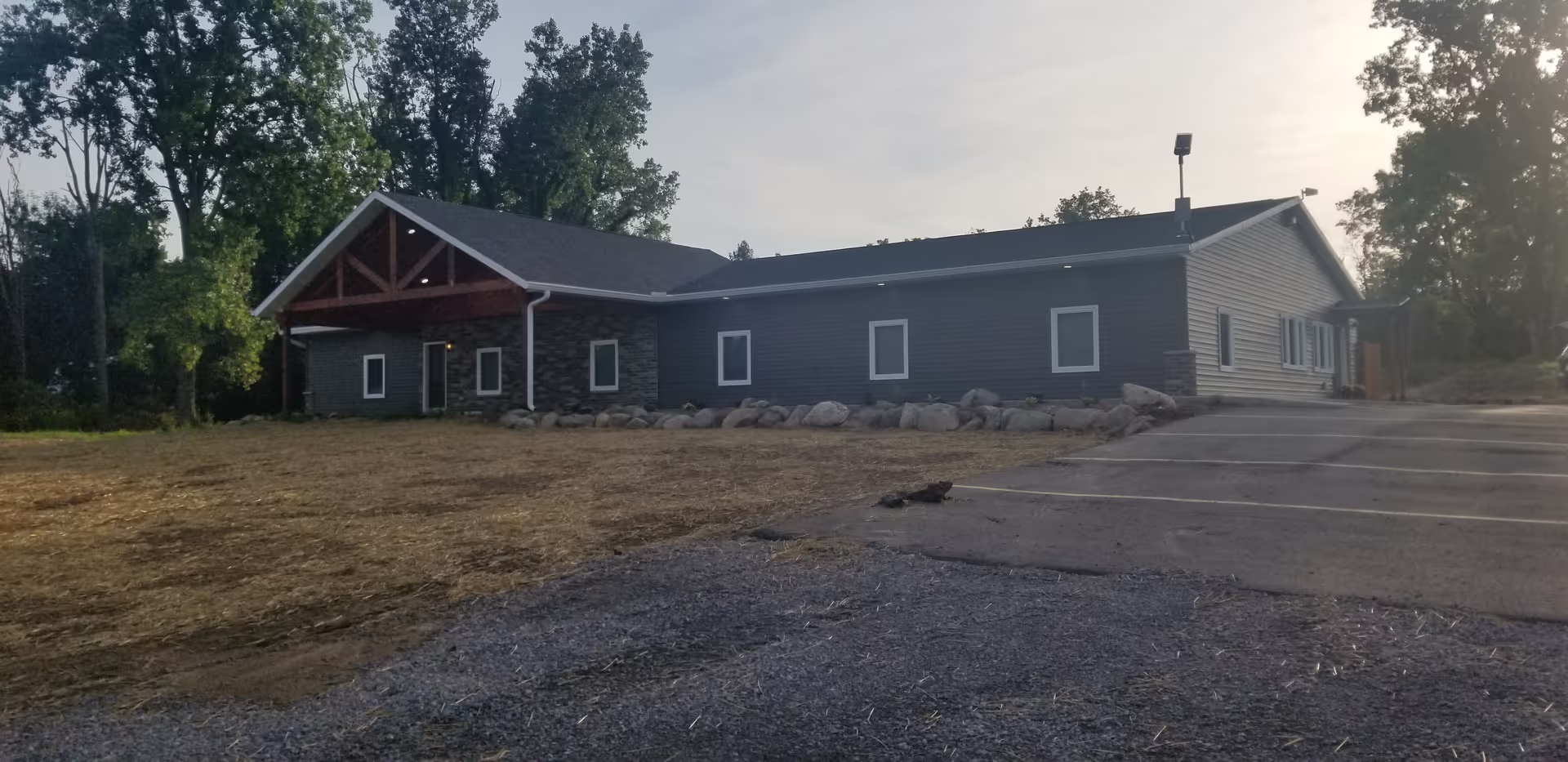
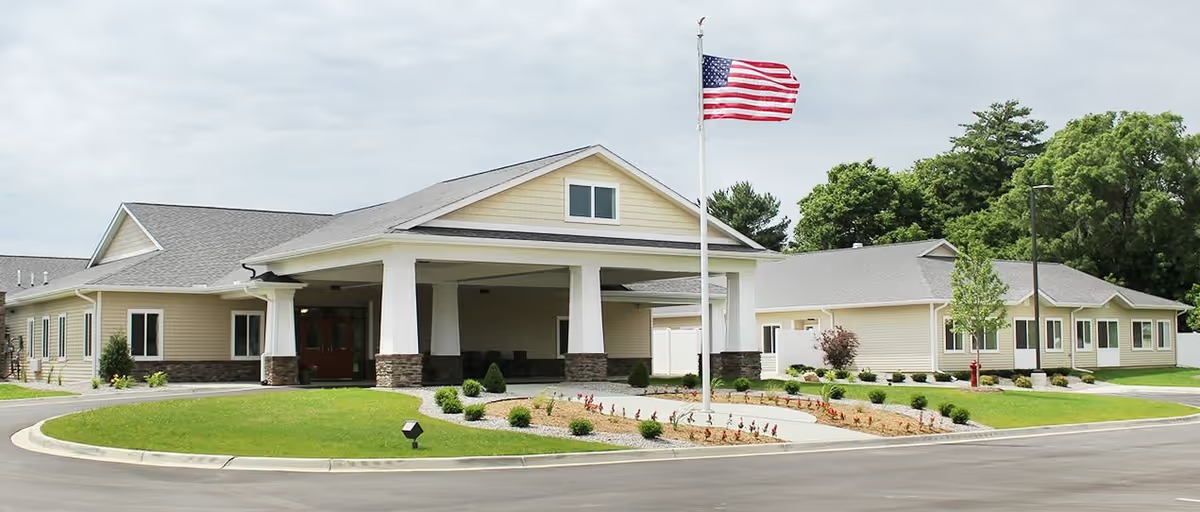
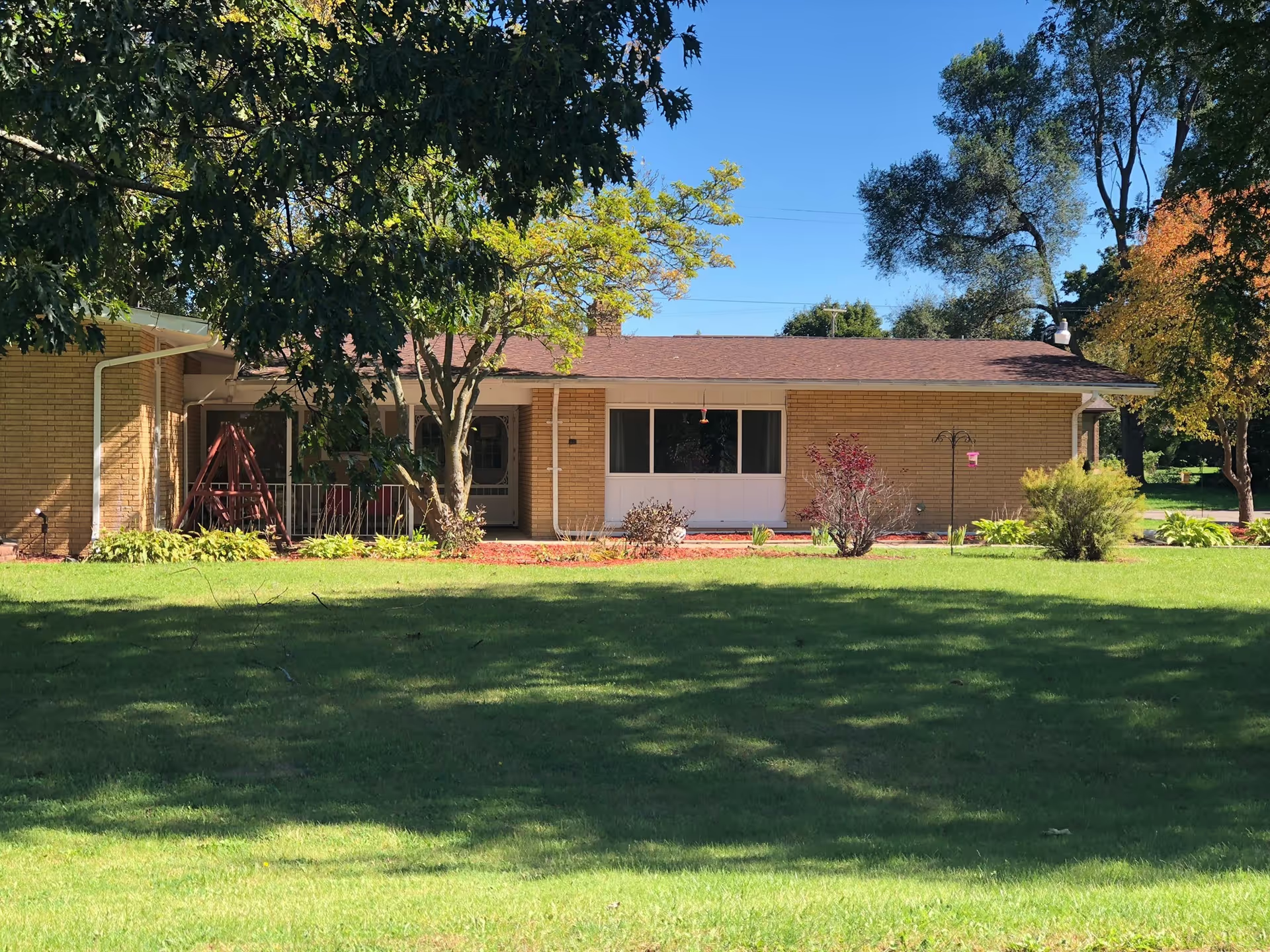
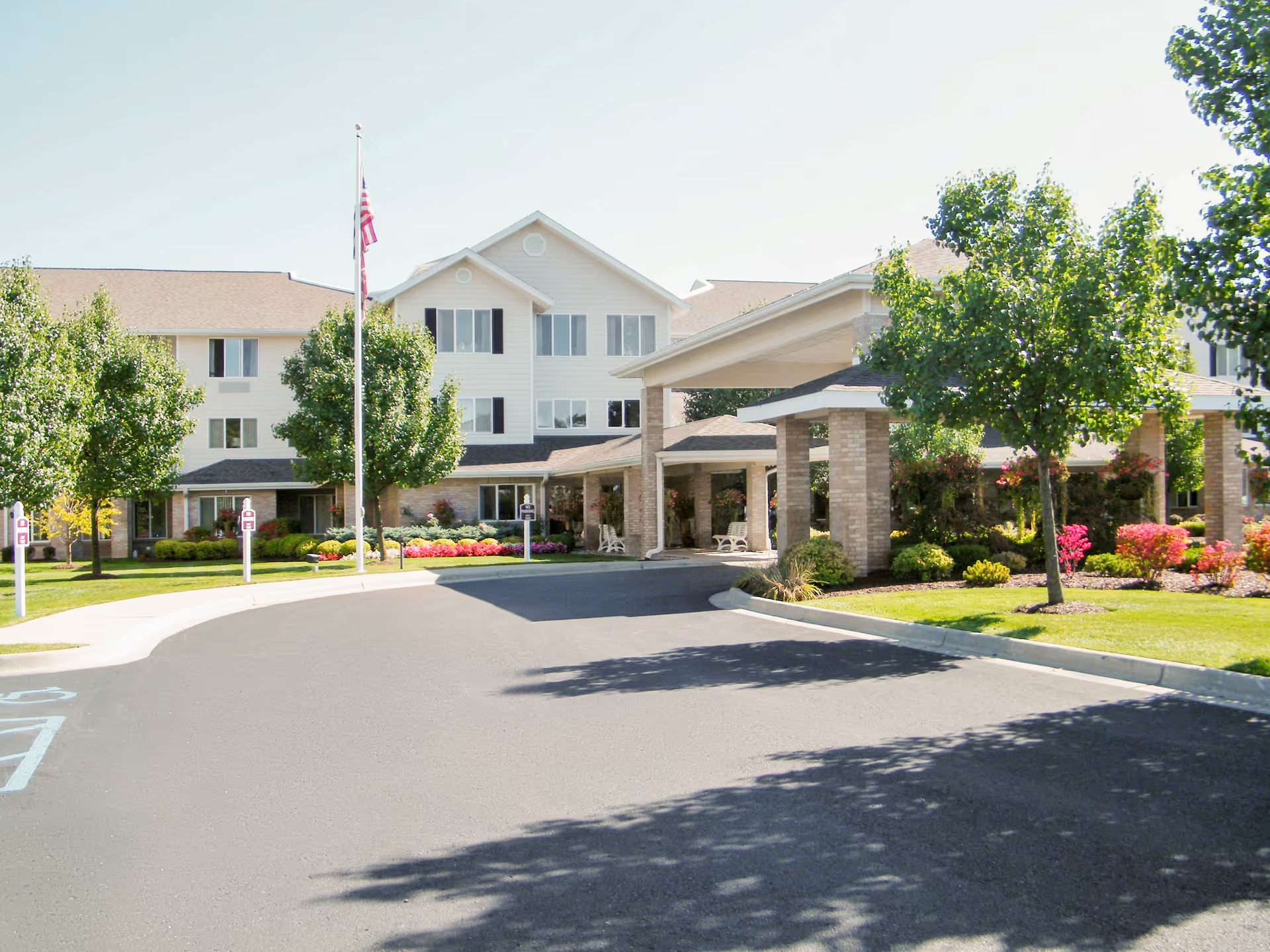
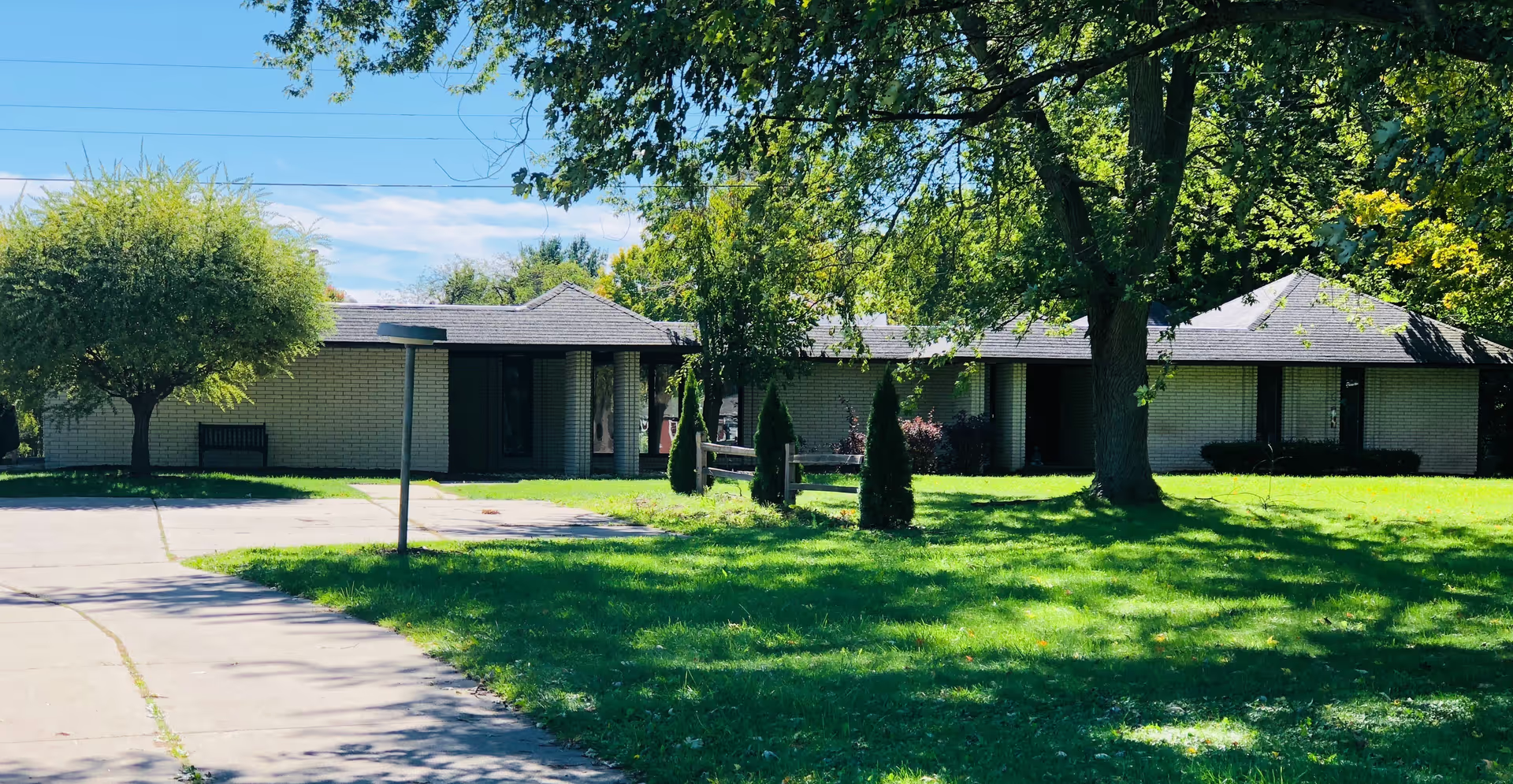
Taylor Lodge presents as a small, owner-operated assisted living home with a consistent emphasis on a home-like environment and individualized attention. Reviewers consistently describe the facility as clean and well maintained, with an intimate scale that supports personalized care and a family-style atmosphere. The ownership and staff are frequently characterized as engaged and proud of the setting, and families commonly report a sense of safety and peace of mind after placement.
Care quality is a clear strength in the reviews: families cite attentive caregiving, hands-on assistance with daily needs, reliable medication management, and services such as laundry and personal grooming. Several accounts highlight that staff availability and caregiver attentiveness contributed to positive transitions for new residents and ongoing confidence in clinical oversight. At the same time, a pattern of communication issues emerges; some families experienced inconsistent responsiveness to phone calls and follow-up, and a minority reported negative interactions with staff about tone or professionalism. These items suggest an operational gap in family communication pathways and in consistent front-line customer service expectations.
Dining and social programming are described positively. The facility offers home-cooked meals that residents and families appreciated, a clean dining room, and a home-style breakfast routine. Common spaces and activities — including a game room, arts and crafts, patios, and a back deck — were noted as well maintained and used for engagement, contributing to resident stimulation and socialization.
Overall management appears hands-on and family-centered; tour experiences and owner interactions were described as good, and reviewers emphasized a sense that the owners take pride in the operation. The dominant pattern in feedback is strong day-to-day care and a welcoming, small-home model, tempered by intermittent issues around administrative communication and occasional staff conduct concerns. Prospective residents and their families may benefit from clarifying communication protocols, preferred contact methods, and expectations for staff interactions during the tour and admission process to reduce the likelihood of those operational gaps affecting the care experience.