This facility elicits strongly polarized experiences: many families and patients praise the rehabilitation teams, concierge and admissions staff, and certain frontline caregivers, while an overlapping set of reviews raises consistent operational concerns. Strengths most commonly referenced include robust physical and occupational therapy services that contribute to measurable functional gains, a welcoming admissions/concierge function that eases placement, and a number of individual caregivers who provide attentive, personalized interactions. On-site medical coverage and participation by physicians and nurse practitioners are additional positives cited by several families.
Care quality is uneven across reviews. Therapy services are frequently described as a high point, with therapists credited for restoring mobility and independence. Nursing and aide performance receives mixed feedback: many staff are characterized as compassionate and effective, but others are cited for delayed responses to calls, inconsistent pain and medication management, and lapses in documentation. Several accounts describe prolonged waits for assistance, missed or delayed medication administration, and care-process gaps during night shifts. There are also observations suggesting weaknesses in transfer procedures and post-fall response time that warrant attention to safety protocols.
Dining and nutrition present a mixed picture. Some reviewers praise fresh items, accommodated dietary needs (including halal options) and a helpful kitchen staff; others describe limited menu variety, inflexible menu substitutions, and inconsistent meal temperature or timely delivery. Activity programming and social events are frequently praised, with examples of well-run celebrations and regular recreational involvement; however, activity frequency and variety may be inconsistent depending on unit or timing.
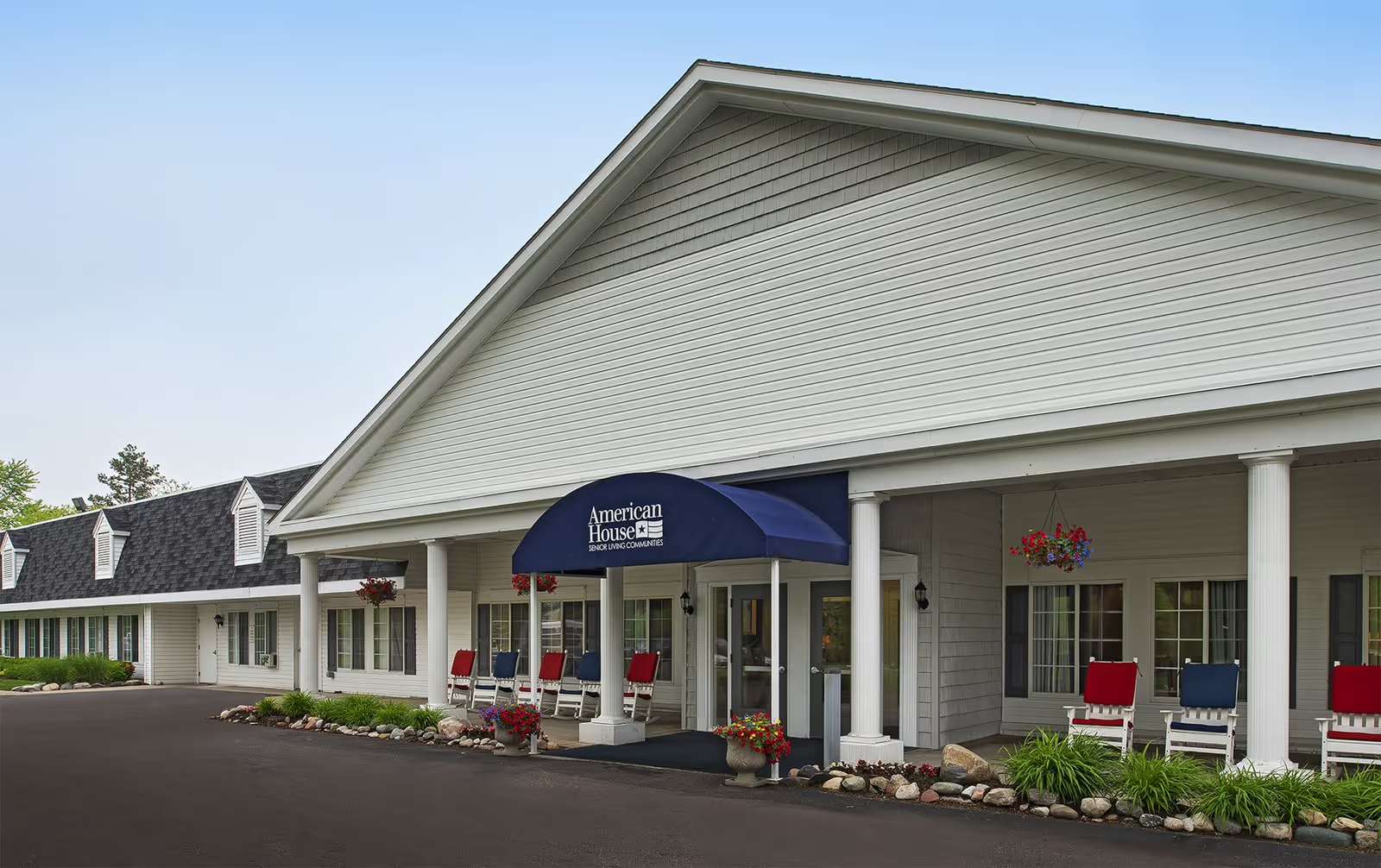
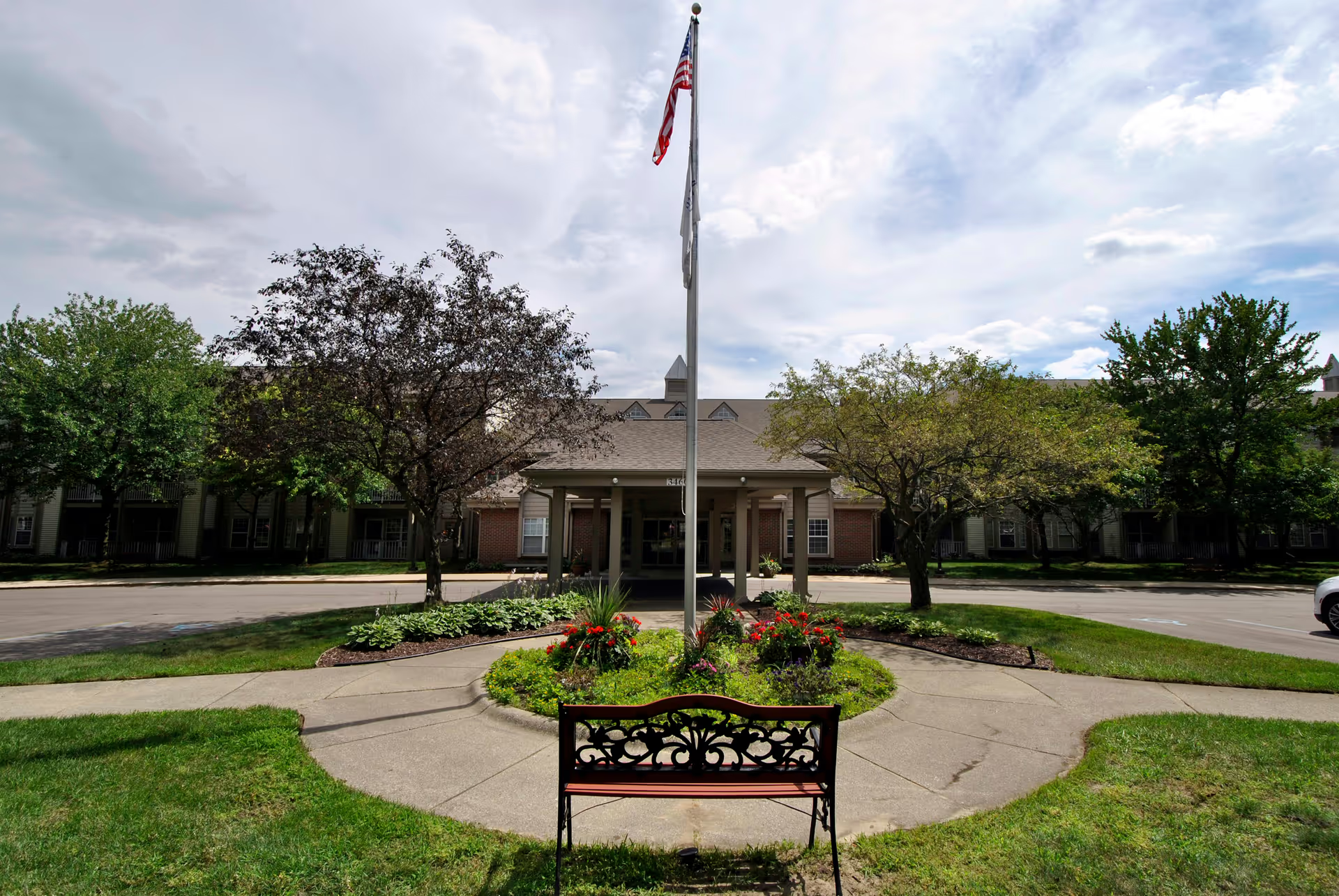
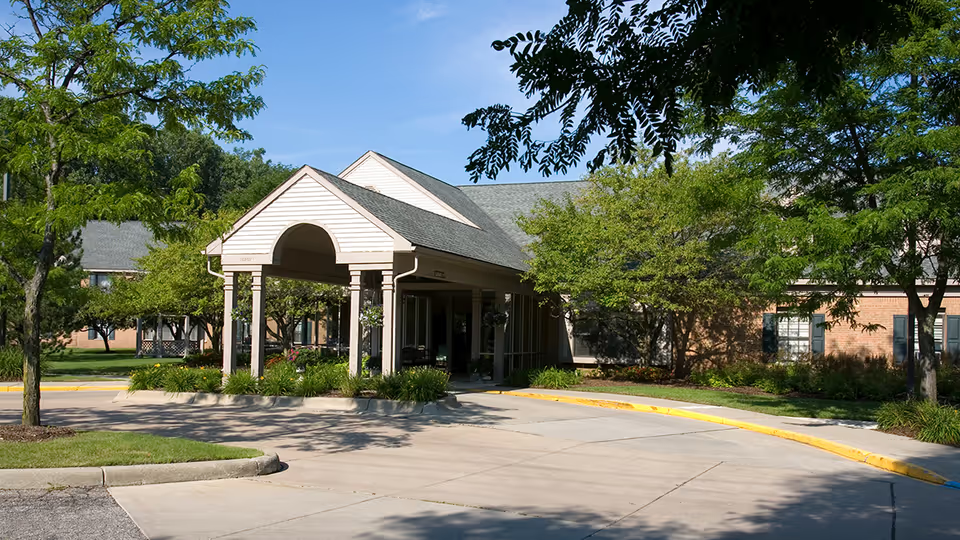
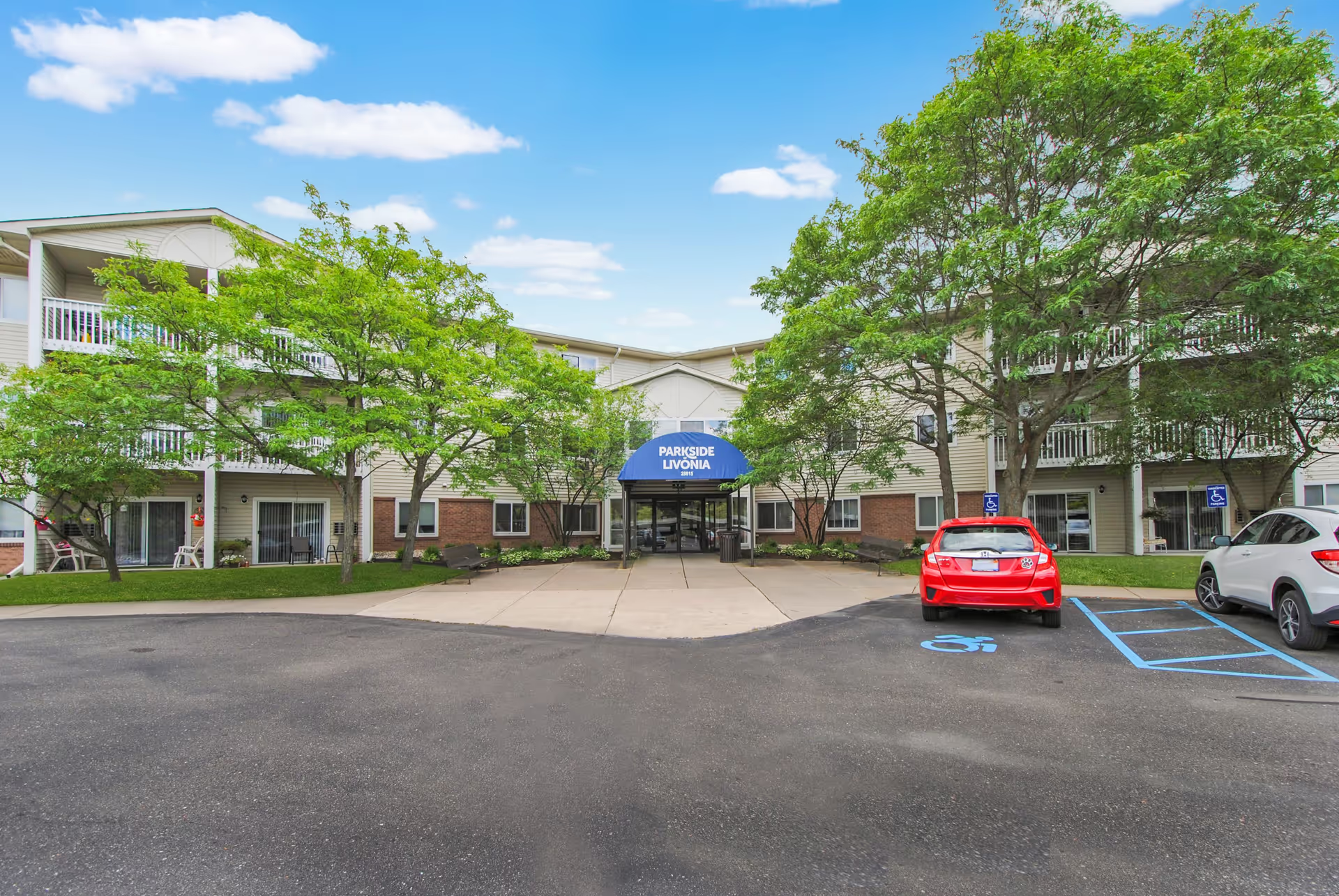
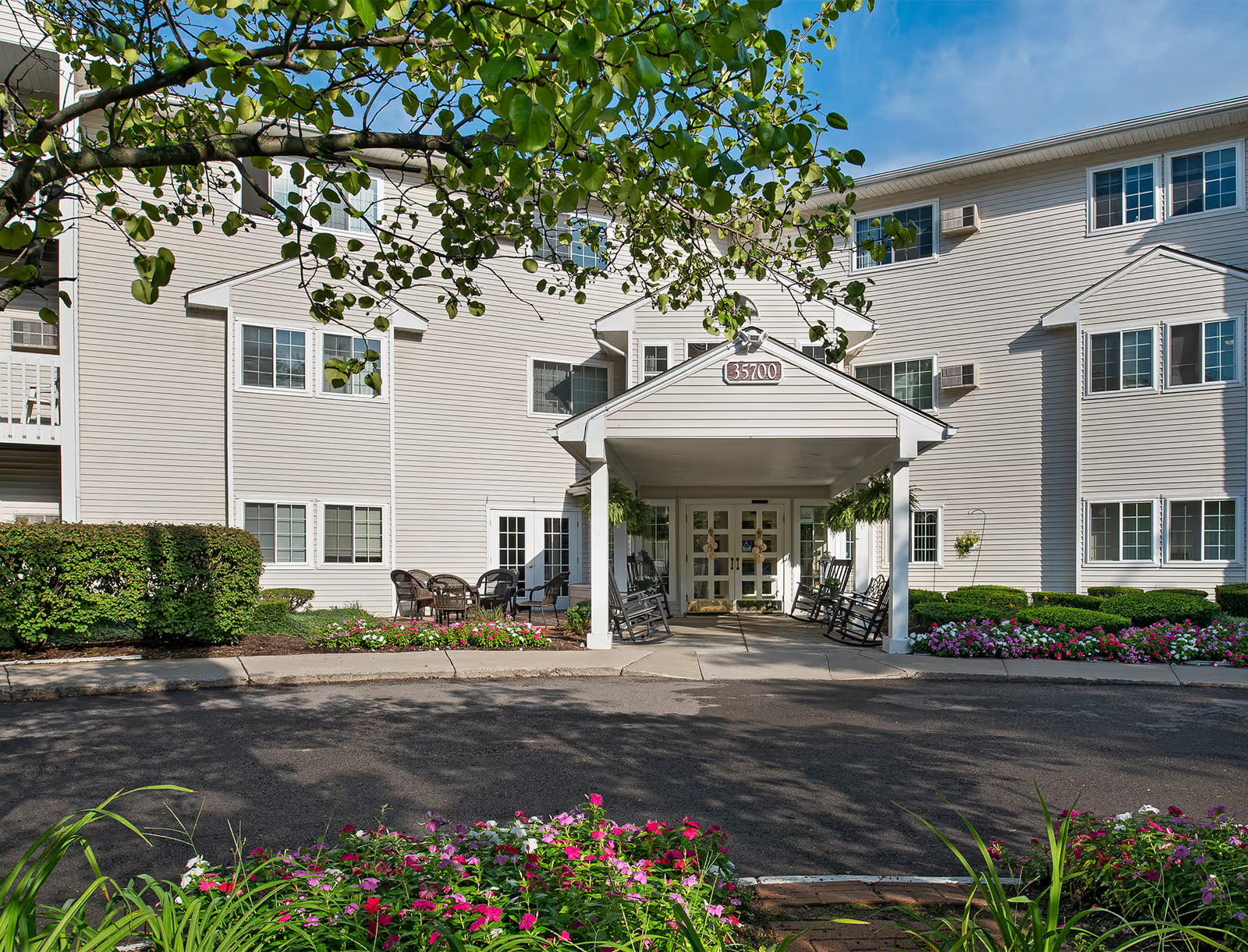
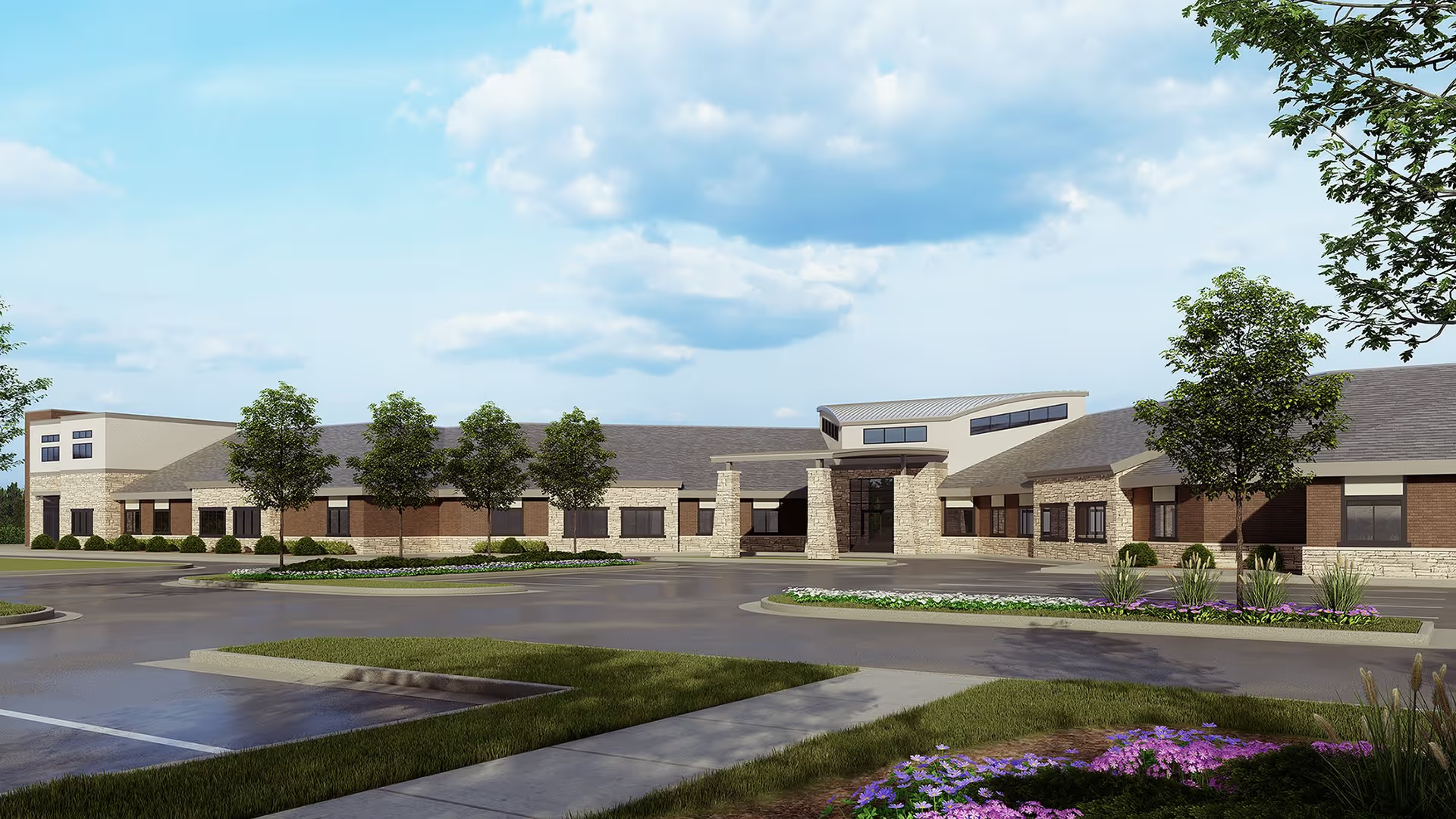
Facility condition and amenities are generally described positively in many comments—clean, bright rooms, an inviting lobby, and active housekeeping are noted—yet other reviewers raised sanitation and pest-control concerns in specific areas and inconsistent cleanliness or laundry handling in isolated cases. Family communication and administrative responsiveness are another notable pattern: several families commend specific administrators and admissions staff for clear, helpful communication, while others report difficulties reaching social work or leadership, miscommunication around discharge and transport, and billing or contract-clarity problems.
Management and culture show divergence in perception. Positive reports highlight engaged administrators, proactive admissions staff, and hands-on concierge service that provide reassurance to families. Conversely, critical reviews point to supervisory shortcomings, punitive staff-discipline practices that affect morale, and variable oversight—particularly overnight—that aligns with reported declines in responsiveness. There are also a small number of serious, individual allegations including misplaced belongings, alleged falsification of documentation, and concerns following adverse clinical events; these items are serious and suggest the need for clear incident review and transparent family communication.
In summary, prospective residents and families are likely to encounter excellent rehabilitation services and caring individual staff, especially during daytime shifts, balanced against operational inconsistencies in staffing, night coverage, medication and documentation practices, meal service, and communication. Visiting in person, asking specific questions about staffing ratios for the intended unit and shift, clarifying contract and billing terms, and requesting examples of recent quality-improvement actions or incident-response protocols can help families assess whether the facility’s strengths align with their clinical and safety priorities.