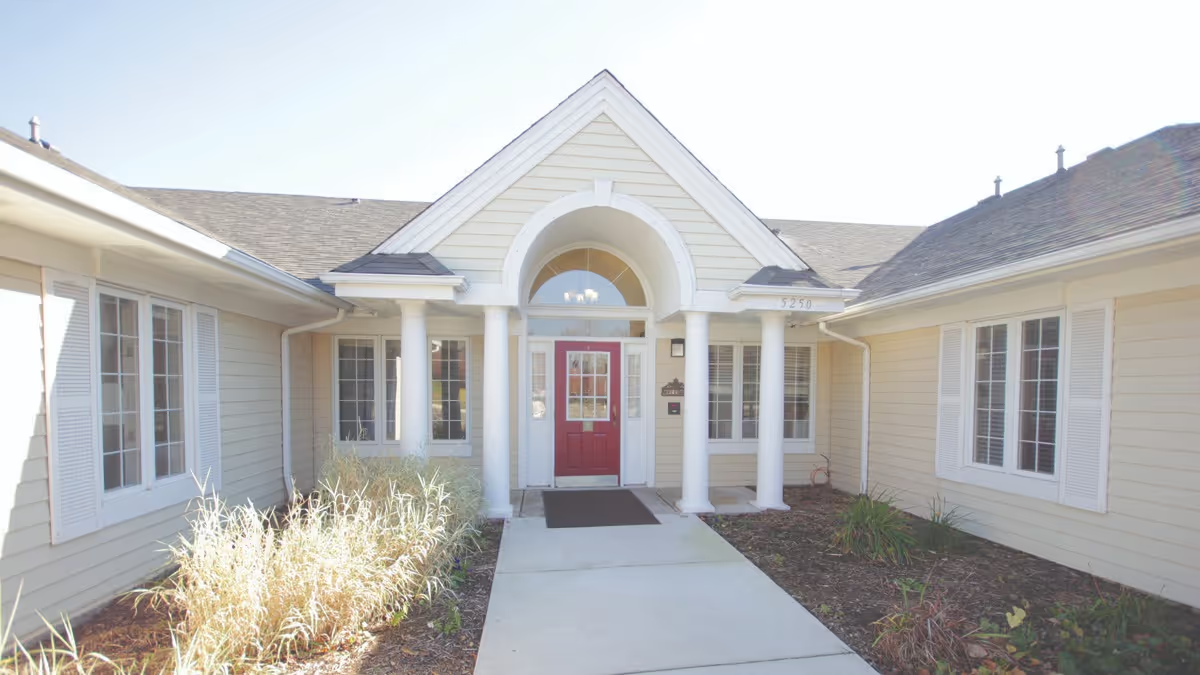
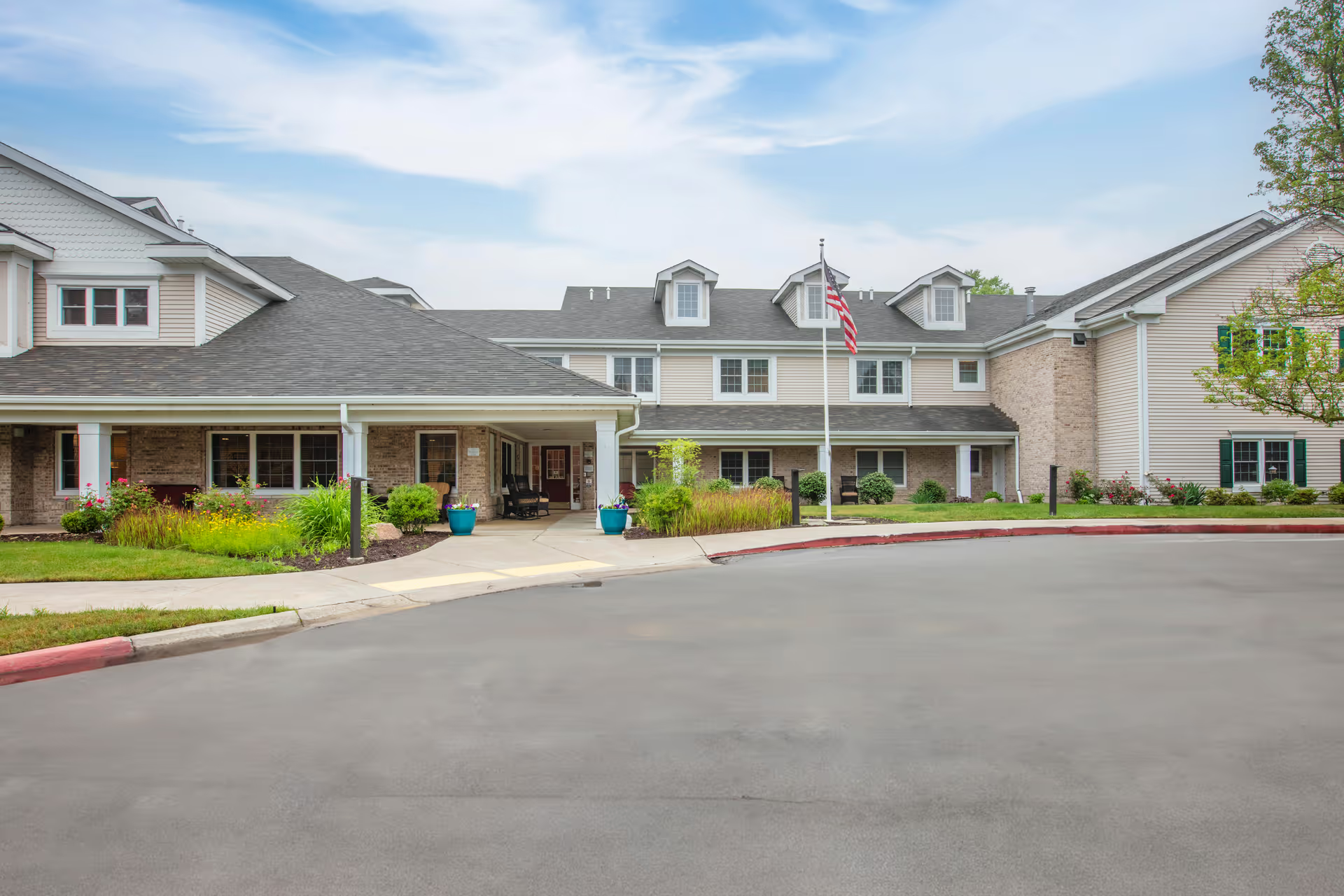
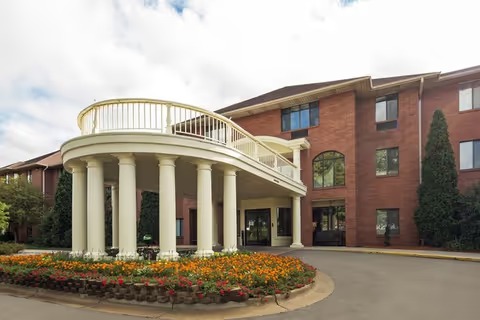
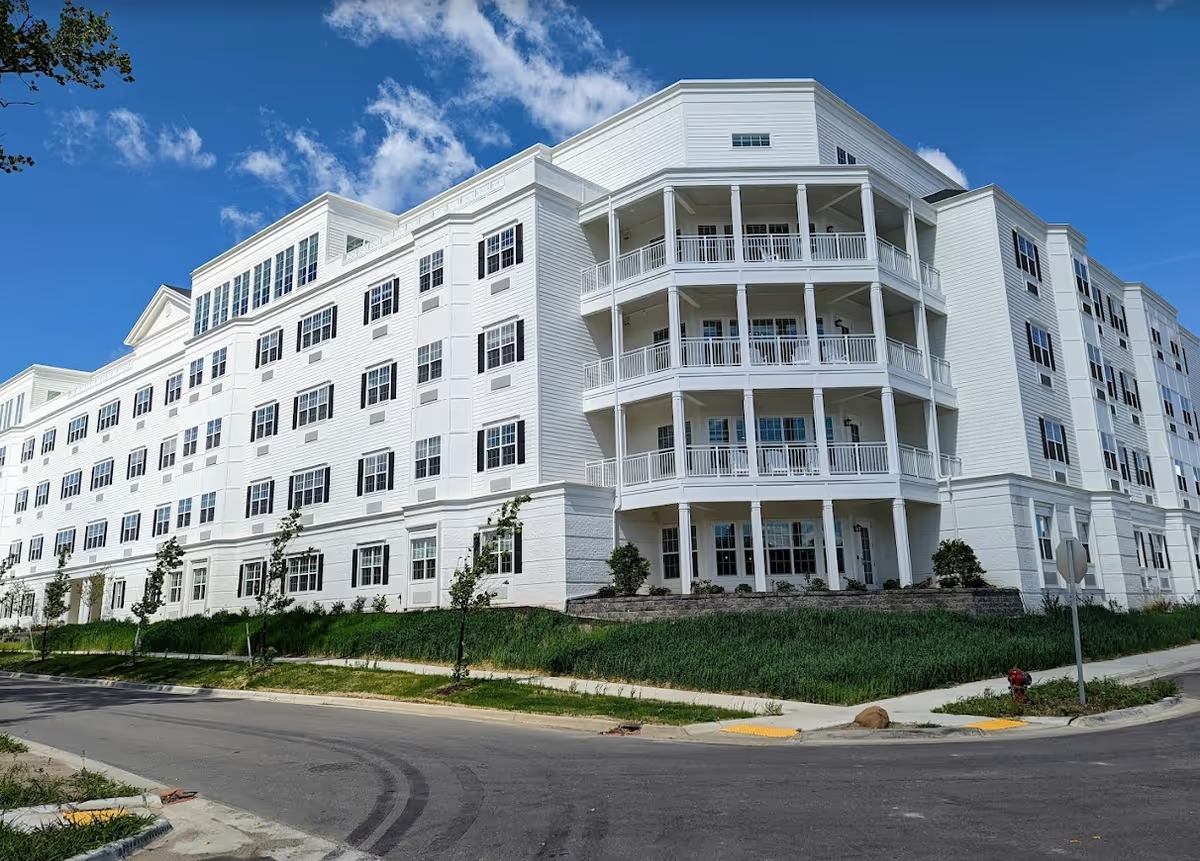
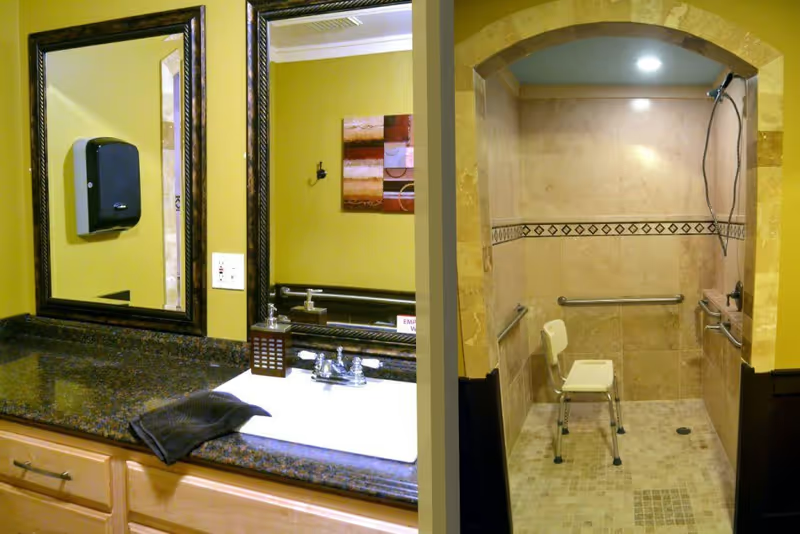
Burcham Hills presents as a large, well-resourced senior living campus with many institutional strengths alongside variable operational performance. The facility is widely praised for its attractive, well-maintained buildings and grounds, newer independent-living apartments, and multiple communal and dining spaces. Reviewers consistently highlight a robust rehabilitation program with effective physical, occupational, and speech therapy; many accounts describe measurable functional improvement and supportive therapy staff. The campus model—offering independent living through skilled nursing in one location—is a clear advantage for residents who value continuity of care.
Staff quality is a noted strength in many accounts: caregivers, therapists, and admitting/concierge teams are frequently described as compassionate, familiar with residents, and attentive. Several reviewers cited strong case management and social-work engagement, 24/7 clinical presence, and proactive infection-control leadership. The life-enrichment team and activity calendar are substantial, with music, fitness classes, cultural outings, pet visits, and volunteer partnerships contributing to an active social environment and meaningful engagement for residents.
Dining receives largely positive feedback for variety, presentation, and the ability to accommodate special diets; restaurant-style service and multiple dining venues are commonly appreciated. Facilities-related amenities—gardens, courtyards, fitness spaces, and salon services—add to a non-institutional atmosphere that residents and families often describe as “home-like.” On-site transportation for appointments, concierge/admissions support, and visible community partnerships (for example with local students and cultural organizations) are additional operational strengths.
At the same time, a pattern of operational weaknesses emerges across reviews. Staffing levels and staff mix are inconsistent: some units and shifts are described as well staffed and highly competent, while others face shortages and reliance on temporary staff. That variability is linked to delayed responses to call lights and resident requests, uneven medication scheduling, and inconsistent follow-through on discharge tasks (equipment delivery, medication reconciliation, and timely communication). Reviewers also raised concerns about incontinence-care delays and wound-care management lapses in particular instances, indicating gaps in basic clinical follow-up on some shifts.
Communication and management responsiveness are another area of divergence. Many families praise transparent, proactive leadership—especially around infection control—while others describe slow or unsatisfactory grievance handling, billing discrepancies, and poor follow-through on promises made at admission or discharge. Maintenance and infrastructure issues (for example prolonged elevator outages) and occasional inconsistencies in dining service speed or meal quality further illustrate operational areas that can affect daily resident experience.
In summary, Burcham Hills offers a high-quality physical environment, a strong therapy program, an expansive activity program, and many staff who provide compassionate, personalized care. Prospective residents and families should weigh these strengths against documented operational variability: examine staffing patterns on the specific unit and shift of interest, ask for written discharge/medication coordination plans, and clarify billing and grievance procedures before moving in. Those who prioritize rehabilitation, campus continuity of care, and an active social program are likely to find Burcham Hills a good fit; those whose primary concern is consistently high staffing ratios and absolute uniformity of service quality should seek specific assurances during tours and contract discussions.