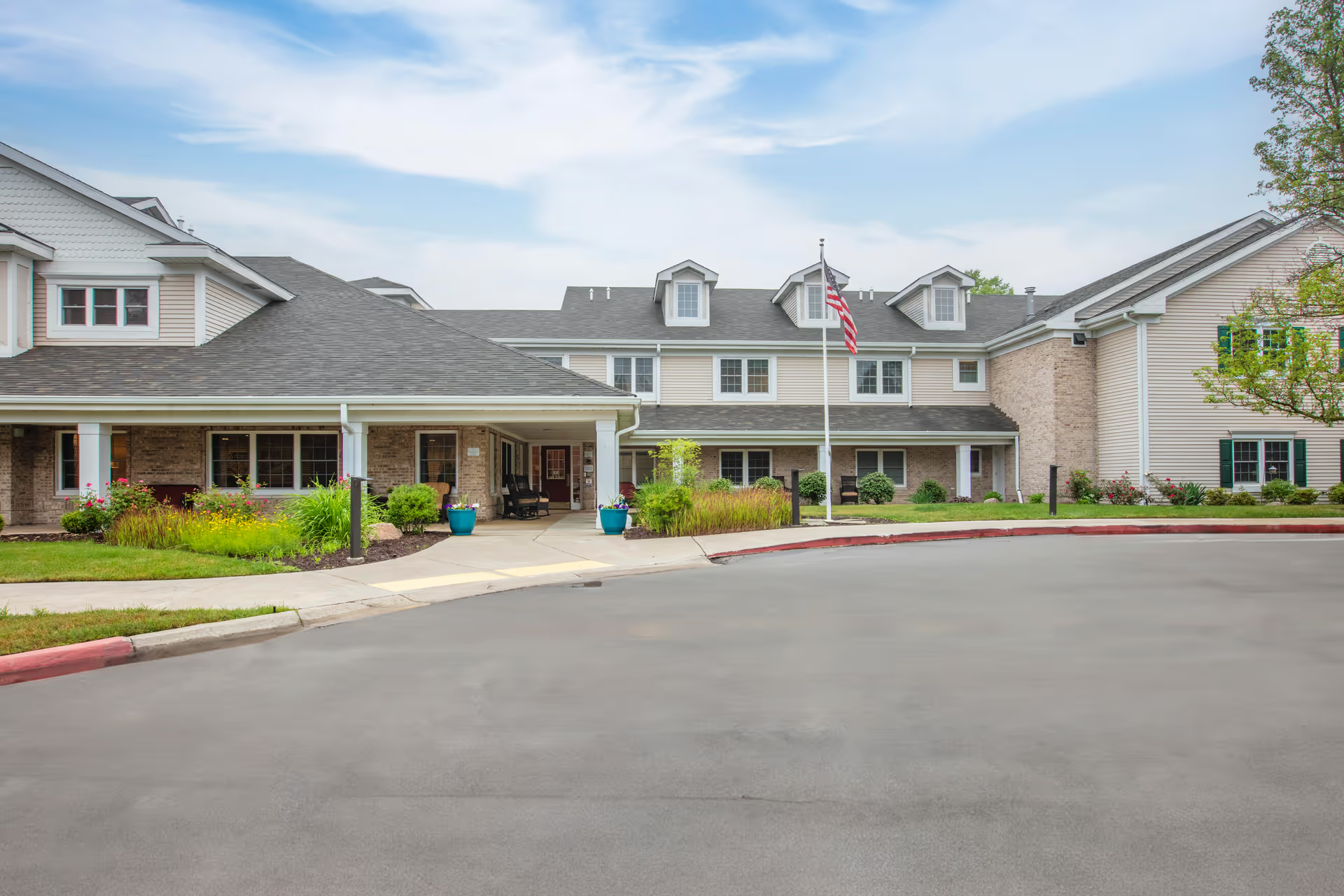
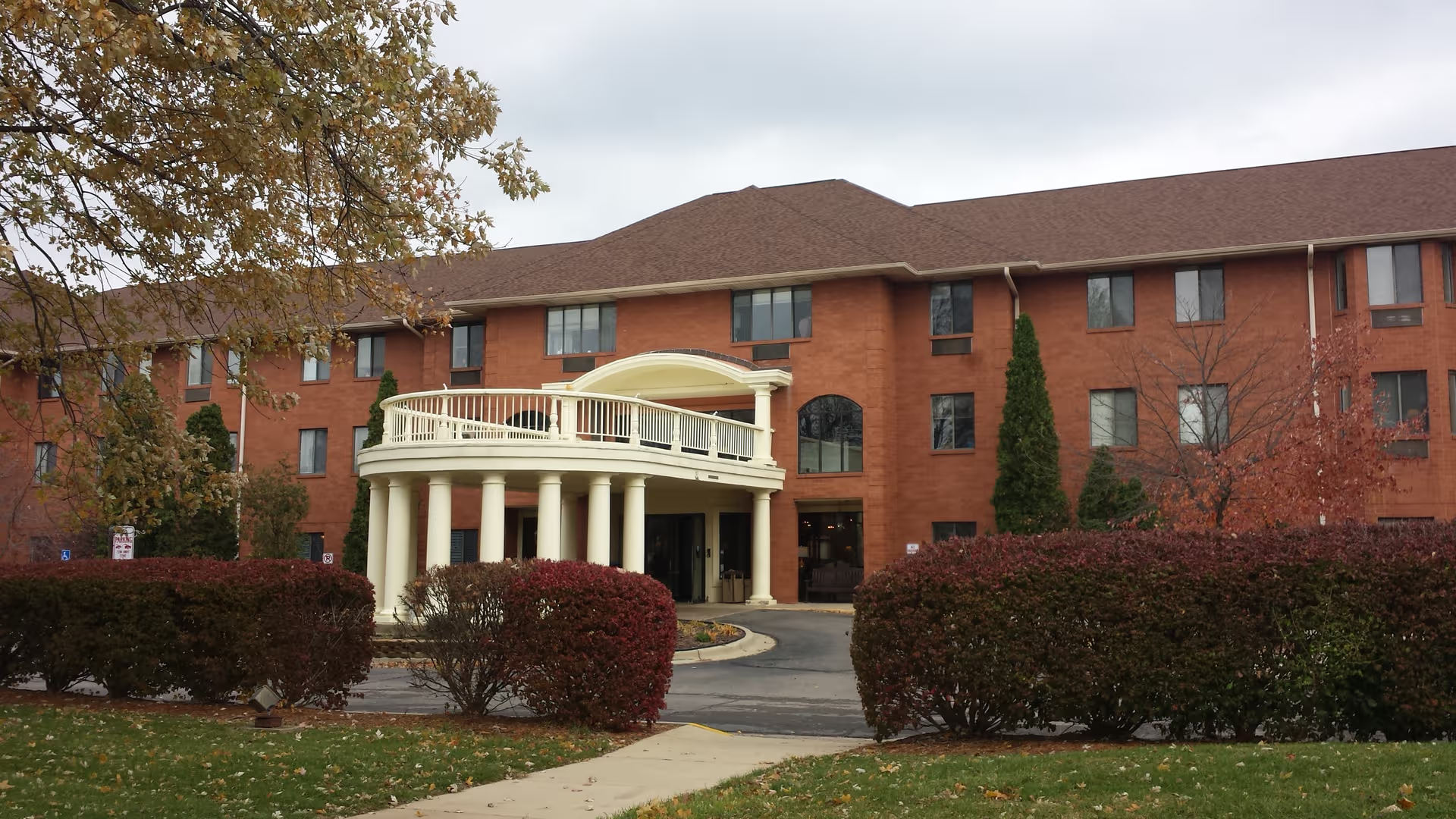
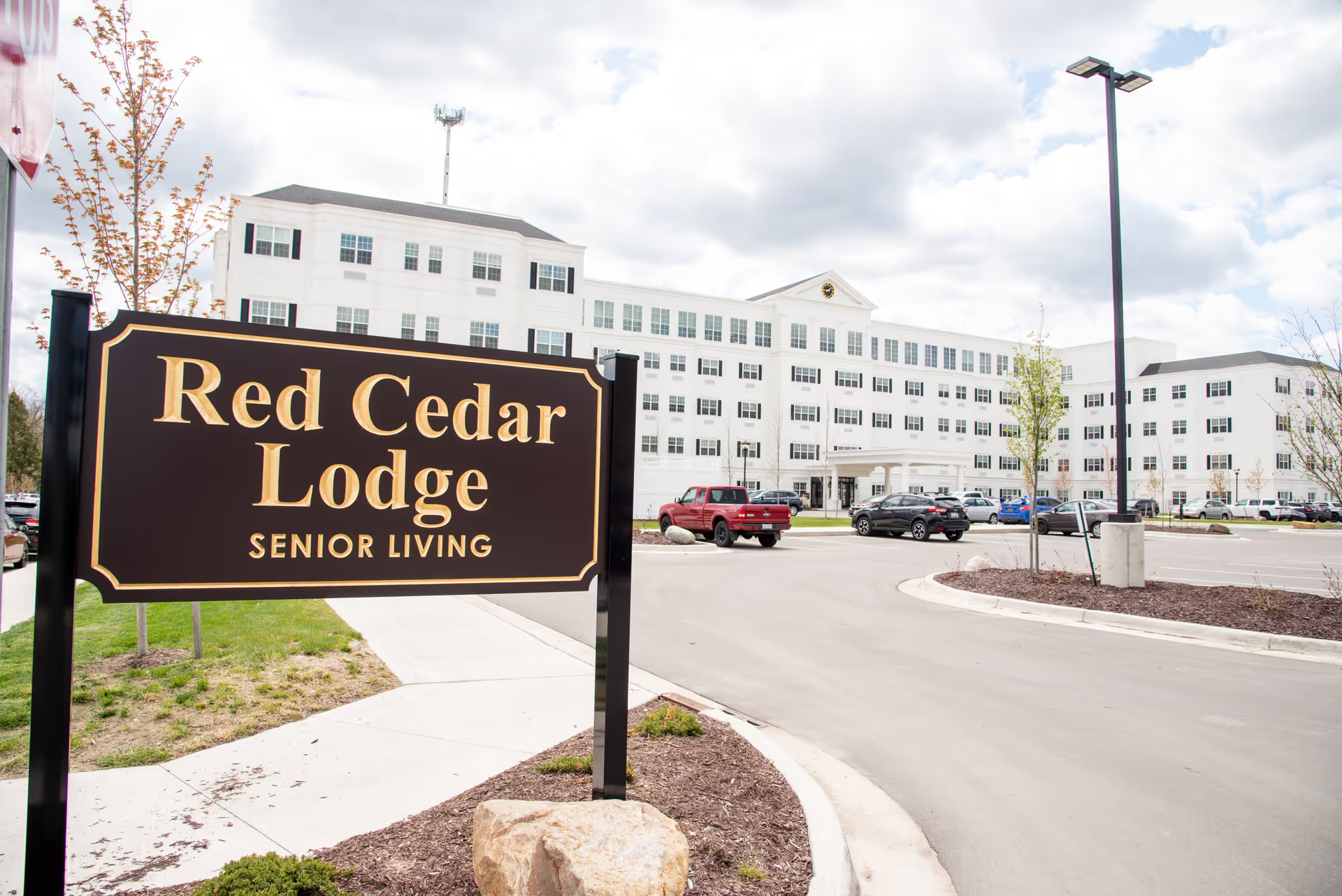
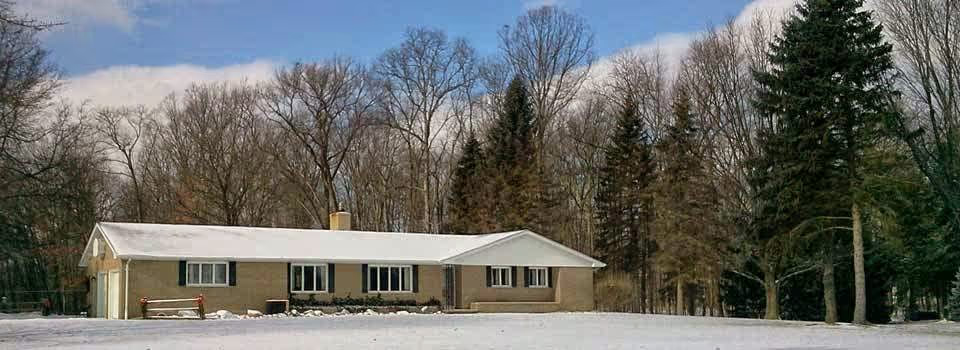
Overall impression StoryPoint East Lansing presents as a community with many of the physical and programmatic attributes families look for in an independent or assisted-living setting: restaurant-style dining, varied apartment sizes with patios or balconies, well-kept grounds with garden space and woodland views, and a wide range of common areas (library, theater, game rooms). Many reviewers praised on-site caregiving capacity and the ability to access higher levels of care without relocating. The facility's amenity set and outdoor spaces create a generally pleasant, social environment for residents.
Care and staff Strengths most frequently described relate to direct-care staff and front-line personnel. Numerous comments characterize staff as caring, attentive, and accommodating; sales and move-in staff frequently received positive mentions for assisting families. On-site managers and caregiving teams are often cited as reassuring and responsive, and many residents or families report regular wellness check-ins, use of personal alert devices, and helpfulness with daily needs. However, there are consistent concerns about staffing levels and turnover. Reviewers indicate that shortages affect housekeeping, activity coverage, and some clinical supports; staffing disruptions also coincide with variability in service consistency.
Dining and activities Dining is a mixed area. The facility provides restaurant-style meals, rotating menus, and visible efforts to offer fresh fruit, snacks, and homemade dessert options; some reviewers described the executive chef and dining staff positively. At the same time, food quality and variety are uneven across accounts—complaints include repetitive menus, overuse of certain entrees, and intermittent poor meal temperature or preparation. Activity programming is robust on many floors, with an engaged activity director, frequent events, bus outings, music nights, and puzzle/social spaces; nonetheless, reviewers also note gaps in weekend coverage and cancellations when staffing is constrained.
Facilities and operations Physically, the property is frequently described as attractive, with many renovated common areas and clean, bright apartments. Laundry facilities, prompt maintenance in many cases, and on-site therapy services are operational strengths. Conversely, some reviewers describe deferred maintenance, worn interior finishes in specific areas, and inconsistent maintenance follow-through. Apartment kitchens are sometimes small and lack full cooking appliances, which affects self-catering capability for residents who value in-unit meal preparation. Internet speed and parking availability are additional operational pain points for some families.
Management, communication, and value A clear pattern in the feedback concerns management stability and communication. Multiple comments reference leadership change, inconsistent follow-through on promised services (for example, cleaning schedules and move-in coordination), and poor family notification around clinical incidents. These issues have produced significant family frustration in certain cases, including concerns following serious health events. Financially, reviewers cite rent increases and third-party care costs that can reduce perceived value; some families expressed that the level of service did not always align with price. This combination of management turnover, communication gaps, and cost sensitivity is the most significant recurring concern that prospective residents and families should evaluate.
Bottom line and considerations for families If you prioritize a scenic, amenity-rich community with active programming and staff who generally provide compassionate day-to-day care, this facility demonstrates many of those strengths. If continuity of management, consistent housekeeping/cleaning practices, predictable meal quality, and tightly coordinated family communication are primary concerns, the mixed feedback suggests you should verify current staffing levels, review written service commitments, and ask for recent examples of incident notification and follow-through. A tour that includes conversations with clinical leadership, activity staff, and a recent resident/family reference will help determine whether operational improvements have addressed the variability described by others.