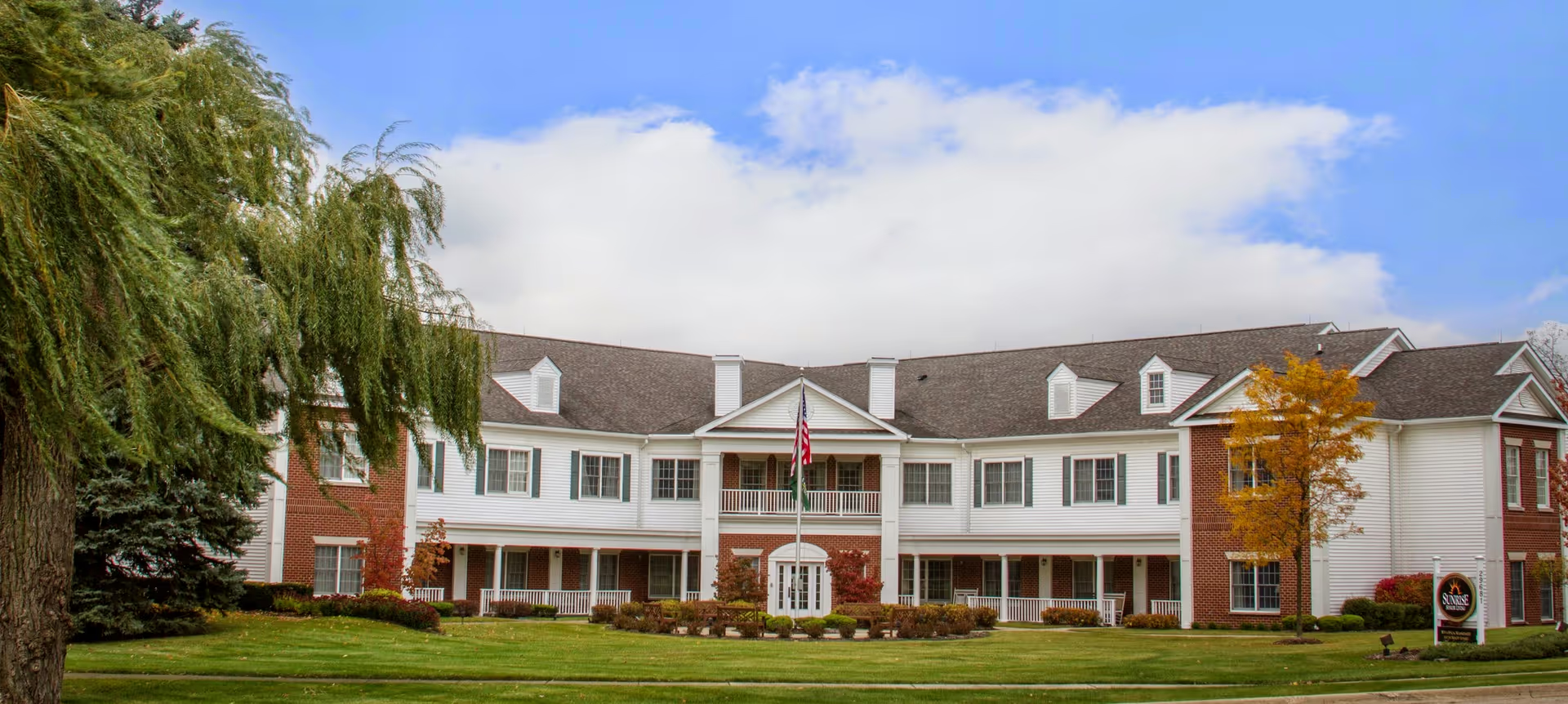
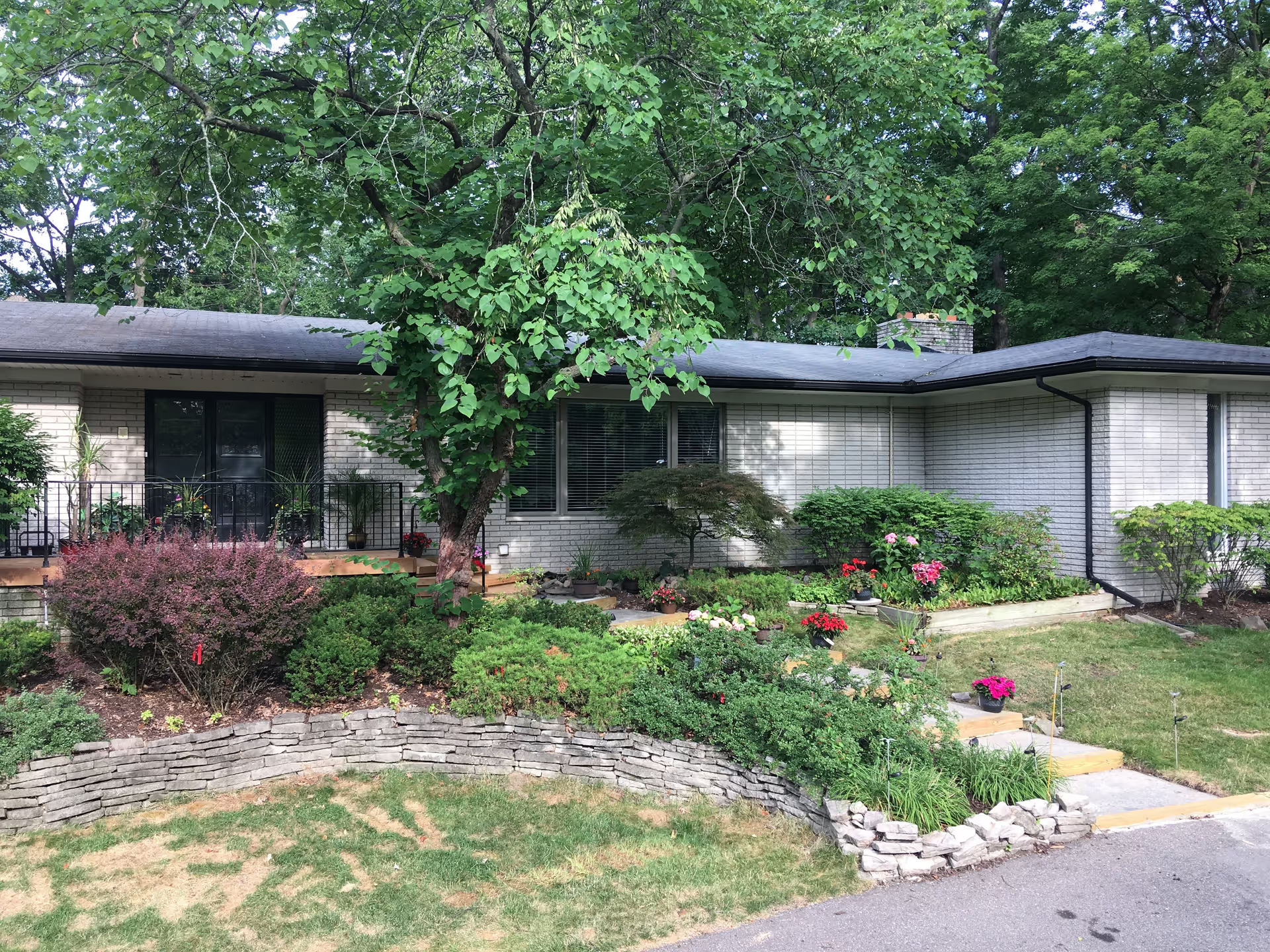
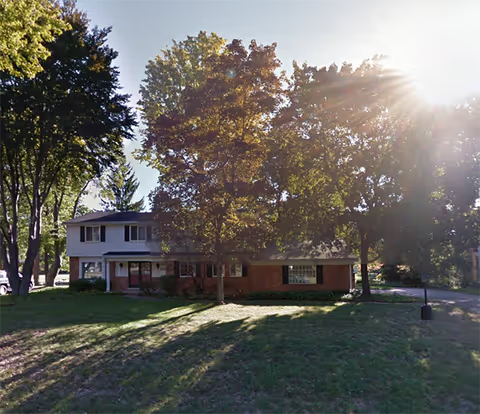
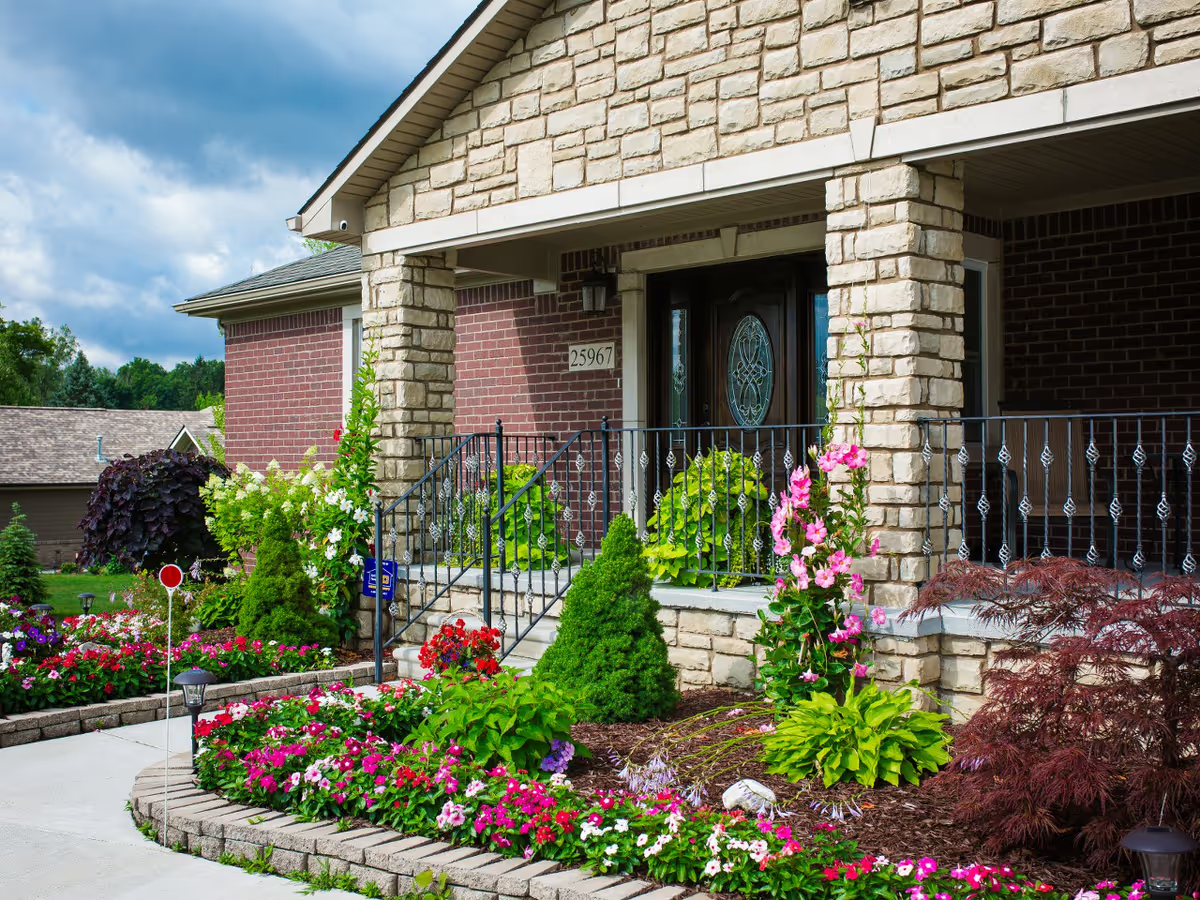
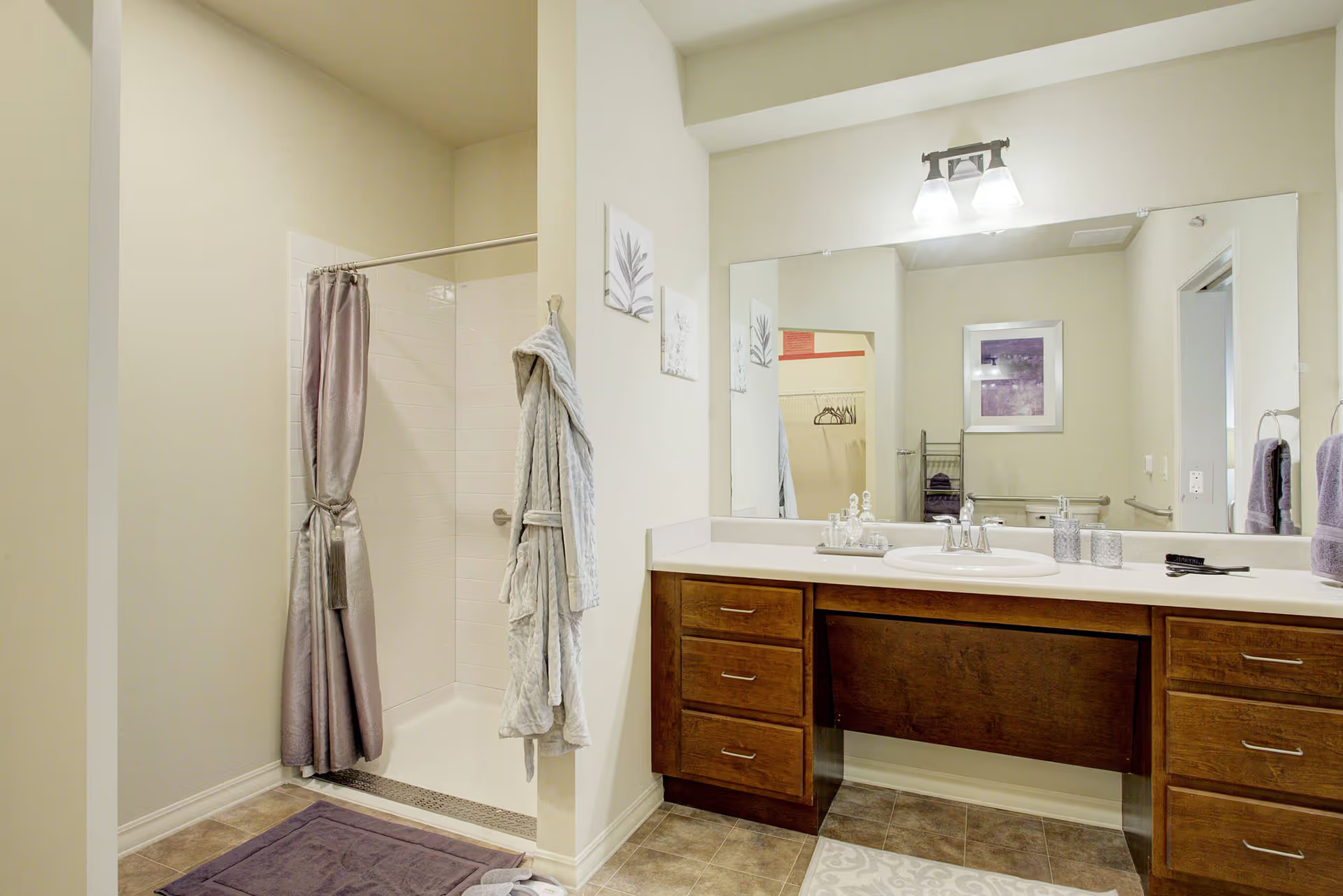
The Haworth Center on the Baptist Manor campus is consistently described as a small, campus-style, faith-based non-profit community that offers affordable, income-based housing options and a range of supportive services. Strengths highlighted across feedback include an attractive 35-acre setting with landscaped grounds, accessible apartments that residents may personalize, on-site medical and nursing presence, and a predictable meal program with three daily meals and family dining options. Many families and residents emphasize a warm, community atmosphere, frequent outings and activities, and staff who are compassionate and willing to go beyond basic duties.
Care quality and staffing perceptions are mixed. Numerous accounts praise individual caregivers, an activities coordinator, and nursing availability, but other comments point to variation in caregiver skill and clinical expertise. There are recurrent operational weaknesses tied to consistency: laundry and personal-item handling, episodic delays in clinical follow-up and communication about services or consent, and uneven responsiveness from management. These patterns suggest that while day-to-day caregiving can be very good, the facility may struggle with reliability in certain support processes and supervisory follow-through.
Dining and activities are frequently cited as a positive aspect of resident life. The community offers buffet-style or plated meals, social dining in a communal setting, outings, bingo, and organized events; several reviewers indicated improved appetite and social engagement after moving in. That said, meal satisfaction is not uniform—some residents note small portion sizes or variability in food preferences. Activity programming appears strong when led by dedicated coordinators, but other accounts describe limited socialization or reduced activity engagement for portions of the population, indicating inconsistency in offering or participation.
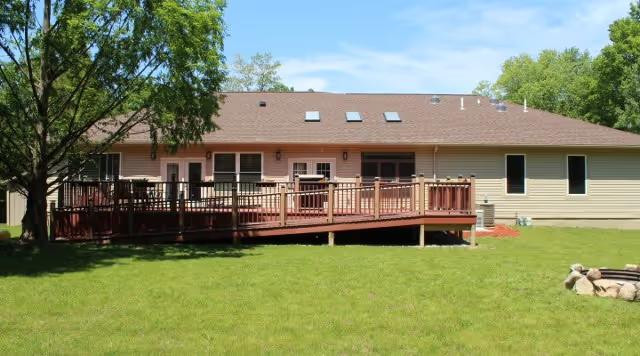
Facilities and accommodations present a mixture of advantages and limitations. The campus and common areas are often described as attractive and homey, with amenities like a library and salon, but individual apartment units are sometimes characterized as small, with outdated finishes in certain wings and a need for renovation or plumbing updates. Accessibility features and direct exterior access to some units are positives, yet the overall physical plant includes older spaces that may not meet expectations for larger living areas or higher-acuity needs.
Management and administrative issues are recurring themes. Concerns include unclear contract or billing practices (including charges that may continue during move-out or after a resident’s death), perceived aloofness or inconsistent responsiveness from directors, and isolated allegations about workplace and payroll management. Communication gaps around clinical decisions and consent have been mentioned as operational vulnerabilities. Prospective families should clarify contract terms, billing procedures, and escalation paths before admission.
Notable patterns for prospective residents and families: The Haworth Center appears well suited to independent or lightly assisted older adults who value affordability, a small-community environment, and access to on-site nursing and communal meals. It is less appropriate for individuals who require substantial hands-on care or specialized memory-care separation, given variability in caregiver skill and activity/socialization consistency. Before committing, families should ask targeted questions about laundry and personal-item procedures, staffing levels and training, dementia-care protocols, recent or planned renovations, and specific contract/billing clauses. Doing so will help align expectations with the community’s operational strengths and known areas of inconsistency.