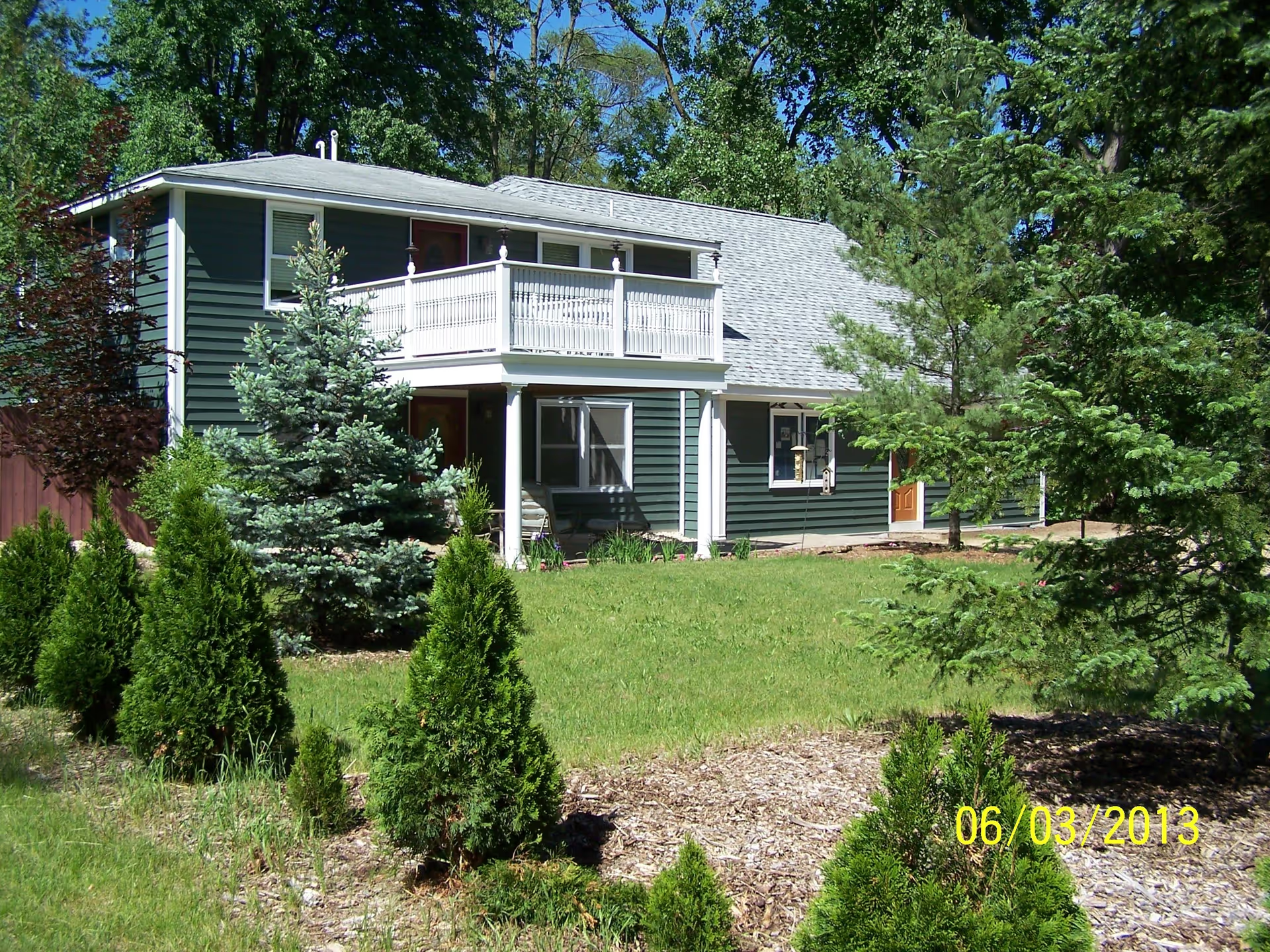
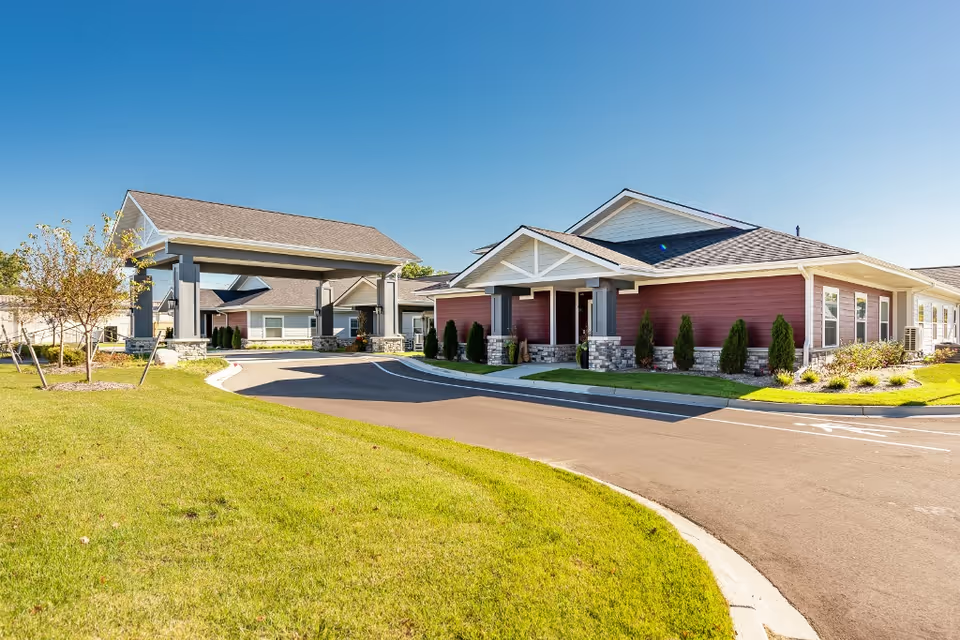
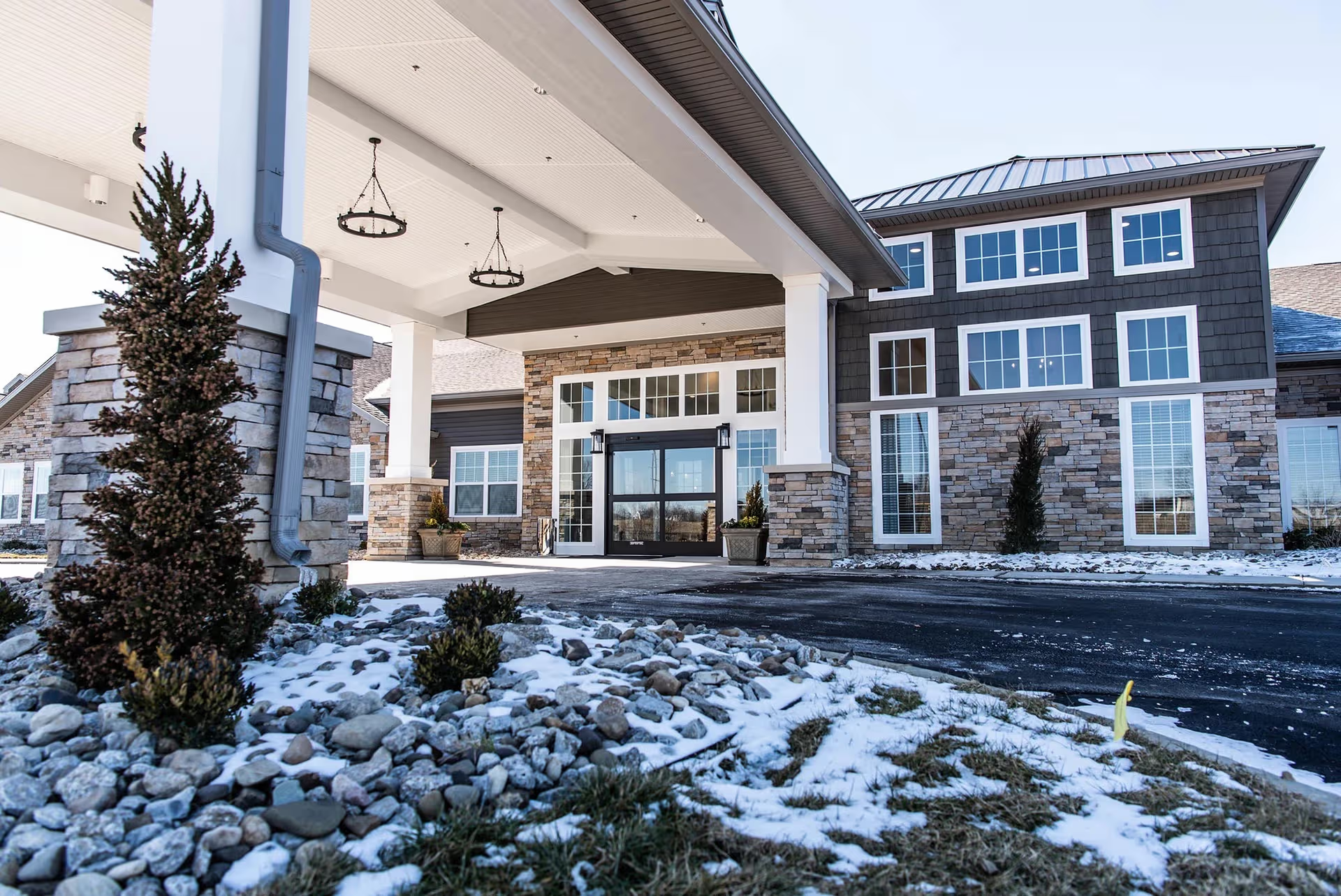
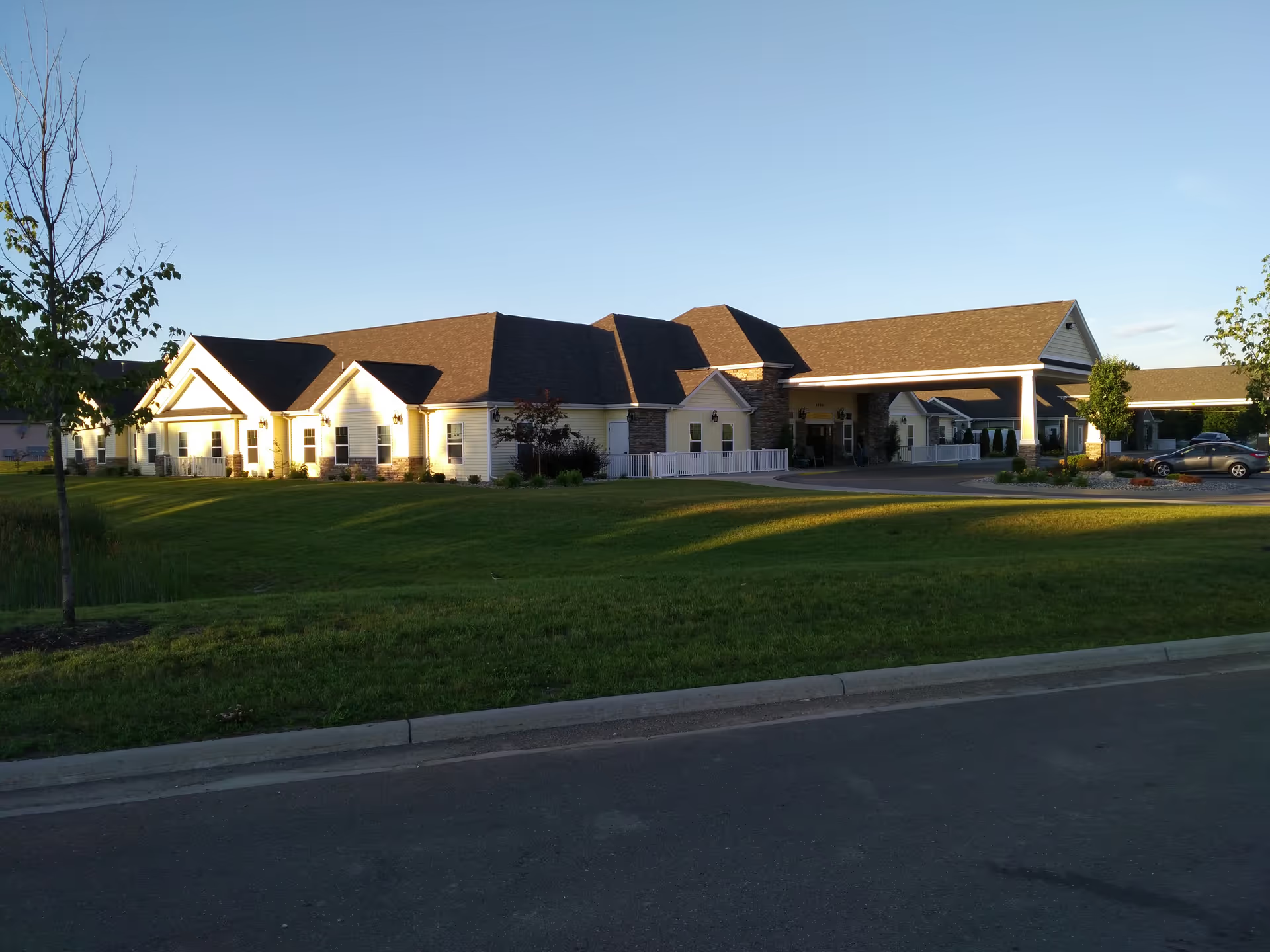
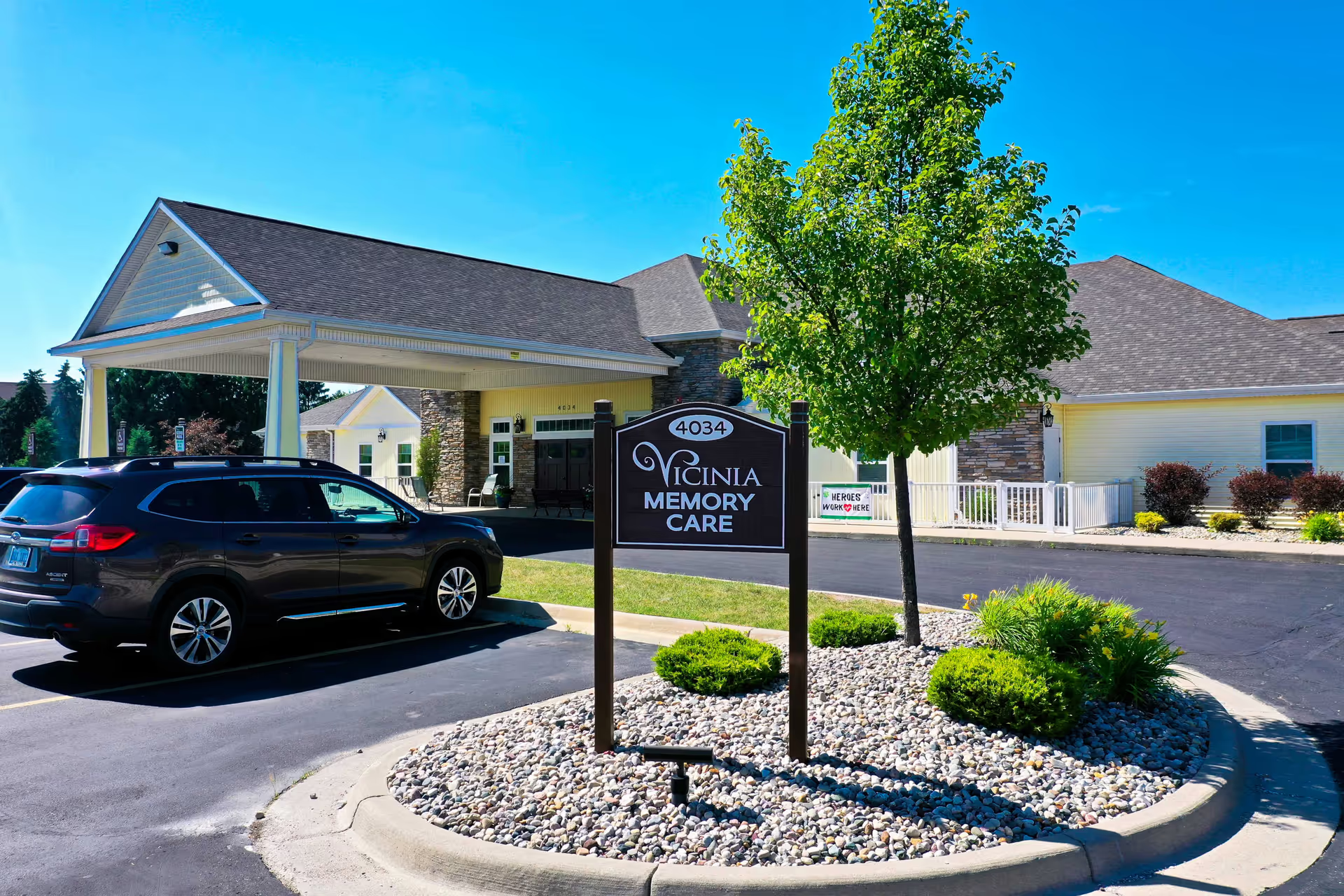
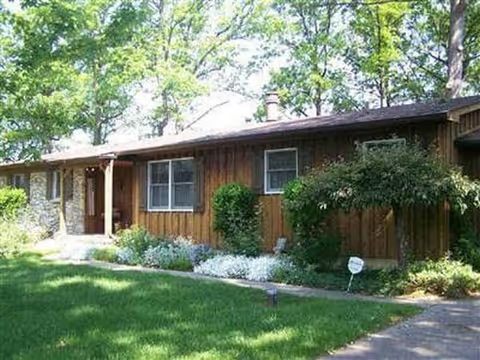
Courtyard Manor of Fenton is frequently described as a small, home-like assisted living/memory-care community with a strong emphasis on personalized, compassionate caregiving. Families and visitors commonly note clean, well-kept grounds and interiors, spacious private rooms, accessible outdoor areas, and a welcoming dining room connected to an on-site kitchen. The facility’s size (relatively low census) and 24-hour supervision are often seen as strengths that enable individualized attention and a close-knit atmosphere.
Staff performance is a prominent positive theme: reviewers characterize caregivers and nurses as attentive, affectionate, and willing to go above and beyond. Many families report improved resident engagement, mood, and activity participation after placement. At the same time, there are consequential operational concerns that prospective families should probe further. Several accounts raise questions about staffing stability, training consistency, and the facility’s handling of clinical incidents and staff-conduct issues. These accounts suggest the need to verify staff turnover rates, training programs, supervision practices, and incident-reporting procedures during a tour.
Dining and activities are generally regarded as strengths. The kitchen–dining connection and home-cooked meal offerings receive praise, and the activity schedule frequently includes memory-focused groups, exercise, games, and social events such as movie nights. Meal quality is described as good overall, though some reviewers note variability in consistency and satisfaction with specific menus. The activity program is credited with promoting engagement, but outdoor program space is limited in parts of the campus.
The physical environment is largely viewed positively — clean, bright, and well-decorated — but a subset of reviewers point to interior areas that would benefit from updating and to environmental-control issues (notably insufficient cooling in warmer weather). Daytime noise in the central dining/TV room is another recurring operational caveat for residents sensitive to auditory stimulation.
Given the mix of strong caregiver praise and serious operational concerns, prospective residents and families should conduct an in-person visit, ask detailed questions about staffing ratios and turnover, audit sanitation and incontinence-care protocols, review training and supervision practices for memory-care staff, and request documentation of incident-response procedures. For families weighing higher-acuity memory-care needs, confirm the facility’s specific capabilities and recent outcomes. Overall, Courtyard Manor of Fenton appears to offer a warm, community-oriented environment with many families reporting positive outcomes, while also exhibiting a few operational areas that merit careful due diligence prior to placement.