The reviews present a highly polarized view of care at this facility, with substantive praise for individual staff and therapy teams alongside persistent operational concerns. Many families and former residents highlight genuinely positive experiences: nurses and CNAs who are described as compassionate and attentive, therapy teams that produced measurable functional gains, and admissions and social-work personnel who facilitated smooth transitions. That positive cohort describes residents regaining mobility, improved mood, personalized nutrition plans, and staff who regularly go above and beyond to support family involvement.
Counterbalancing those endorsements are recurring system-level issues. Staffing consistency and coverage across shifts are frequent themes; inadequate staffing appears linked to delays in assistance, prolonged toileting and dressing waits, missed medication opportunities, and gaps in weekend or after-hours therapy. Several reviews suggest weaknesses in medication-management controls and in the timeliness of clinical response, which families identify as major contributors to safety risk and stress.
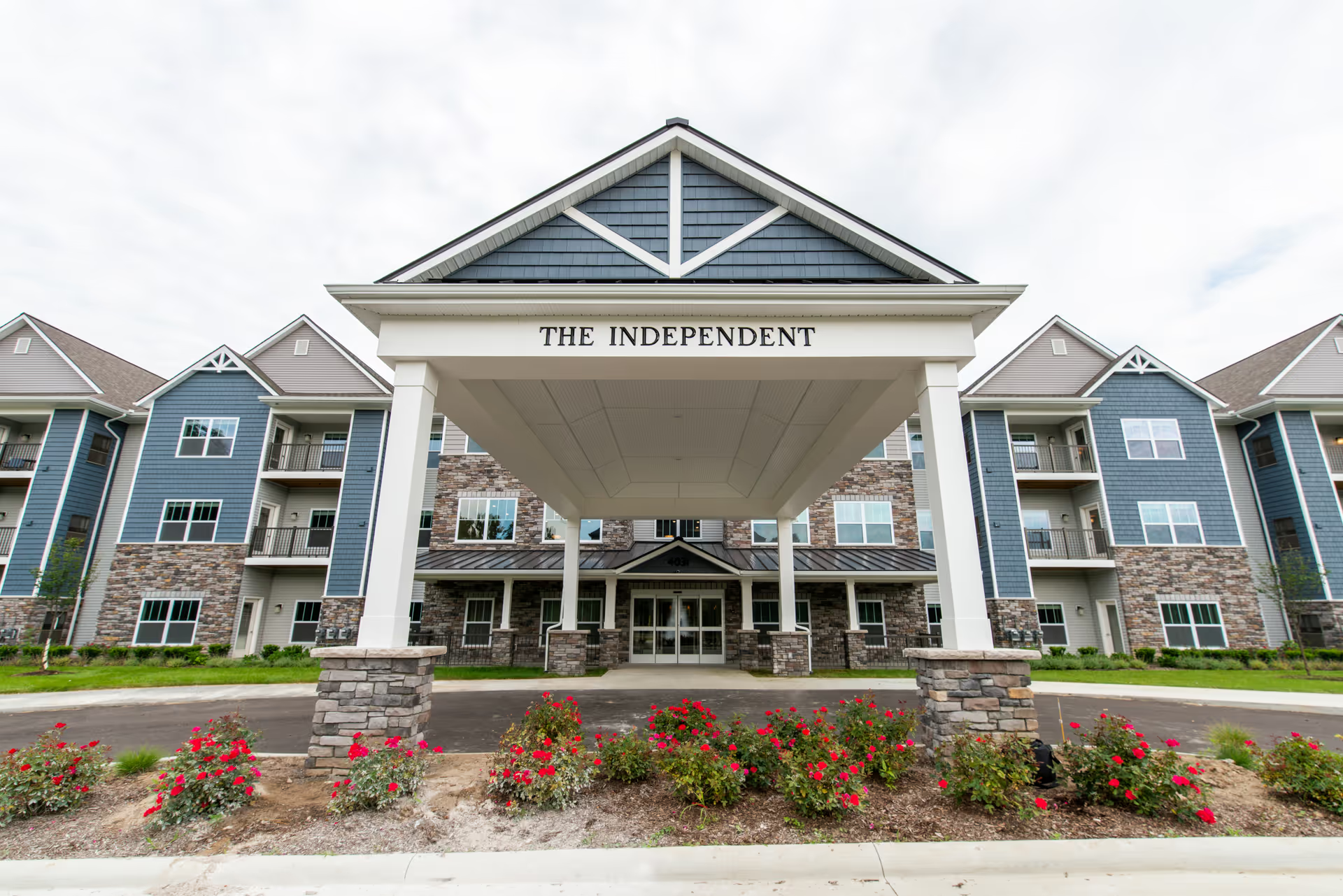
Facilities and environmental maintenance are another area of concern. The building is characterized as aged and in need of upkeep: worn furniture and beds, crowded multi-bed rooms with shared bathrooms, and general maintenance shortfalls. Sanitation and odor concerns in common areas and units are reported, and there are episodic problems with laundry and personal-property accountability. These environmental issues amplify privacy and dignity concerns associated with shared rooms and limited space.
Dining and enrichment services elicit mixed feedback. Some families praise individualized meal planning and enjoyable menu items, while others cite inconsistent food quality, late or cold service, and limited menu choices. Activity programs range from engaging life-enrichment offerings like bingo and trivia to comments that some activities feel elementary or insufficiently individualized. Therapy availability is generally regarded as a strength when present, but several reviews note variability in therapy intensity and gaps in weekend coverage.
Communication and management responsiveness are uneven. Positive accounts describe clear, organized intake processes and staff who maintain open lines across departments. Negative accounts focus on delayed or inadequate family notification after clinical changes, defensive or dismissive responses from administration, and unanswered calls to leadership. A subset of reviews reference serious adverse events and concerns following a resident's death; those items reflect points of significant family distress and have prompted formal complaints in some cases.
In summary, prospective residents and families should expect that experiences at this facility can vary considerably by unit, shift, and individual staff. Strengths include committed caregivers, effective rehabilitation for many patients, and supportive administrative staff in some departments. Operational weaknesses to weigh in decision-making include inconsistent staffing and clinical responsiveness, facility-maintenance and sanitation issues, shared-room accommodations that limit privacy, and variability in dining and therapy consistency. Visiting the unit at different times, reviewing staffing patterns, clarifying medication and incident-notification procedures, and confirming room/amenity assignments will help families assess whether this facility’s strengths align with their care priorities.