Posey's Senior Care Homes present as a small, house-like residential option with a strong emphasis on individualized, family-style care. Across many accounts, families praised continuous, compassionate attention from a stable core of long-term employees and identified the owner/administrator and named caregivers as central to the positive experience. The provider is frequently described as offering 24/7 care, warm end-of-life and hospice coordination, and an environment where residents receive personal attention and dignity.
Staff performance is the most consistently highlighted strength. Reviewers describe caregivers as attentive, experienced, and emotionally supportive; several cited successful transitions and ongoing relationships with specific staff members. Services such as medication management, access to podiatry, rehabilitative physical therapy, weekly hair and nail services, daily laundry, and assistance with financial eligibility were noted as contributors to resident comfort and family peace of mind.
Dining and activities are commonly referenced as part of the home atmosphere. Many families report home-cooked meals, occasional cultural menu accommodations, and regular social programming—bingo, crafts, holiday celebrations, birthday events, and small-group games. That said, meal quality appears variable across accounts: while numerous families praise the food, a countervailing pattern describes inconsistent dining satisfaction. Activity schedules were also disrupted at times (for example during infection-control periods), which some families found limiting.
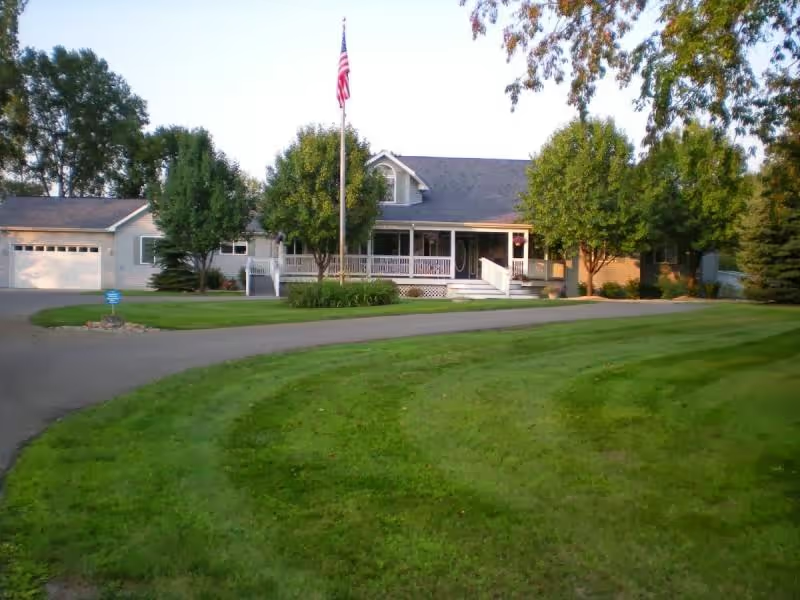
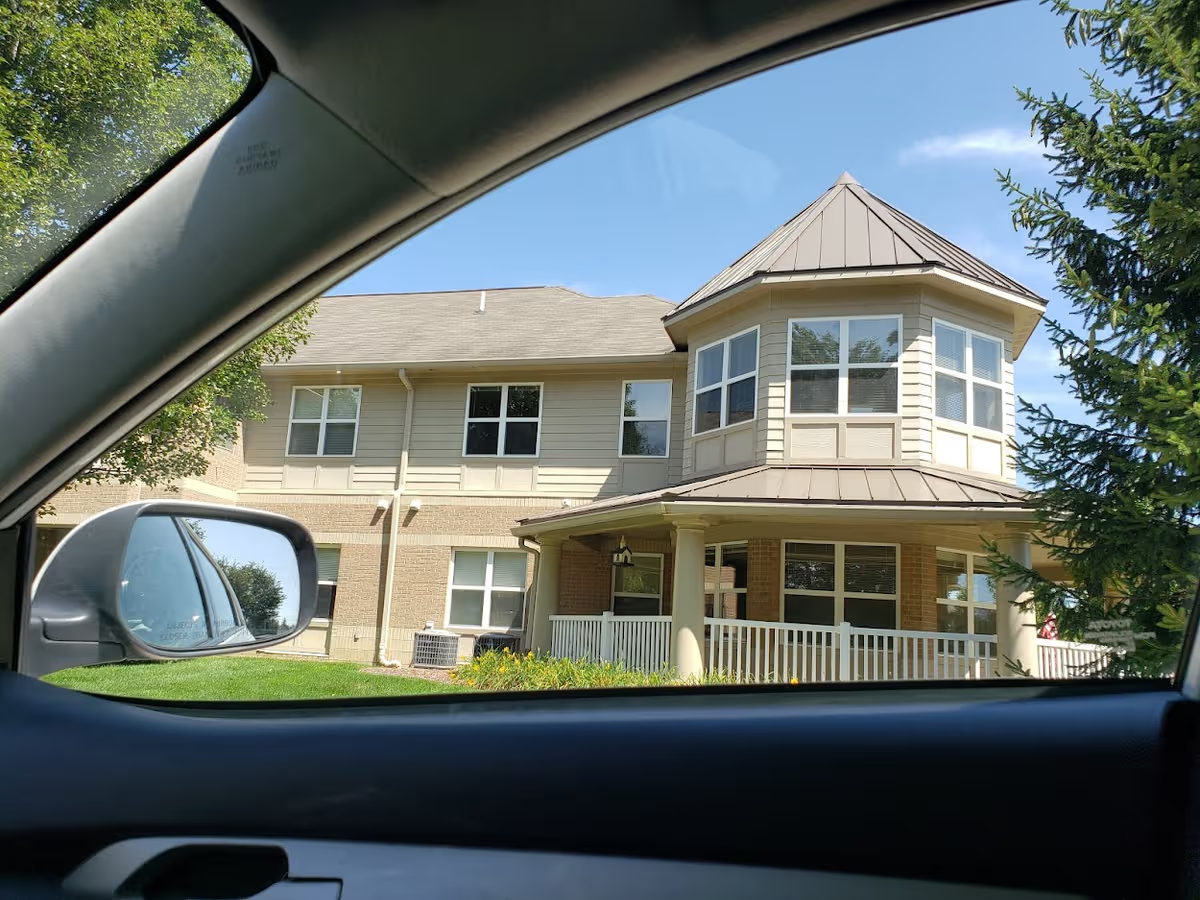
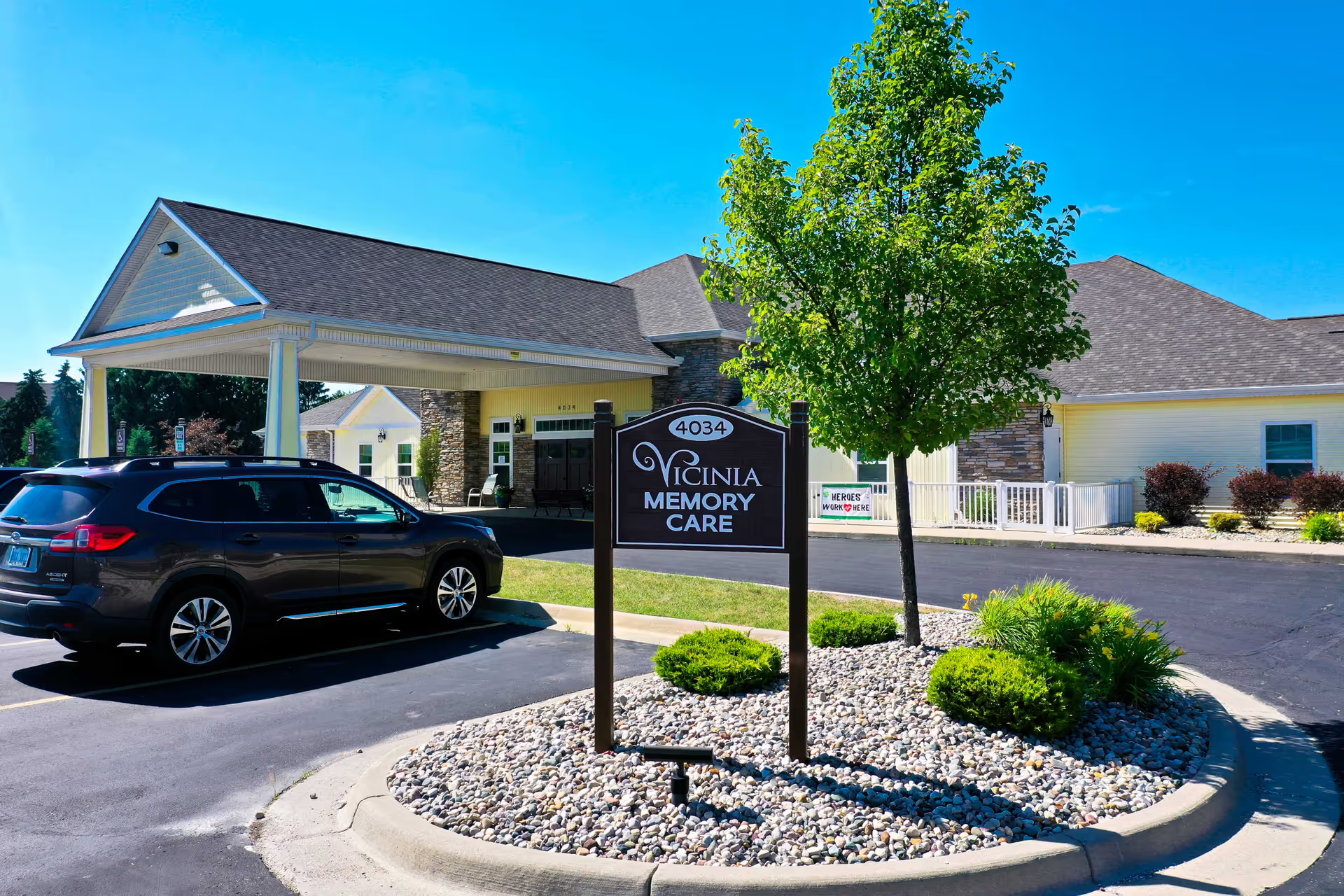
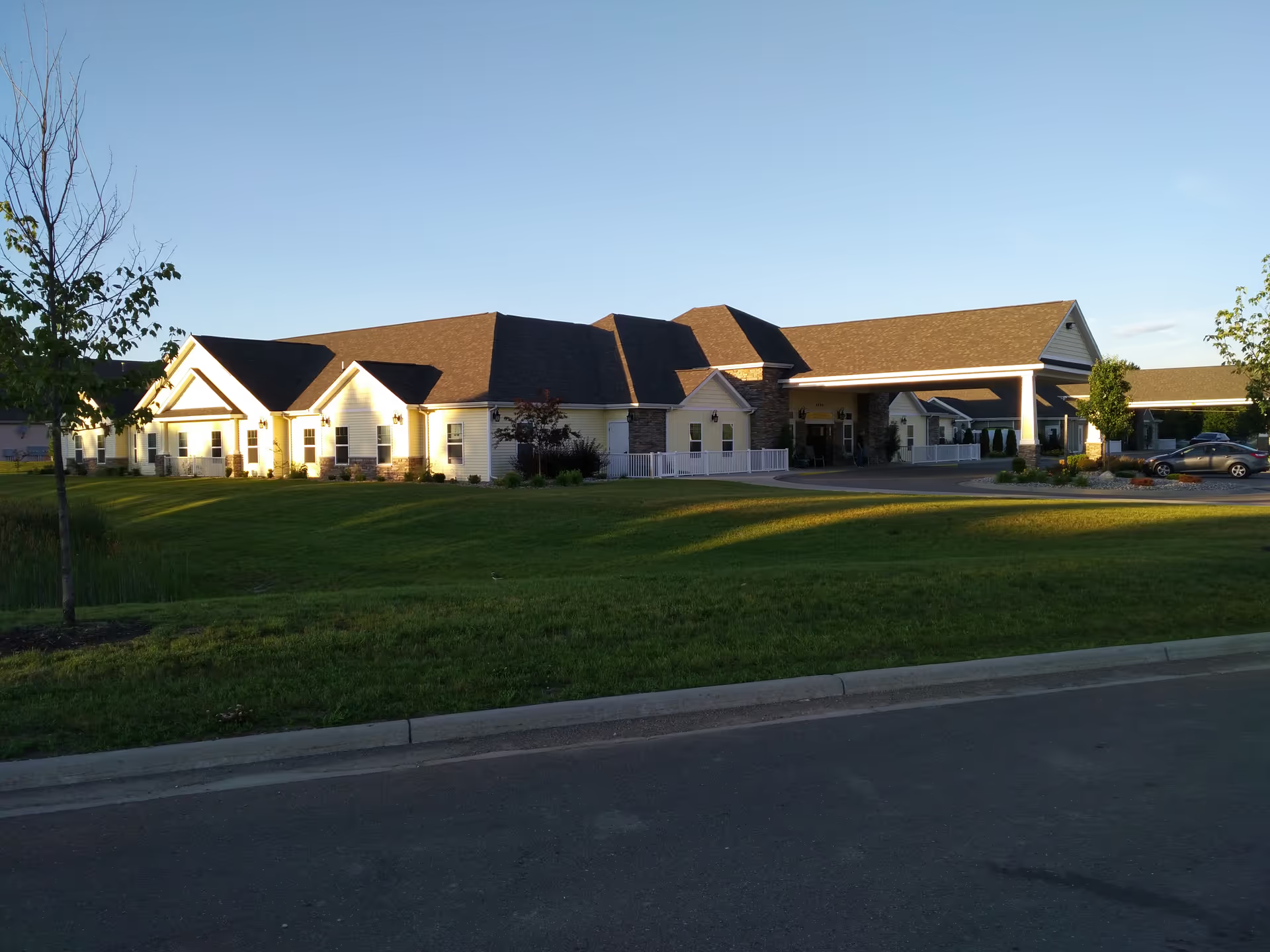
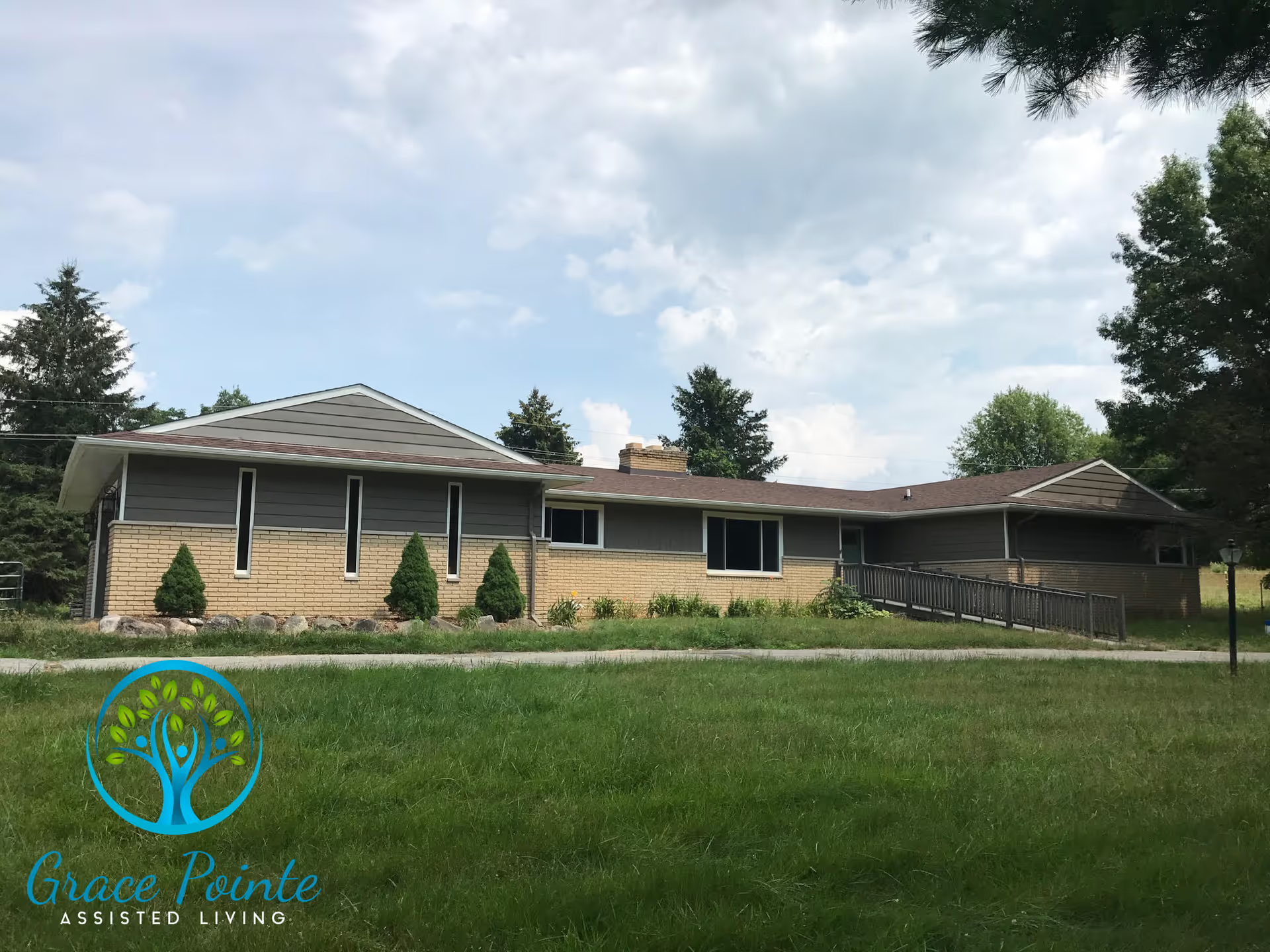
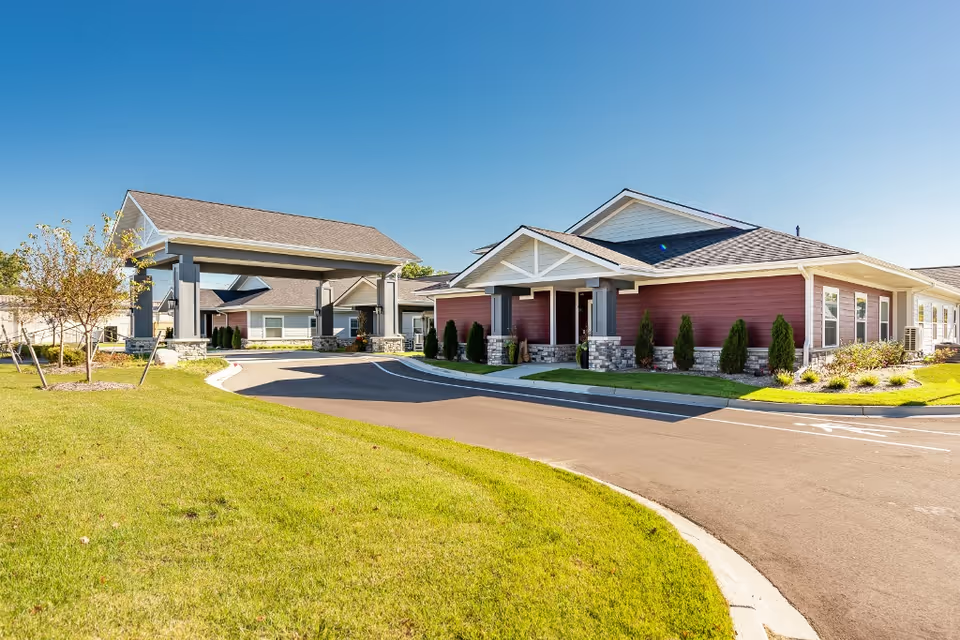
Facilities are described as small, private, and domestic rather than institutional: private rooms (some with in-room toilets and balconies), porch seating, and well-maintained outdoor spaces including a garden and gazebo with lake views. Cleanliness and a lack of pervasive odors are frequently cited as positives. However, there are recurring operational sanitation concerns related to room turnover and cleaning processes between residents that merit clarification during tour and intake discussions.
Operational and management issues surfaced in several reviews and warrant careful consideration. Key concerns include intermittent understaffing or caregiver-to-resident ratios that may leave coverage thin on certain shifts; gaps in employee screening and background-check practices; questions about the facility’s licensing status or regulatory compliance; and isolated but serious allegations regarding contracts, refunds, and financial administration. Additionally, a few comments raised issues about staff conduct or responsiveness in particular situations. The term "allegations" is used here because some financial and contract concerns describe escalated disputes rather than routine billing questions.
For prospective residents and families: the prevailing pattern is of a small, attentive, homelike provider with many satisfied families and strong interpersonal care. At the same time, the operational patterns listed above are recurrent enough to justify direct verification. Recommended due diligence includes asking for current licensing documentation, written staffing ratios and schedules, background-check policy and proof, room-cleaning/turnover protocols, sample menus, written contract and refund policies, and the facility’s process for handling complaints and clinical incidents. Observing a mealtime and meeting both administrative leadership and day-shift caregivers can help reconcile the positive caregiver reports with the operational concerns some families cited.