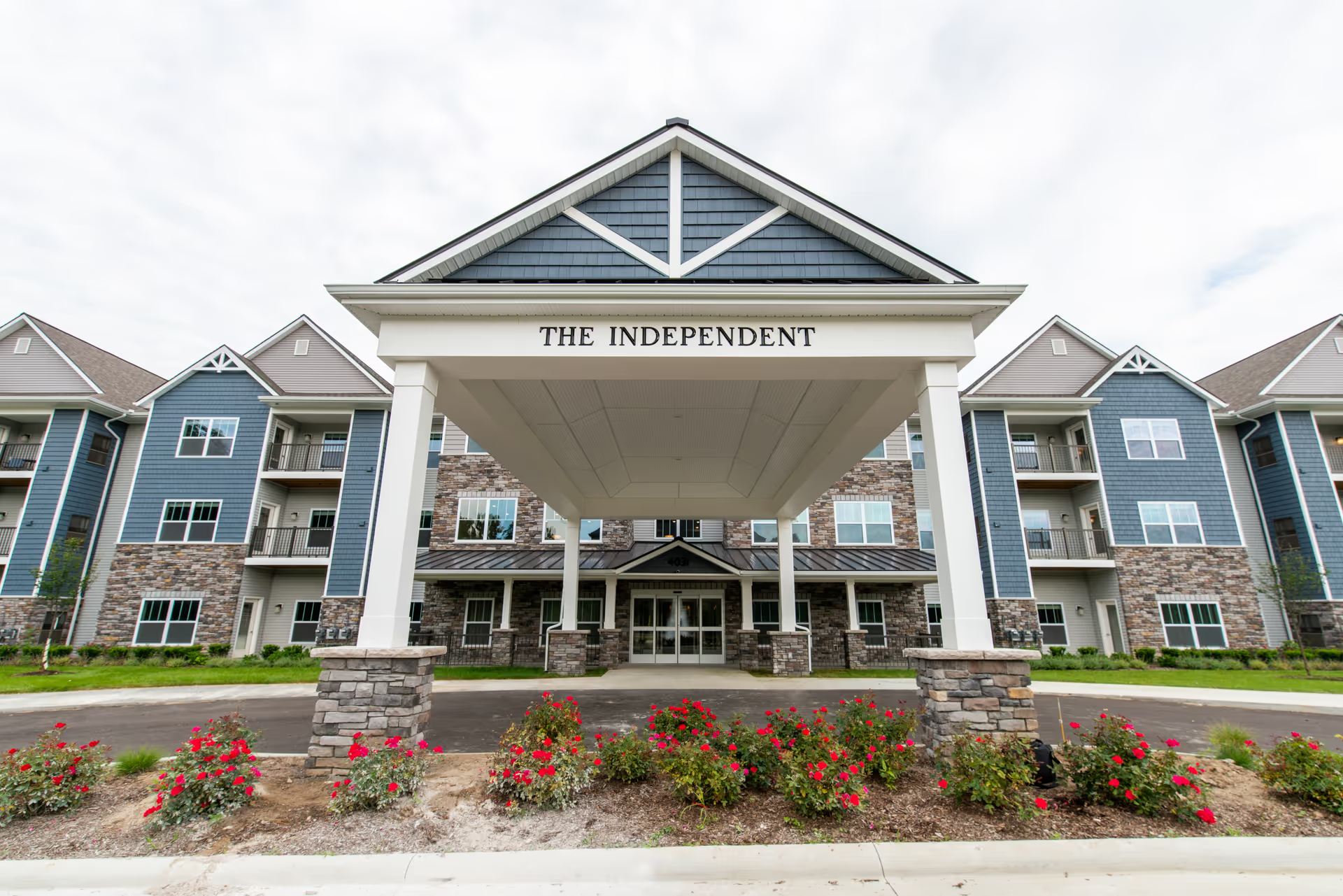
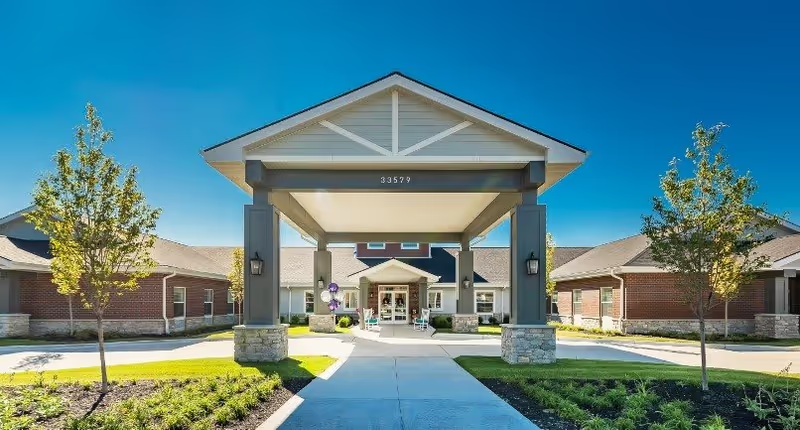
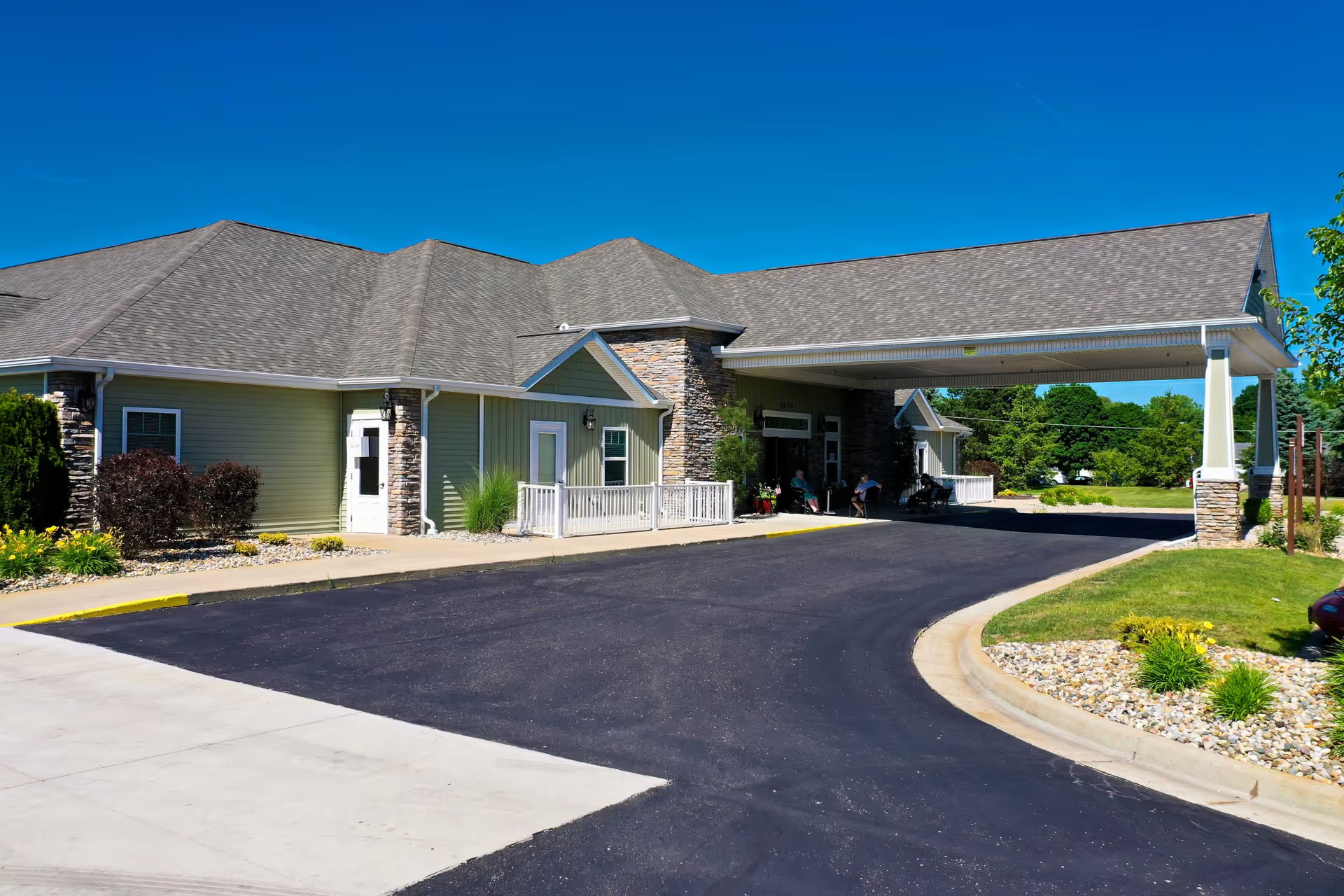
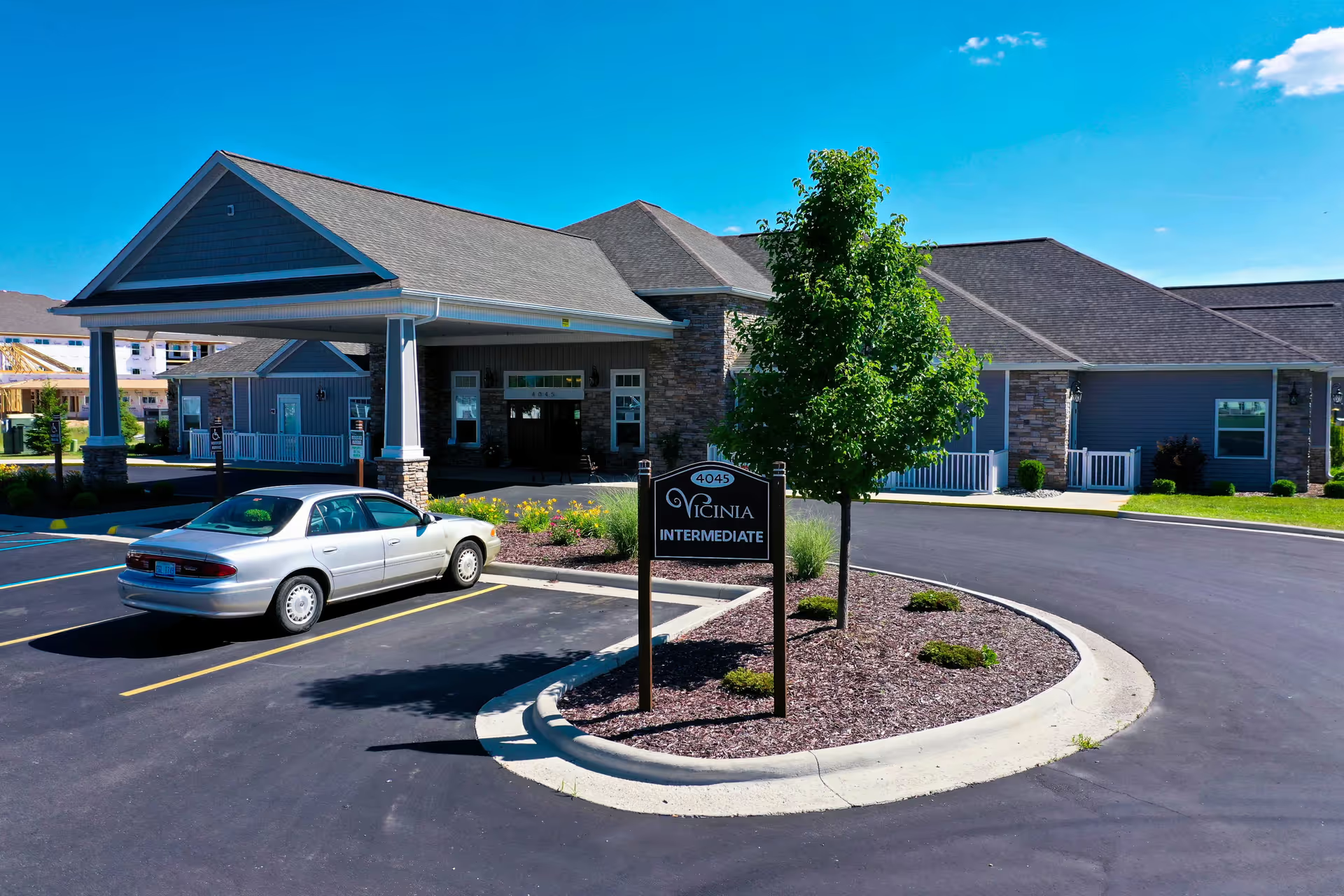
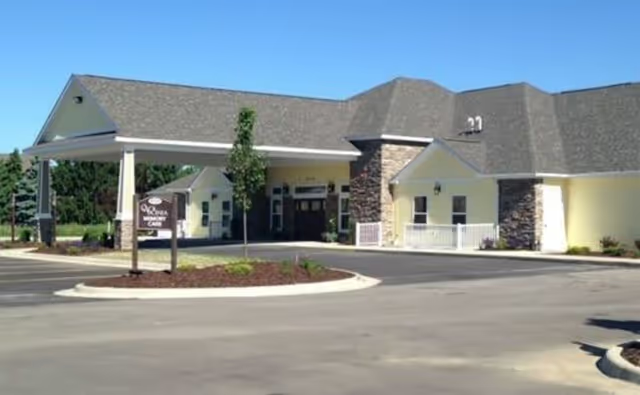
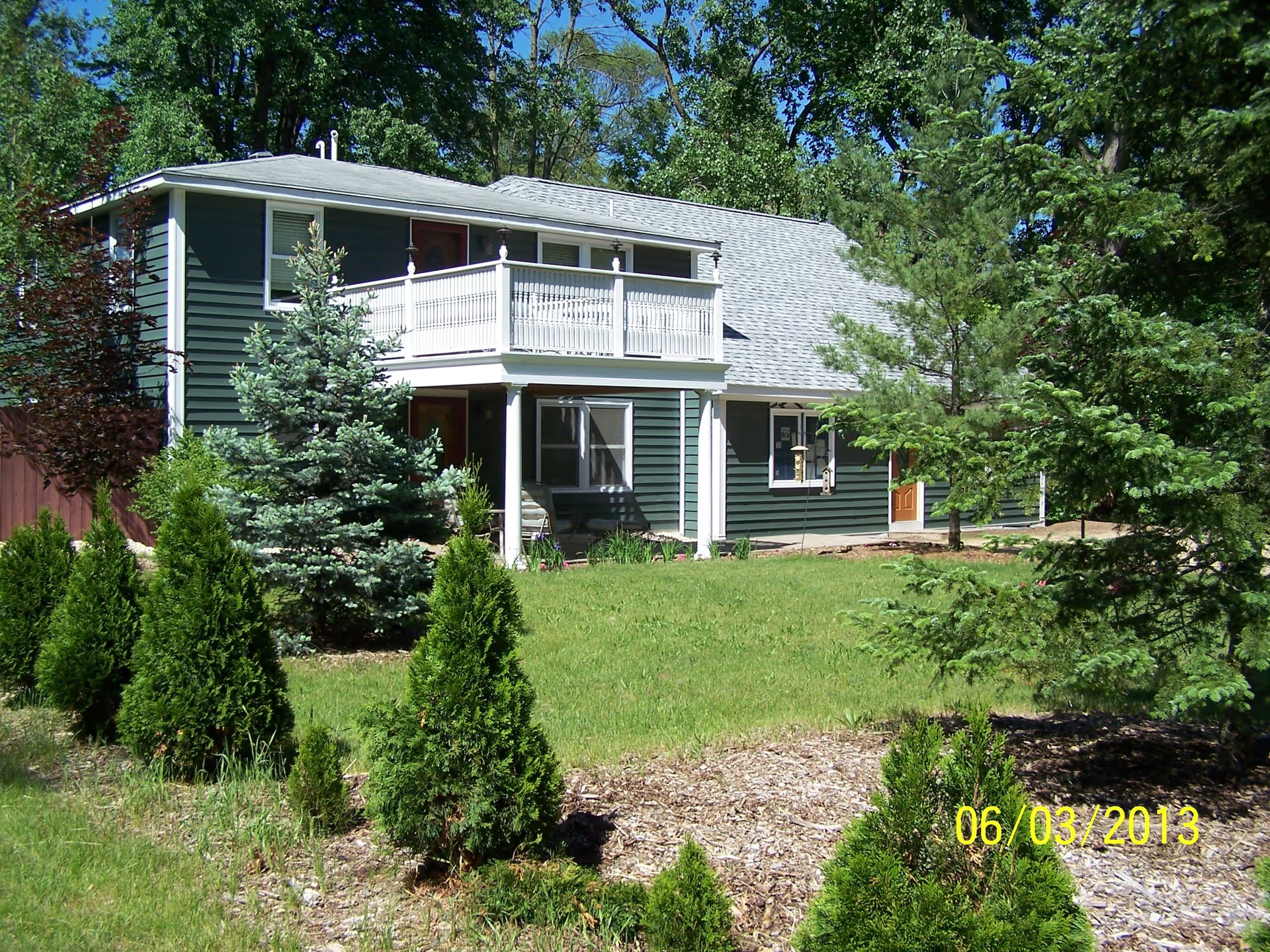
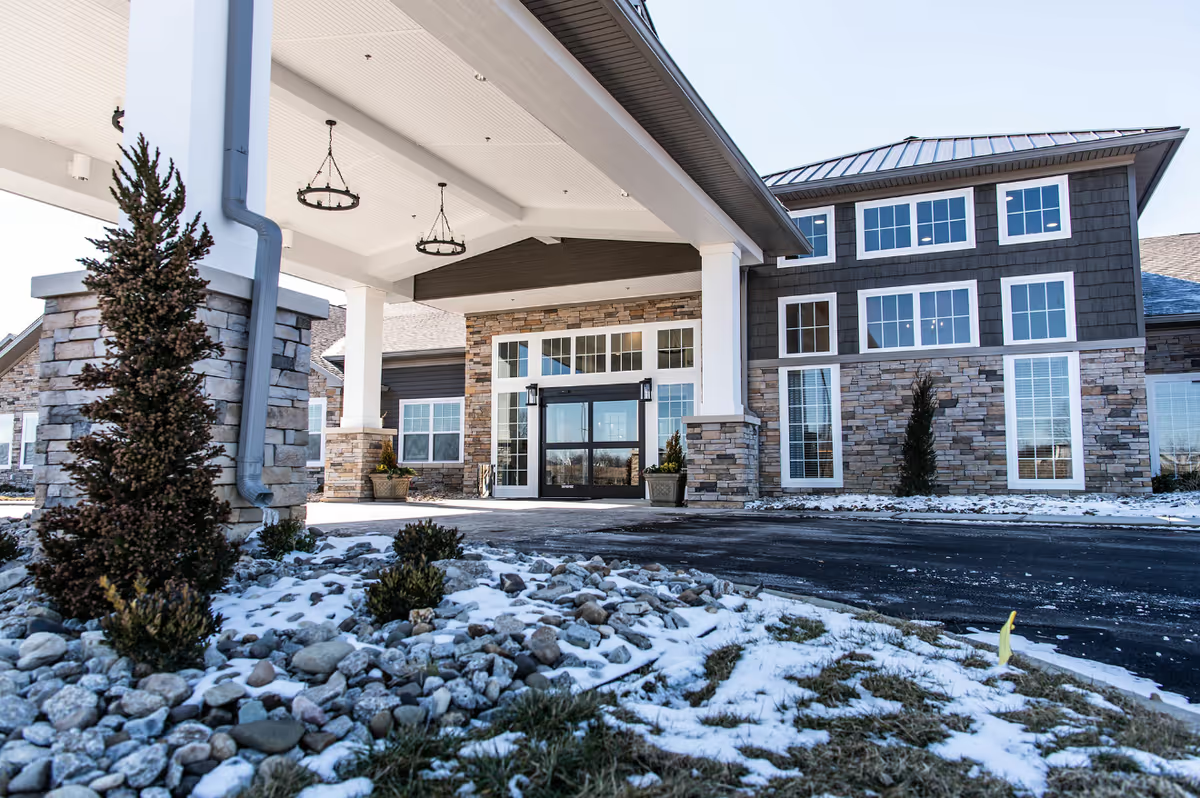
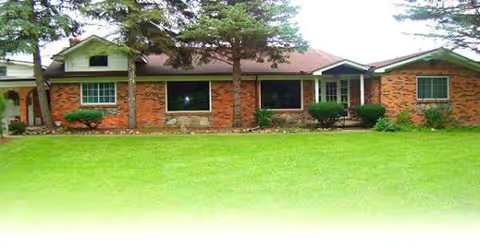
The reviews portray Tanglewood Assisted Living as a small, home-style facility with a strong emphasis on personalized, resident-centered care. Positive comments concentrate on a warm, family-like atmosphere: staff are repeatedly described as compassionate, attentive, and willing to go beyond routine duties to support residents and families. Several reviewers highlighted a memory-care focus and secure environment, which aligns with other observations of individualized attention, consistent 24-hour care, and staff involvement in therapeutic activities.
Dining and daily living services are frequently praised. Reviewers describe fresh, home-cooked meals, attention to dietary accommodations, and help with grooming and outings. Families note that mealtimes are treated as social opportunities and that staff responsiveness to nutritional needs is a strength. Relatedly, the facility’s small scale and personalized approach appear to support flexible accommodations such as special meals, hair styling, and assistance selecting outfits for activities.
Activity programming and the physical setting are notable assets. The property, gardens, overlook, and presence of animals (including horses) are cited as meaningful quality-of-life contributors. Activities such as singing, animal interaction, outdoor time, and exercise-therapy involvement are presented as regular features that support social engagement and emotional well-being. Cleanliness and common-area presentation are consistently mentioned as strong points.
Management and family coordination receive mixed but generally positive remarks. Many families describe management as approachable, transparent, and invested in residents’ well-being; others single out individual staff members for exceptional coordination during transitions or bereavement. That said, a small number of reviews raise concerns about inconsistency in oversight and communication tone, suggesting variability in how management and staff interact with certain families.
A minority of reviews describe troubling individual experiences that point to operational weaknesses rather than pervasive facility characteristics. These concerns—summarized here at the trait level—include intermittent lapses in staff responsiveness or conduct, occasional gaps in personal-care responsiveness, and situations where the facility proved a poor fit for a resident’s specific needs. Prospective families should weigh the facility’s many strengths against this potential for variability and ask targeted questions about staffing levels, personal-care protocols, and how the team handles escalation or family concerns during a visit or intake conversation.
Overall, Tanglewood presents as a small, well-maintained assisted-living option with substantial strengths in compassionate caregiving, dining, activities, and environment. Those strengths are tempered by isolated but serious concerns about consistency in staff conduct and management oversight; an in-person visit focusing on care routines, responsiveness, and communication practices is advisable for families considering placement.