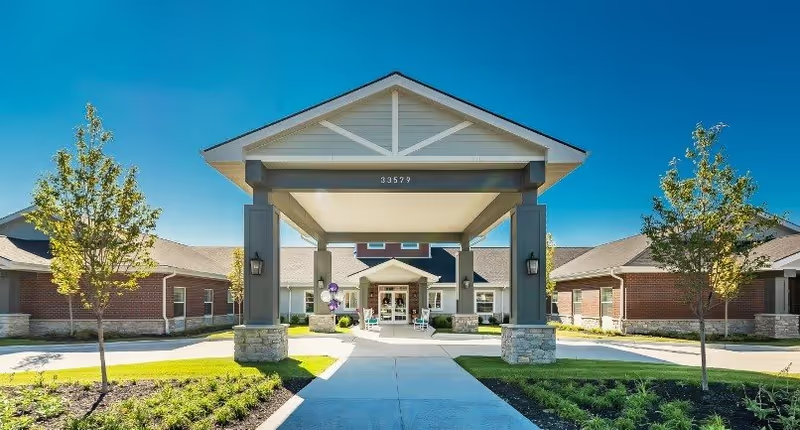
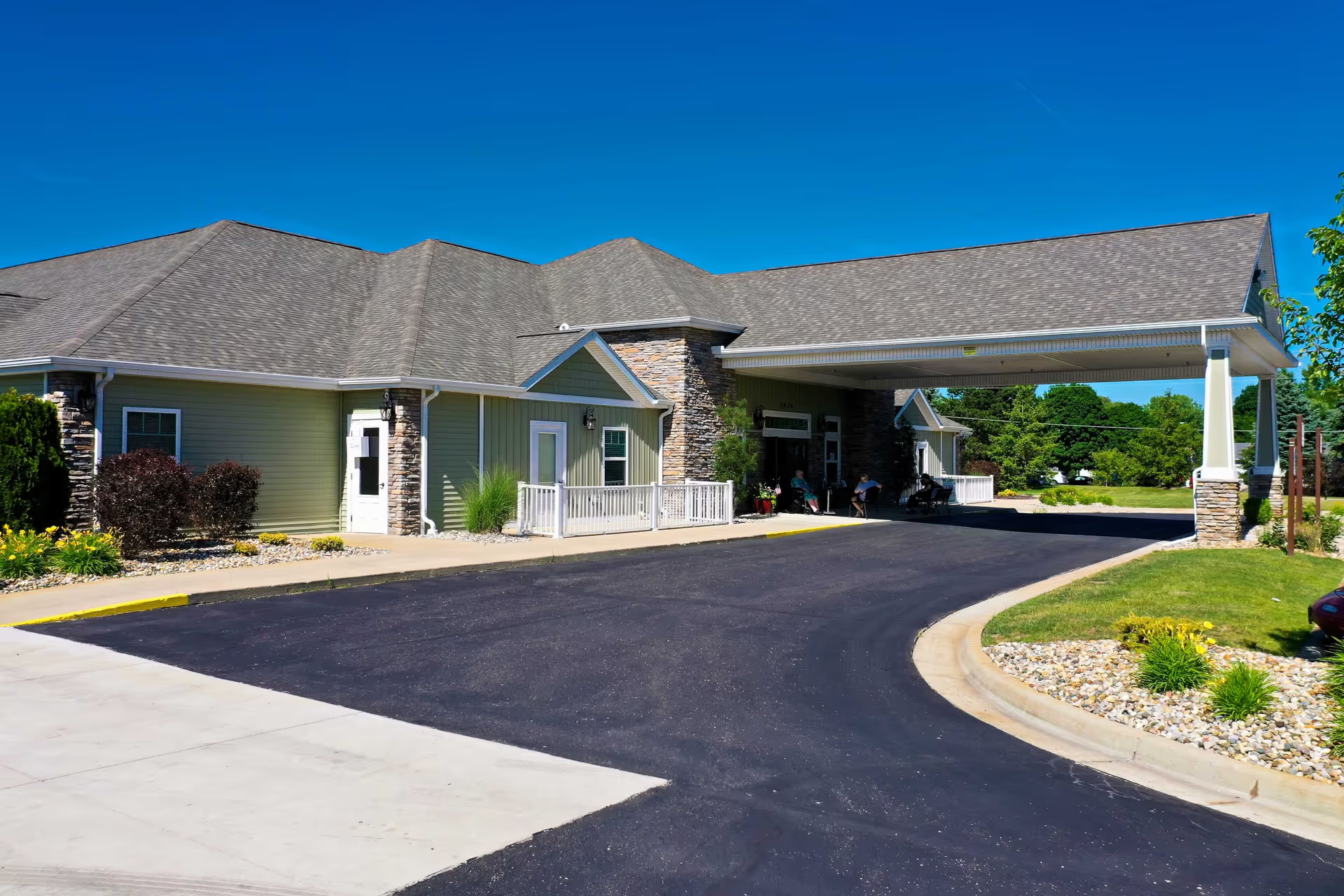
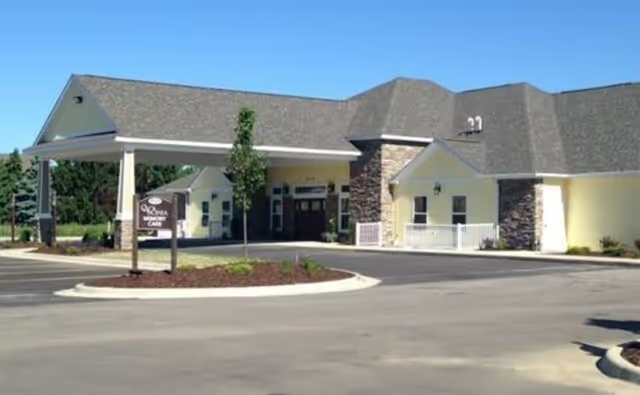
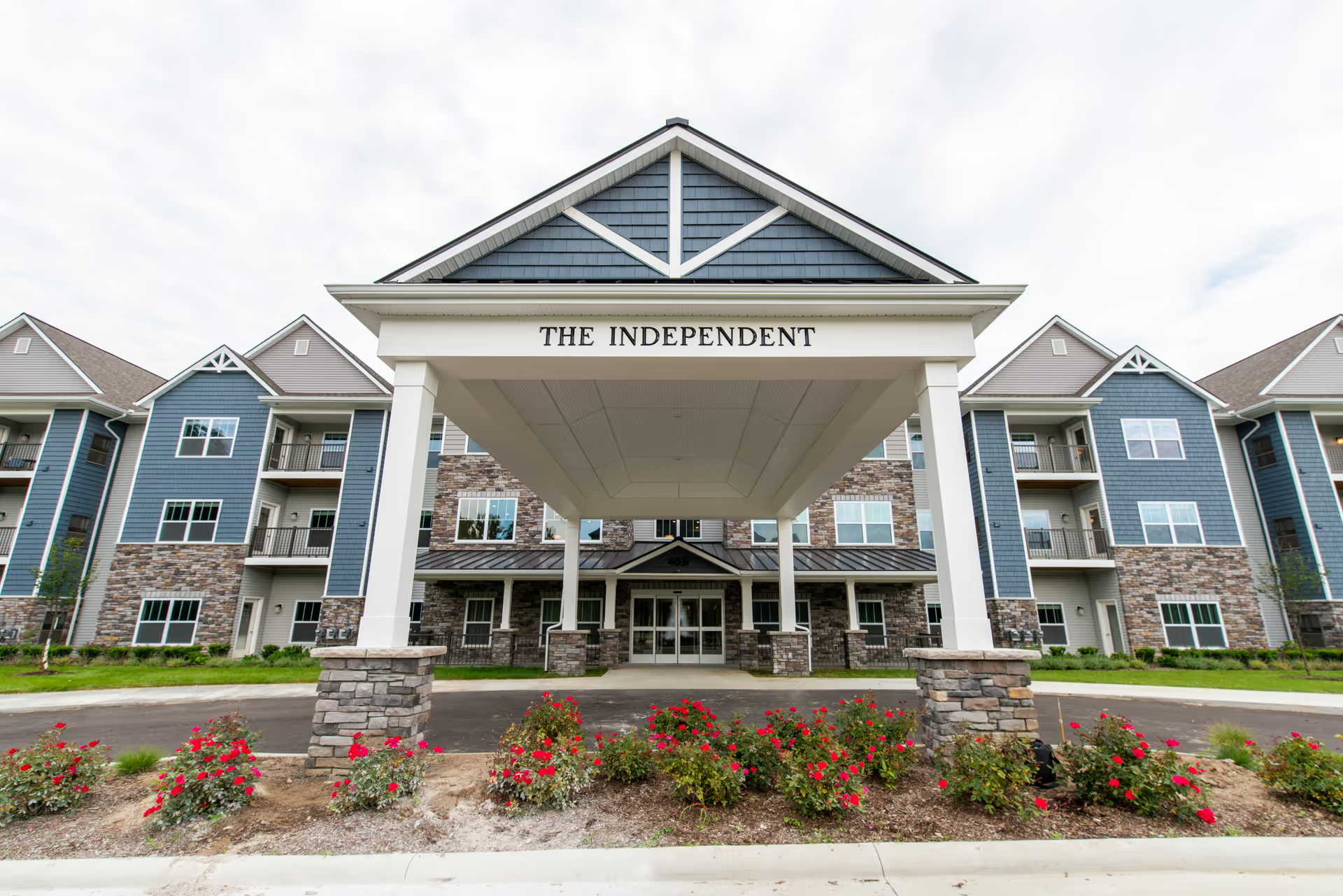
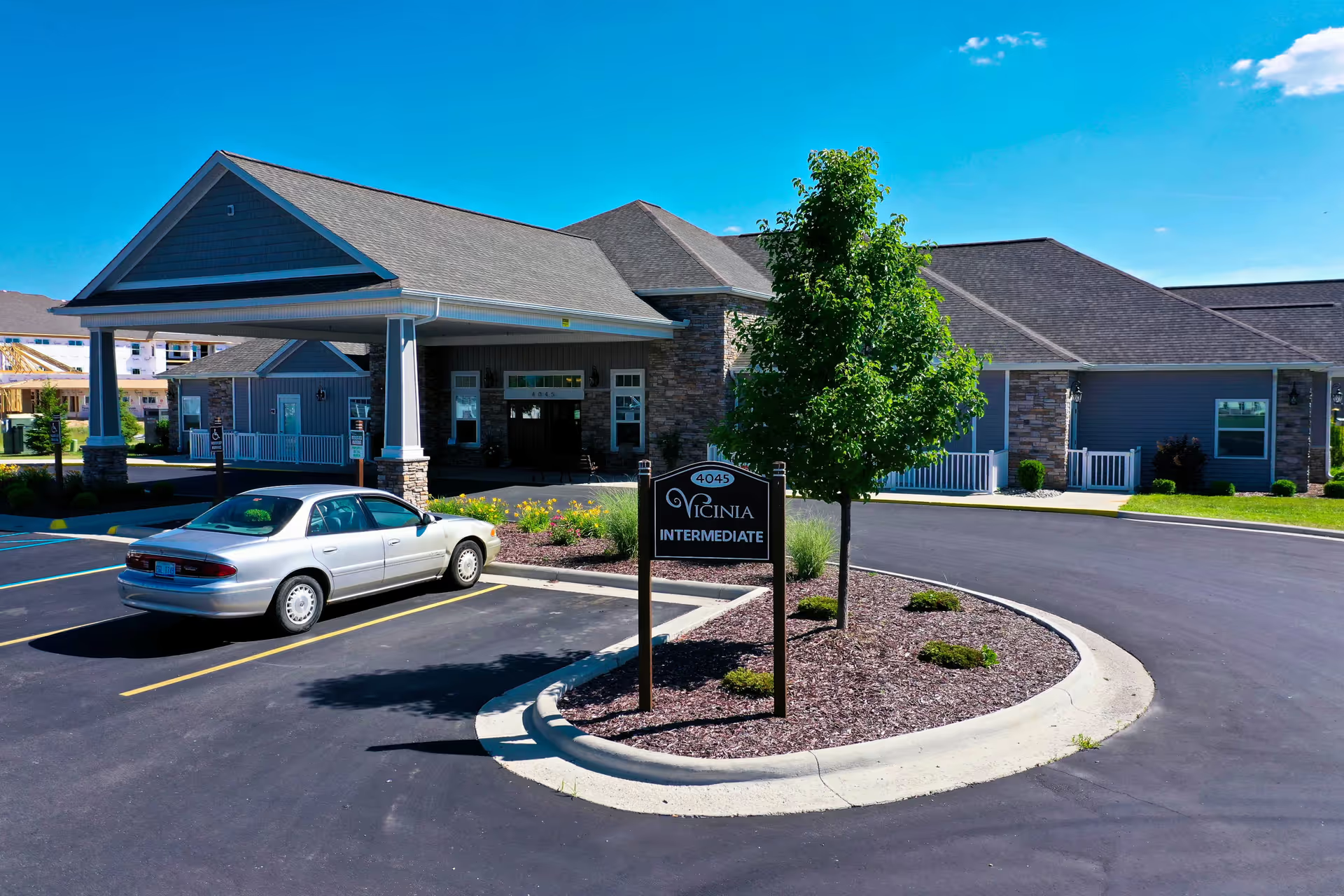
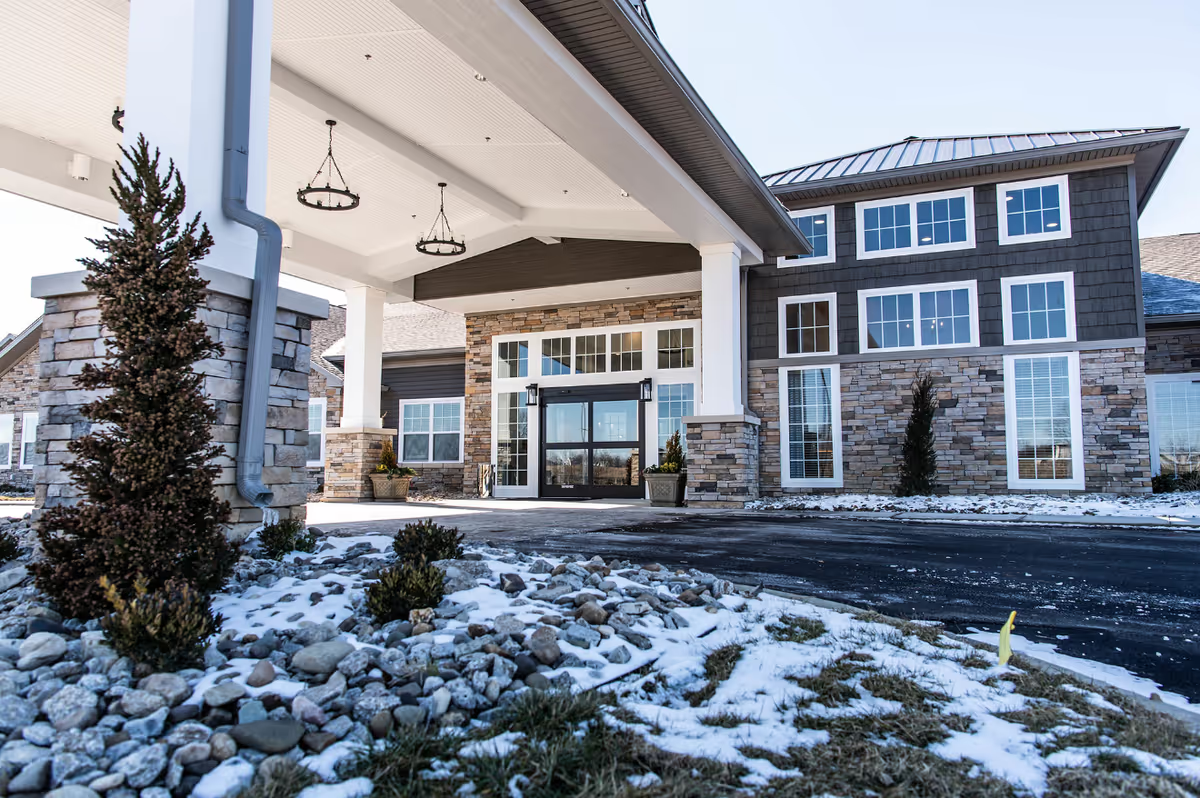
The reviews describe a facility with clear operational strengths alongside notable and recurring areas of concern. Strengths most consistently cited are the rehabilitation services — physical and occupational therapy are frequently praised for technique, engagement, and measurable functional gains that helped residents return home. The facility’s environment is described as modern and well maintained, with a sizable therapy gym, spa-like amenities and an upscale bistro/Starbucks-style offering. Dining and kitchen staff receive regular positive mention for meal quality and accommodation of special requests. Many families also describe a friendly community atmosphere and active social programming that supports residents’ engagement.
Care quality perceptions are mixed. Numerous accounts highlight compassionate, attentive CNAs and nurses who provide helpful bedside care and support; several reviewers singled out individual staff and departments for exemplary service. At the same time, a substantial portion of feedback describes operational shortfalls: inconsistent staffing levels, frequent turnover, and periods when help is difficult to locate. These workforce constraints are linked to delayed call-light responses, missed or delayed medication administration (including pain medication), and uneven monitoring of resident status. Reviewers also raised concerns about clinical incident handling — especially fall reporting and decisions about hospital transfer — and about communication with families when incidents occur.
Dining, activities, and facilities are frequently strong selling points. The on-site bistro, varied menus, and accommodating dining staff are commonly praised; activities and social events are cited as contributing to a family-like environment. Housekeeping and facility upkeep are often described positively, supporting the impression of a comfortable, attractive setting for rehabilitation and longer stays. However, there are intermittent notes of sanitation and housekeeping inconsistencies (for example, infrequent room cleaning or laundry handling concerns) that contrast with otherwise positive descriptions of the environment.
Management and communication present a mixed picture. Several reviewers appreciated proactive admissions, helpful front-desk staff, and managers who respond to issues; others describe limited accountability, poor phone responsiveness (including weekends and after-hours access), and a perception of managerial instability. There are recurrent comments alleging a workplace culture problem — staff firings, retaliatory behavior, and a profit-first orientation — which some reviewers connected to declines in frontline care consistency. A Medicare inspection was referenced by reviewers, indicating regulatory attention in at least some cases.
Patterns to note for prospective residents and families: the facility can deliver high-quality rehabilitation and a pleasant environment when staffing and leadership are stable, but the variability in staffing, responsiveness, medication administration, incident reporting, and discharge coordination creates a risk profile that families should evaluate carefully. Recommended pre-admission actions include: asking about current staffing ratios and turnover, reviewing recent inspection and quality reports, clarifying after-hours and call-response protocols, confirming discharge planning processes and therapy availability at discharge, and meeting the core nursing and therapy team who will be responsible for care. These steps can help align expectations with the facility’s strong rehabilitative resources while identifying and mitigating the operational weaknesses described by multiple reviewers.