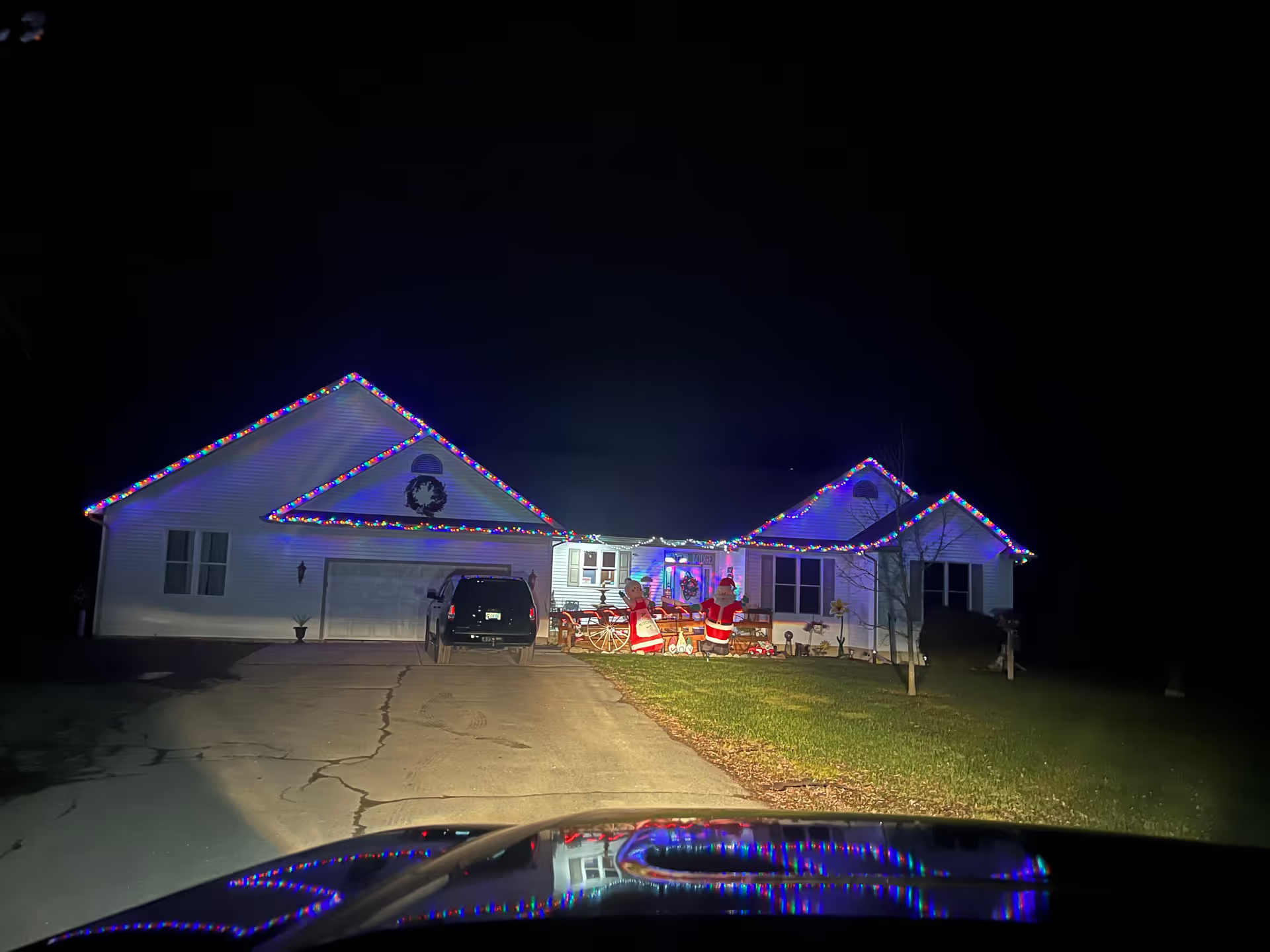
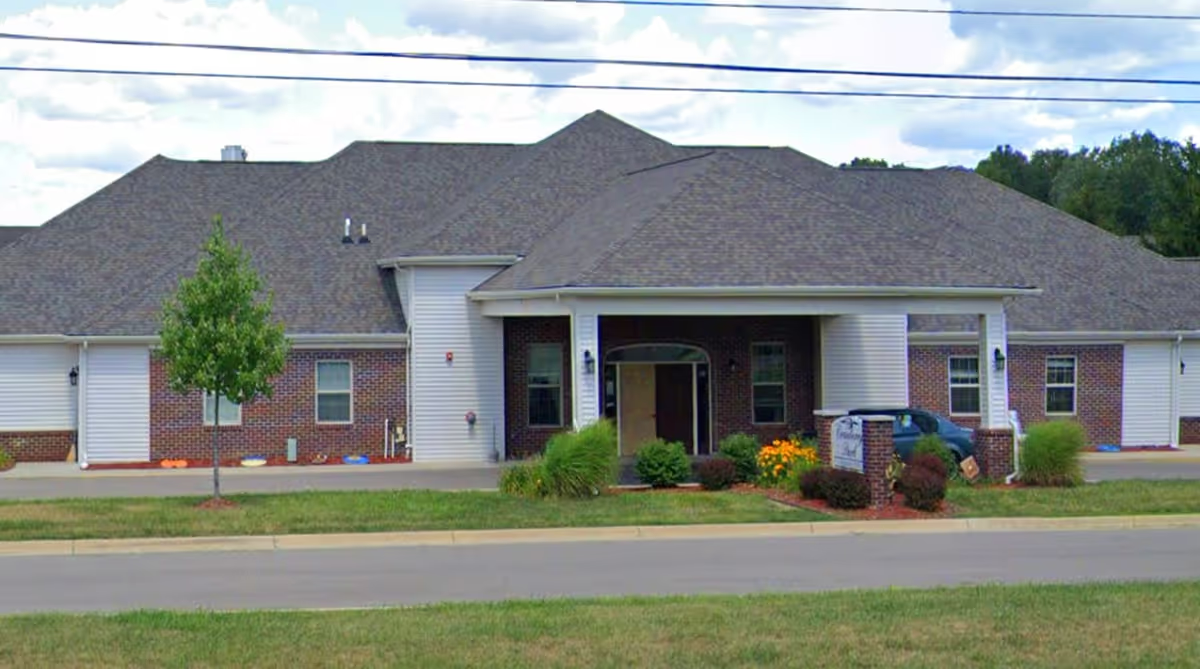
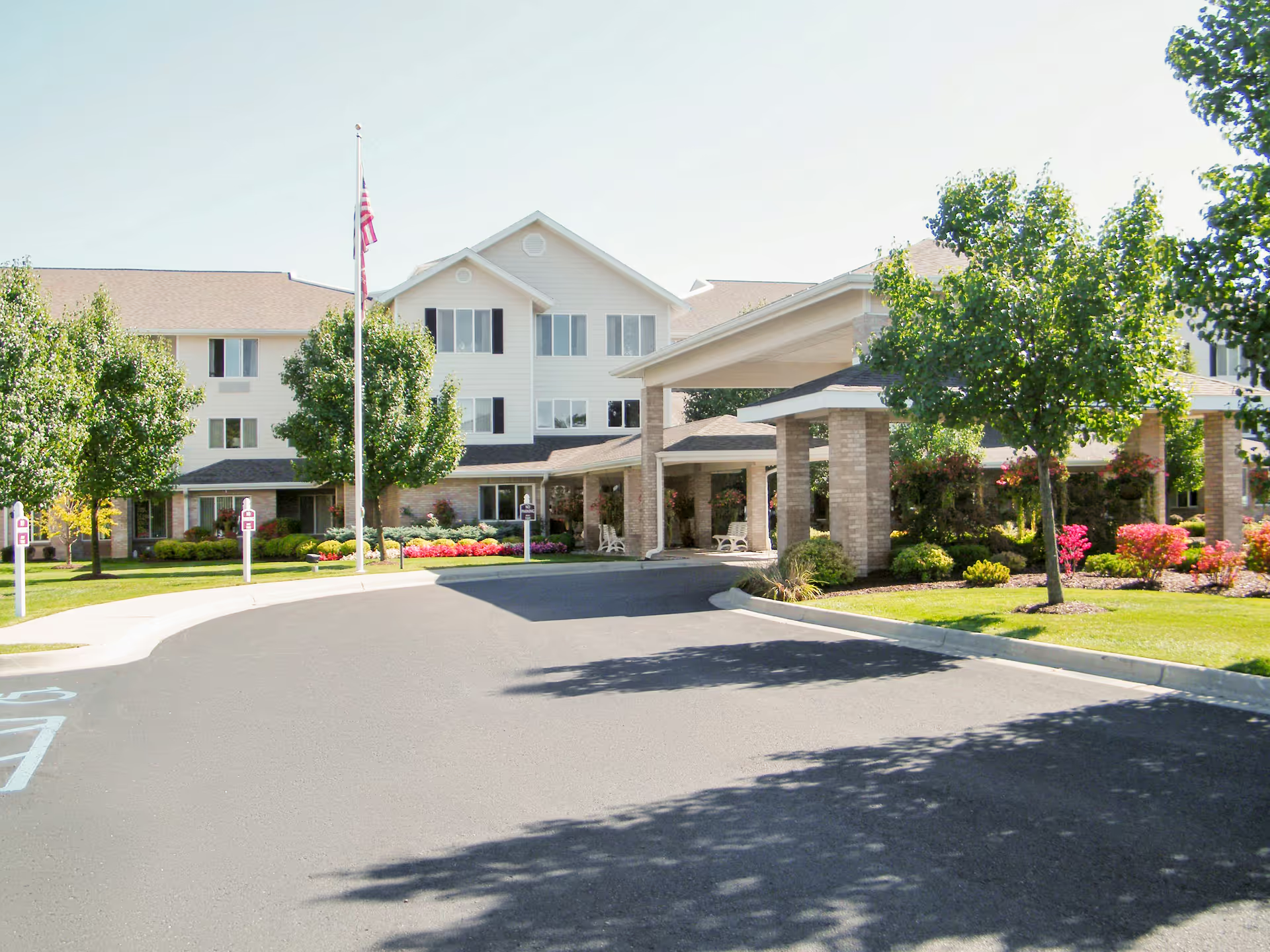
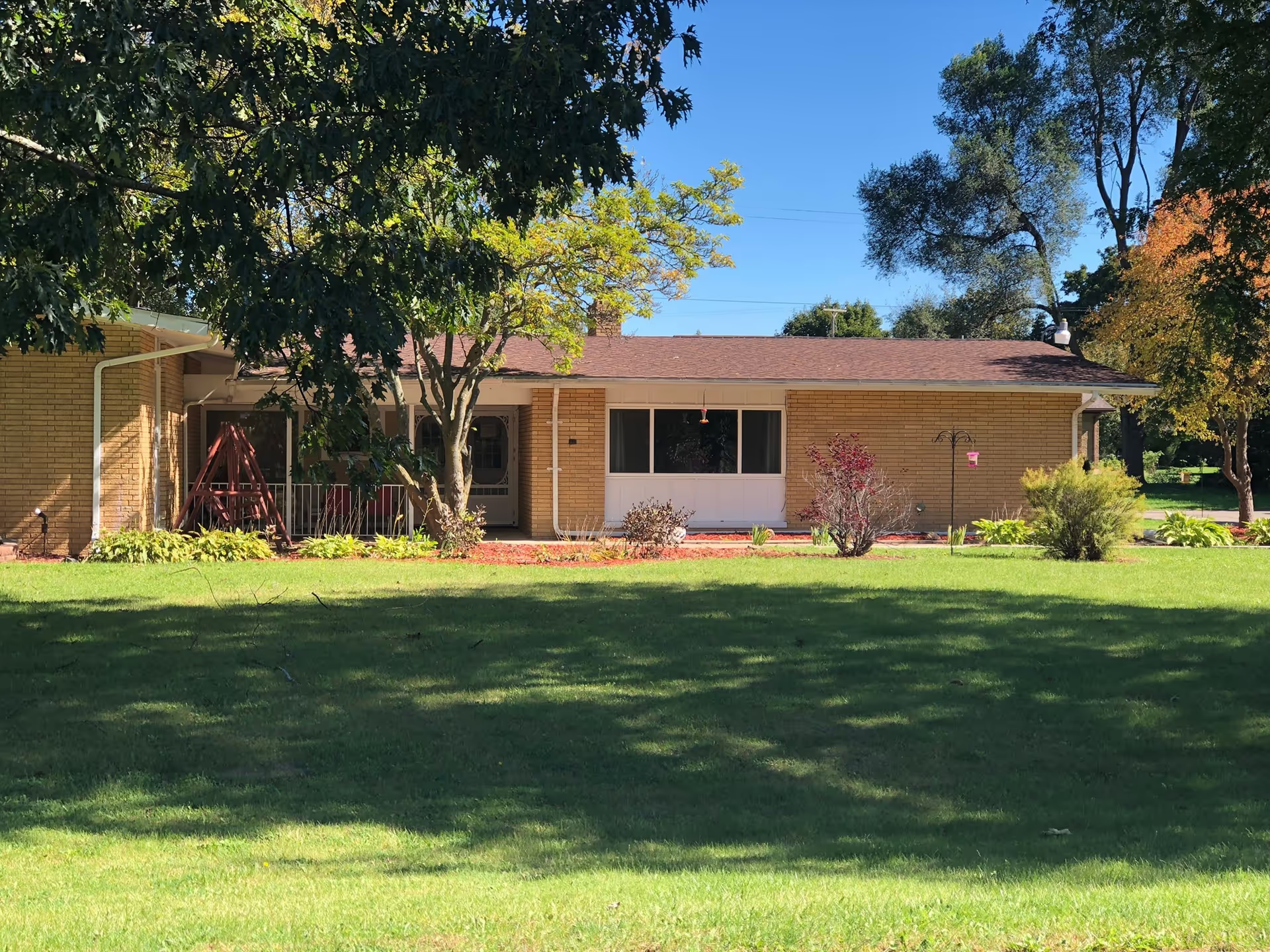
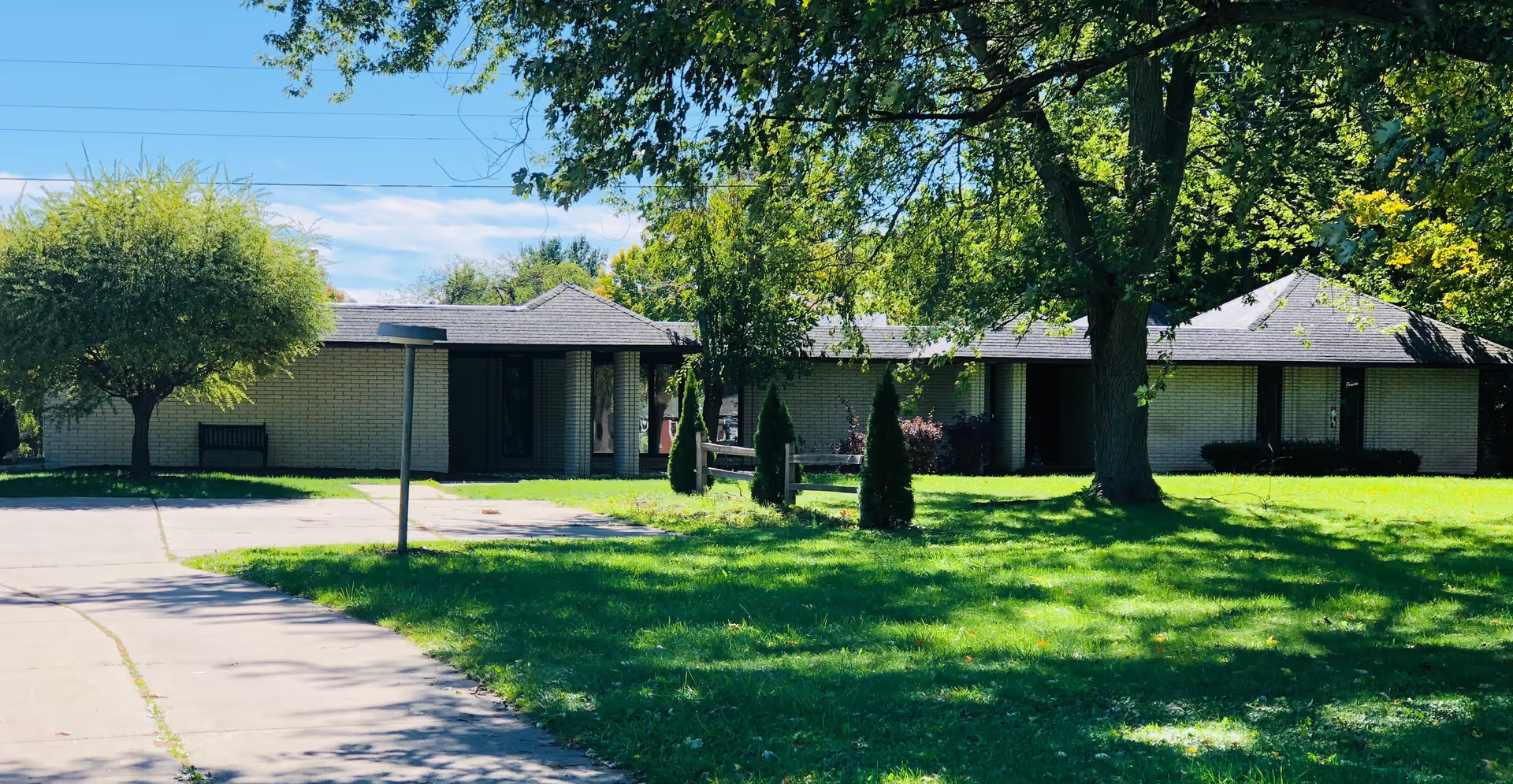
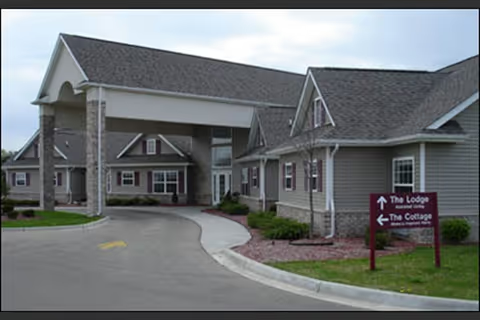
The reviews present a mixed picture of Woodland Park Assisted Living. Positive impressions emphasize a domestic, residential feel and a team of caregivers who are described as attentive, friendly and professional. Several reviewers conveyed confidence that residents were "in good hands," highlighting compassionate leadership and an attractive, welcoming home environment.
Care quality appears to vary with staffing and management conditions. When staffing is stable, reviewers describe timely, attentive care and a reassuring caregiver presence. However, recurring operational themes point to gaps in care planning and documentation: at least one reviewer cited an absence of a formal plan-of-service, which suggests inconsistent implementation or communication of individualized care plans. These process gaps could affect predictable delivery of services for residents who require coordinated support.
Staffing and workforce issues are a prominent concern. Compliments about individual staff members coexist with accounts of scheduling problems, reliance on very inexperienced coverage, and payroll/administrative dysfunction. Those operational failures can reduce continuity of care and staff morale. There is also at least one reference to internal security concerns and state regulatory action; combined with payroll and administrative problems, these items indicate weaknesses in financial controls and compliance oversight.
Facilities and housekeeping receive mixed comments. The residence is frequently described as attractive, home-like and welcoming, but others note cleanliness inconsistencies in certain rooms and common areas, including dirt and clutter. That contrast suggests that while the physical building and décor may be strengths, housekeeping and maintenance standards are uneven.
Dining and activities were not a major focus in the available summaries. Few reviewers discussed meals or programming; where impressions are given, they tended to center on the general warmth of the setting rather than specifics of menu quality or activity schedules. Prospective families should request details on menu planning, sample activity calendars, and participation levels during a visit.
Management and organizational capacity are the most significant recurring patterns. Reviewers referenced leadership turnover, management drama, payroll issues and a history of financial instability. These operational weaknesses appear linked to variability in daily service delivery. For prospective residents and families, recommended steps include reviewing recent state inspection reports, asking for written care-plan examples and staffing ratios, verifying payroll and hiring practices, and observing housekeeping routines during a tour. Direct conversations with current families about management responsiveness and staff continuity can clarify whether the facility’s positive caregiving attributes are sustained over time.