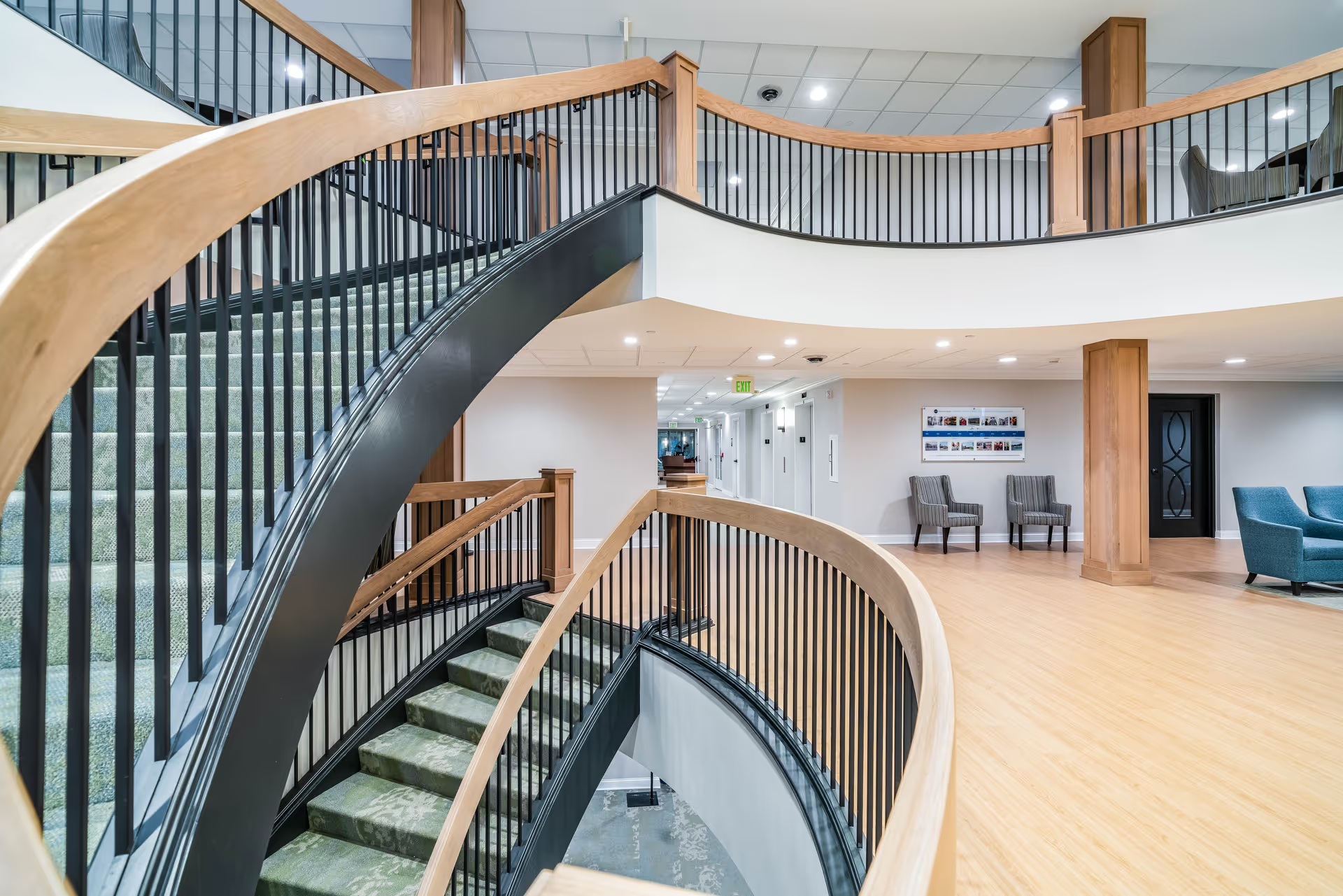
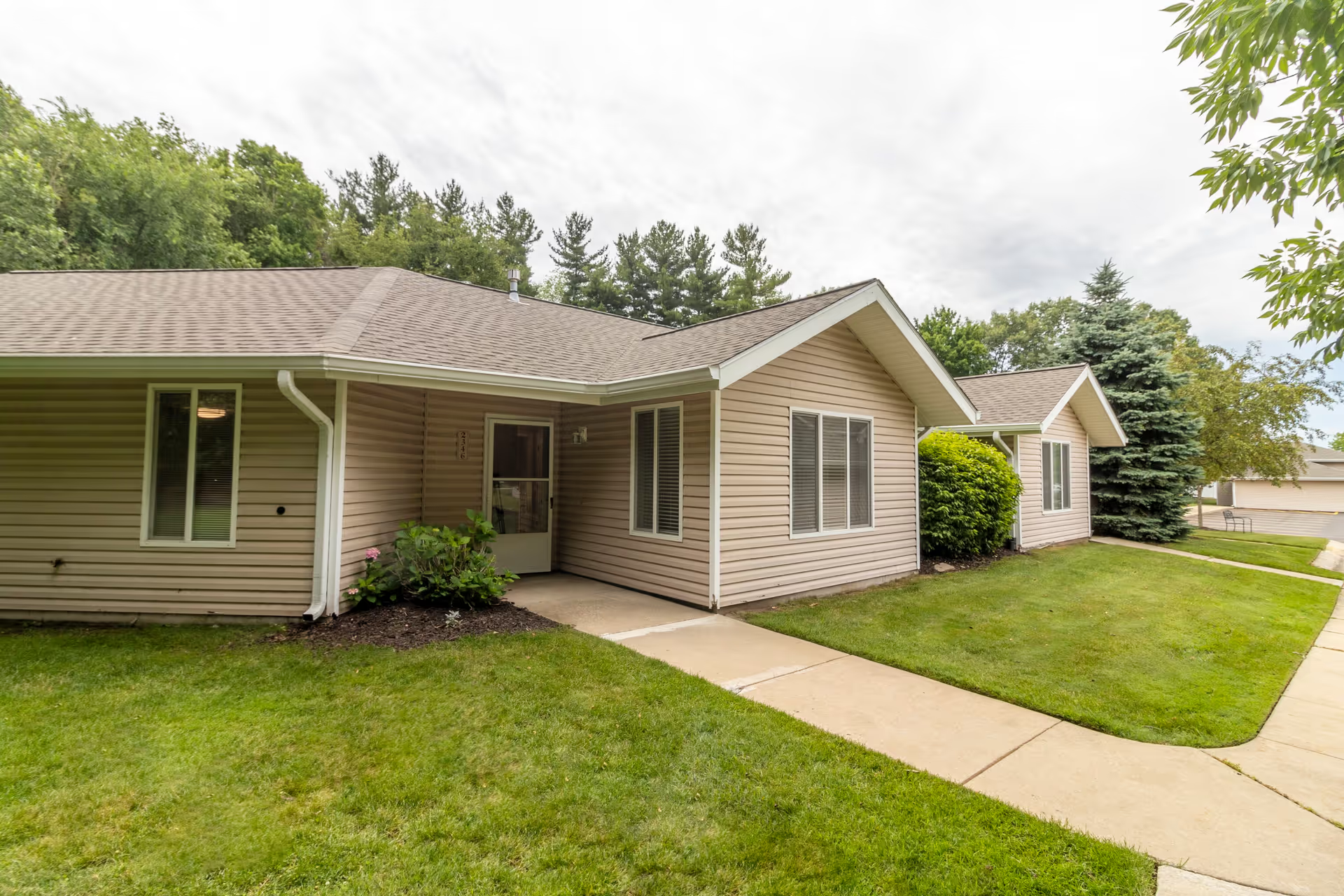
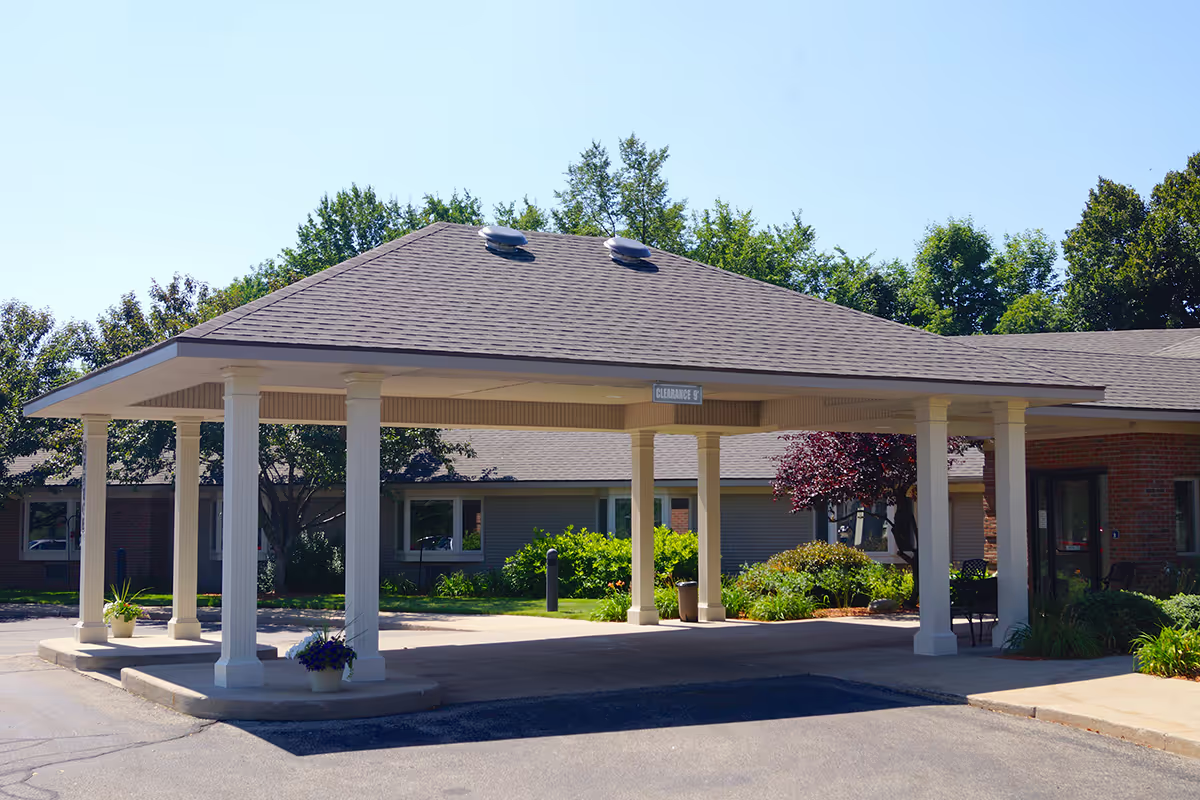
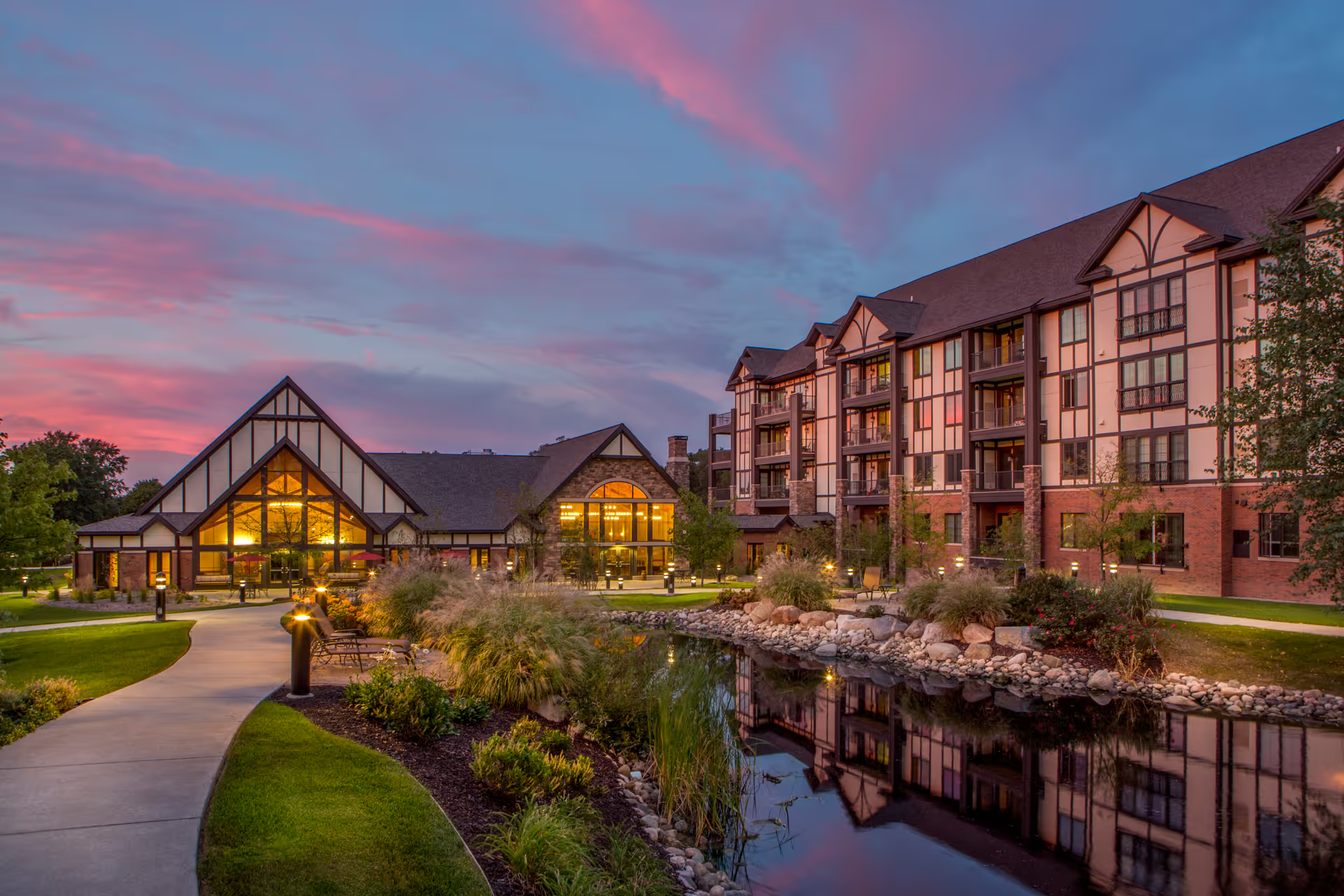
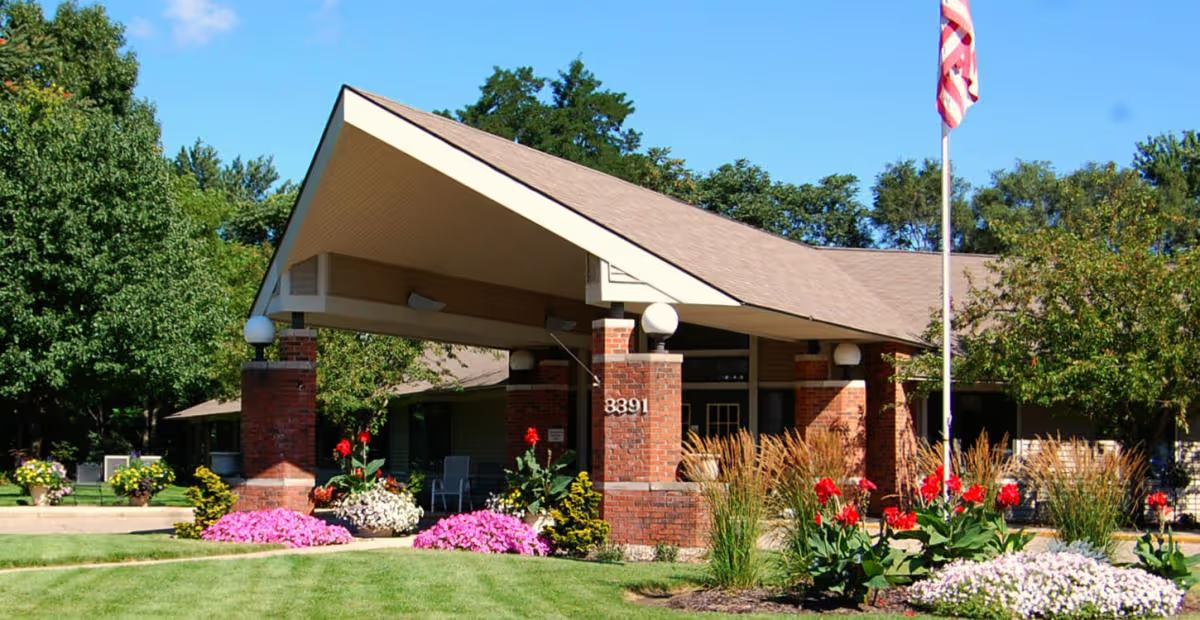
Overall impressions of Commonwealth Senior Living at Grand Rapids are mixed, with a clear split between families who describe warm, attentive care and those who identify recurring operational problems. Positive accounts emphasize compassionate caregivers, a family-oriented culture, modernized rooms and common areas, pleasant grounds with pond and wooded views, and a range of activities — from musicians and crafts to an organized Travel Around the World series and an on-site garden that supplies fresh greens. Several families also note satisfactory dementia programming and coordination with hospice services, and many praise particular staff members and the facility’s welcoming admissions experience.
The most consistent negative patterns relate to staffing stability and clinical operations. High turnover and periods of understaffing are described as affecting daytime coverage as well as nights and weekends, producing longer response times to call buttons, delays in personal-care assistance, and slower responses after falls or clinical changes. These staffing issues are linked to gaps in ongoing clinical monitoring — including follow-up on wounds and infection concerns — and to inconsistent hygiene and room-maintenance practices. Families describe uneven performance across shifts and between individual caregivers, which produces variable day-to-day experiences.
Medication management and clinical-administration processes are another area of concern. Multiple accounts highlight missed, delayed, or improperly stored medications and inconsistent handling at night/weekend shifts. When medication-administration controls are inconsistent, there is heightened risk for residents with complex clinical needs (for example, diabetes or pressure-ulcer risk). Related safety themes include transfer- and lift-practice weaknesses and occasional slow emergency-response times, which families identify as operational risks rather than isolated incidents.
Dining and activity programming show two faces: some residents and families praise the chef-prepared offerings, varied menus, and engaging outings, while others describe meals that rely on processed or warmed-from-packaged items, temperature issues due to limited warming-kitchen capacity, and variable food quality. Activity offerings are generally creative and varied when staffed and coordinated, but families report irregular adherence to posted schedules and inconsistent follow-through, particularly when staffing is limited.
Management, communication, and billing practices are uneven in family accounts. Positive interactions with particular managers and admissions staff are frequently cited, along with helpful responsiveness when present. Conversely, other families report management turnover, broken promises, delays in financial adjustments or refunds, and unclear billing policies (including concerns about month-to-month charges). These administrative inconsistencies compound clinical and staffing concerns for families trying to evaluate continuity of care.
In sum, Commonwealth Senior Living at Grand Rapids appears capable of providing a warm, engaging environment with solid amenities, especially when staffing is stable and particular caregivers are present. However, recurring operational weaknesses — notably staffing instability, inconsistent medication and clinical processes, variable cleanliness, and administrative/billing lapses — create variability in resident experiences. Prospective residents and families would benefit from targeted questions about current staffing ratios and turnover, medication-safety protocols, kitchen capacity and meal service practices, activity scheduling, and specific contractual billing terms; arranging an unannounced visit across different shifts may help assess consistency before a placement decision.