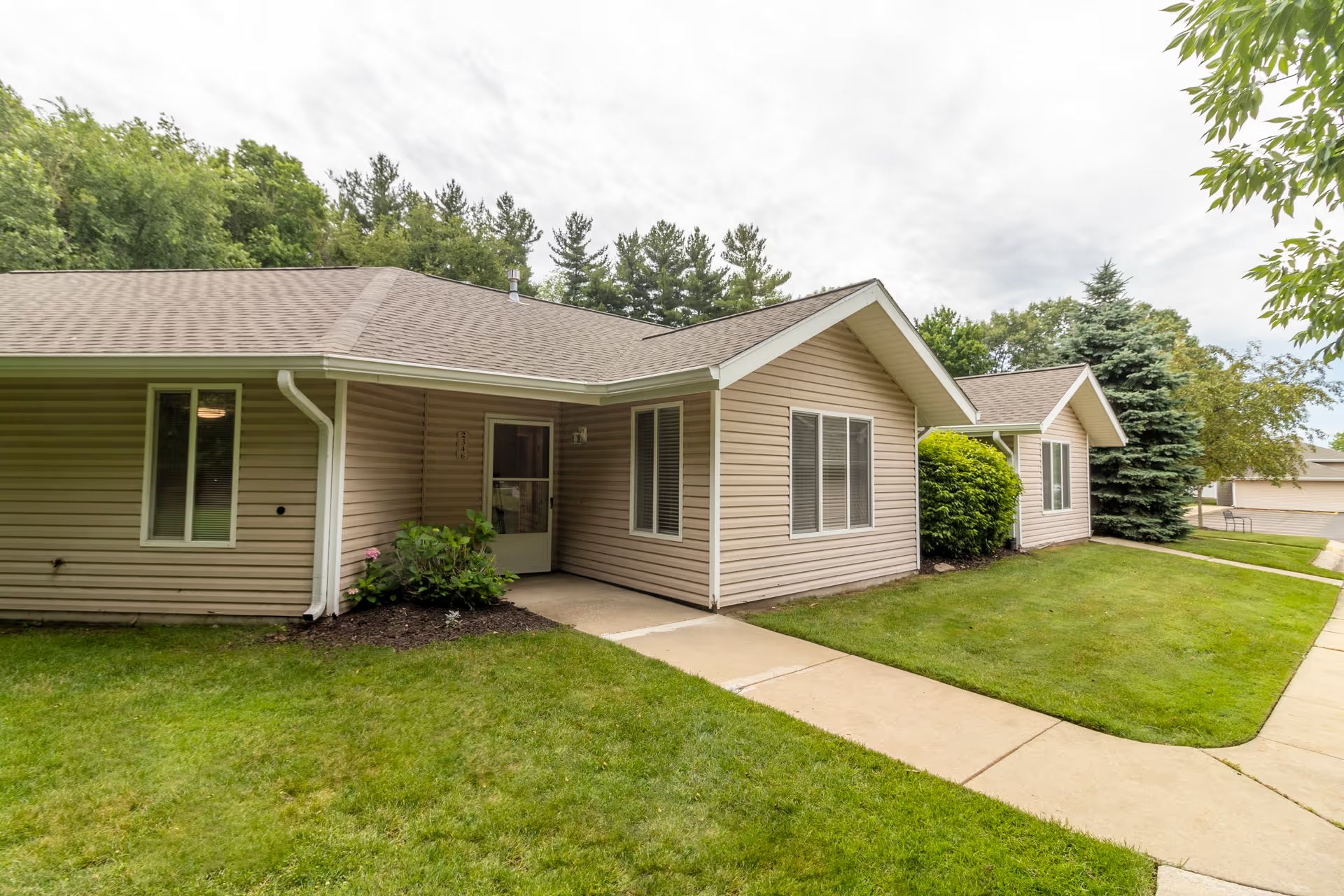
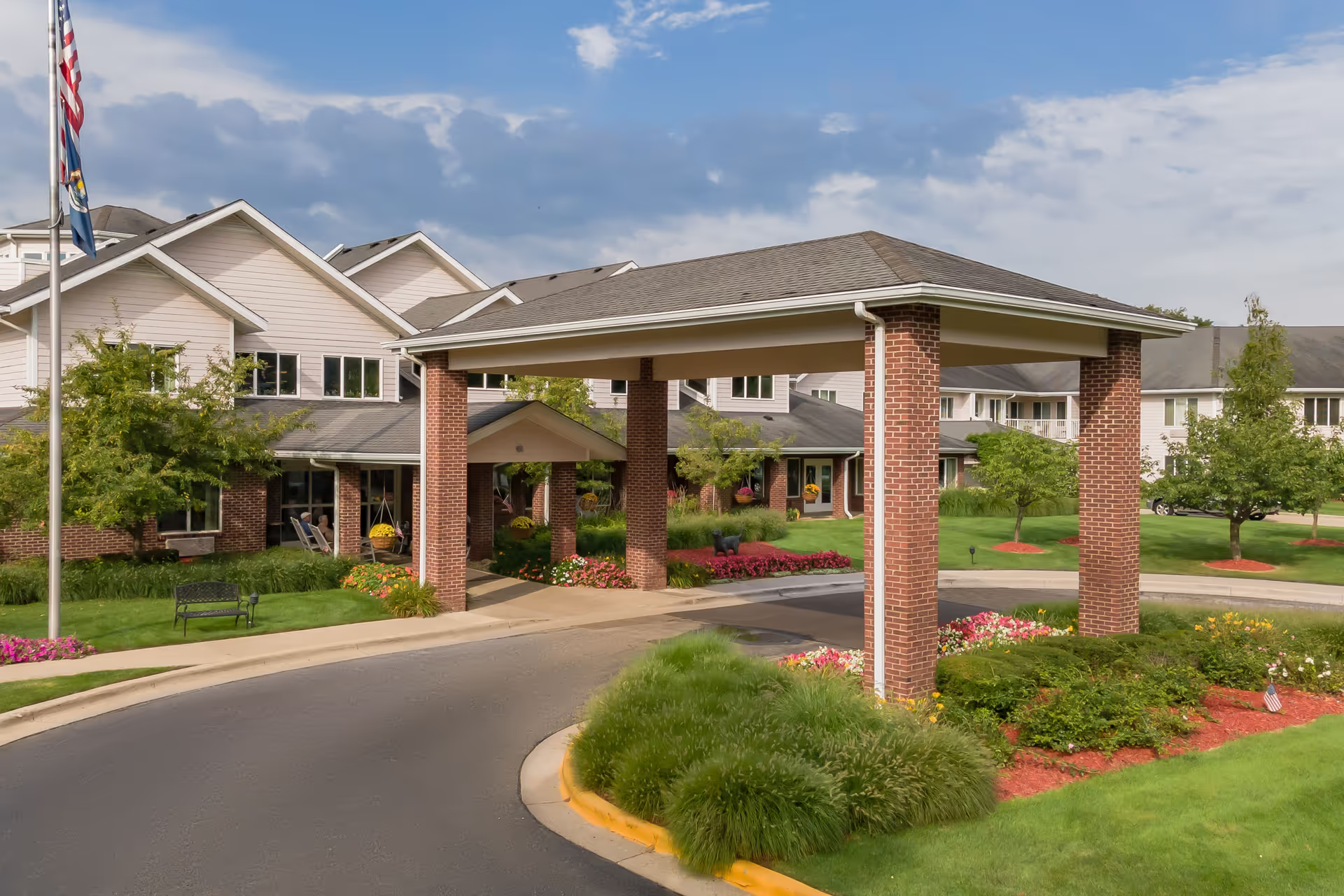
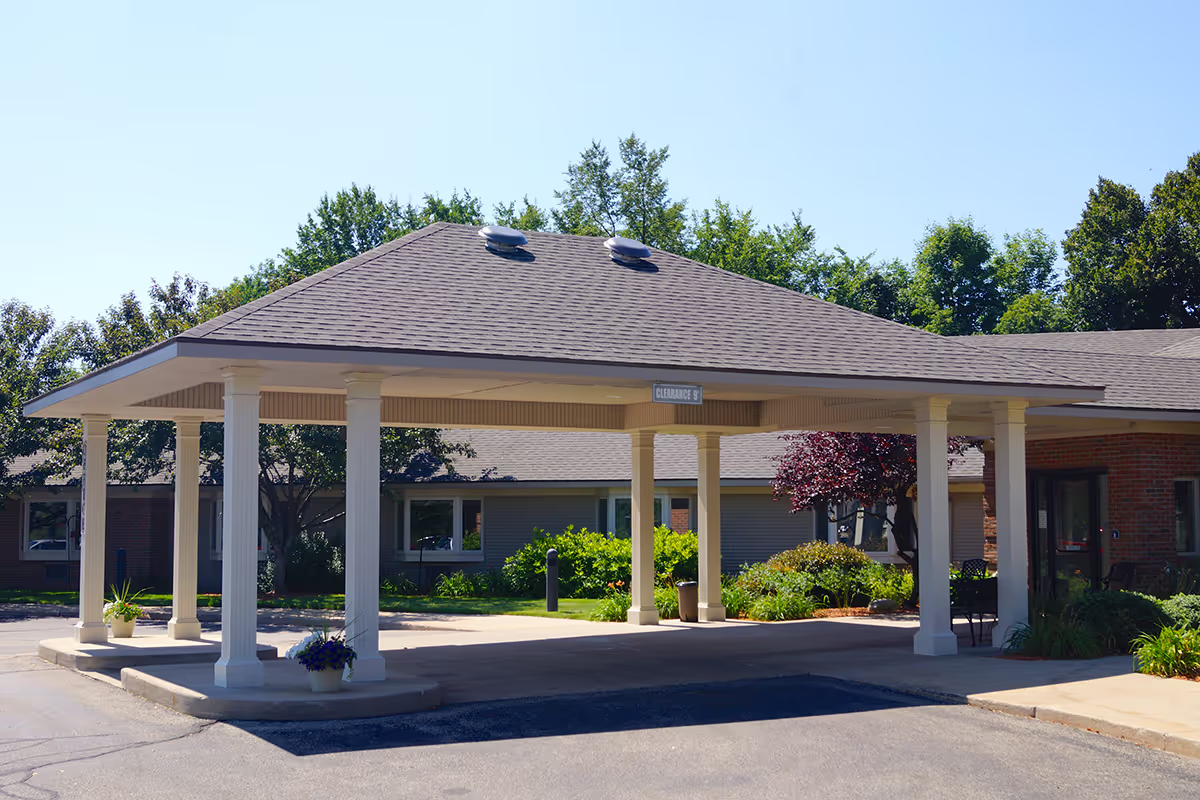
Reviews of Intersect Healthcare of Grandville present a polarized picture: many families praise individual caregivers, therapy teams, and certain aspects of the environment, while a substantial set of operational concerns recur across accounts. Positive comments consistently highlight compassionate bedside care from specific staff members, an effective rehabilitation program focused on returning residents home, and a range of activities and social supports that families found meaningful. Several reviewers also noted helpful social-services advocacy, friendly reception/security staff, and comfortable room features such as spacious layouts and visitor seating.
Clinical care quality appears uneven. Reports praise attentive one-on-one feeding, competent nursing shifts, and proactive therapy staff, but other accounts describe medication delays or errors, wound-care lapses, weight loss and failure to monitor daily measures, and inconsistent documentation and record transfer to outside home-care providers. Safety issues are frequently mentioned in operational terms—falls and repeated hospital transfers, as well as delays in attending to resident needs—that suggest gaps in supervision and transfer-safety practices. There are also mentions of regulatory complaints and concerns raised following a resident's death, which indicate that some families pursued external review of clinical incidents.
Staffing and staff competence are a prominent theme. Many reviewers singled out individual staff as caring, creative, and hardworking; therapy and some nursing staff earned particular praise. At the same time, high turnover after ownership change, reports of inexperienced or inadequately trained aides, and periods of understaffing were linked to longer call-light response times, inconsistent bathing and repositioning, and uneven service continuity. Several families reported marked improvement after management changes, including increased leadership presence and targeted interventions, indicating variability across time and shifts.
Dining and activities receive mixed evaluations. Positive reports describe generous portions, meal customization for texture and medical orders, and engaged kitchen staff. Conversely, other accounts describe inconsistent food service, missed meals or long stretches without snacks, and occasional poor meal quality. The activities program and social engagement were often cited as strengths when staffed and resourced.
Facility and administrative observations are similarly mixed. Some reviewers described clean, well-maintained areas, convenient parking, and private/comfortable spaces in certain units; others raised sanitation and incontinence-care concerns, issues with lost personal items, and limited privacy due to shared rooms in non-rehab areas. Administrative weaknesses reported include billing follow-through problems, unpaid vendor-related supply shortages, slow or absent hotline responses, and inconsistent communication with families and external agencies such as hospice.
Taken together, the pattern suggests a facility with clear operational strengths—notably rehabilitation services, engaging activities, and committed individual staff members—but also systemic vulnerabilities in staffing stability, medication and wound-care processes, communication, and meal-service consistency. Prospective residents and families should evaluate current staffing levels, turnover history, specific clinical protocols (wound care, medication administration, fall prevention), dementia-care training, private-room availability, and administrative practices (billing, record transfer) during a visit. Where possible, ask management for recent quality metrics, examples of changes implemented by new administration, and references from recent families to gauge whether reported improvements have been sustained.