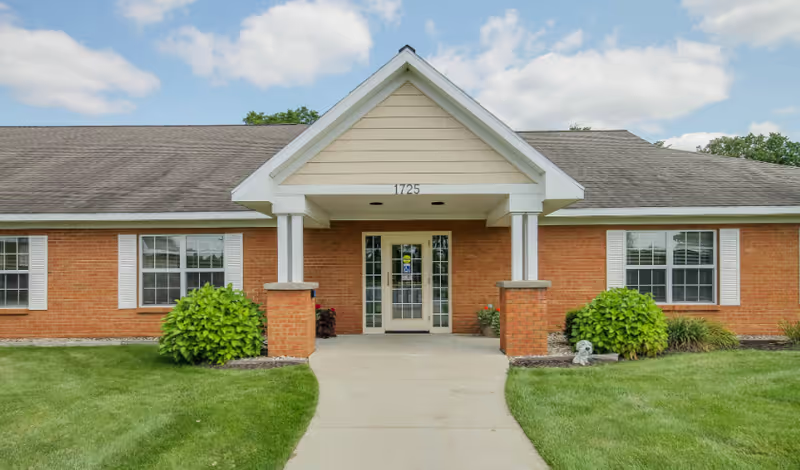
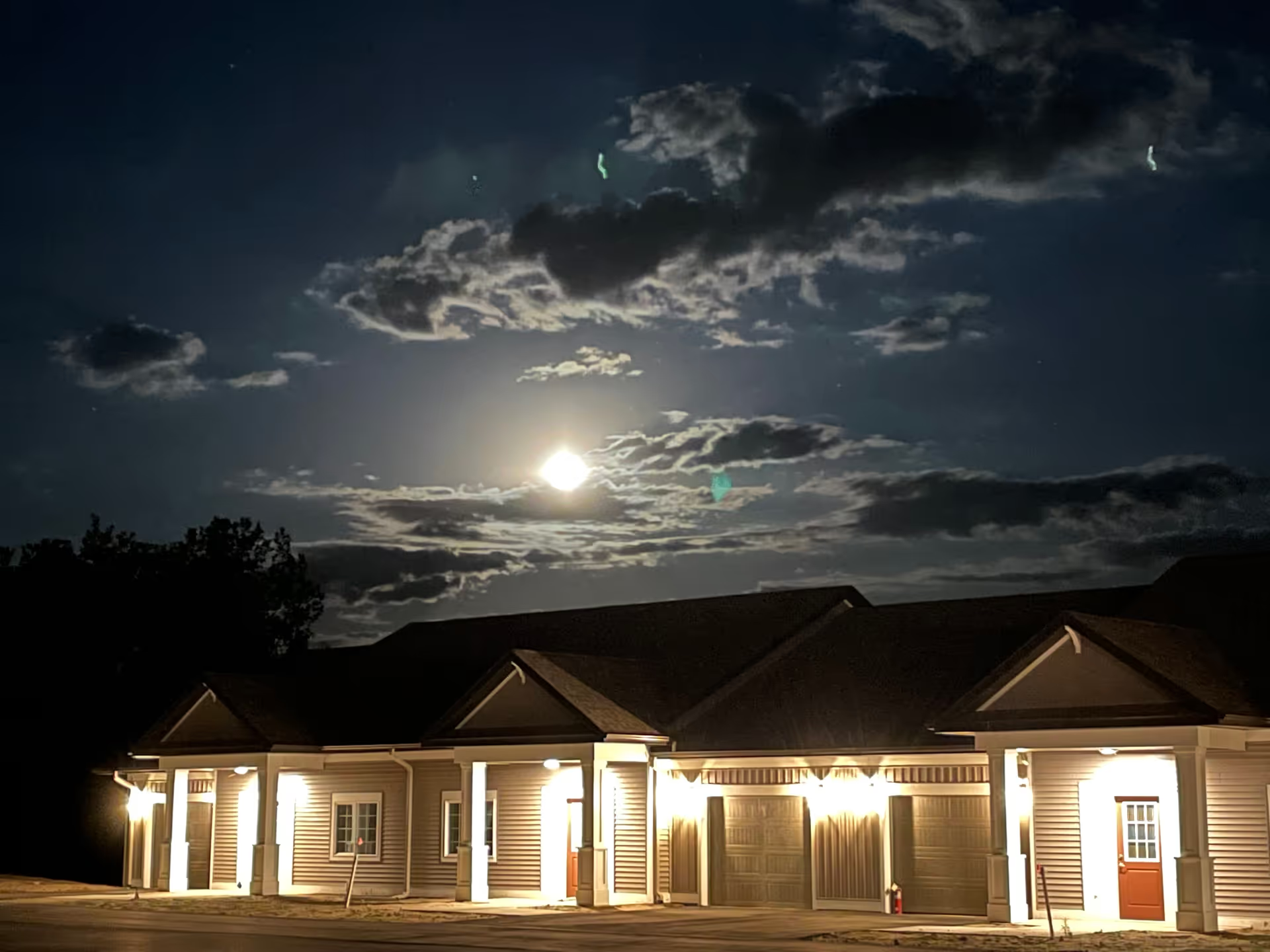
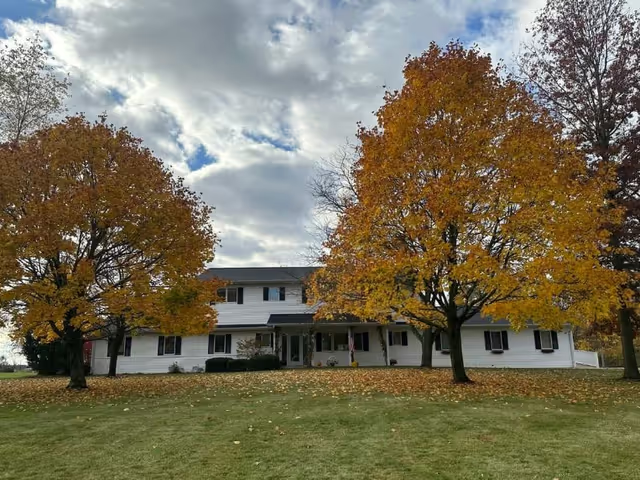
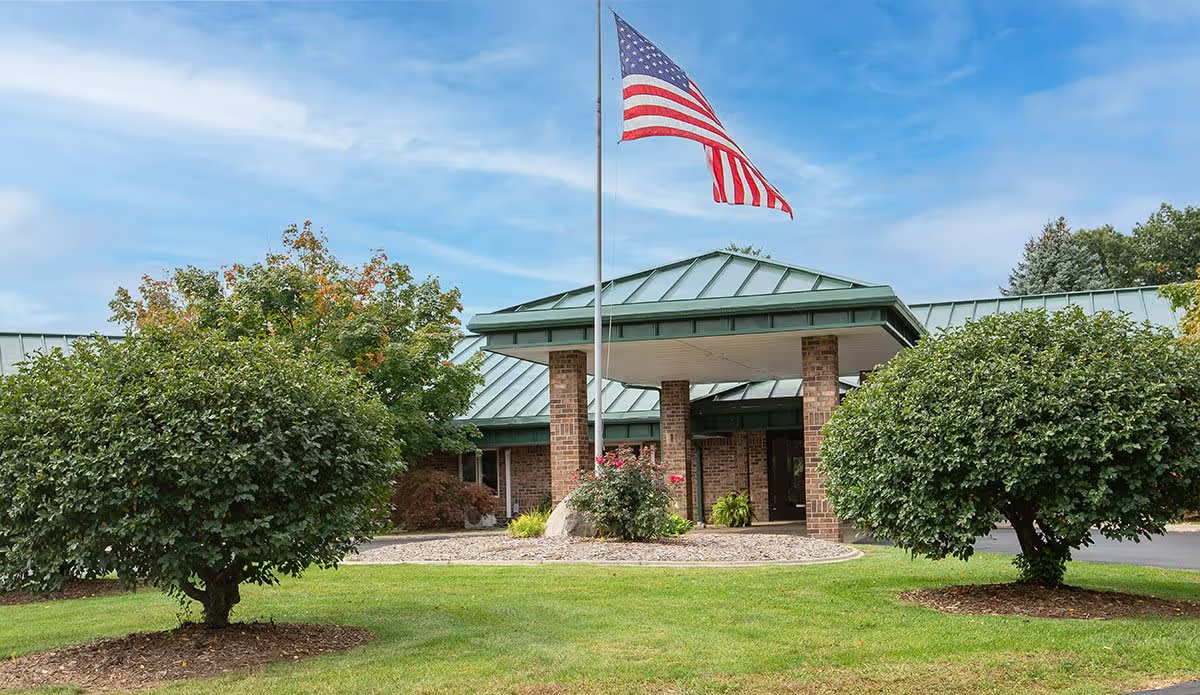
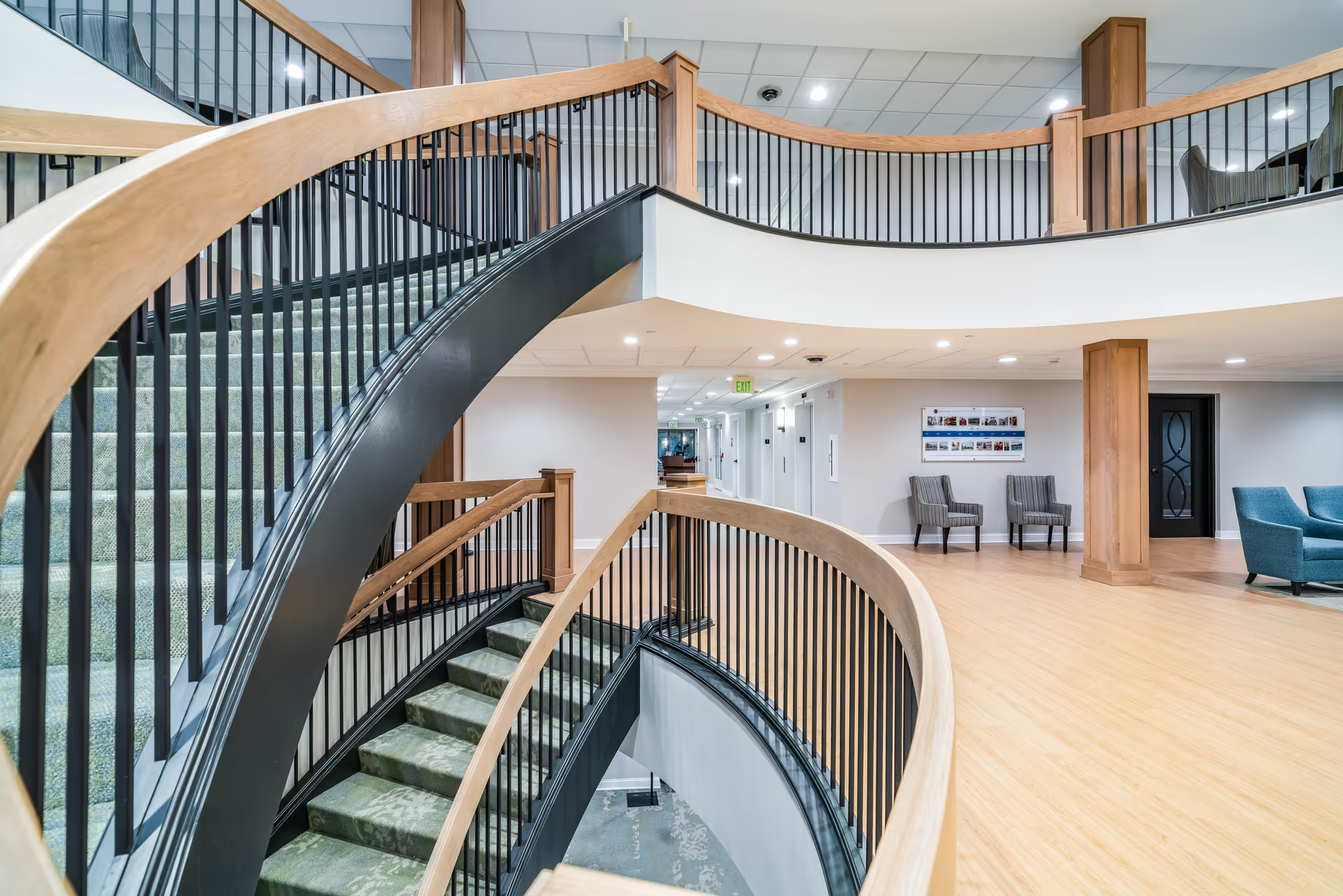
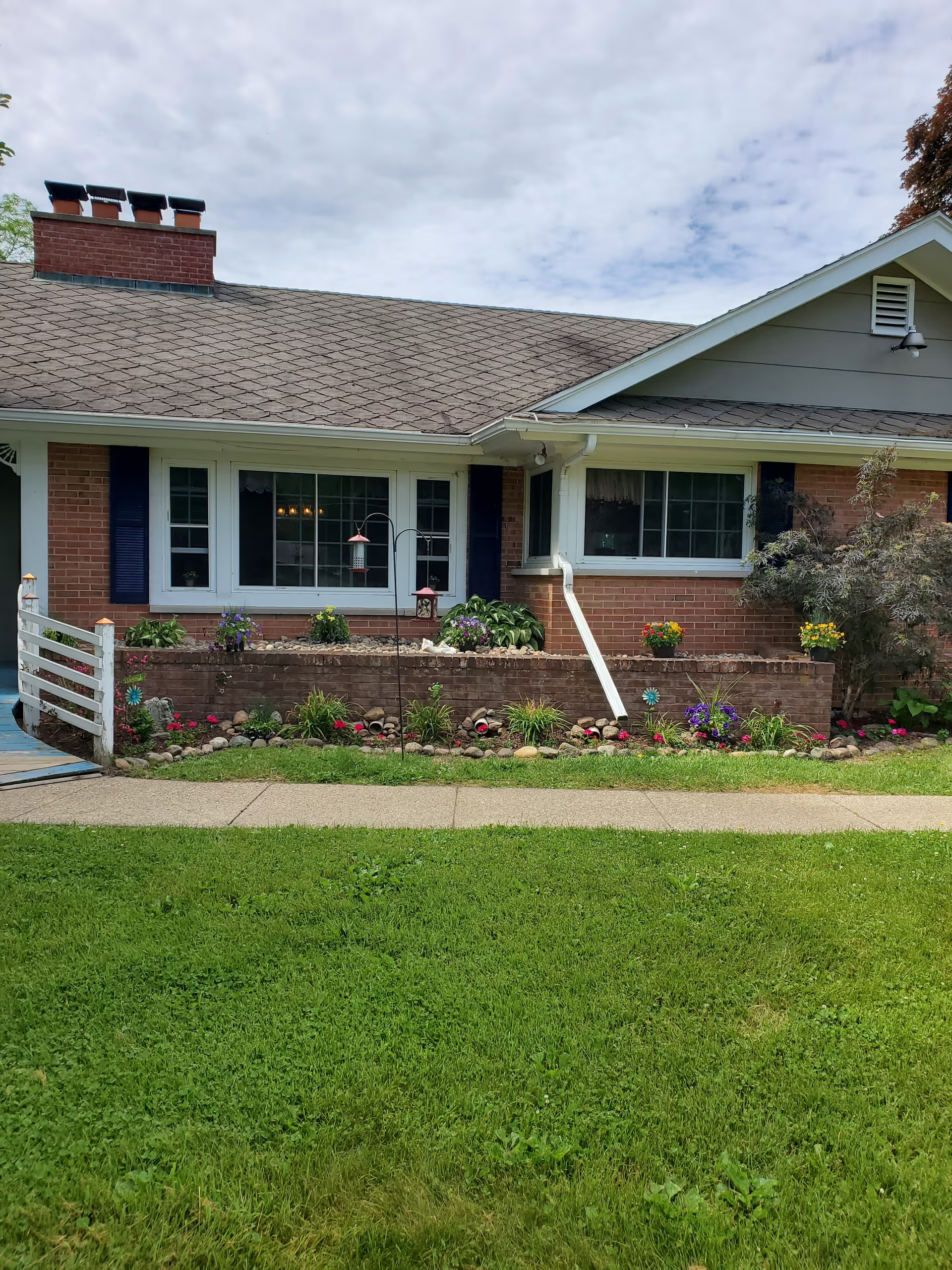
Clearstream Rehabilitation and Nursing Center elicits a mixture of positive and concerning impressions. Many families and visitors highlight strengths in direct resident care, rehabilitation services, and activities programming. Nursing and caregiver staff are frequently described as compassionate, attentive, and person-centered; several accounts describe nurses and CNAs taking extra steps to communicate with families, kneeling to speak with residents at eye level, and delivering individualized rehabilitation after stroke or surgery. Therapy and rehab services receive specific praise for supporting recovery and functional gains.
Staffing and care consistency are a recurrent theme on both sides of the ledger. Positive reports emphasize long-tenured employees, a sense of familial culture among staff, and visible nursing leadership (including a highly regarded director of nursing). Conversely, other commentary points to variable staff engagement, teamwork challenges across departments, and inconsistent overnight supervision. Related operational weaknesses include delays in resident checks, concerns about pain-management practices, and gaps in medication administration protocols. These patterns suggest the facility can provide high-quality care but may have uneven performance tied to staffing levels and shift coverage.
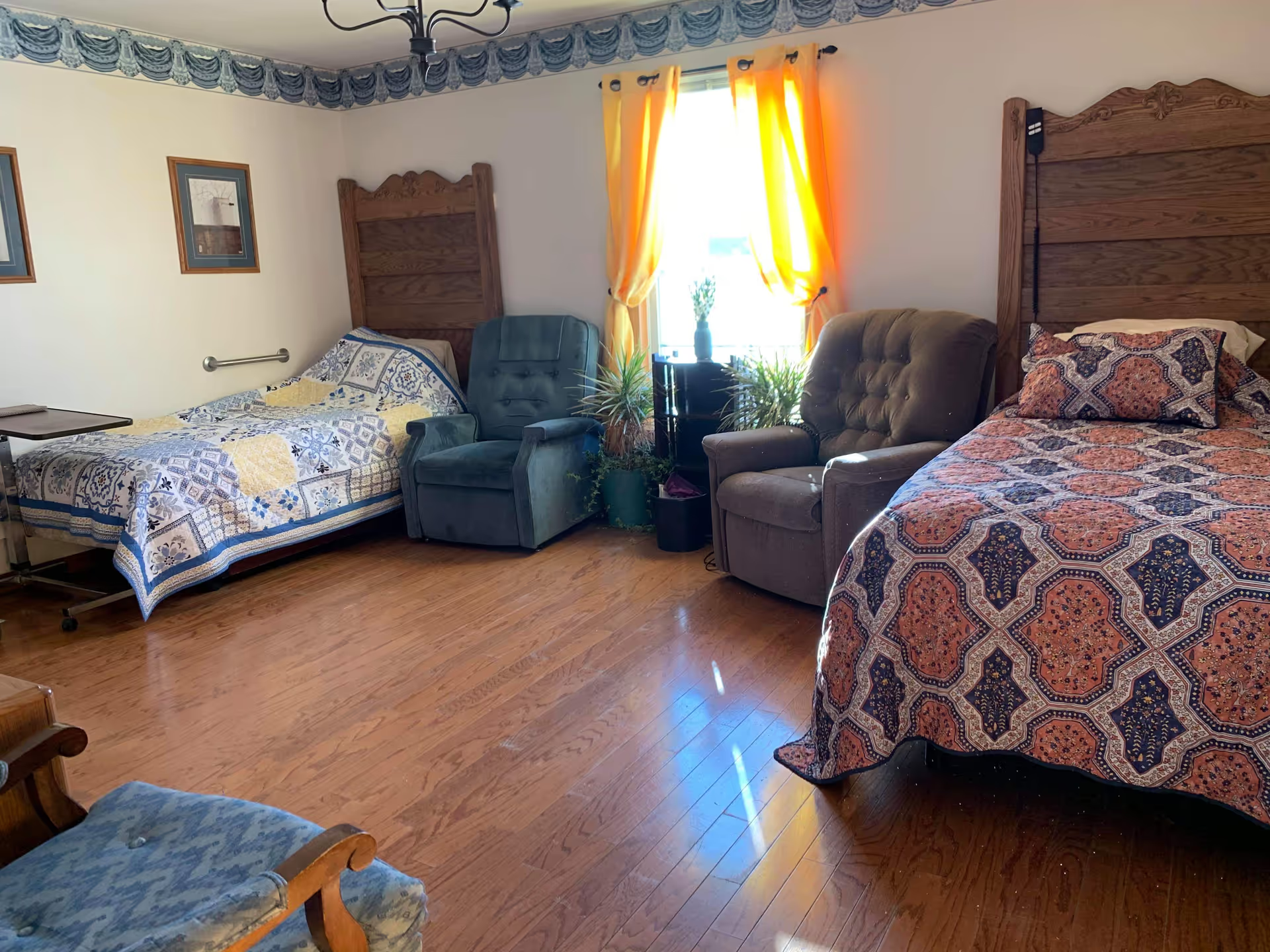
Dining and housekeeping feedback is mixed. Several reviewers described clean rooms and recent facility upgrades, a home-like atmosphere, and well-run holiday or family events. The activities department is repeatedly called out as a strength — inclusive programming, seasonal events, child-friendly visits, and an engaged activities director contribute to a lively social environment. At the same time, there are recurring notes about menu appeal and meal quality, and some reviewers raised sanitation and odor concerns in particular areas. These observations point to generally acceptable maintenance with room for improvement in consistent housekeeping and food services.
Operational and administrative issues appear as a second major pattern. Positive experiences cite effective family updates and rehabilitation coordination, while critiques reference limited office hours for family access, restricted access to personal belongings, inconsistent admission/insurance acceptance decisions, and uneven responsiveness from management or administrators. Communication breakdowns between departments were reported, producing frustration when care coordination or information transfer is required. There are also isolated but serious reports alleging inappropriate staff conduct; these allegations warrant follow-up and verification through facility management or regulatory channels.
Overall, Clearstream shows clear strengths in hands-on caregiving, rehabilitation outcomes, and an active activities program, supported by committed individual staff members and some strong clinical leadership. Offsetting those strengths are operational inconsistencies tied to staffing, interdepartmental communication, dining consistency, and policies governing personal items and access. Prospective residents and families should consider an in-person tour, ask about current staffing ratios (including overnight coverage), medication and pain-management protocols, meal planning, property-access policies, and the facility’s process for handling complaints or serious conduct concerns before making a placement decision.