Overall impression: Reviews present a mixed but distinct pattern. Many families and short-stay patients praise Holt Senior Care & Rehab Center for its rehabilitative strengths, caring aides, and active social programming; at the same time a set of recurring operational weaknesses—particularly around nursing consistency, staffing levels, and administration—are described often enough to be a significant consideration for prospective residents.
Care quality: Rehabilitation and therapy emerge as clear strengths. Physical therapy staff receive consistent praise for effective, recovery-focused programs and individualized attention, and some residents showed measurable improvement and weight gain. Nursing and clinical care are more variable: while aides are frequently described as compassionate and attentive, several accounts cite delays in medication administration and pain control, inconsistent wound and dressing management, and gaps in repositioning/pressure-injury prevention. These patterns suggest variability in clinical oversight and shift-to-shift consistency rather than uniform performance across the facility.
Staff and responsiveness: Staff demeanor is a major differentiator. Many reviewers describe warm, family-like interactions, patient and professional aides, and strong communication from specific care teams. Conversely, other comments note slower call-light responses, abrupt or unempathetic communication from particular staff, and examples of unprofessional conduct. The combined picture is one of generally strong frontline caregivers with periodic lapses tied to staffing and supervisory practices.
Dining and nutrition: Opinions about food are mixed. Some families appreciated meal assistance and accommodations for picky eaters; others described food that was bland, served at incorrect temperatures, or not aligned with prescribed therapeutic diets (for example, diabetic or texture-modified needs). These reports point to inconsistent diet-management processes in the kitchen and dining service that are important to verify for residents requiring specific dietary regimens.
Activities and environment: The facility offers a robust activity schedule, often with morning and afternoon sessions including music therapy, singing groups, bingo, guest speakers, and other social programming. Common areas and the lobby (including a bird aviary) are frequently described as attractive and well-maintained, supporting social engagement and frequent visitation. These programmatic strengths are repeatedly cited as contributors to resident well-being.
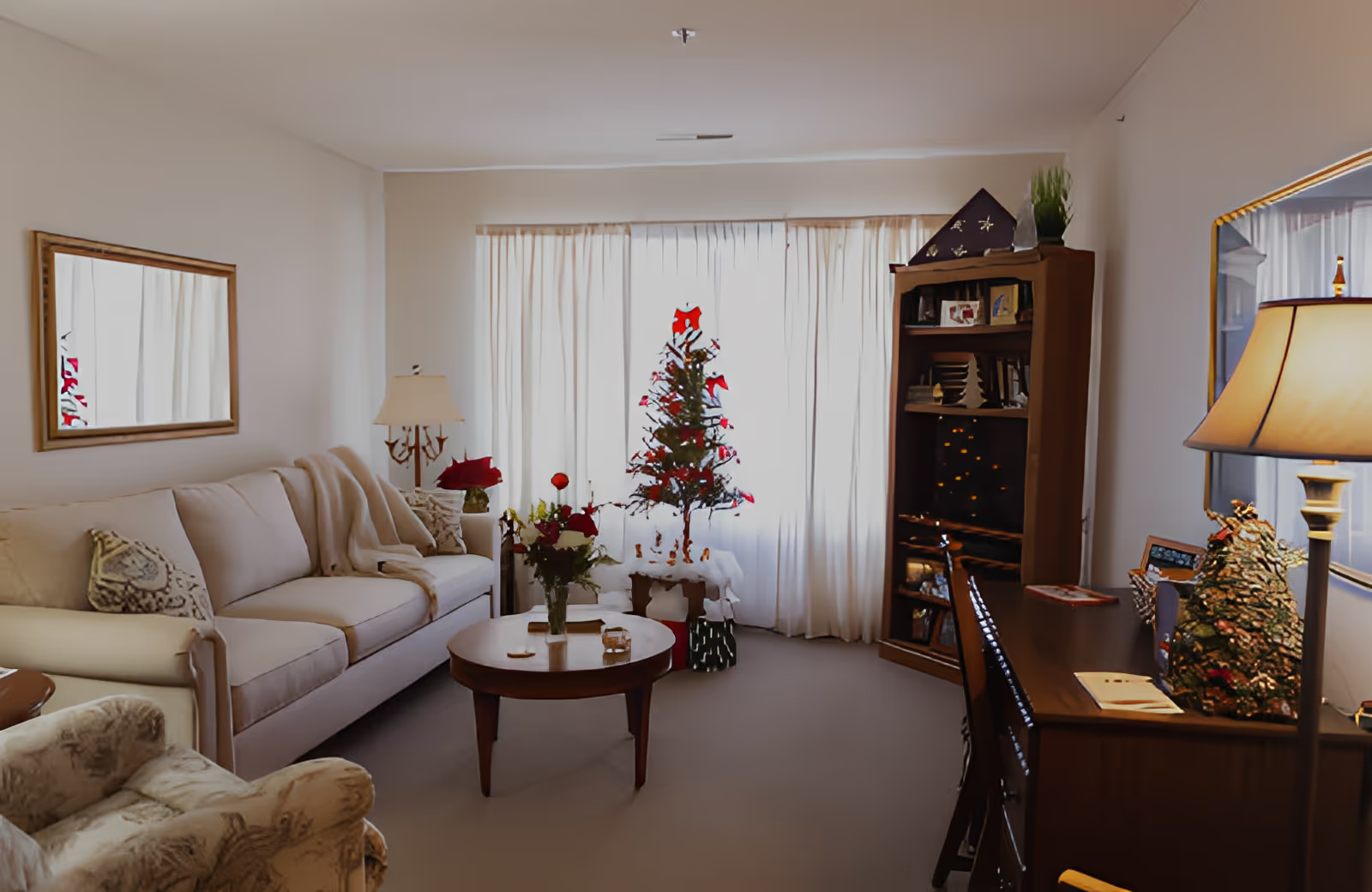
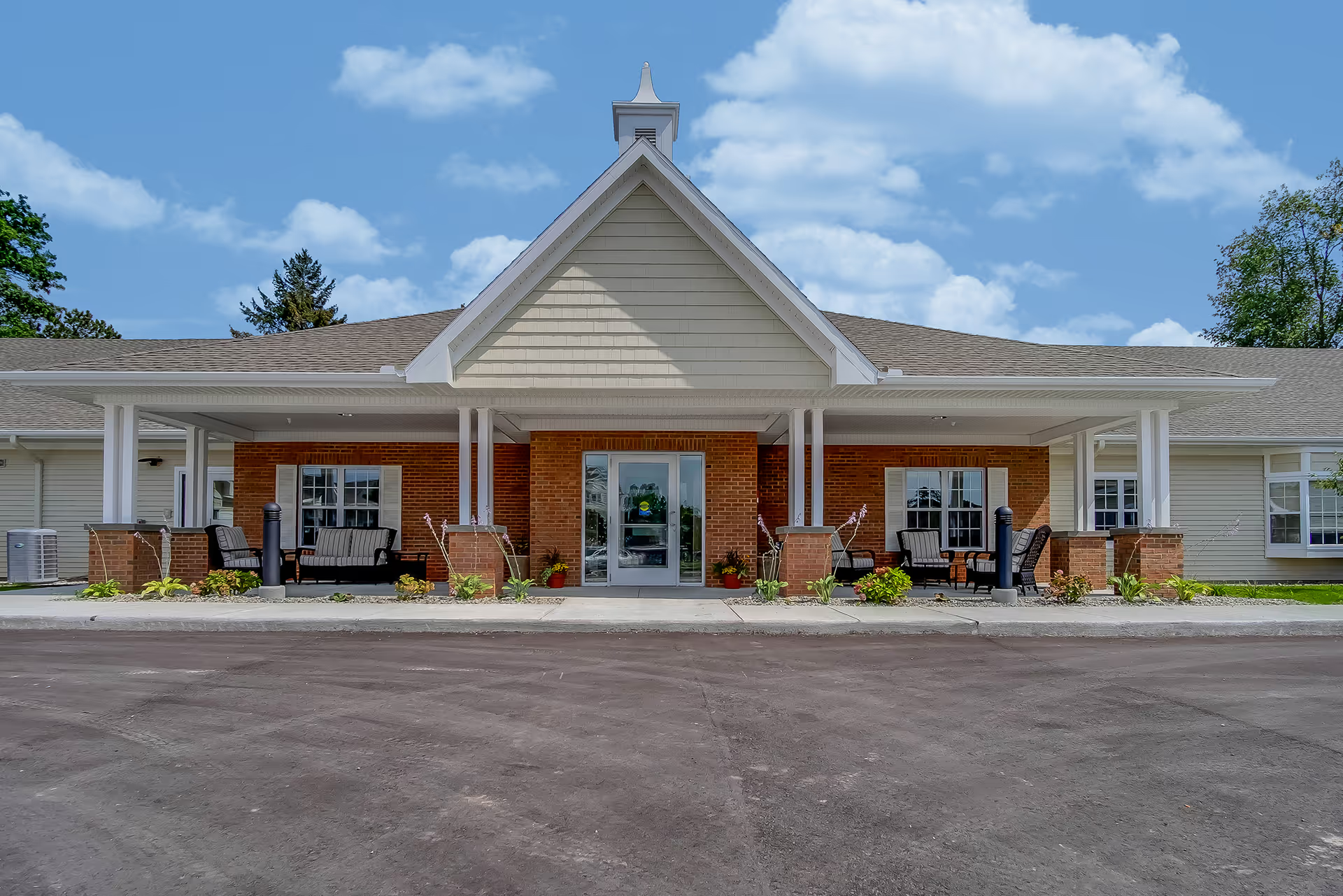
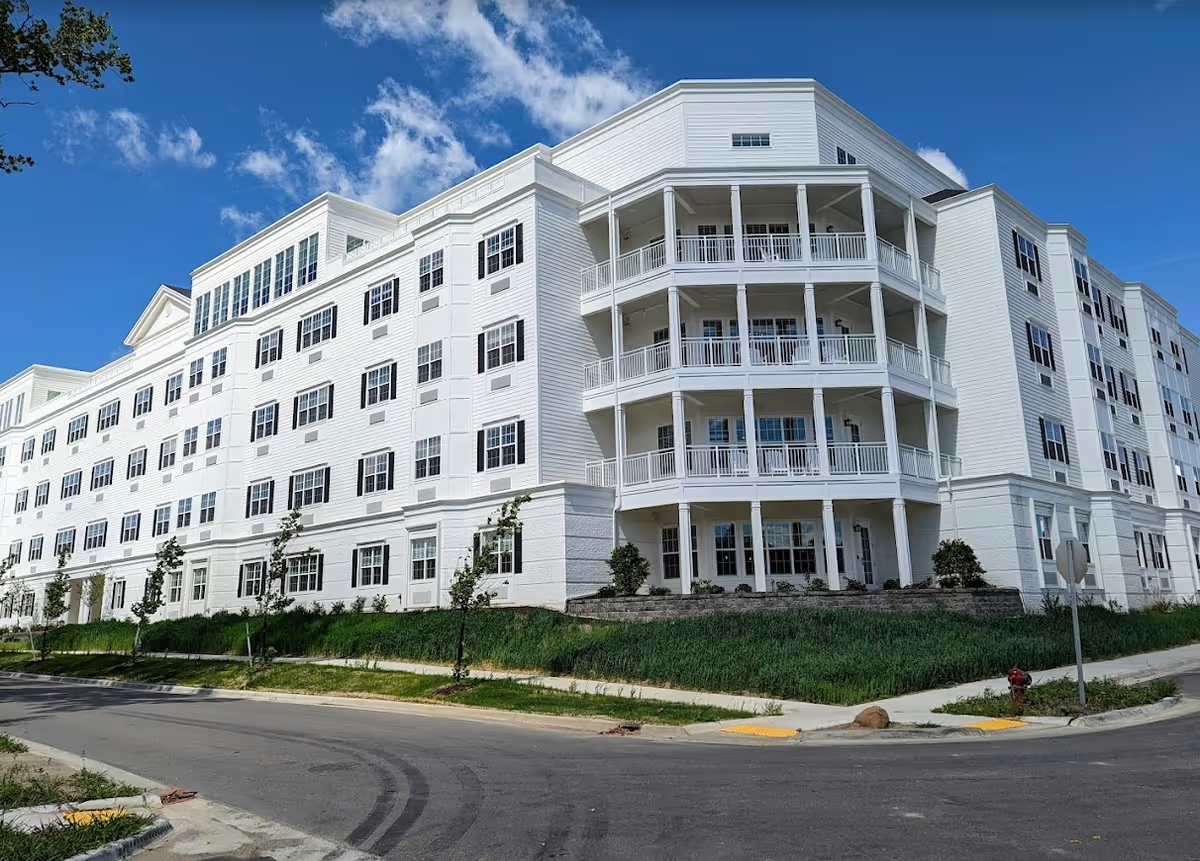
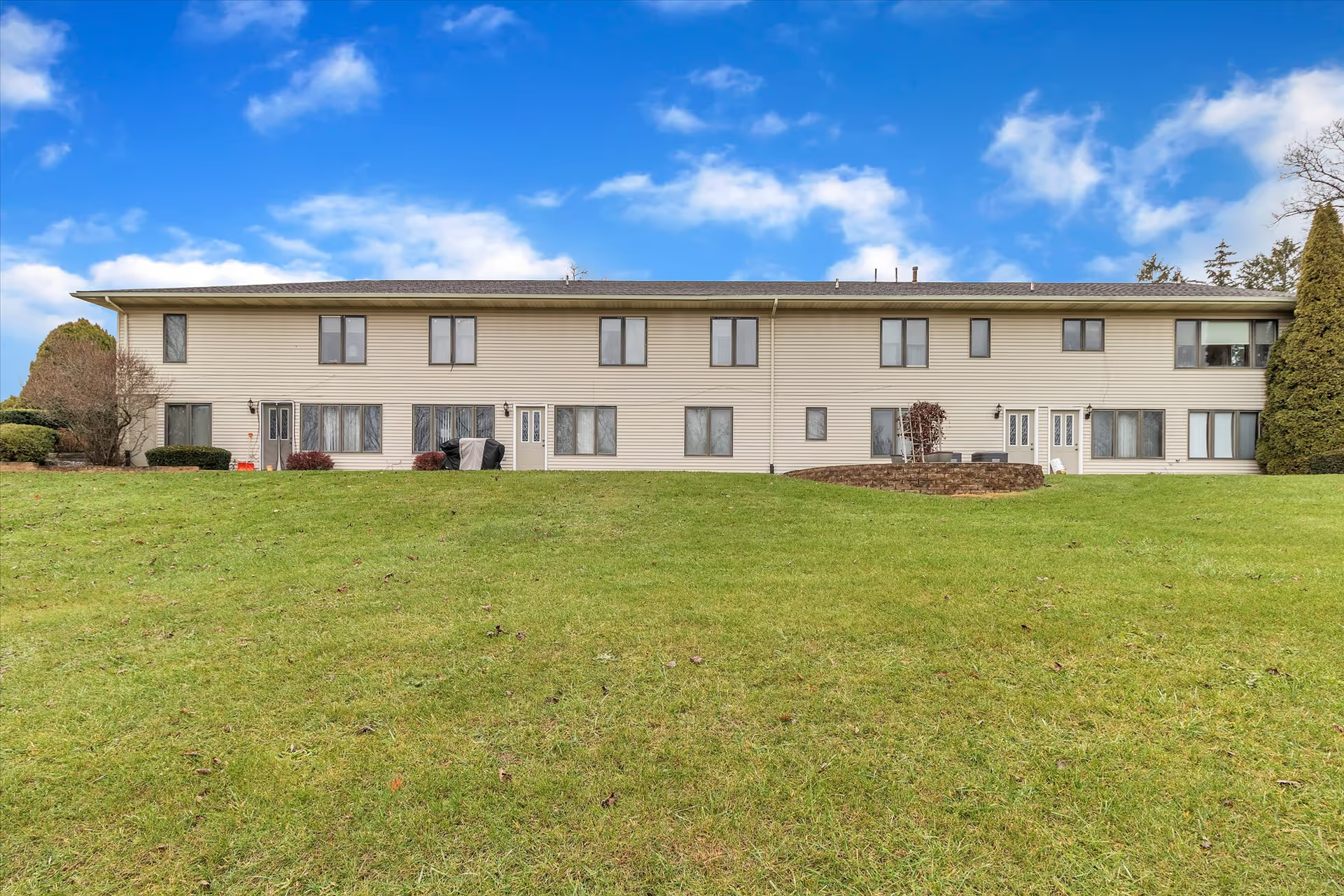
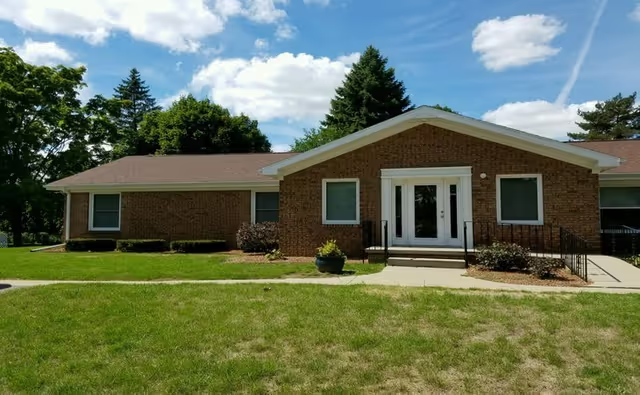
Facilities and management: The building is described as older in design. Many reviewers compliment clean, pleasant common spaces and accessible visiting areas; however, private and shared patient rooms are often characterized as small, dark, and in need of renovation, with narrow doorways and undersized bathrooms that may limit mobility-device access. Housekeeping and sanitation appear inconsistent in some units, and there are recurring administrative concerns: delays in paperwork and billing, poor communication with families, and instances of missing or mishandled personal property. There are also a small number of serious allegations regarding property handling and financial processes that families should investigate directly.
Notable patterns and considerations: Holt appears to be strongest as a rehab-focused option with an active activities program and many compassionate frontline caregivers. The most important patterns to probe during a tour and admissions discussion are staffing levels (especially nights and weekends), nurse oversight and wound/pressure-injury protocols, adherence to therapeutic diets, housekeeping standards, and property-handling and billing procedures. Asking for current staffing ratios, examples of diet- and wound-care policies, and the facility’s lost-property procedures will help families weigh the positives against the operational risks noted in reviews.