The reviews present a mixed but distinct pattern: many families describe Grandhaven Living Center as a warm, well‑appointed community with strong life‑enrichment programming and generally attentive caregiving, while other accounts highlight operational and staffing challenges that affect day‑to‑day reliability. Strengths repeatedly cited include compassionate, family‑oriented staff, robust memory‑care services, bright and spacious apartments, attractive grounds, and an active activities calendar. Multiple reviewers praised the on‑site therapy resources, chapel and social events, and the community dining atmosphere. Several accounts also emphasize management responsiveness and quick resolution when leadership is engaged.
Care and staff: Care quality is portrayed positively by a substantial number of families, who note caregivers who know residents by name, provide supportive end‑of‑life care, and help with daily needs. At the same time, a consistent operational concern centers on staffing levels and staff continuity. Reviewers described slow response times to calls or doorbells, long waits for bathroom assistance, and periods when mealtime supervision was limited — issues that suggest staffing allocation and training gaps. There are also reports indicating variability in staff conduct and communication tone, as well as high turnover that can leave inexperienced personnel on shift. Reviewers recommend clarifying staffing ratios, training practices, and contingency staffing for absences.
Dining and nutrition: The facility’s culinary program receives generally favorable comments for variety, home‑cooked impressions, and community dining; many residents enjoy the menus and social meals. However, there are recurring concerns about inconsistent accommodation of special diets (notably lactose‑free options), discontinued specialty nutrition items, limited alternatives on some days, and occasional problems with meal timeliness or temperature. These patterns point to a need for clearer diet‑management protocols and consistent menu substitutions for residents with dietary restrictions.
Activities and engagement: Life enrichment is a clear strength: reviewers describe a wide range of activities, musical programs, exercise classes, outings, and a new therapy room. The programming appears to support social connection and purpose for many residents. For residents with memory impairment, some families reported a need for more frequent reminders or more tailored cueing, indicating that activity delivery and reminders may require closer alignment with cognitive support needs.
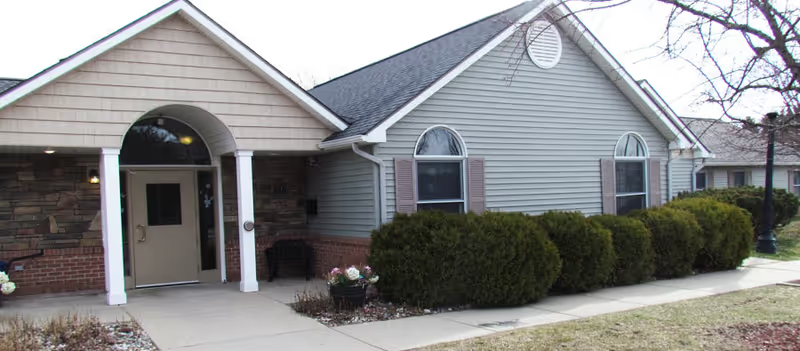
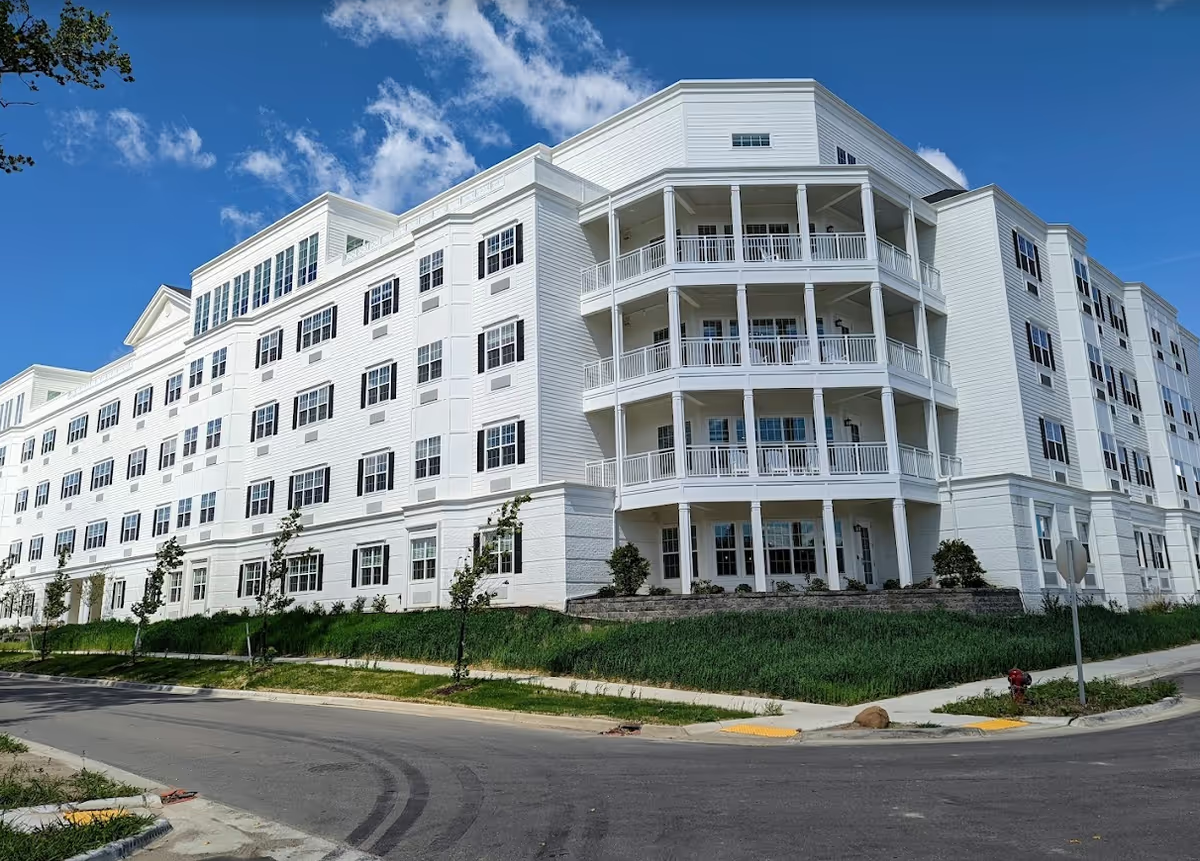
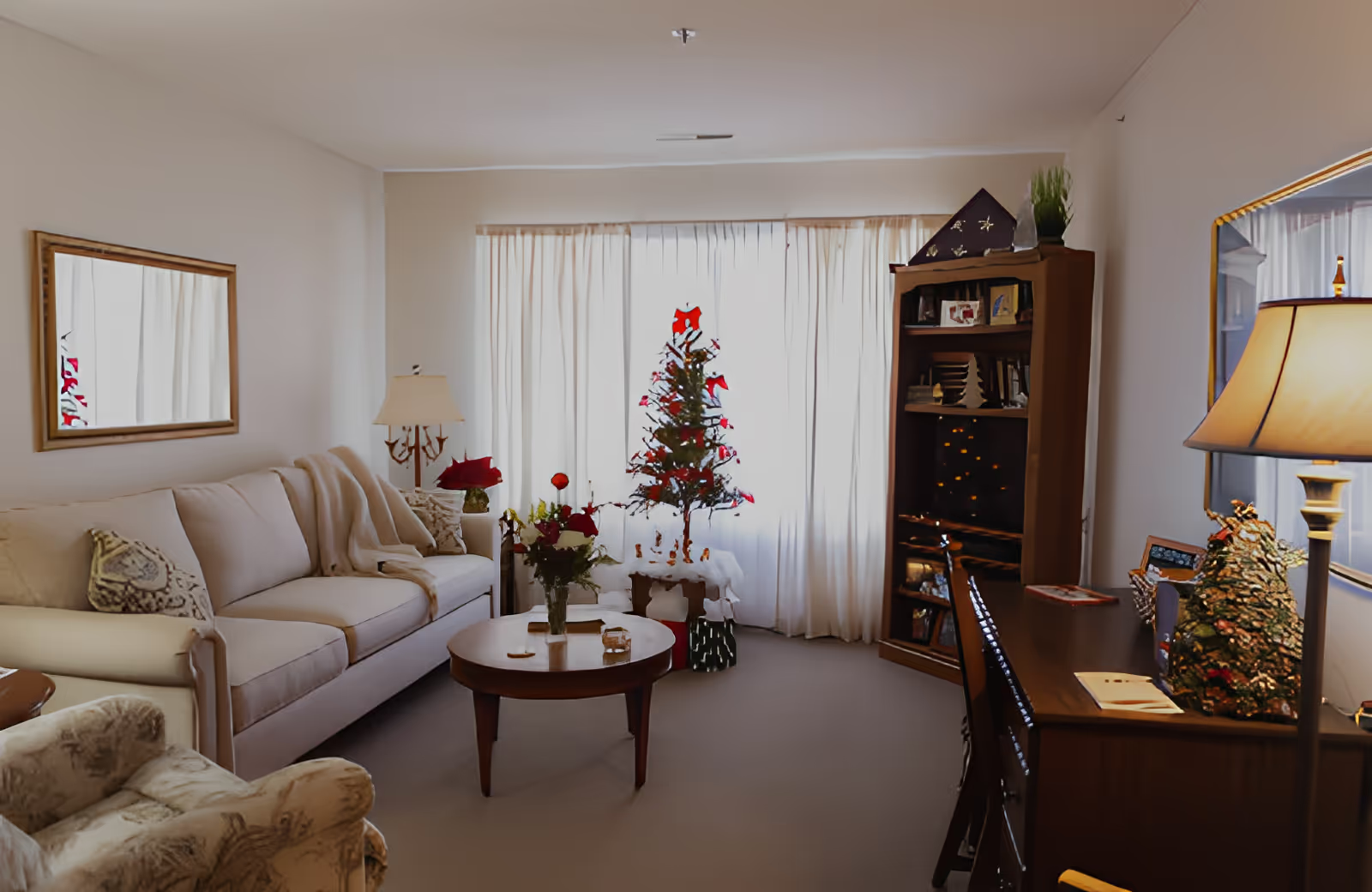
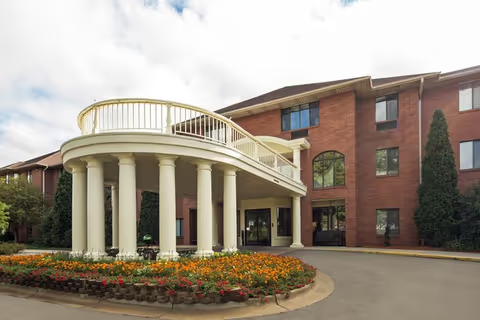
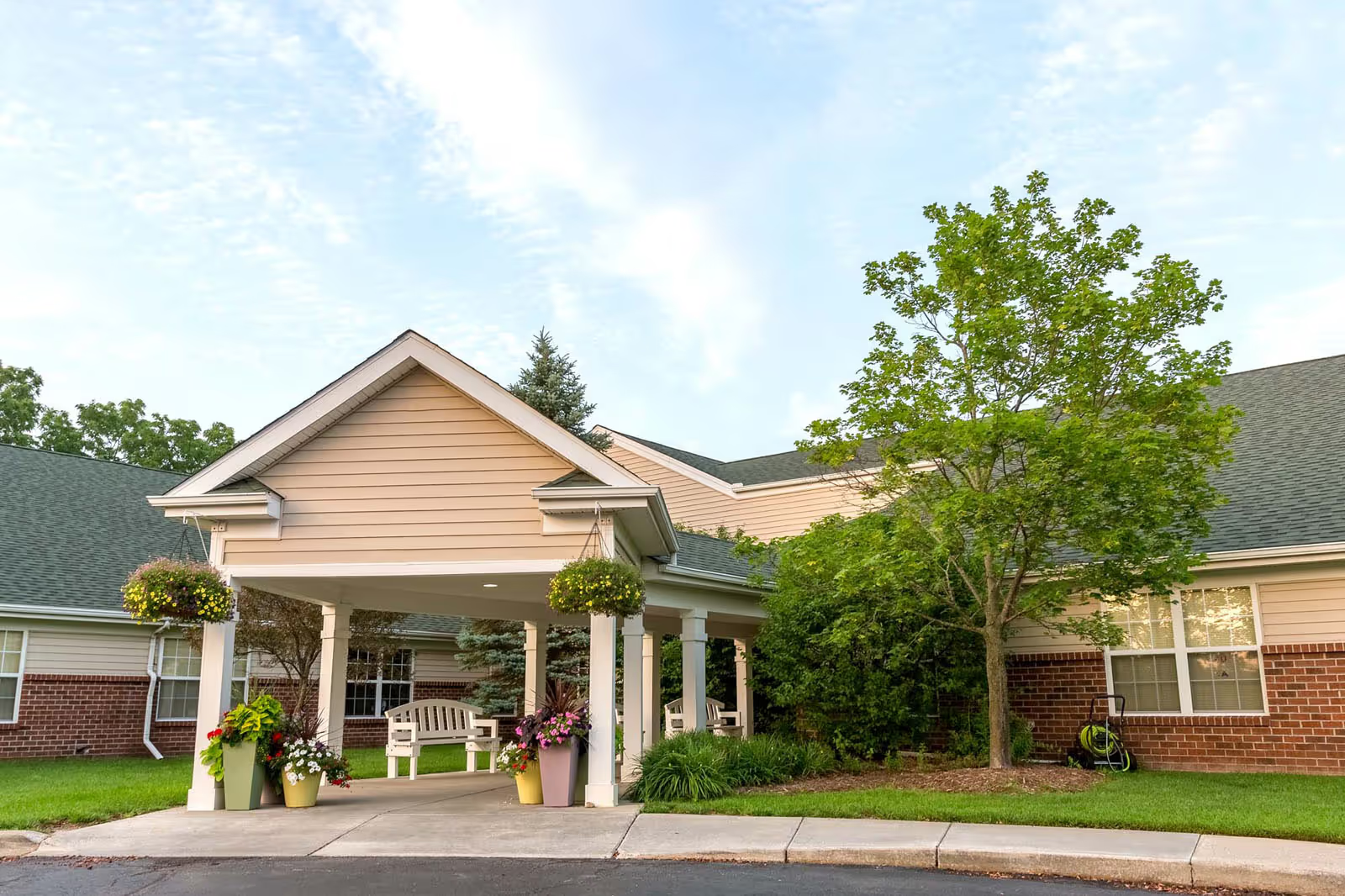
Facilities and maintenance: Physical spaces receive strong positive feedback — remodeled interiors, roomy apartments with patios, clean common areas, and pleasant landscaping. Conversely, a subset of reviews points to uneven maintenance responsiveness (e.g., delays in repairs, exterior sanitation/groundskeeping concerns) and occasional sanitation or staff‑hygiene inconsistencies during dining. Prospective residents should observe common areas and ask about routine maintenance schedules and pest‑control/cleaning protocols during tours.
Management and operations: Management responsiveness appears variable: several reviewers describe helpful, communicative leadership that resolves issues, while others report billing disputes, front‑office confusion, rent increases, and difficulty recovering deposits. These operational inconsistencies suggest the need for clearer administrative processes and improved family communication. Given the mixed feedback, families are advised to request written policies on billing, deposits, medication administration, staff training, and complaint resolution.
Notable patterns and practical advice: The overall pattern is polarized — many families are highly satisfied with the caregiving, activities, and physical environment, while a smaller but consequential set of families have experienced lapses in staffing, communication, dietary accommodation, or medication controls. When assessing Grandhaven, prospective residents and families should: review current staffing ratios and turnover statistics, confirm medication‑administration and incident‑reporting policies, ask how special diets are handled (including specific substitutions), tour dining service during a meal, and request examples of recent maintenance and billing resolutions. This targeted inquiry will help determine whether the facility’s strengths align with an individual’s care needs and expectations.