Overall impression: Reviews present a largely positive portrait of Divine Life Assisted Living Center of Lansing, with frequent praise for the facility’s caring culture, active programming, and clean, accessible physical plant. Many families highlight warm, resident-centered staff, a welcoming admissions experience, and a strong activities calendar that includes notable events such as an annual senior prom. The facility’s one-level layout, on-site kitchen, and evident family involvement are commonly cited as practical strengths for prospective residents.
Care and staff: The staff are frequently described as compassionate, attentive, and knowledgeable about memory-loss needs; several accounts emphasize strong one-on-one connections between caregivers and residents, prompt urgent notifications to families, and an emotionally supportive environment. At the same time, reviews reflect variability in staff conduct and performance: some reviewers report lapses in professionalism or care consistency. A few reviewers raised serious safety-related concerns—most notably around medication handling and the management of residents with diabetes—which suggest there are gaps in clinical procedures or staff training in certain circumstances.
Dining and nutrition: Dining is generally praised. The facility offers on-site meals with variety, kitchen access, and catering for events; many families report residents eat well and enjoy the food. However, there are isolated but significant concerns about inconsistent meal management for residents with specific medical needs (for example, diabetes). Prospective families should ask about dietary protocols and how individual meal plans are executed and monitored.
Activities and social life: The activities program is a clear strength. Reviews emphasize an active calendar, popular events (including the annual prom), and opportunities for family participation. Residents are described as engaged and well-supported socially, which contributes to a home-like atmosphere and resident satisfaction.
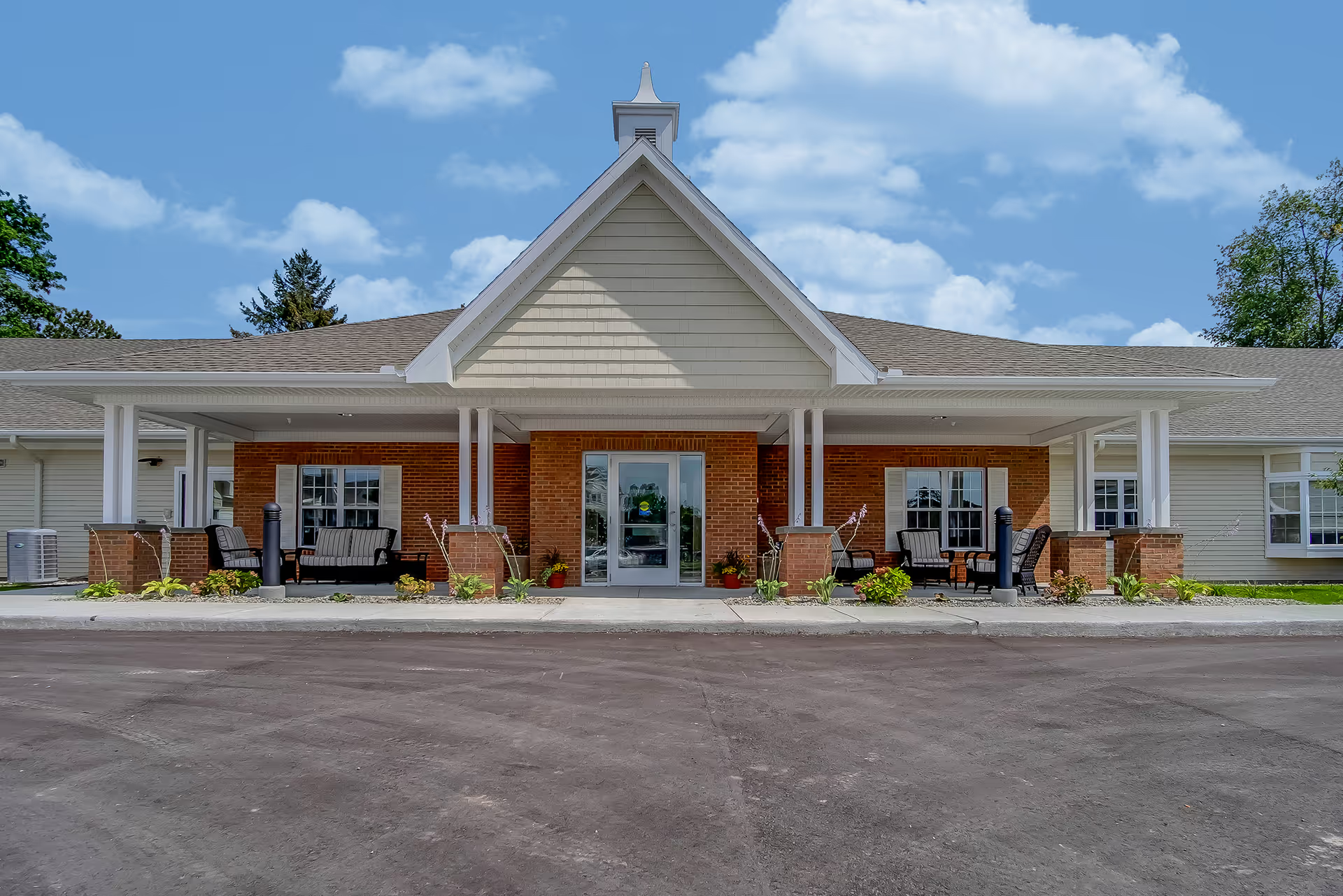
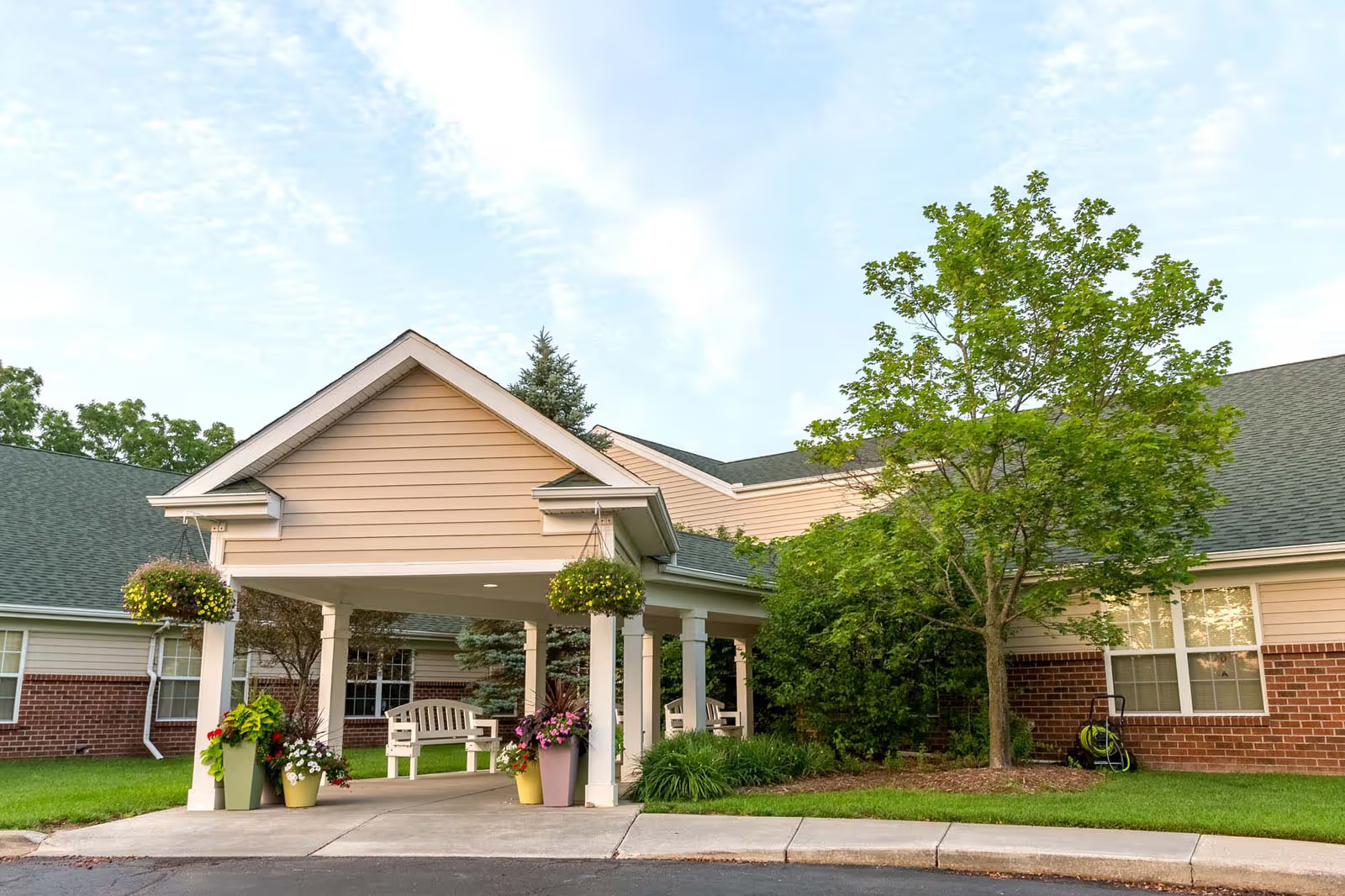
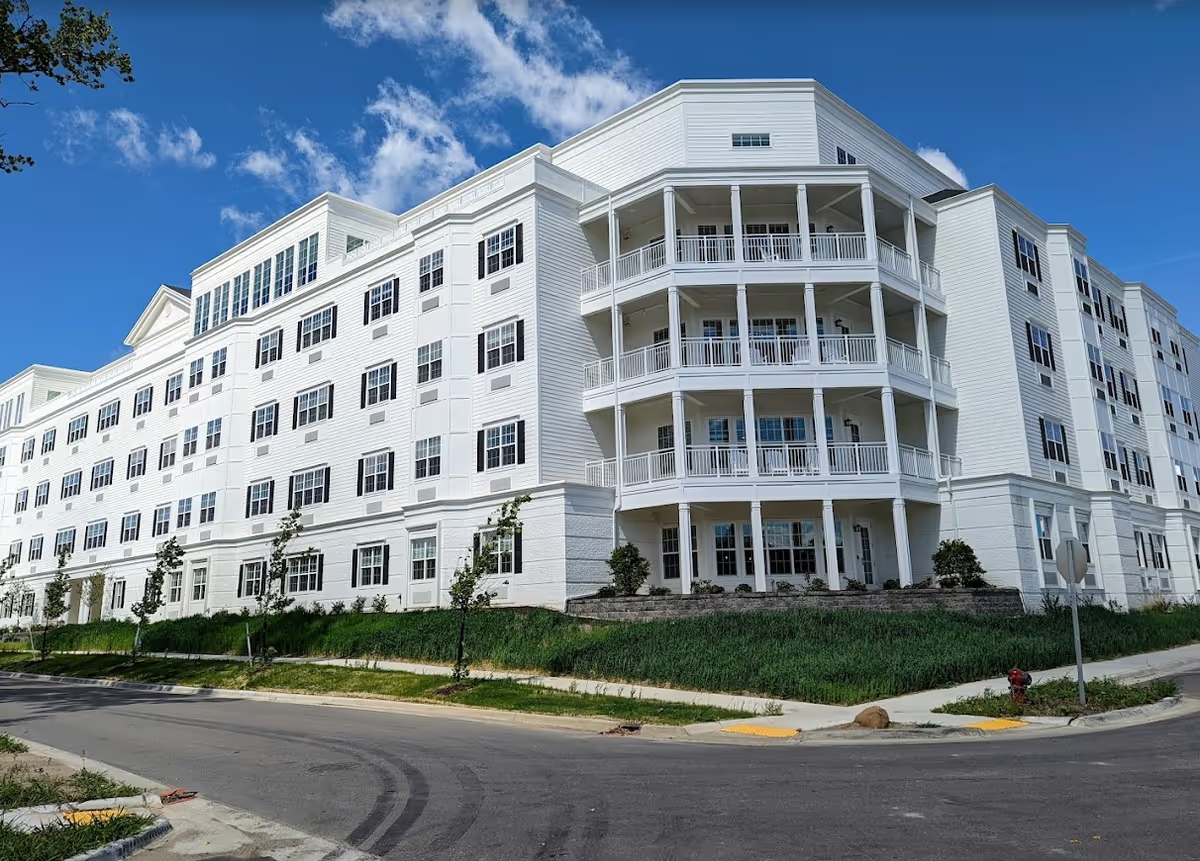
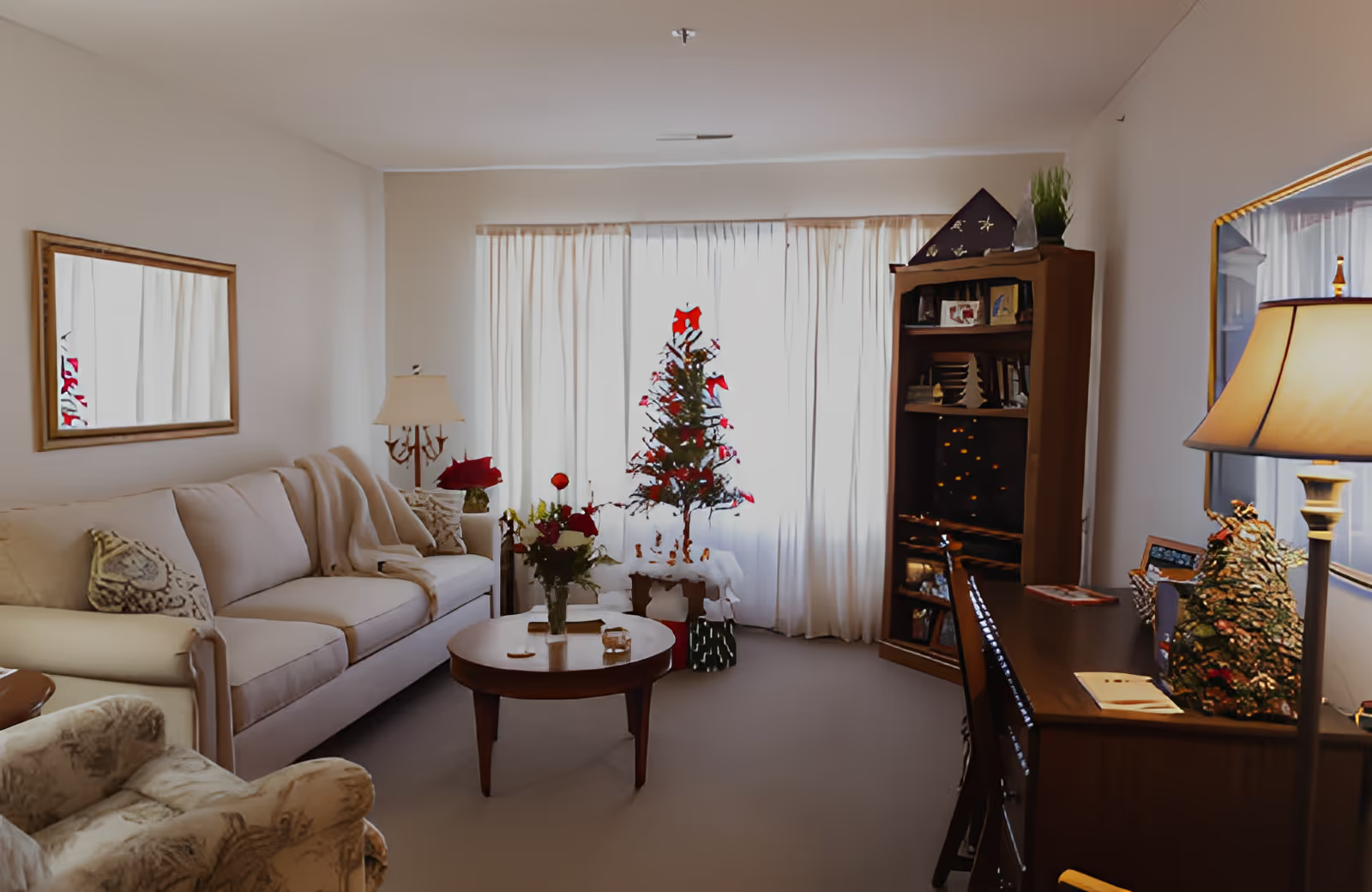
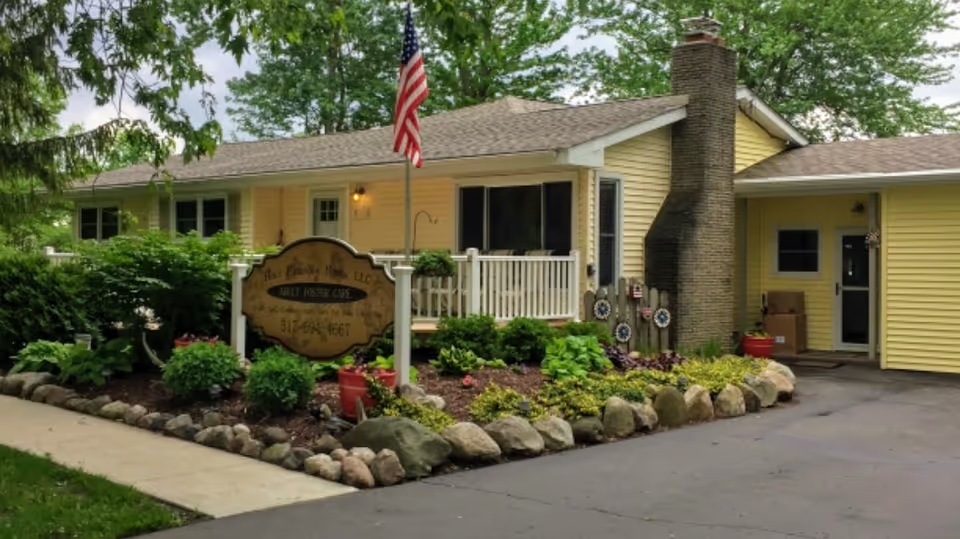
Facilities and cleanliness: The physical facility is described as clean, well kept, and tastefully decorated, with seasonal and holiday touches noted. The single-level design supports accessibility. Accommodation configurations vary; some rooms or units have shared bathrooms, which may affect privacy expectations for certain residents.
Management and operations: Management receives frequent commendation for leadership and hands-on involvement; specific staff members are called out positively by name. Nevertheless, experiences of management responsiveness and oversight are uneven across reviews. Operational patterns that emerge include scheduling and staffing practices that may impact continuity of care and staff morale. These operational traits appear linked to some of the cited inconsistencies in care delivery.
Notable patterns and recommendations for families: The dominant themes are strong interpersonal care, active programming, and a clean, accessible setting. Counterbalancing these positives are intermittent but substantive concerns about clinical protocols—especially medication administration and diabetes meal management—and inconsistent staff professionalism. Prospective residents and families would be well served to tour the unit, observe staff–resident interactions, ask about medication-administration procedures, inquire about individualized meal plans for medical conditions, confirm bathroom arrangements for specific rooms, and discuss staffing patterns and weekend coverage to assess continuity of care.