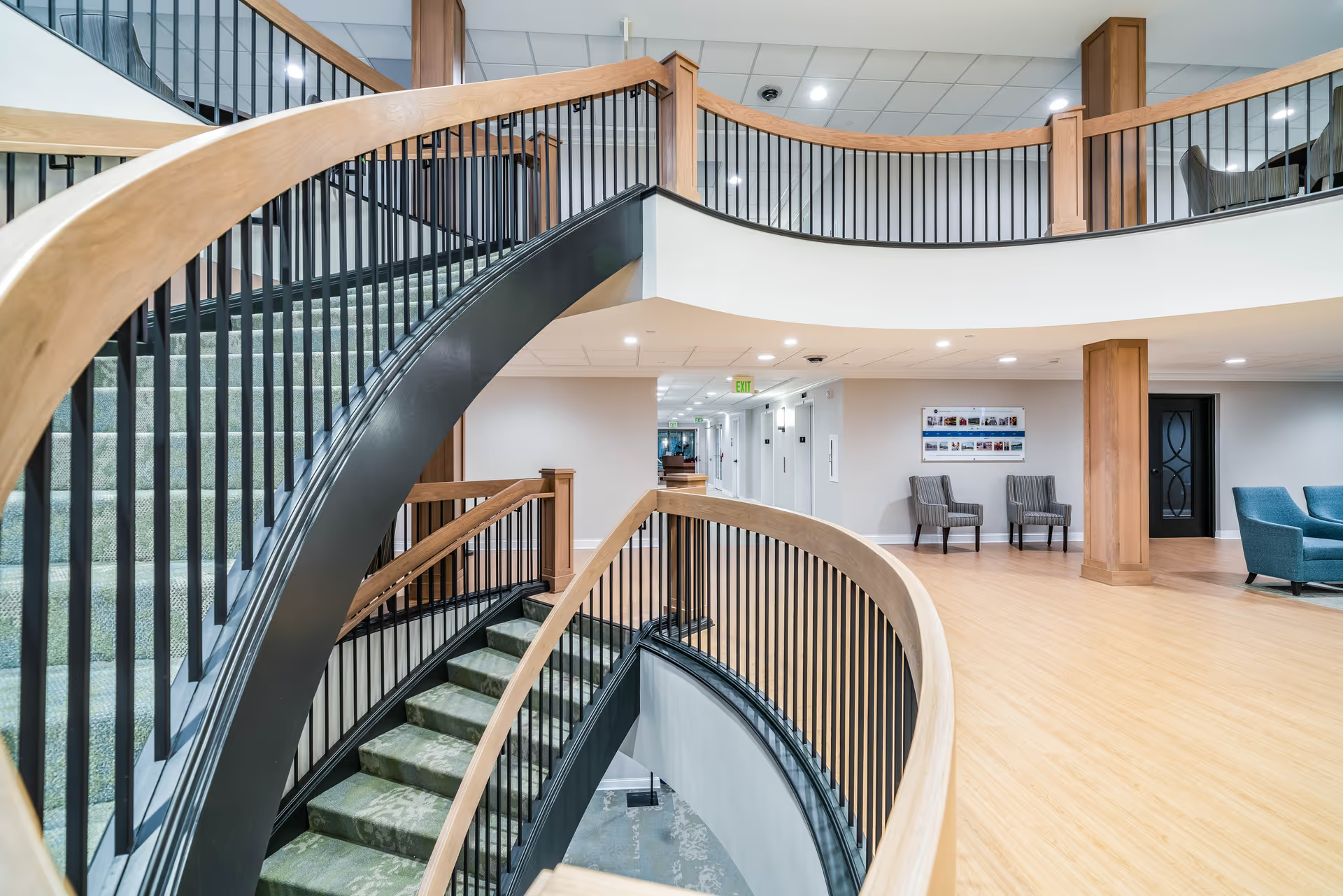
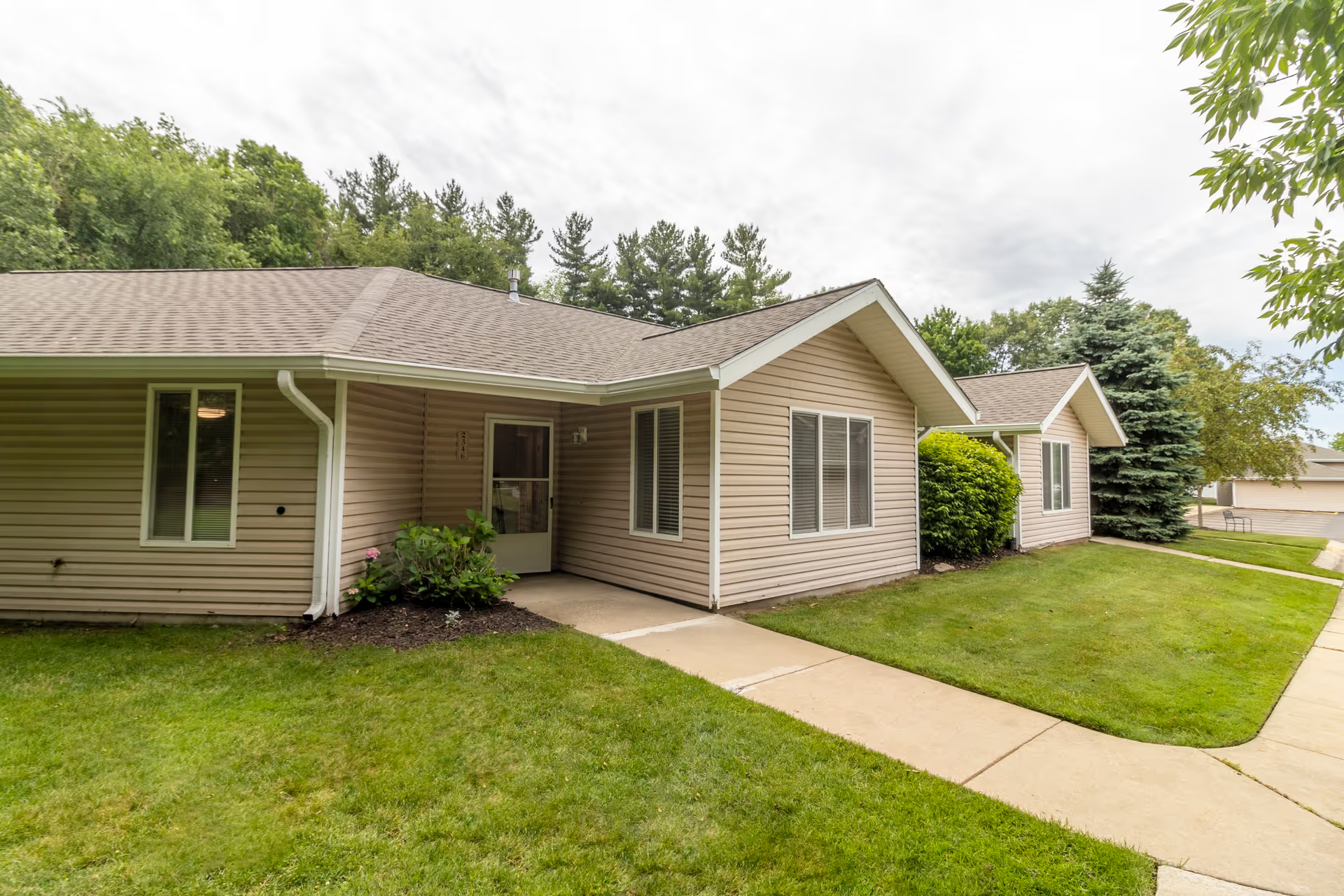
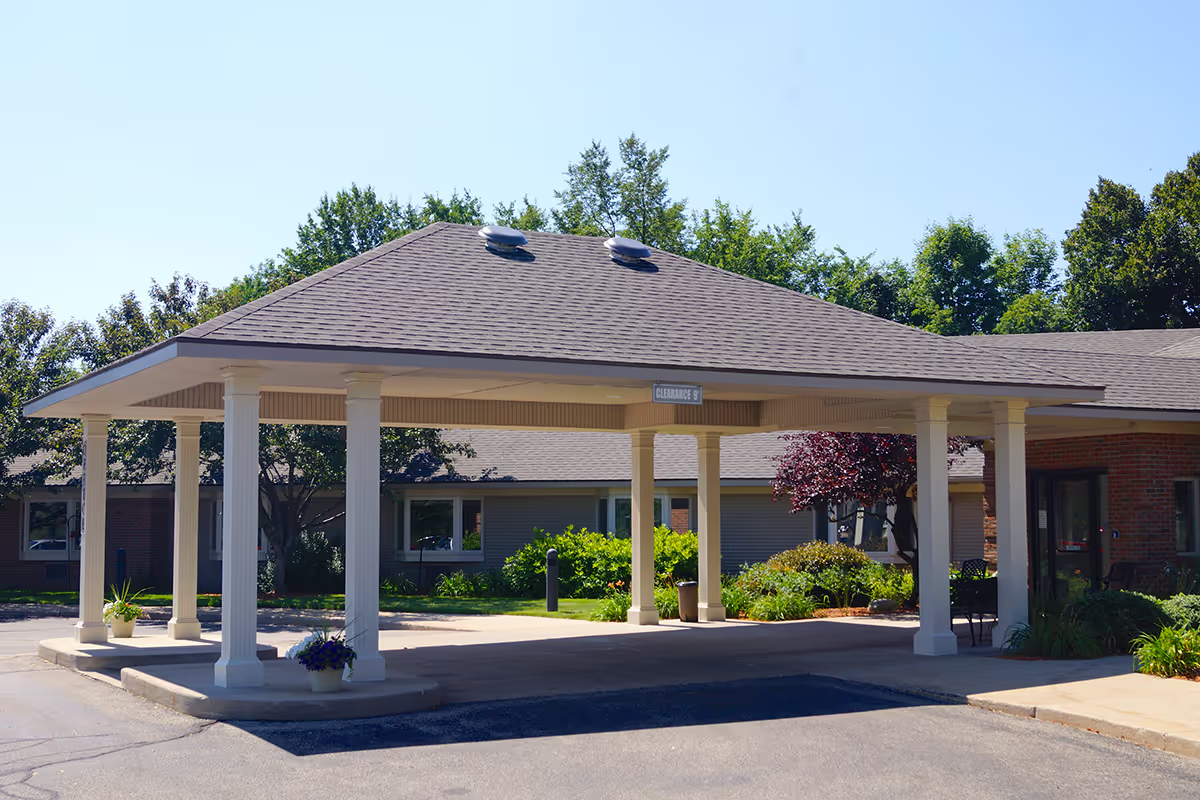
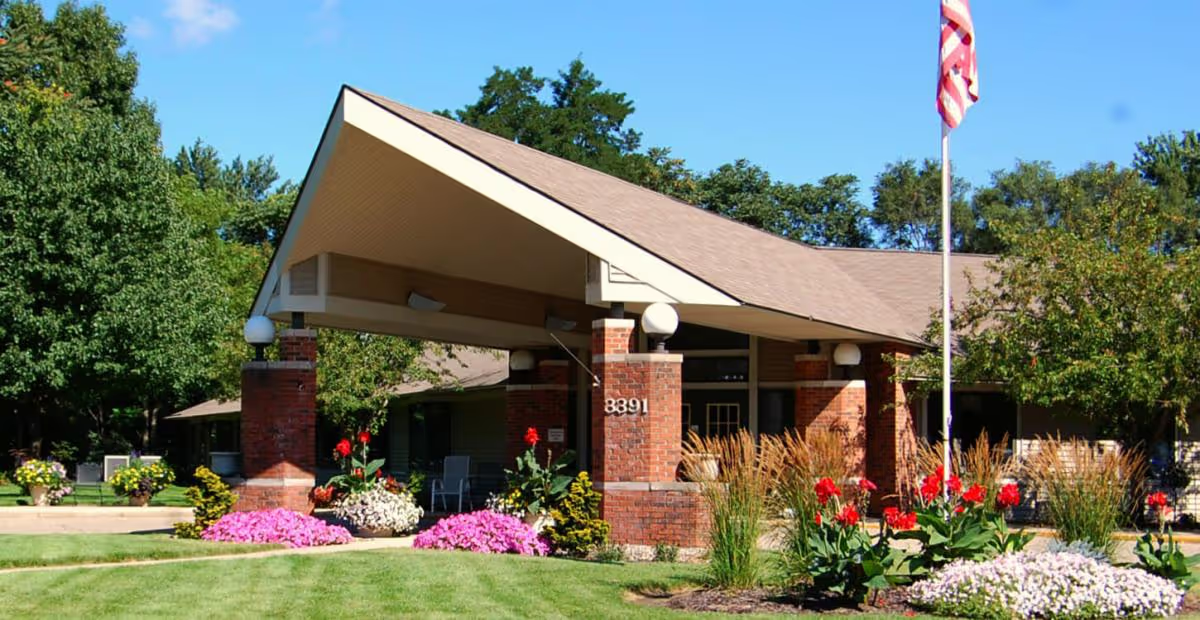
Overall impression: American House Kentwood presents a mix of clear strengths and recurring operational concerns. Many families praised the bedside quality of care — caregivers are frequently described as compassionate, attentive, and accessible, with some residents assigned a dedicated caregiver and positive hospice support noted. The community offers private single-room apartments with half-baths, recent interior updates (new carpeting, bright finishes), well-kept landscaping, and outdoor programming during warmer months, which contribute to a generally pleasant, value-oriented living environment.
Care and staffing: Clinical and direct-care staff receive consistently positive comments for compassion and responsiveness, and several accounts describe staff who go above and beyond. At the same time, staffing stability appears uneven across accounts. Some families report steady, familiar teams while others cite frequent turnover and changes that coincide with communication gaps. A notable operational pattern is inconsistent follow-through on clinical incidents and family notification; this is an area families identified as needing clearer protocols and faster communication.
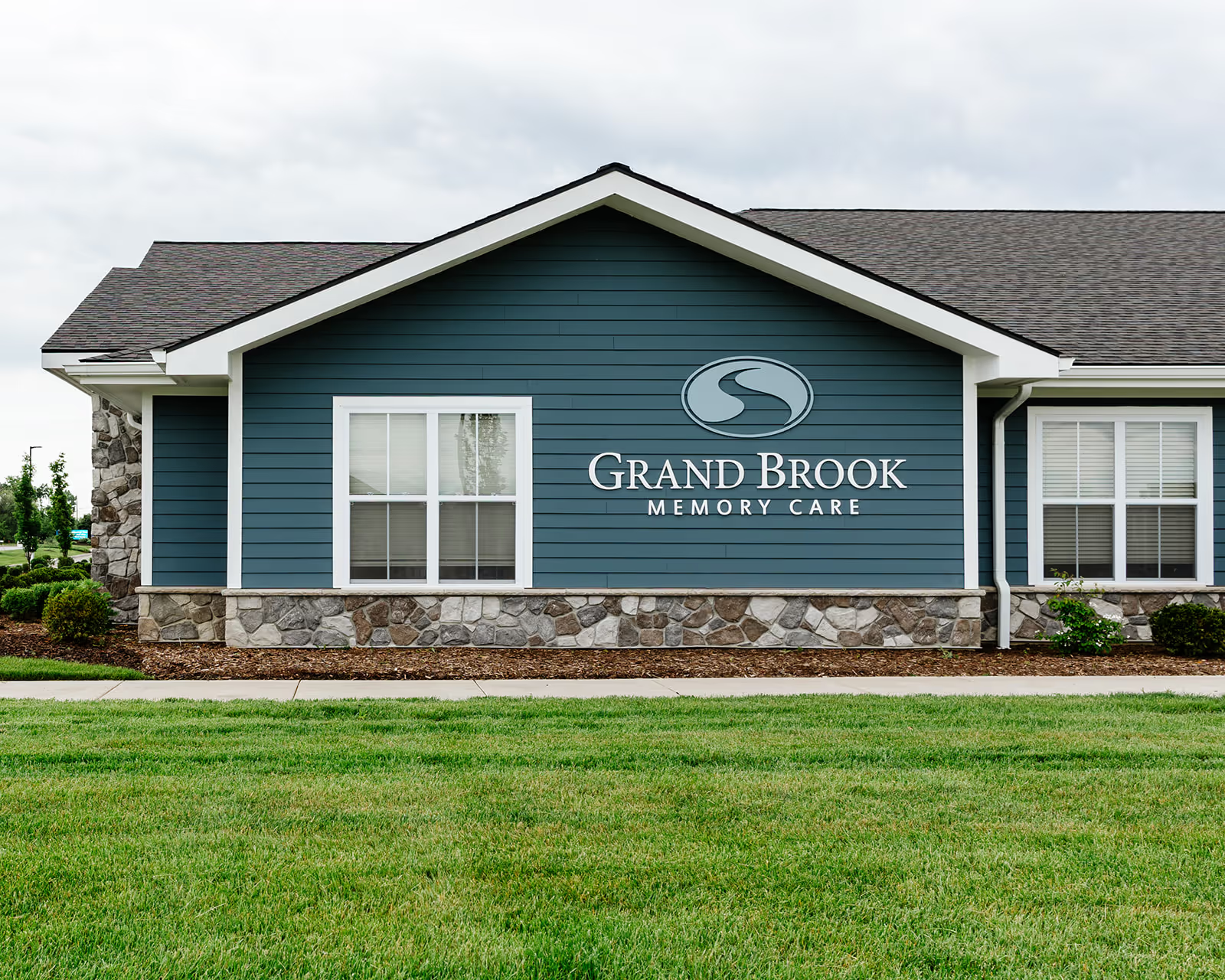
Dining and activities: Opinions about dining are mixed. Many residents enjoy the food and find meal options acceptable, but others describe inconsistent food temperature and uneven meal quality. The activity program is generally viewed as a positive element, with frequent offerings and outdoor activities in summer; however, memory-care programming is constrained by limited dedicated space and smaller activity options in that unit.
Facilities and layout: The community has benefited from recent cosmetic updates and is often described as clean and bright. At the same time, some areas appear dated and in need of additional maintenance (sticky doors, hallway wear), and there are variability and maintenance gaps reported across units. Apartment sizes are adequate for single occupancy but smaller than alternatives some families considered; certain room locations can create long walks to dining and common areas, which may be a concern for residents with limited mobility.
Management, admissions, and ownership: Several reviewers link operational inconsistencies to management turnover and an ownership transition, which appears to have affected communication and administrative continuity. Families also noted an assertive admissions and sales approach during tour and move-in interactions; prospective residents may want to be prepared for a proactive sales process and to verify financial and clinical details (fees, assessment, doctor-appointment arrangements) before committing.
Notable patterns and recommendations: For prospective residents and families, the strongest indicators of a good fit are the caregiving staff and the community’s outdoor and activity offerings. Key due-diligence items include: confirming current leadership and staffing stability, reviewing incident-notification protocols and fall-response procedures, sampling multiple meals at different times of day, touring the specific apartment and its route to dining, and discussing memory-care program scope if specialized services are needed. Overall, the facility provides several tangible benefits in care and value, paired with operational areas that warrant direct questions and verification during a visit.