Overall sentiment about Walnut Ridge Assisted Living and Memory Care is highly mixed, with a clear polarization between reviewers who experienced excellent, compassionate hands-on care and those who encountered serious operational and clinical shortcomings. Many families and residents praise individual caregivers, nurses, and front-desk staff as warm, attentive, and dedicated — often describing staff who go above and beyond, provide hourly checks, and create a home-like, respectful environment. Several reviews specifically commend the memory-care program, noting dignity-preserving care, skilled dementia support, and a strong activity director who maintains robust programming when staffing allows.
However, these positive experiences coexist with numerous, recurring criticisms that point to systemic issues. The most frequent negative themes are high staff turnover and understaffing, especially during nights and post-Covid staffing changes. Reviewers report inconsistent bedside care: some residents receive prompt, compassionate support while others are left in wheelchairs, miss showers, experience inadequate transfers, or suffer clinical events (e.g., low blood pressure, open skin) that led to hospitalization. Families describe management communication failures — unreturned calls, delayed responses to problems, and uneven follow-through on promised fixes — which amplify the impact of clinical lapses.
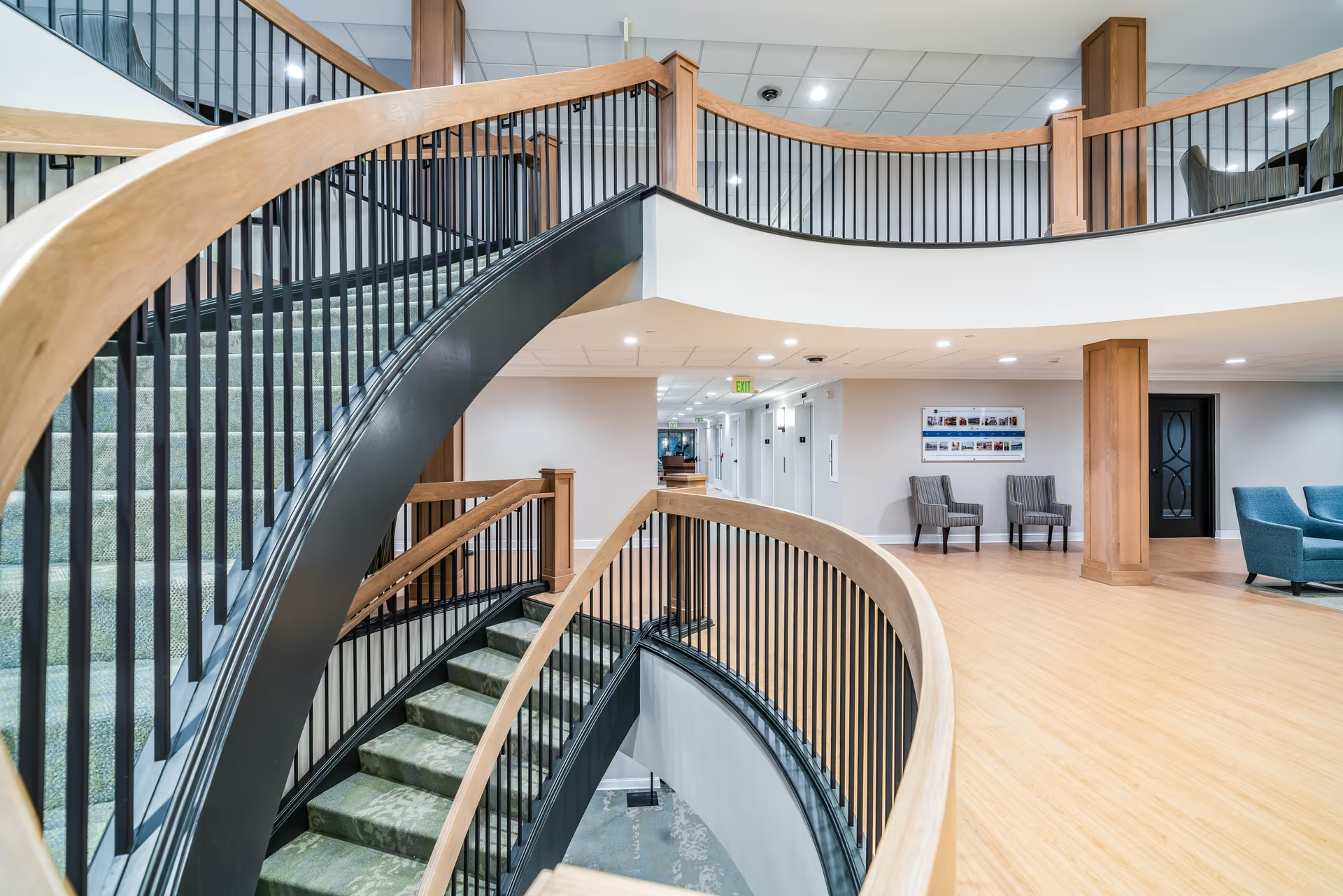
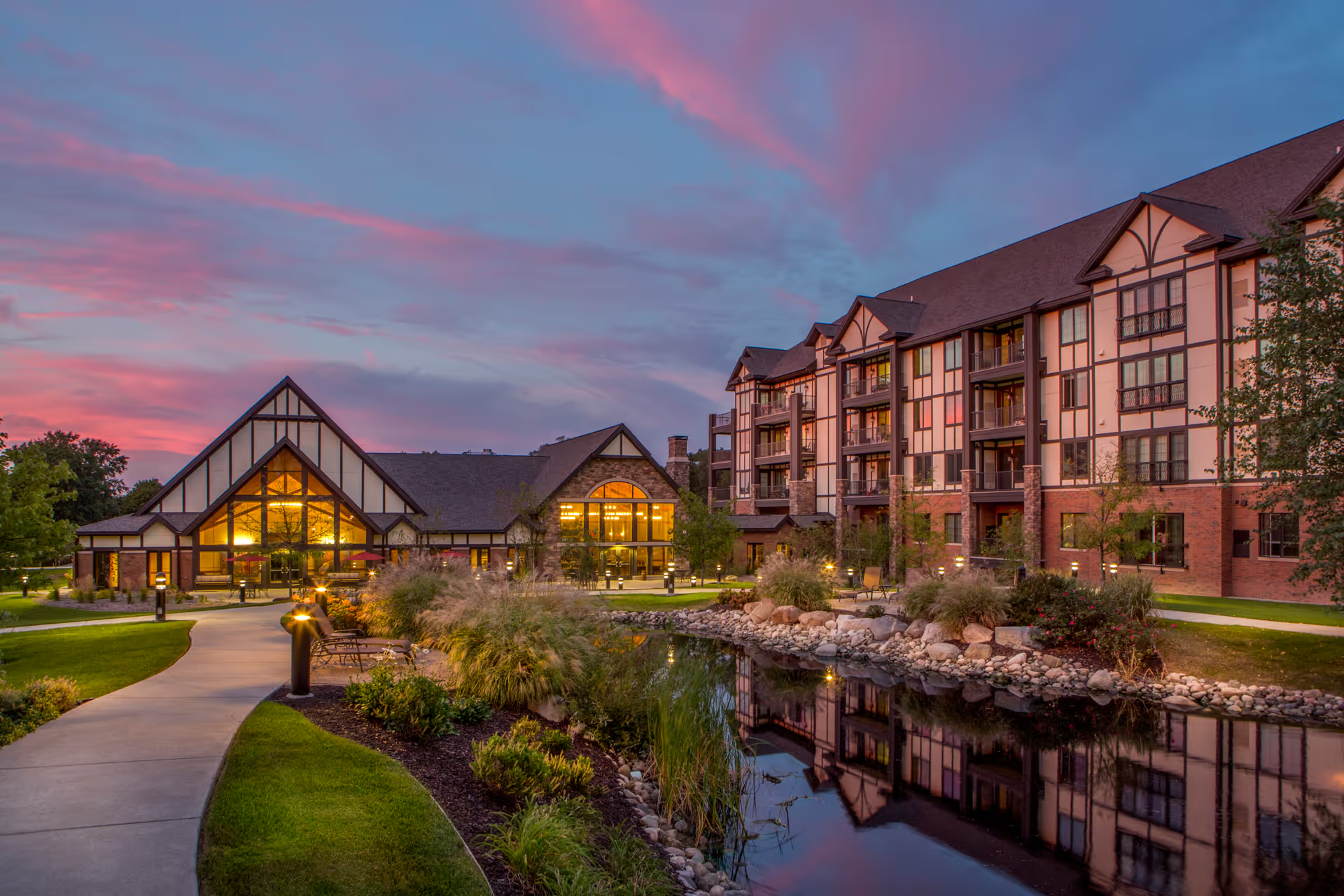
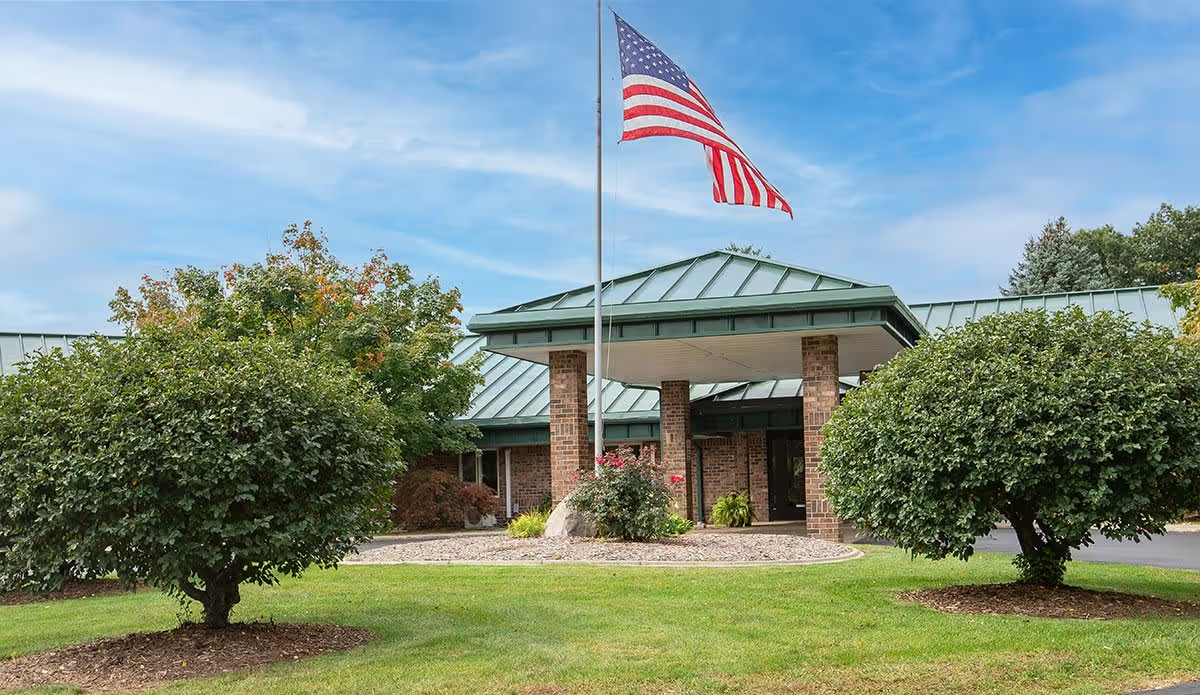
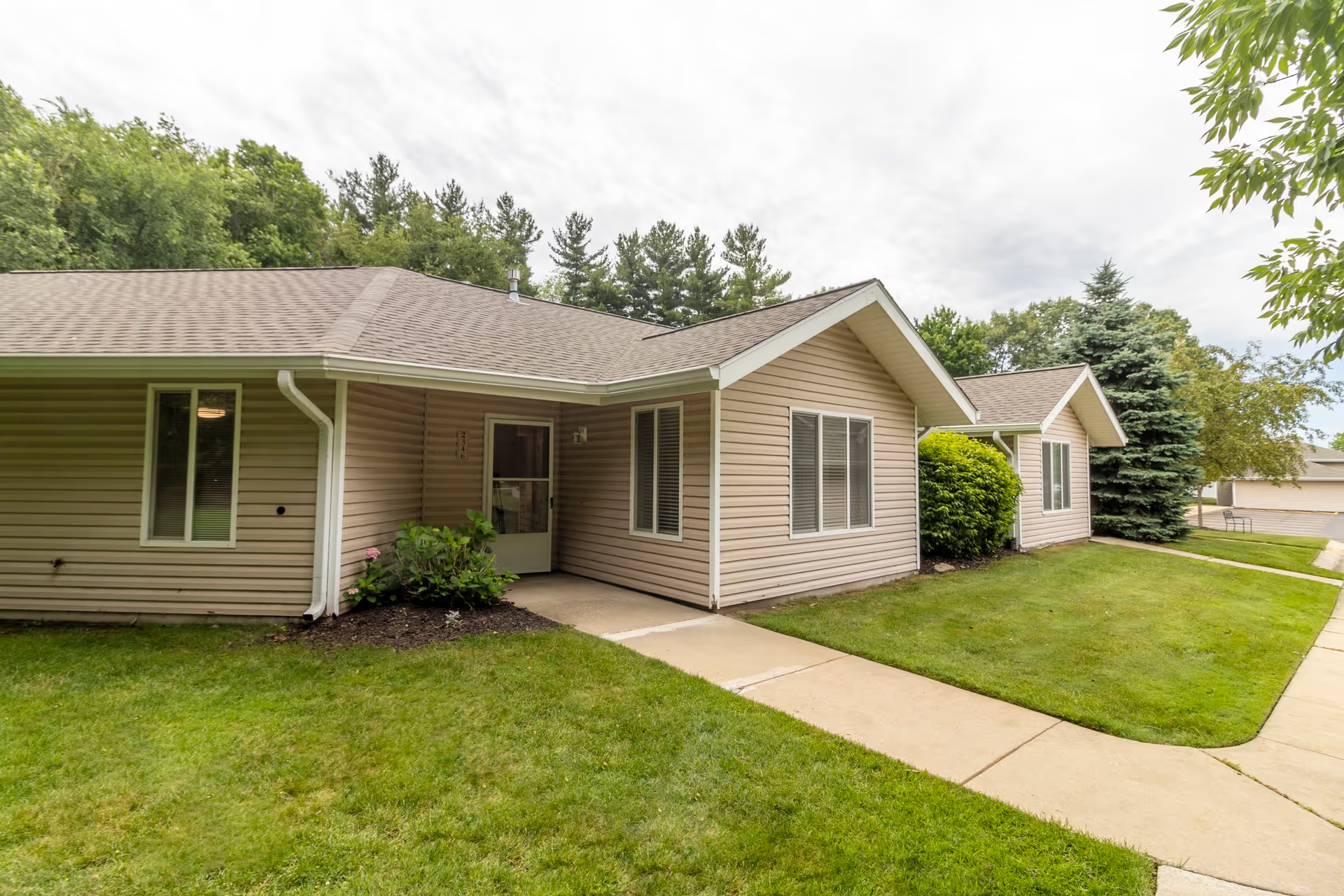
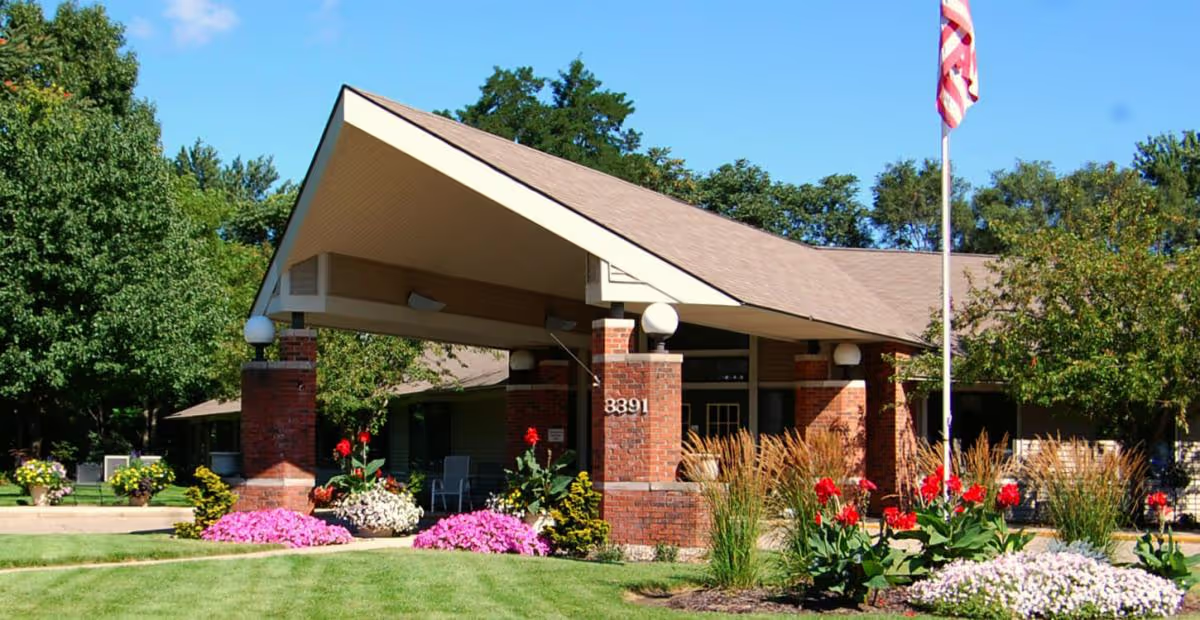
Facility-wise, Walnut Ridge gets consistent praise for its physical plant. The building is described as attractive, bright, and well-maintained, with spacious suites, private rooms, kitchenettes or fridges, comfortable common areas (fireplace), and amenities like mailboxes and family-access technology in memory care. Maintenance staff receive positive mentions. At the same time, reviewers report practical problems in resident rooms and operations: windows that do not close, drafts in winter and heat leaks in summer, night-time fire-alarm disturbances, and inconsistent housekeeping (surface-only cleaning, dust, bedding and bathroom issues). Some reviews note smells (urine) and limited bathroom cleanliness in certain areas.
Dining receives strongly mixed reviews. Multiple families describe a decline in food quality over time (often linked to chef turnover): meals served cold, flavorless or undercooked food, lack of condiments, and difficulties heating or delivering hot meals. Conversely, other reviewers praise meal variety, dietary options, and particular good lunches or responsive kitchen staff. Several reviews say meals were initially very good and later worsened after ownership or staffing changes. Room-delivered meals are available for some residents, and the dining area is large with multiple meal options, but overall dining consistency is an issue.
Activities and social life are another split area. Some reviewers report an energetic activity director and many social opportunities, noting that living at Walnut Ridge can provide a wide social circle and regular programming. Others feel activities are limited (often reduced to bingo or crafts that aren’t always suitable for residents with Parkinson’s or advanced physical needs), with Covid restrictions at times curtailing offerings. Memory-care programming is repeatedly singled out as a strong point, whereas engagement in general assisted-living areas may vary with staffing.
Safety, clinical oversight, and infection control appear inconsistent across reviews. Several families commend proactive Covid testing and infection protocols, while others raise alarm about safety lapses: fights in the lobby, unsecured doors that could enable elopement, and staff asleep during emergencies. Clinical concerns include transfer difficulties, falls, and allegations of neglect (missed medications, diaper rash, unaddressed wounds). These reports suggest variable clinical competency and staffing levels that may not meet all residents’ needs.
Management and leadership are described in contradictory terms: some reviews praise responsive directors and solution-oriented staff who act quickly on problems; others criticize frequent ownership/name changes, perceived profit-driven admissions, poor leadership, and lack of respect for employees. Several reviewers mention improvements promised by new owners, while other reviews say changes have not fixed fundamental problems like cleanliness, food quality, or staffing shortages. Billing and policy concerns are present — planned fee increases, extra charges for services like toenail care, and a strict medication policy that some families found burdensome.
In summary, Walnut Ridge offers many strengths: an attractive facility, suites that appeal to downsizing residents, moments of outstanding caregiving (especially in memory care), and staff members who create a warm, home-like atmosphere. Nevertheless, the facility exhibits notable variability in core operational and clinical areas. If you are evaluating Walnut Ridge, prioritize an in-person visit across different times of day (including nights and weekends), ask for current staffing ratios and turnover statistics, verify who is on the dining and nursing teams (chef and nursing leadership), review recent incident reports and infection-control outcomes, and request written plans for housekeeping frequency and temperature/maintenance issues. For families of residents with higher medical needs, insist on clear care plans, regular communication protocols, and direct confirmation of staff experience with transfers and wound/skin care before making a placement decision.