The reviews present a mixed picture in which caregiving strengths coexist with notable operational weaknesses. On the positive side, many descriptions emphasize a caring, patient staff who advocate for residents' wellbeing and work to preserve independence. The community operates distinct memory-care and assisted-living wings, and residents benefit from a central dining room, regular social activities and outings (including trips and movie programs), and a generally friendly resident population. Rooms are described as spacious, and hallways and rooms have been noted as clean, which supports a comfortable daily environment for many residents.
Care quality and staff behavior appear to be polarizing. Several accounts praise hands-on nursing and med-tech support, describing staff as conscientious, patient, and humorous when appropriate. At the same time, there are persistent concerns about operational supervision: inconsistent management presence, problematic scheduling practices, and instances that callers characterized as shortcomings in staff responsiveness and tone. These operational issues are reported to affect staff morale and the resident experience. Additionally, there are serious allegations relating to medication handling and theft; these raise specific questions about medication-administration controls, inventory procedures, and oversight mechanisms.
Dining and activities are generally cited as strengths. The communal dining room contributes to social interaction, and organized activities — from in-house movies to off-site trips — appear to support engagement and quality of life for residents. The resident community is described as friendly, and the combination of activities and central shared spaces contributes positively to social well-being.
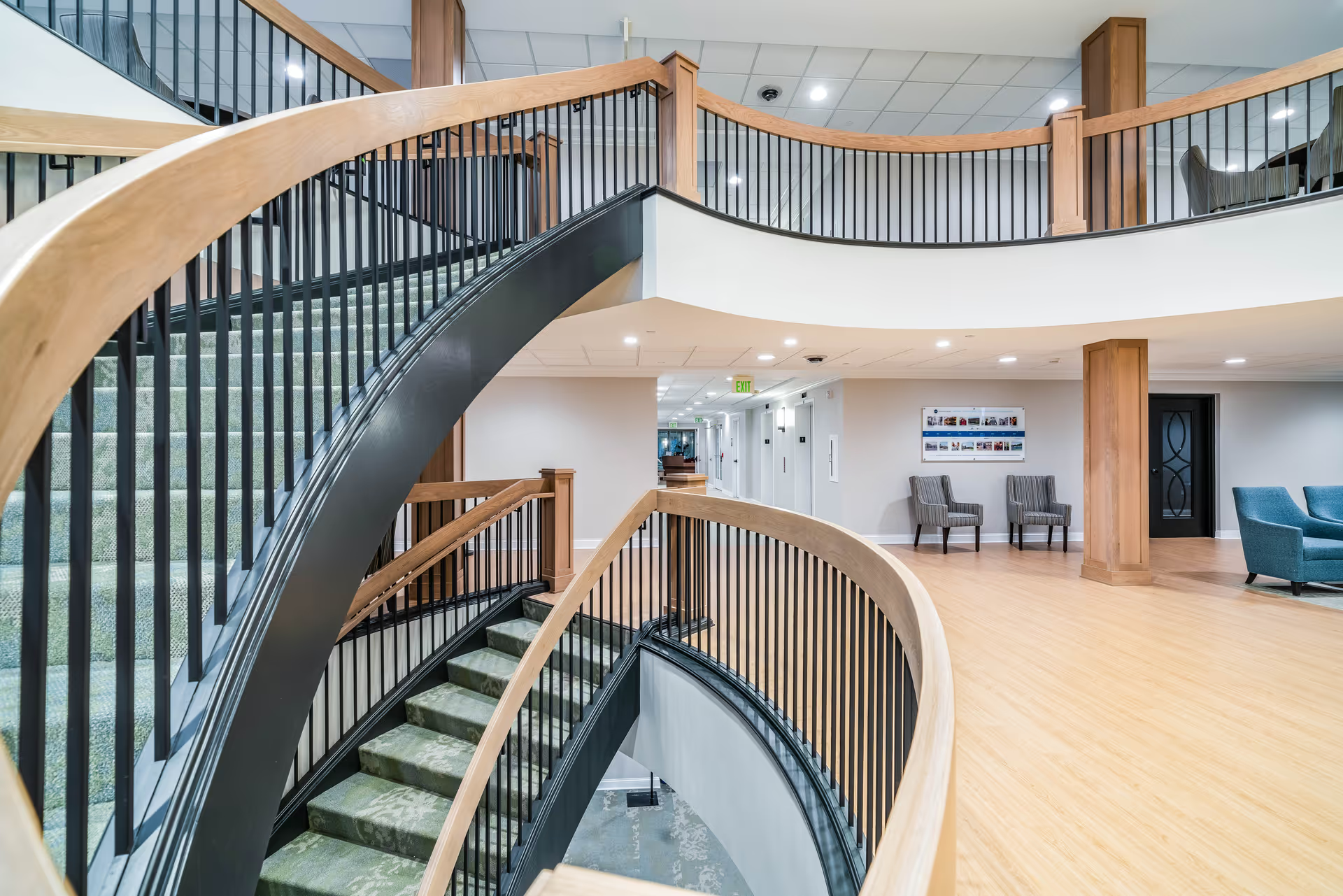
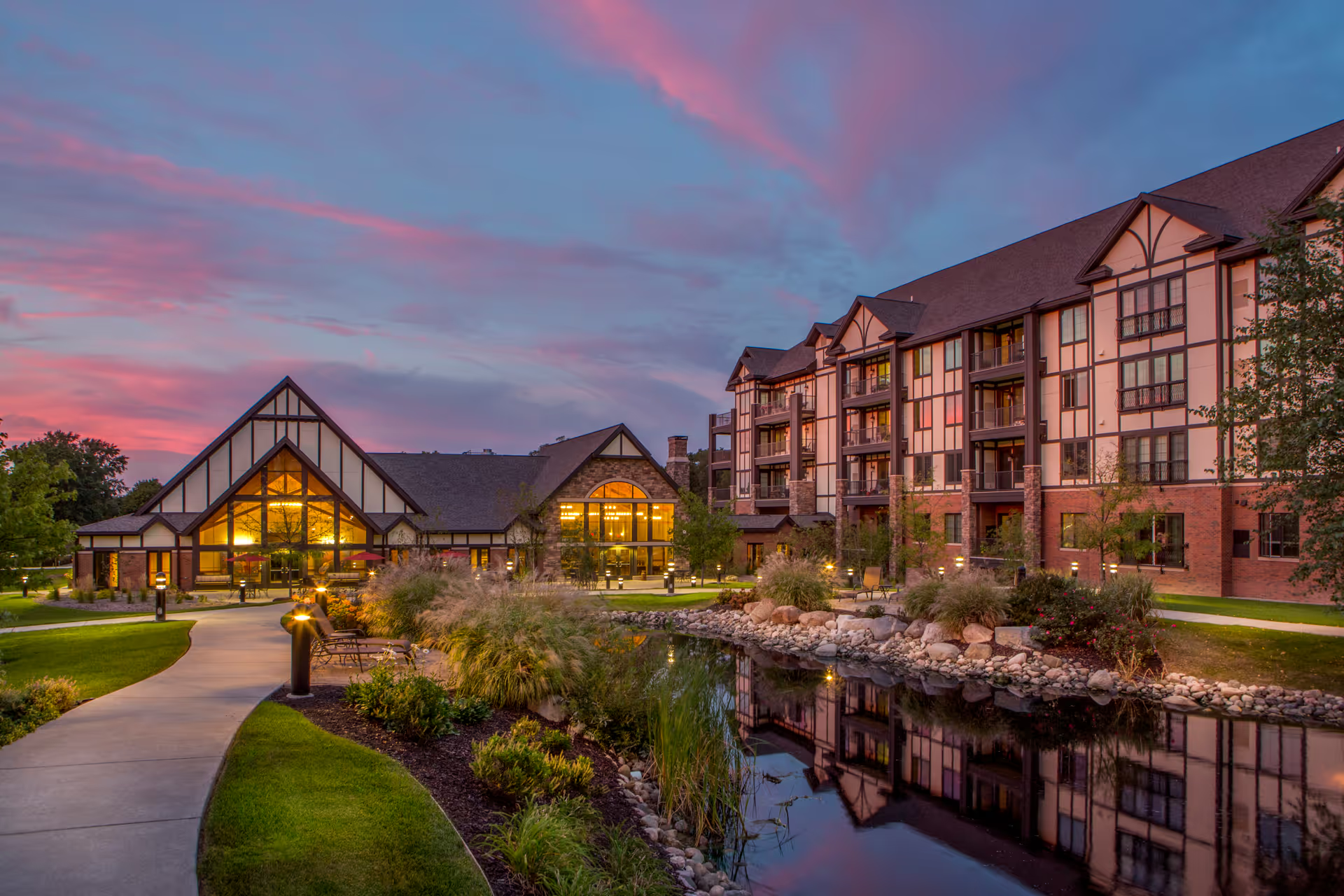
Facility condition presents a mixed assessment. While many reviewers highlight clean rooms and spacious accommodations, others note deferred maintenance and visible cosmetic wear such as chipping paint. This contrast suggests routine cleaning is maintained even where capital maintenance or cosmetic upkeep may lag.
Management and operational controls are the area most frequently implicated by concerns. Problems described include inconsistent leadership visibility, scheduling instability, communication-tone issues, and weaknesses in medication administration and oversight. These are operational traits that can materially affect safety and satisfaction; prospective residents and families should probe current staffing models, supervisory practices, medication-audit procedures, and the facility's maintenance plan.
Recommendation for prospective families: balance the facility's evident strengths in personalized caregiving, engagement programs, and community atmosphere against the operational concerns described. An in-person visit is advisable to observe staff–resident interactions, inspect room and common-area maintenance, ask for documentation of staff-to-resident ratios and medication-administration protocols, and inquire about recent corrective actions taken by management. These targeted questions will help determine whether the facility's strengths align with a prospective resident's priorities and whether the operational weaknesses have been addressed.