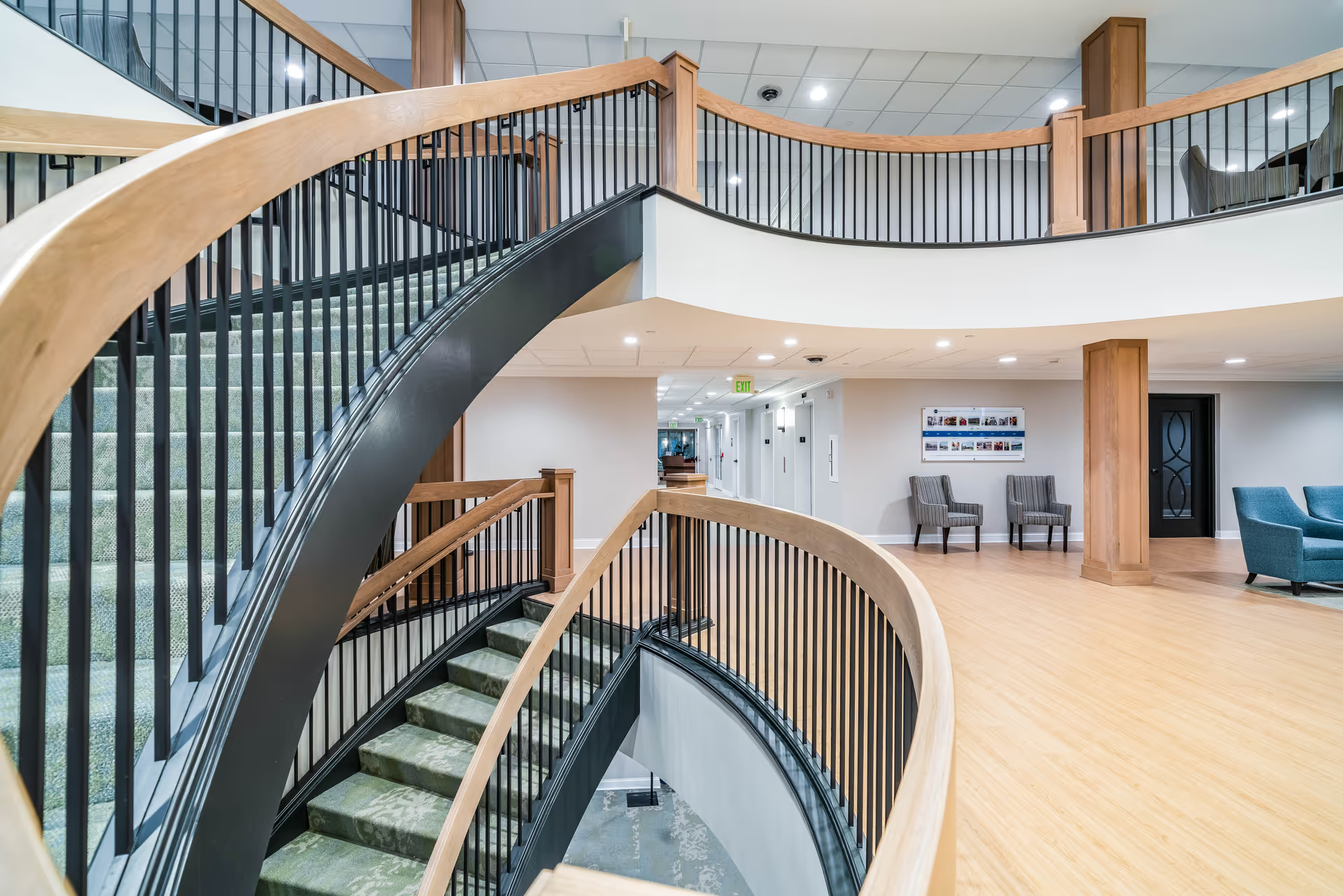
Laurels of Kent draws strongly polarized impressions. Many reviewers describe dedicated, compassionate front‑line staff — CNAs, nurses, therapy teams and admissions coordinators are frequently praised for patience, communication during intake, and hands‑on support. The facility’s rehabilitation services, including physical therapy and regular therapy sessions, are repeatedly cited as a strength, as are a varied activities program (bingo, movies, music and outings) that supports social engagement. Dining and food quality receive generally positive comments, and several families note responsive maintenance and a clean, well‑kept building that contributes to a small, family‑like community atmosphere.
At the same time, a consistent cluster of operational concerns appears across reviews. Staffing levels and turnover are recurring themes: reviewers describe periods when staffing shortages appear to affect timeliness of care, personal‑care routines, and response to call lights. Linked to staffing are reports of inconsistent medication administration and care coordination; some families described delayed or missed medication events and gaps in clinical follow‑up. Communication between staff and families also shows variability — admissions and some clinical staff are described as clear and helpful, while other shifts or managers are perceived as less communicative, which compounds frustration when clinical issues arise.
Sanitation and safety issues are another pattern. While many describe the building as clean, several accounts raise sanitation and odor concerns in particular areas and inconsistent housekeeping in parts of the facility. Reviewers also raise safety and supervision questions for residents with cognitive impairment, and there are mentions of slow responses to acute events such as falls. Additional operational weaknesses include inconsistent meal‑service continuity or dietary coordination, and instances of lost or unsecured personal items, all of which point to process variability rather than a single kind of failure.
Management and workplace culture are split topics in the feedback. Admissions staff and specific caregivers are frequently highlighted for professionalism and helpfulness, yet there are repeated comments about high turnover, employee dissatisfaction, and management challenges that appear to affect morale and continuity of care. This variability often translates into markedly different experiences depending on unit and shift: some families describe excellent, attentive care, while others describe significant delays and communication breakdowns.
For prospective residents and families, the notable pattern is variability: the facility demonstrates clear strengths in therapy, engagement programming, and several caring staff members, but it also shows recurring operational weaknesses that can affect clinical reliability and resident comfort. When evaluating Laurels of Kent, families should consider asking targeted questions about current staffing ratios, medication‑administration protocols, dementia‑care supervision, housekeeping schedules, and how the facility communicates with families after acute events. A focused tour and conversations with current families can help gauge how consistently the facility is delivering on the positive aspects versus the operational concerns described above.