Overall impression: Experiences at the facility are highly variable. Many families and patients praised the rehabilitation programs, therapy teams, and direct-care aides, citing compassionate bedside care, effective PT/OT, and a clean, comfortable physical environment with pleasant amenities. At the same time, a recurring set of operational issues — particularly staffing and communication — has produced significant variability in day-to-day care quality.
Care quality and clinical oversight: Clinical strengths are most evident in rehabilitation and in some nursing/therapy interactions. Several reviewers described successful therapy-driven recoveries and doctors who identified medication issues. End-of-life and hospice support were also highlighted positively. However, other accounts point to inconsistencies in clinical practice: delays in medication administration, medication-decision variability at the nursing level, and lapses in skin-integrity prevention. These contrasting reports suggest that while clinical competence exists, oversight and standardization of certain clinical processes are inconsistent.
Staff: Direct-care staff (CNAs and many aides) were frequently described as compassionate and attentive; these staff members were the most commonly cited positive influence on residents’ experience. Conversely, reviewers also described periods of understaffing, distracted staff behavior (for example, cell-phone use during shifts), and variability in professionalism and training among nurses and charge staff. Weekend and off-shift coverage were noted as particular stress points. The net effect is a bimodal staff experience: attentive care at times, and long waits or unresponsiveness at others.
Dining and nutrition: The facility’s dining and food-service offerings were often praised for taste and variety, with an on-site café and positive comments about kitchen staff. At least one reviewer raised concerns about meal preparation for residents with swallowing risks, indicating a need to confirm diet-modification procedures for individuals with choking or dysphagia concerns.
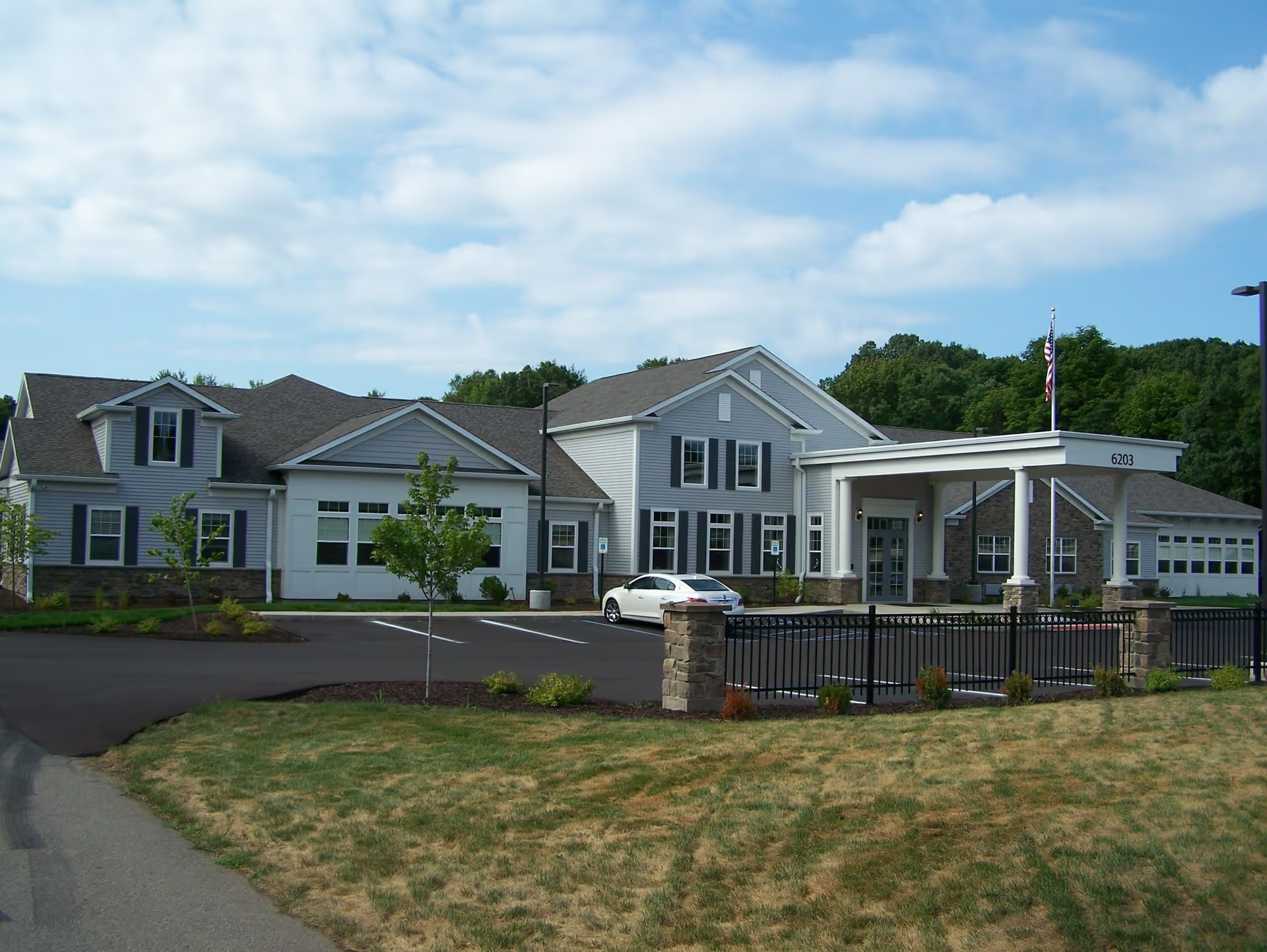
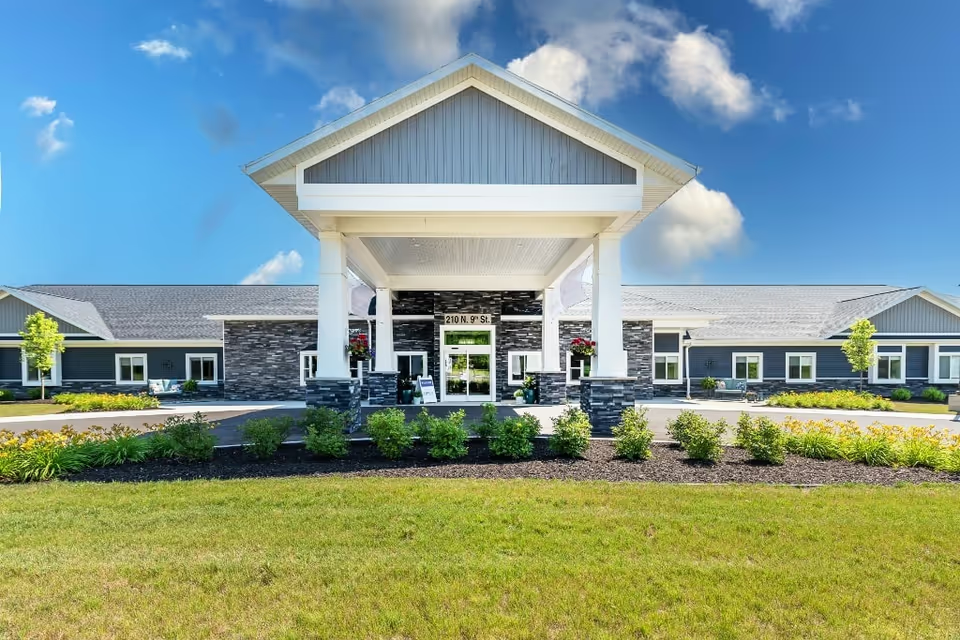
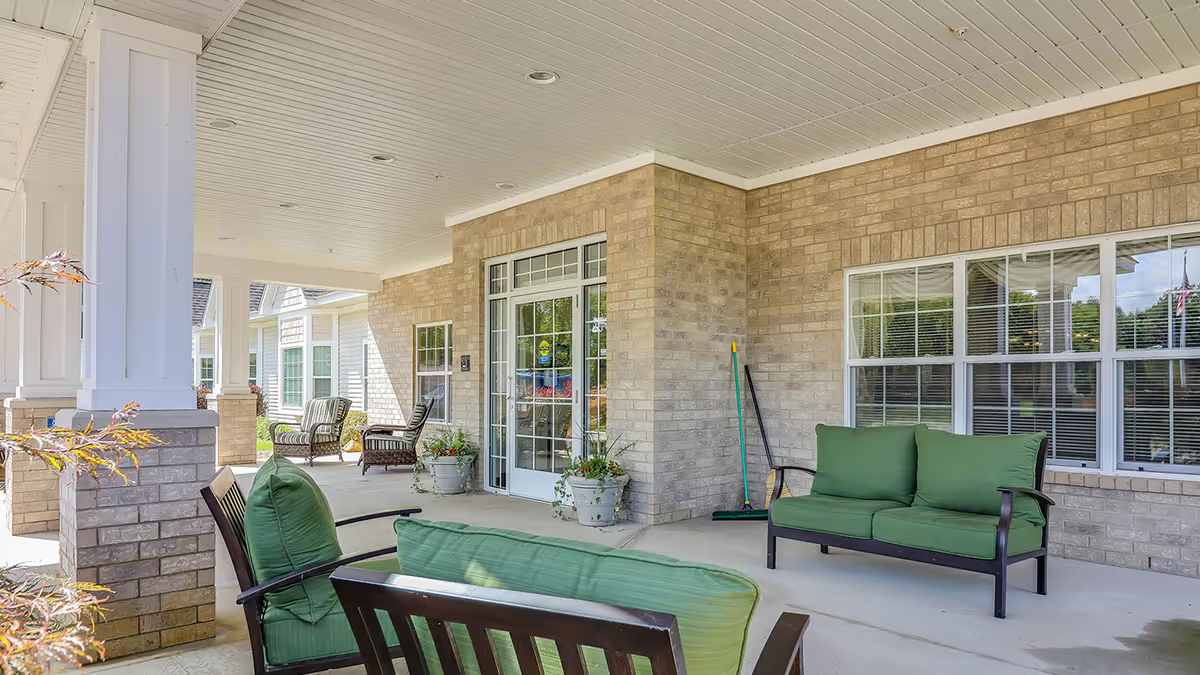
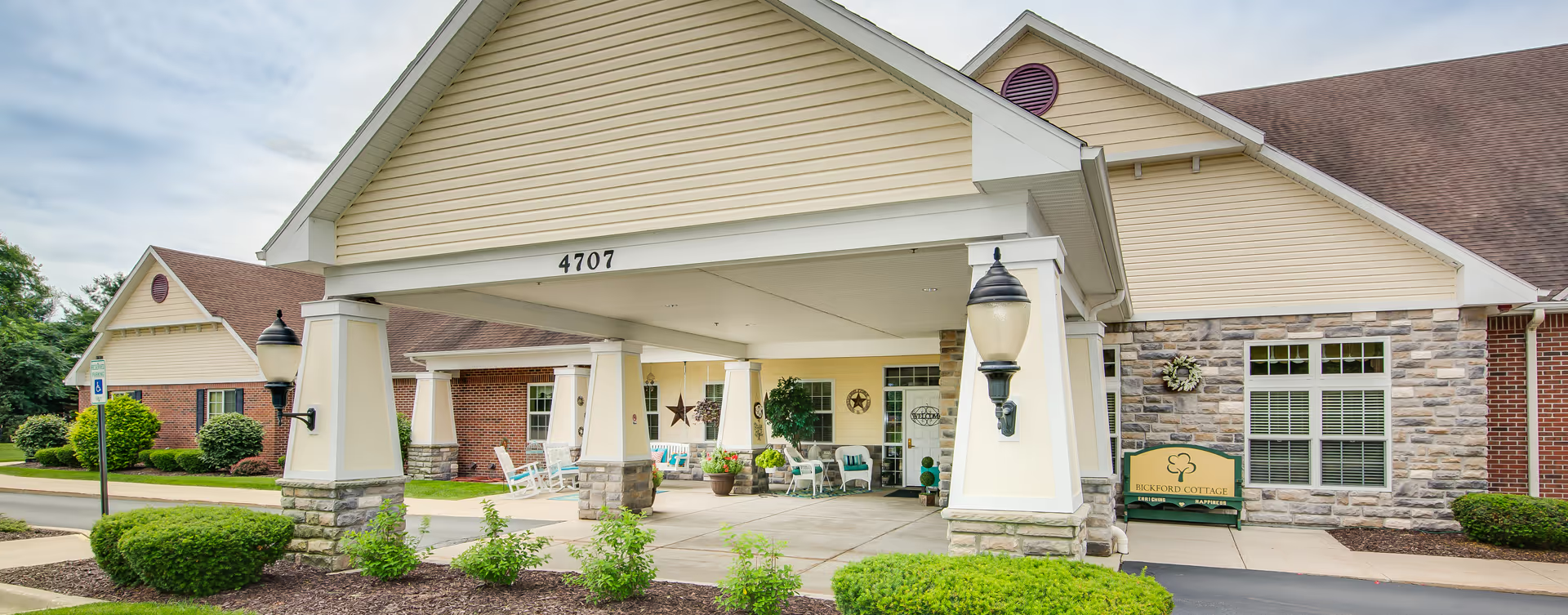
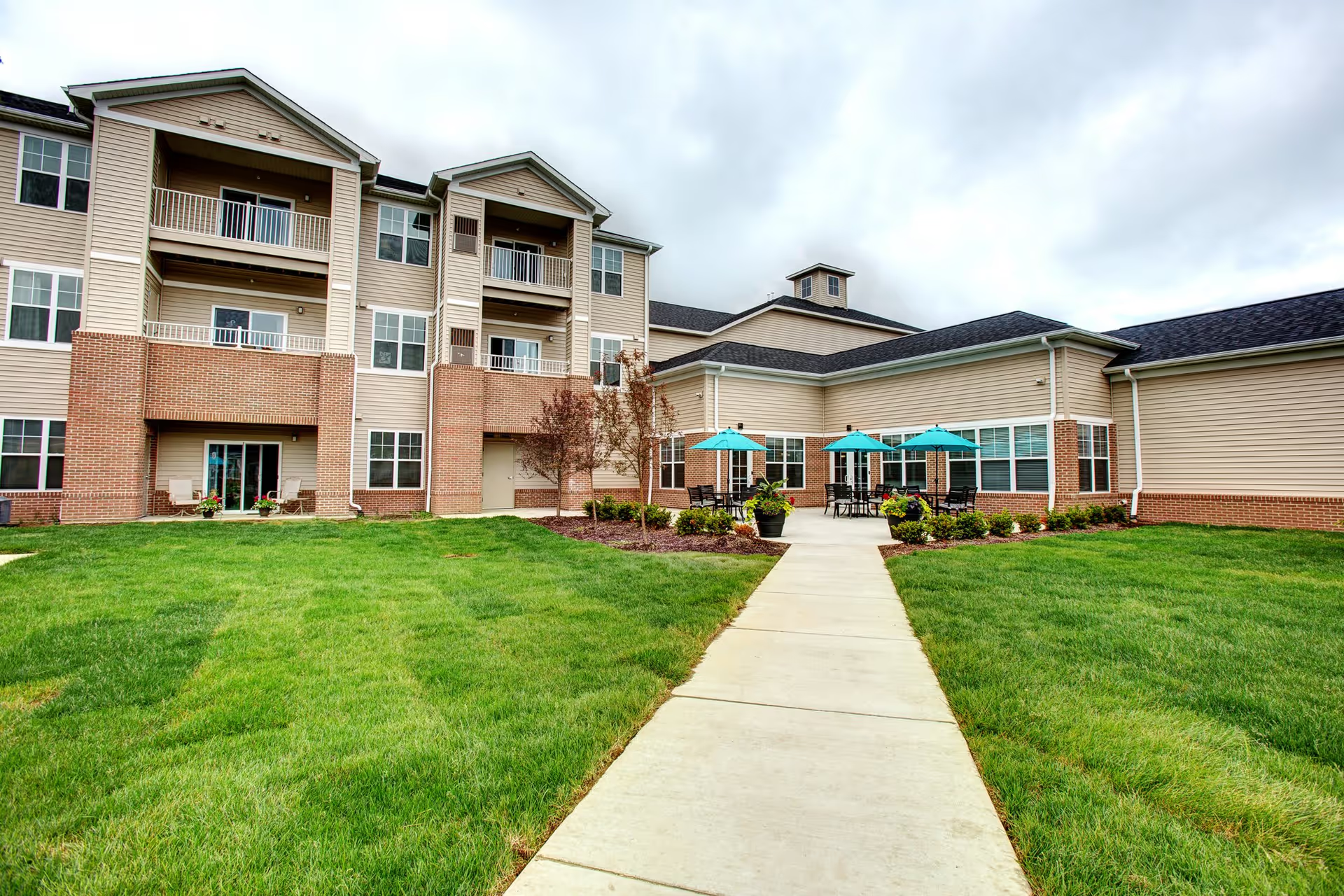
Activities and facilities: The building and grounds are generally described as clean, updated, and comfortable, with amenities such as a salon, garden views, pet therapy, and regular activities (games, puzzles, art). These features appear to contribute positively to resident quality of life and visitor experience.
Management, communication, and operations: Multiple reviewers raised concerns about discharge planning, billing communication, and management transparency. Examples included abrupt or insurance-driven discharge timing, billing coordination problems, and staffing/payroll or hiring-process irregularities. Some reviewers characterized administrative responses as insufficient or perfunctory, which has eroded trust for some families. These operational weaknesses align with the reported variability in oversight and training.
Notable patterns and practical implications: The strongest and most consistent positives are the rehabilitation services, many compassionate CNAs/aides, and the facility’s physical environment and amenities. The most consistent negatives center on staffing levels and predictability, medication- and hygiene-related process inconsistencies, and gaps in management communication and discharge coordination. Prospective residents and families should consider asking specific questions about current staffing ratios (especially nights/weekends), medication-administration protocols, incontinence and skin-integrity procedures, discharge planning policies tied to insurance, and examples of quality-improvement efforts. Observing staff interactions across different shifts and requesting recent quality indicators or inspection results may help clarify whether the facility’s strengths are the norm and whether operational gaps have been addressed.