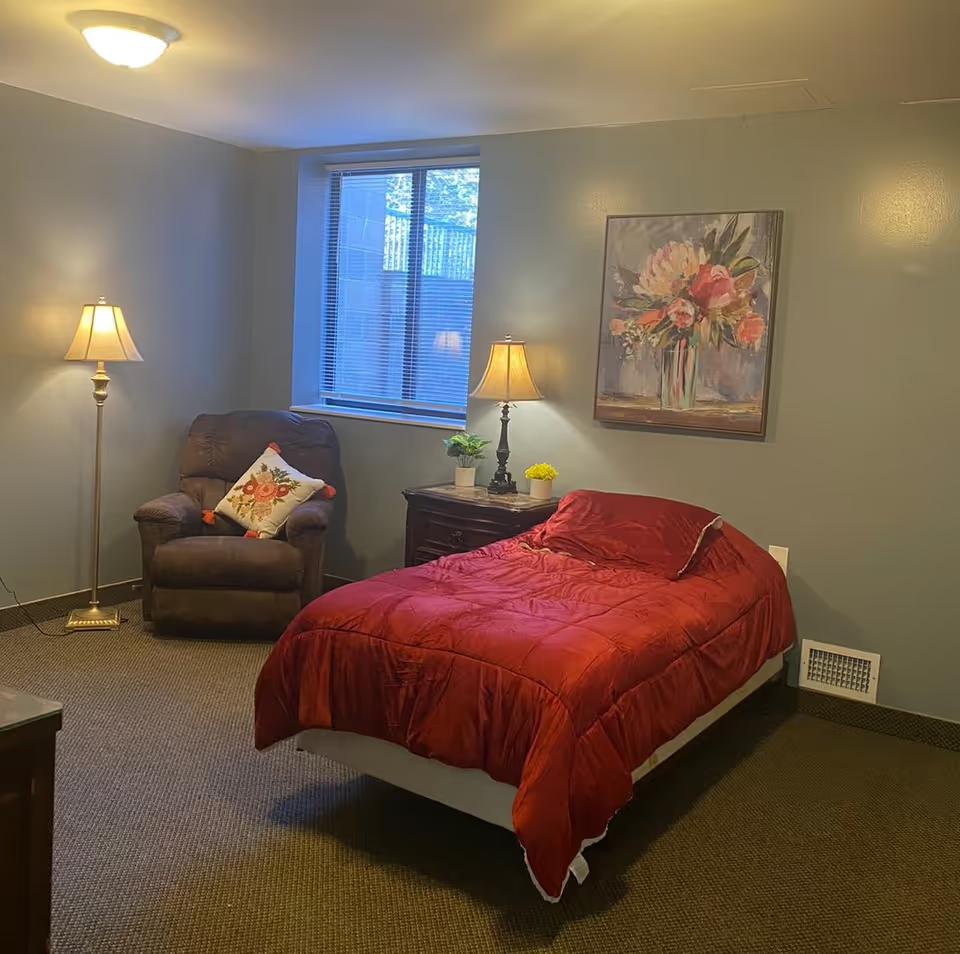
Overall impression: Reviews reflect a facility with consistently positive direct-care strengths alongside several operational and administrative limitations. Families and visitors commonly describe compassionate, attentive caregiving, frequent one-on-one time, and a small, family-like residential setting. The facility’s interior is routinely described as clean and attractive, and reviewers highlight a pleasant location and an environment that can feel individualized compared with larger communities.
Care and staff: The strongest pattern in the feedback is the quality of frontline staff. Multiple accounts emphasize staff kindness, close attention to residents, and effective support for medical and hospice needs. Reviewers frequently cite successful hospice and end-of-life services, responsive medical support, and inclusive dementia care approaches. There are repeated mentions of individualized interactions, photo/text updates to families, and a sense that residents are engaged and well cared for—several families explicitly expressed satisfaction after returning to the community following a transfer elsewhere.
Dining and activities: Dining and recreational programming are described positively. Meals are characterized as good-quality, and activities are noted as engaging and family-oriented. These offerings appear to support social engagement and contribute to resident satisfaction.
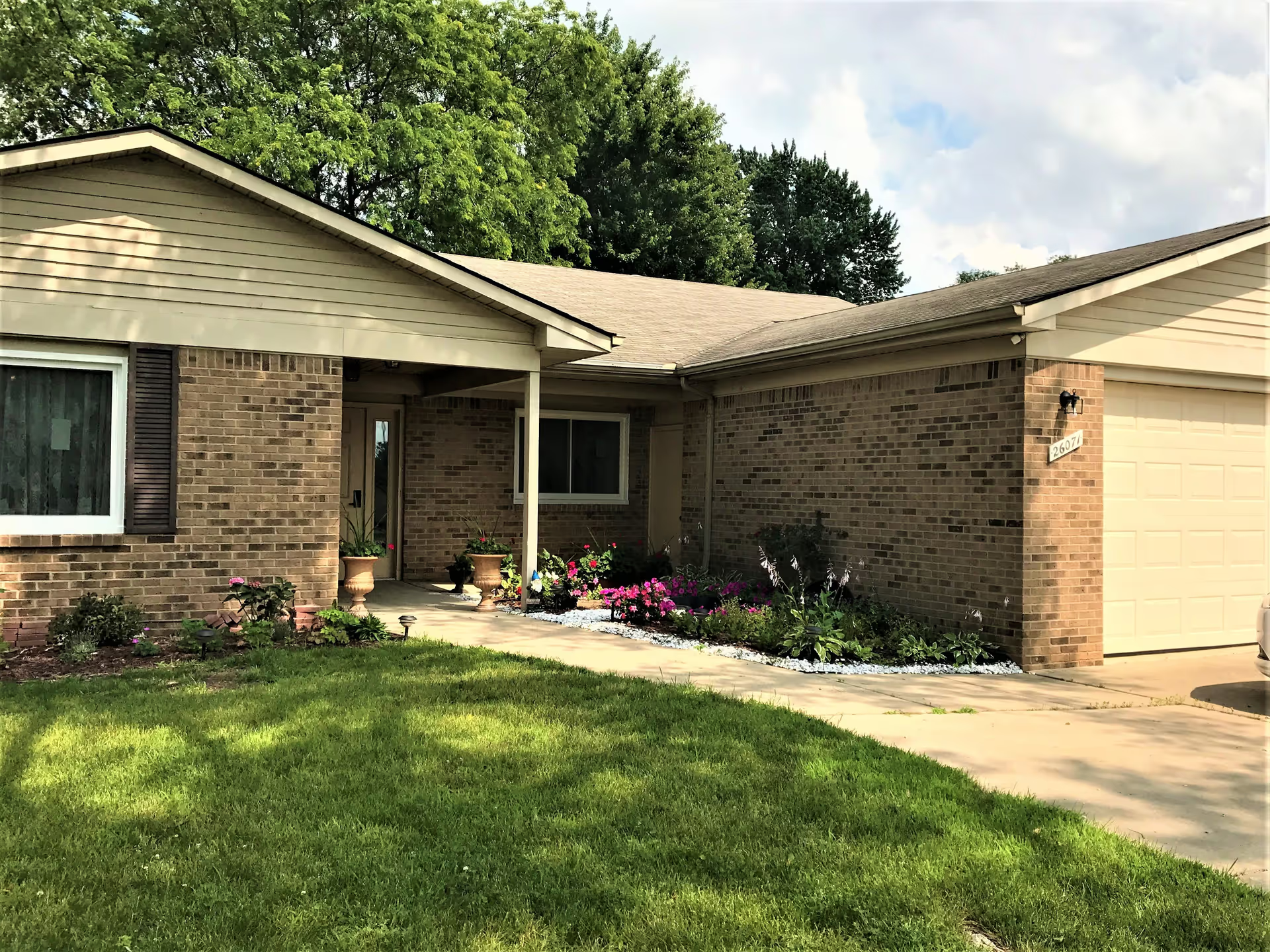
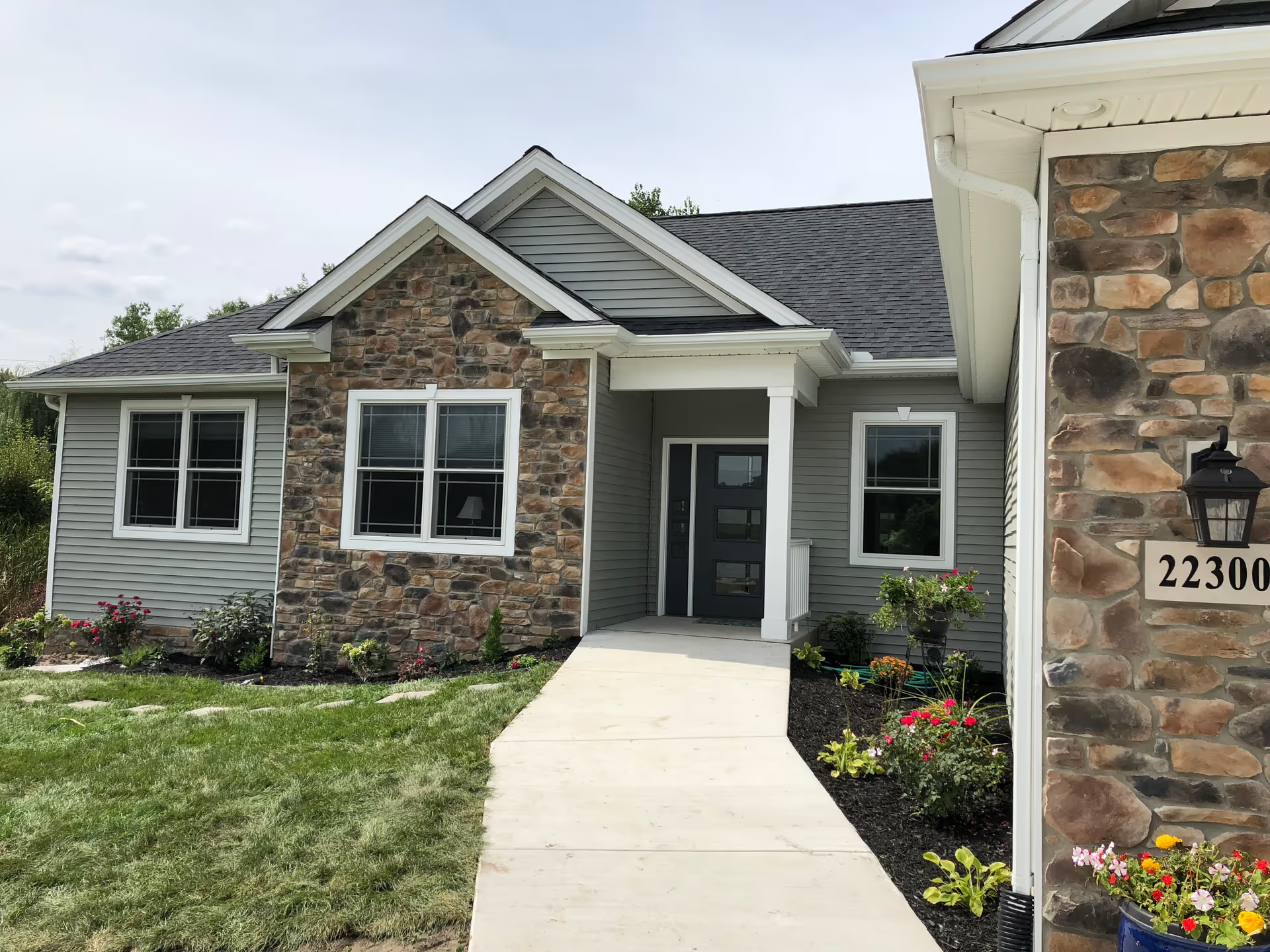
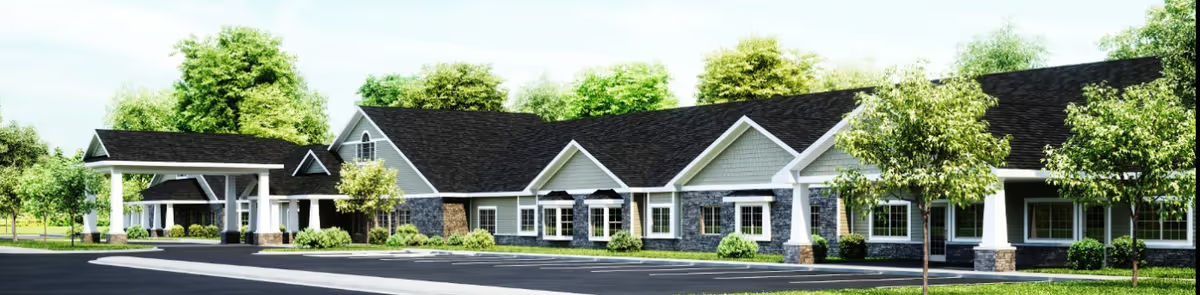
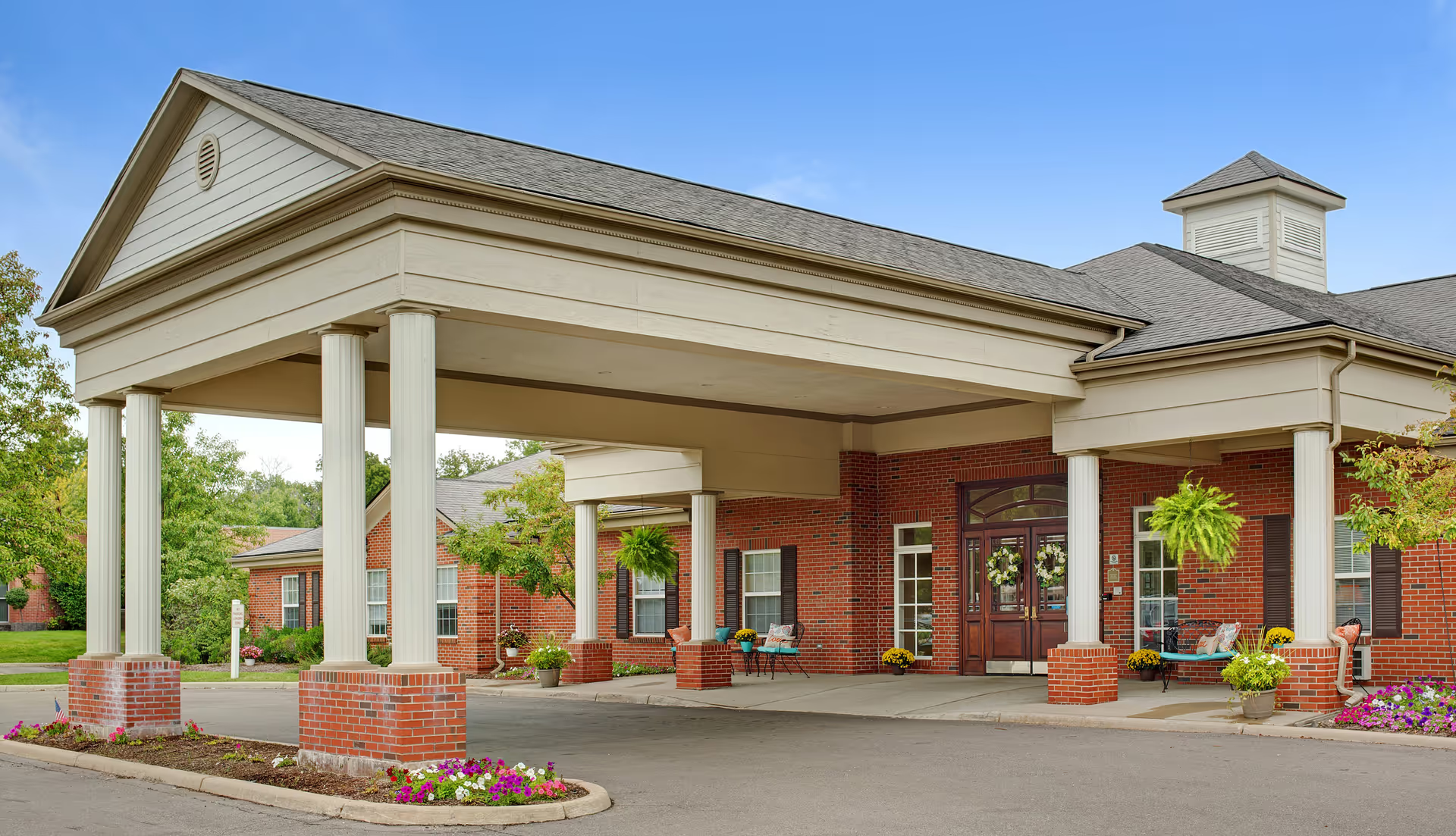
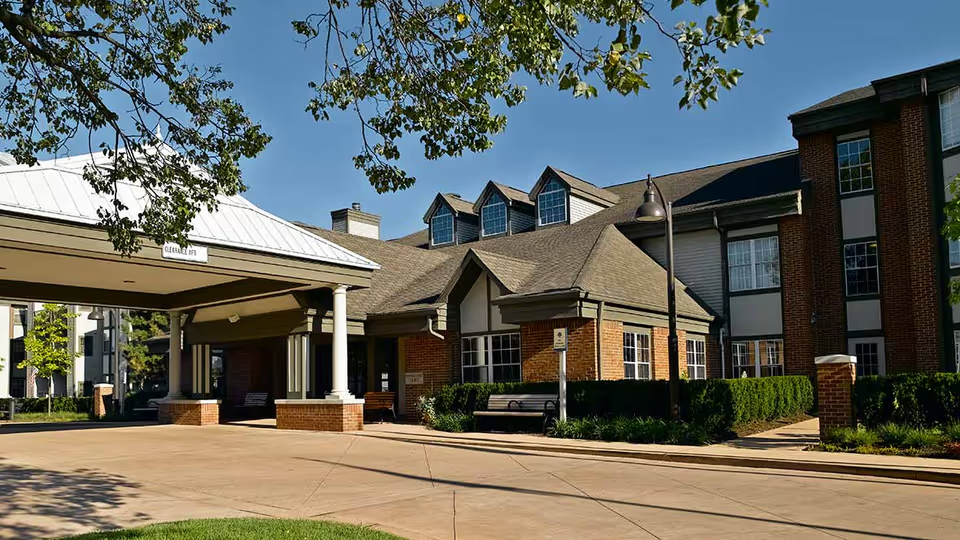
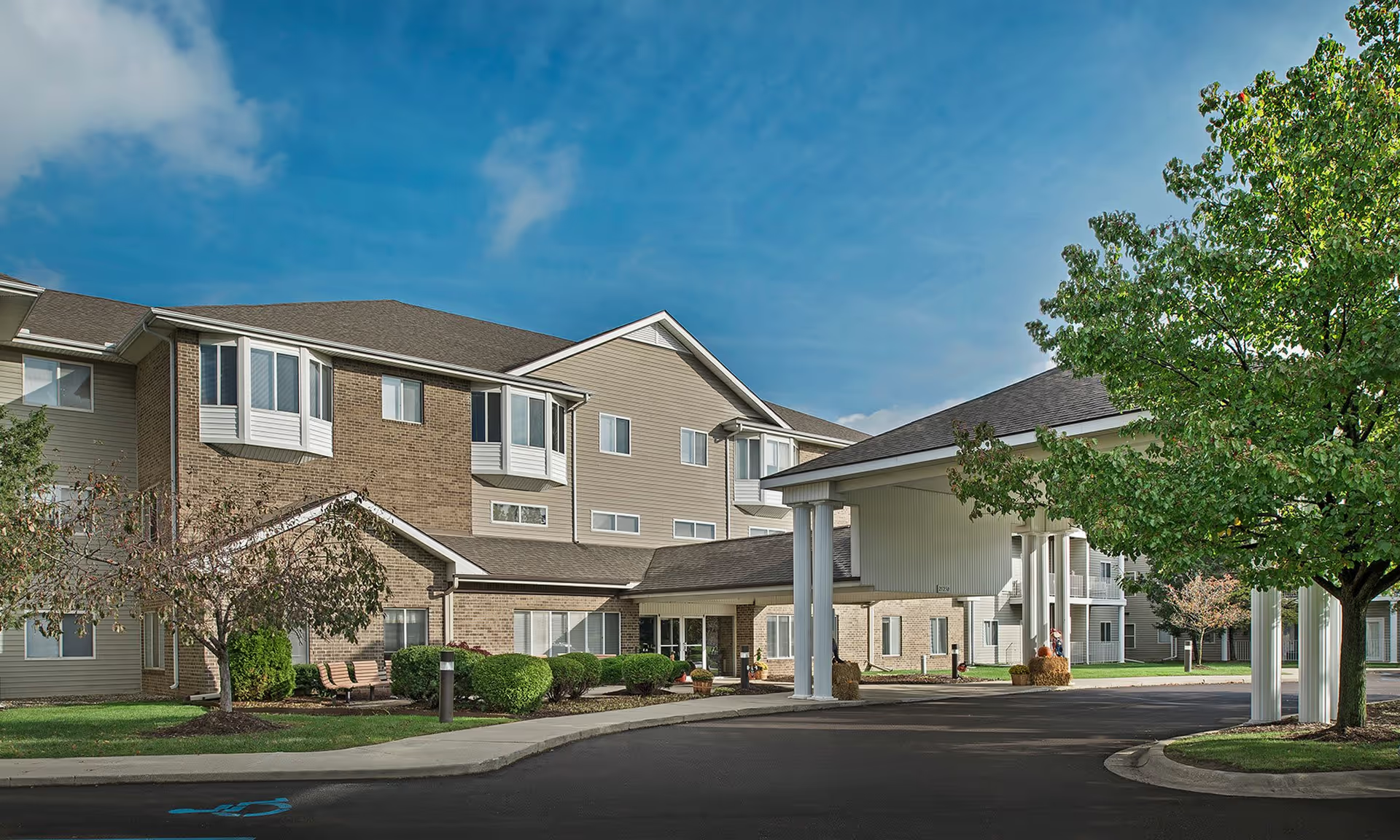
Facilities: The facility is generally described as clean, well-kept, and attractive, with a smaller residential scale that supports individualized attention. At the same time, reviewers identify areas for physical improvement: exterior upkeep and some remodeling or modernization are noted as needed. Prospective families should weigh the strengths of the interior environment and small scale against any exterior or infrastructure updates that may be pending.
Management and operations: Operational concerns cluster around communication, staffing, and administration. Several families describe inconsistent communication or delayed follow-up from administrative staff, including unreturned calls. There are also indications of staffing shortfalls during personal-care tasks (for example, bathing), and an expressed need for additional in-service training for residents requiring total or higher-dependency care. Reviewers also conveyed that the owner or leadership could be more hands-on and that administrative staff may lack depth in insurance/placement guidance. A transition in management was referenced in at least one account, and meetings to address issues were described as producing an understanding of problems and anticipated resolutions.
Notable patterns and guidance for families: Strengths center on direct caregiving, hospice availability, small-community feel, and engaging programming. Operational weaknesses relate chiefly to administrative responsiveness, owner involvement, staff training for complex-care needs, and exterior maintenance. Prospective residents and families should ask targeted questions about current staffing ratios (particularly for personal care), recent or planned staff training initiatives for higher-dependency residents, the facility’s communication protocols with families, the administrator’s role in day-to-day operations, and what assistance is available for insurance or placement questions. Also inquire about any planned exterior repairs or remodeling and how the community manages hospice partnerships to confirm continuity of care.