The provided reviews present a consistent set of operational concerns focused on staff behavior, responsiveness, visitation, and management. Multiple comments emphasize negative interactions between staff and residents or family members, and reviewers characterize the overall experience as unsatisfactory. These patterns suggest systemic issues in day-to-day care delivery and supervisory oversight rather than isolated, single-event problems.
Care quality: Reviewers describe lapses in timely attention and in advocacy for residents who cannot communicate independently. The language indicates delays or failures in addressing routine resident needs and gaps in ensuring resident autonomy and voice. Prospective families should evaluate the facility’s care-assessment processes, response-time expectations, and mechanisms for protecting resident preferences during a tour or intake conversation.
Staff: The dominant theme concerns staff professionalism and communication style. Several reviewers noted confrontational or dismissive interactions and inconsistent enforcement of house rules. One review references a staff member by name as enforcing unconventional rules; more generally, the pattern points to uneven staff training, inconsistent behavior standards, and possible morale or supervision problems. Ask about staff training programs, supervision structure, staff-to-resident ratios, and whether the facility conducts regular performance reviews.
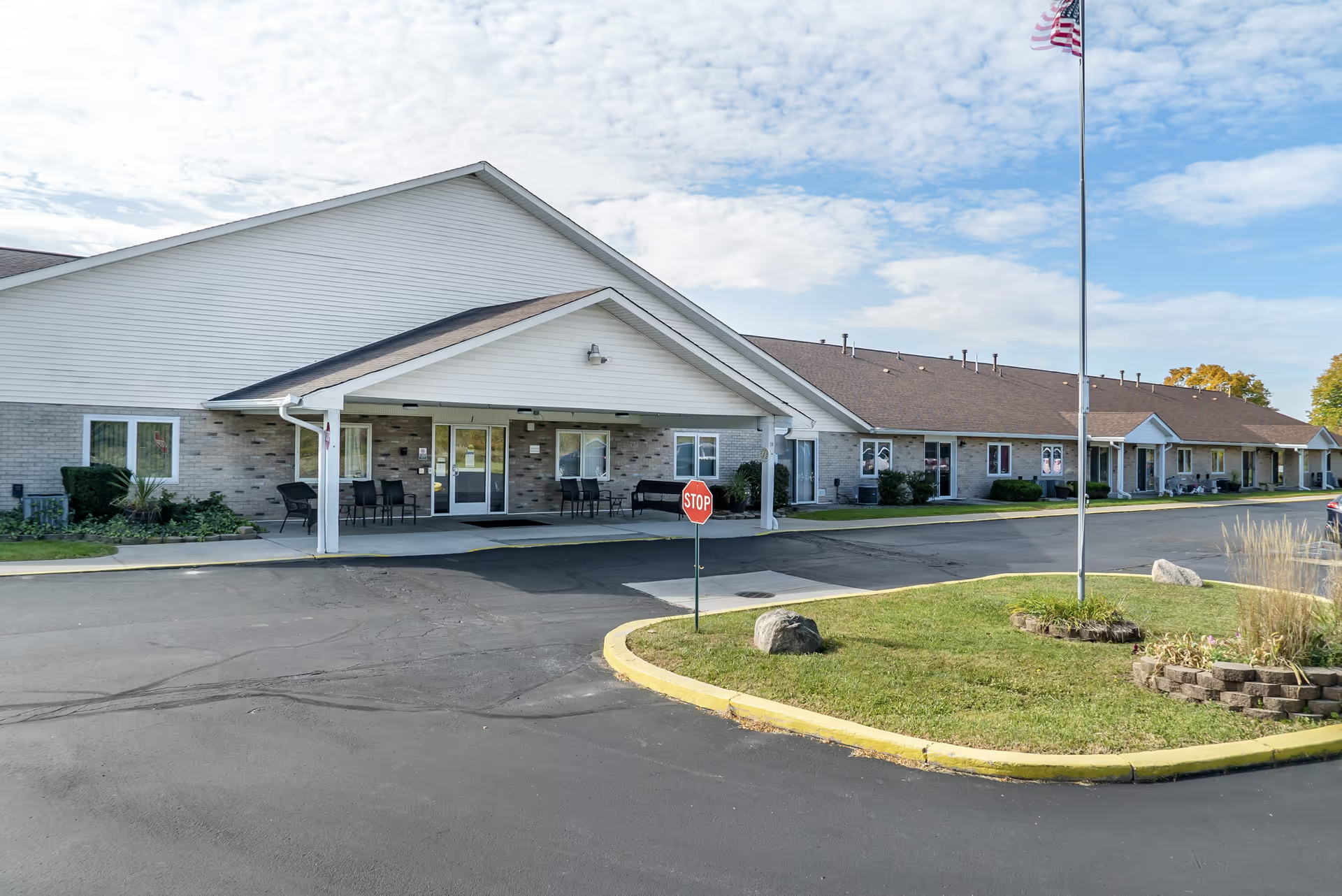
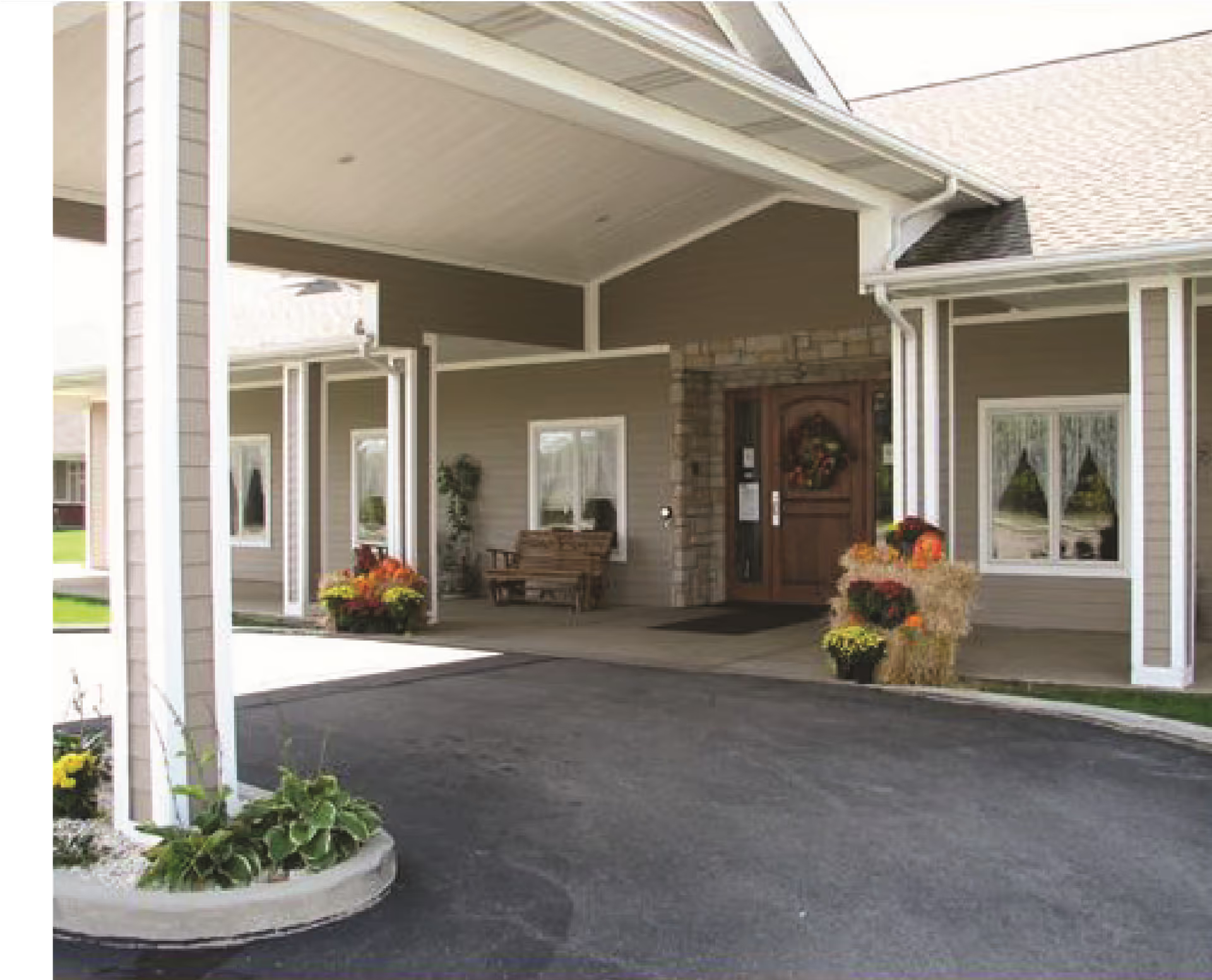
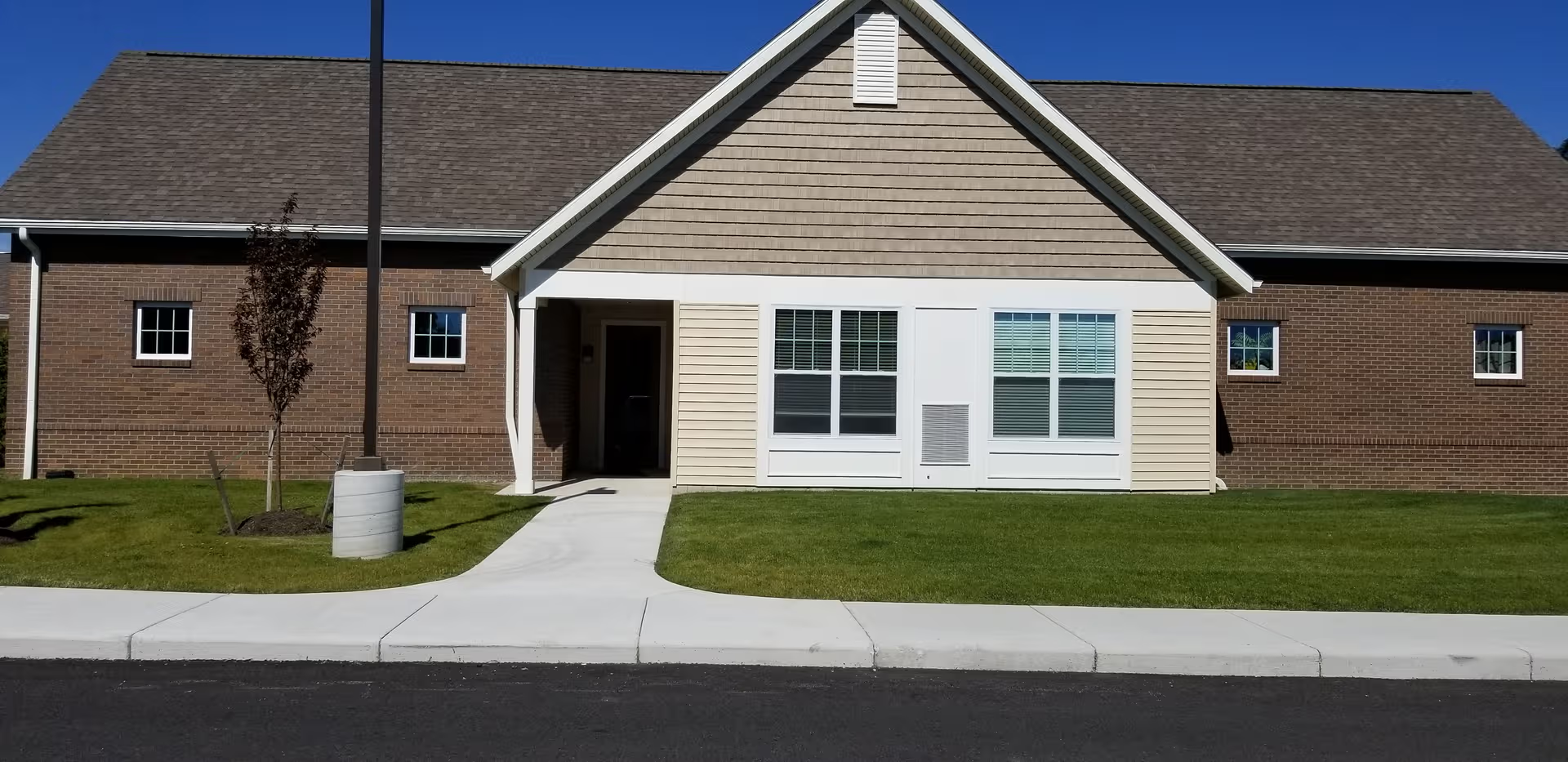
Dining, activities, and facilities: The supplied reviews do not provide substantive information about meal quality, programming, or the physical environment. There are no specific praises or documented problems in these areas in the excerpts provided. Families should request sample menus, activity calendars, and an in-person tour to evaluate dining, social programming, and the condition of common and private spaces.
Management and notable patterns: Comments referencing “poor management” and “mismanagement” indicate perceived weaknesses in leadership, complaint resolution, and family engagement. Recurrent reports of restricted or poorly communicated visitation access and inadequate family communication point to policy and process gaps that affect families’ ability to monitor care. Before making a placement decision, request written visitation policies, examples of how family concerns are logged and resolved, recent inspection or licensing records, and references from current families to assess whether these concerns are isolated or persistent.