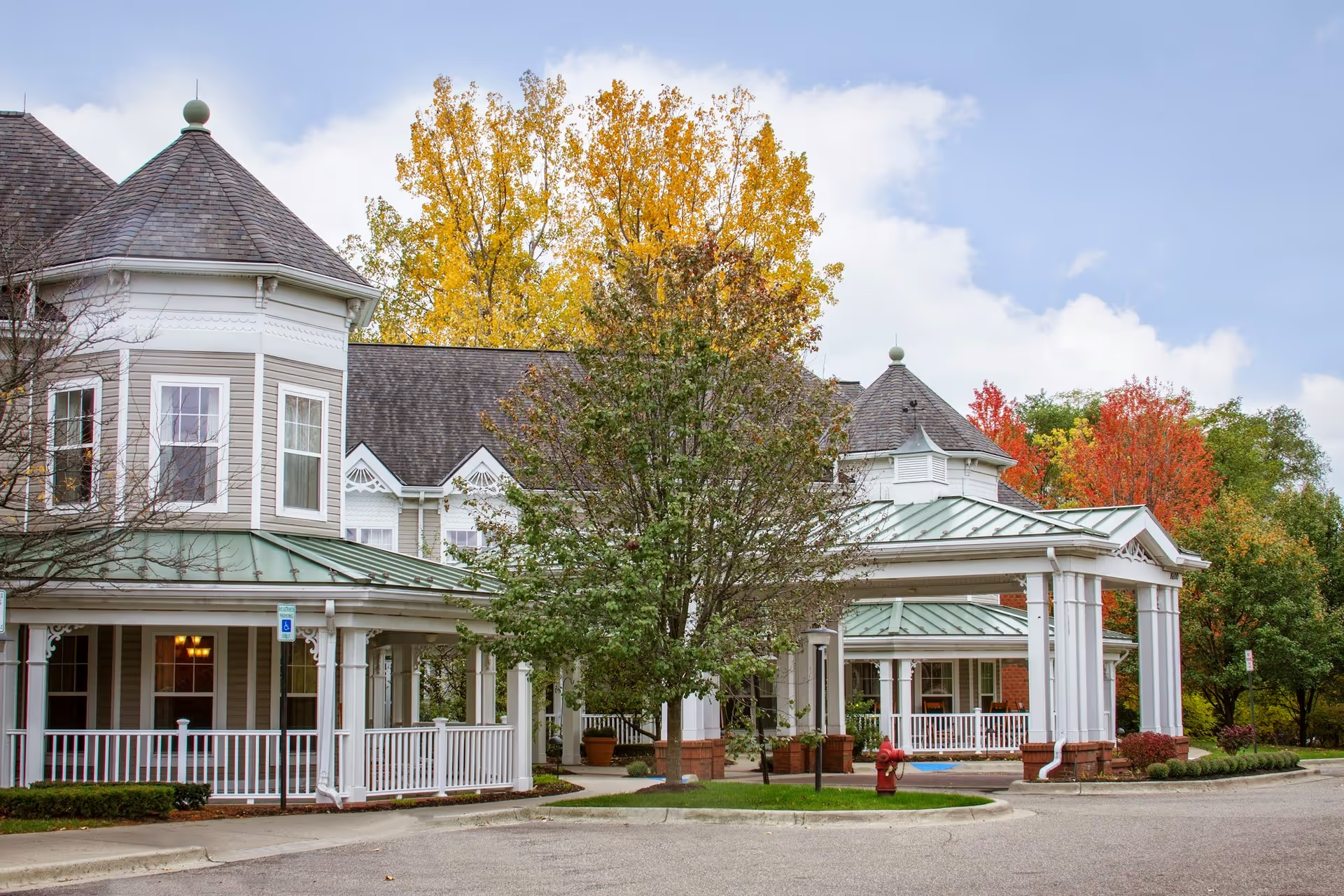
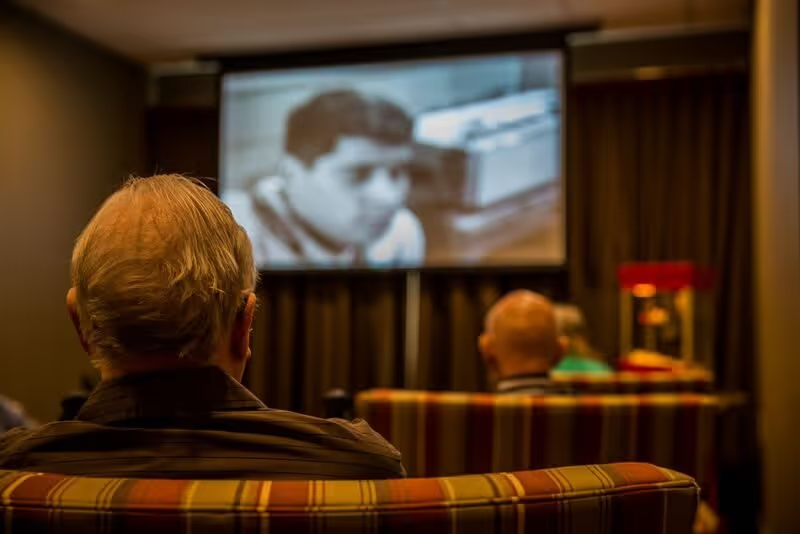
Brookdale Northville elicits a strongly mixed set of impressions. Many families and residents describe a warm, home‑like environment with compassionate caregivers, an engaged activities team, and well‑kept common spaces. The community’s small scale, multiple intimate dining rooms, outdoor patios, salon, library and frequent social programming create a neighborhood feel that several residents and visitors find comforting. Move‑ins and short stays are often described as smooth, and hospice and end‑of‑life support receive repeated praise.
Care and staff performance show marked variability. Numerous accounts highlight dedicated, personable caregivers, attentive nurses, and activity staff who form meaningful relationships with residents; in those cases families report comfort, good outcomes, and strong communication. Counterbalancing that are recurring operational concerns: inconsistent clinical follow‑through (including medication coordination and administration), delays in attending to resident needs, and examples of feeding or specialty‑care issues. Staffing levels and turnover are a consistent theme—families cite both individual outstanding employees and broader chronic understaffing that can impair continuity of care.
Dining and activities are strengths in many narratives but not uniformly so. The activity director and programmatic offerings (Bingo, outings, exercise and brain‑health programs) are often praised, and per‑wing dining rooms reduce walking distances for residents. At the same time, reviewers describe variable meal quality, occasional cold or repetitive meals, and limited options for special diets (for example, liquid diets). The facility’s decentralized dining configuration is appreciated for convenience by some but described as confusing or inconsistent in service by others.
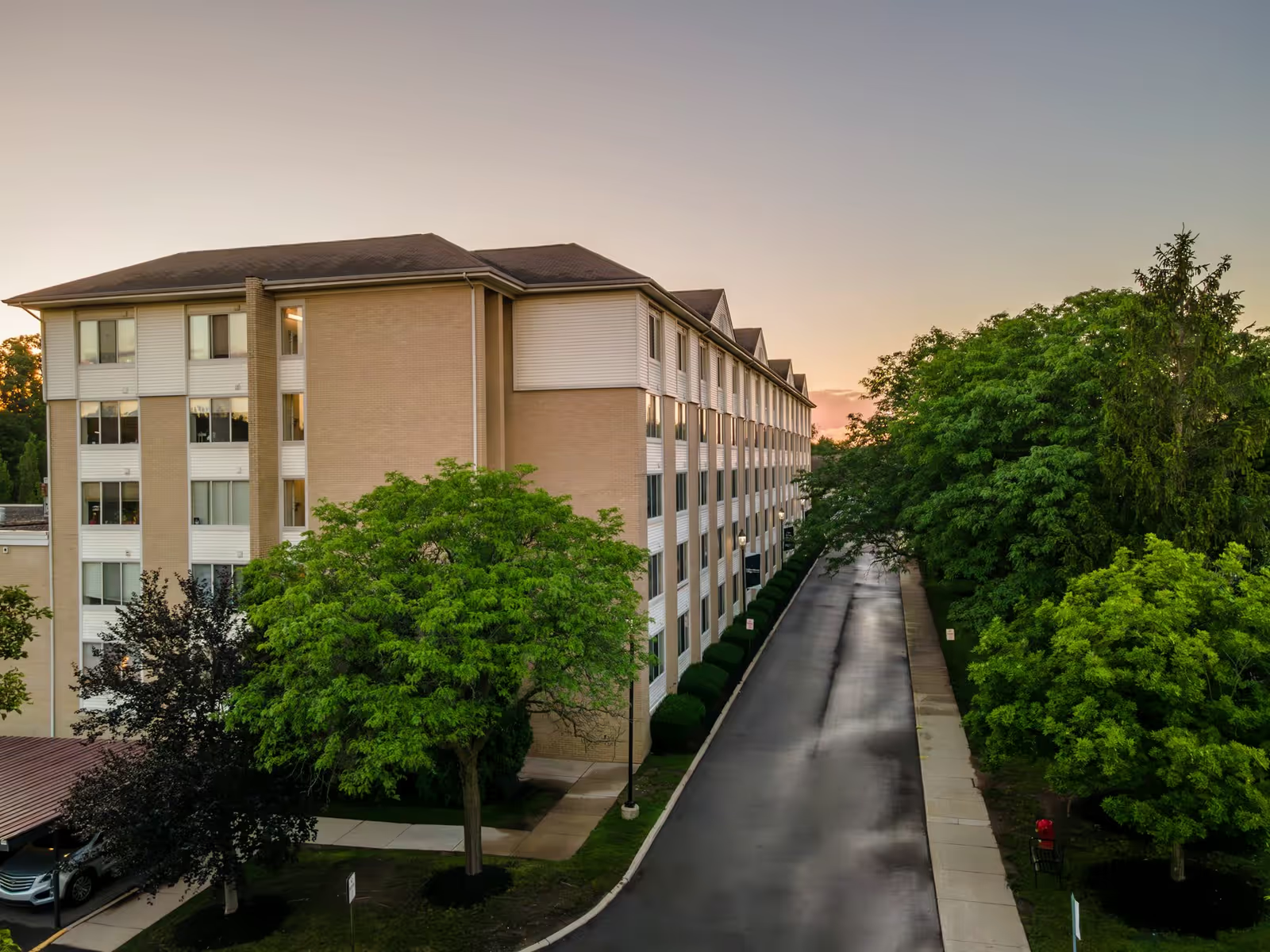
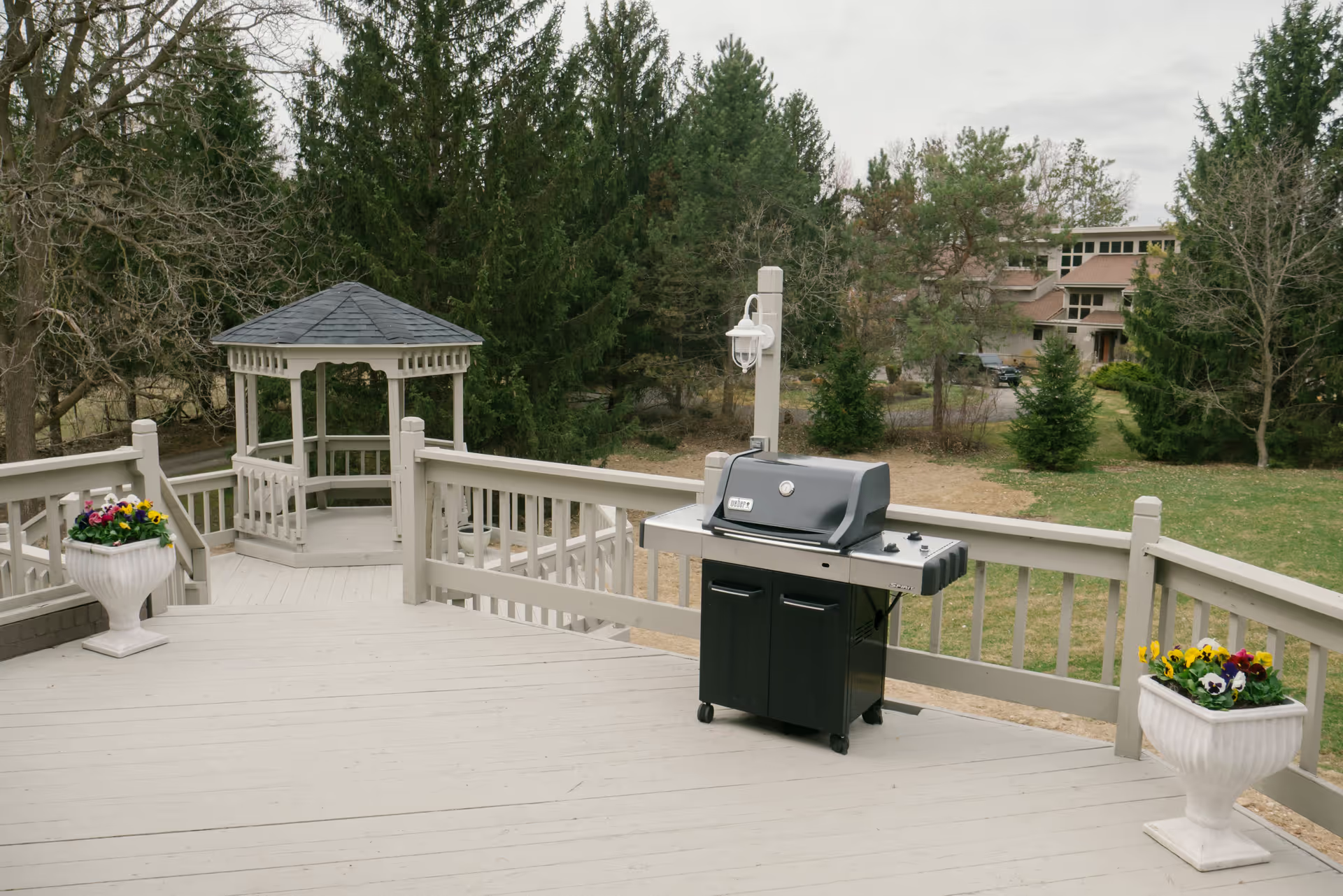
The physical environment is frequently described as clean, tasteful, and comfortable, with pleasant grounds and useful amenities for a smaller community. Private rooms are generally characterized as homey but modest in size; the building is not positioned as a high‑end, hotel‑style campus. Operationally, housekeeping and laundry processes are inconsistent in practice—issues such as misplaced or poorly handled personal clothing and variable room cleaning are a repeated concern. There are also comments indicating sanitation or odor concerns in some areas, suggesting uneven housekeeping oversight.
Management and administrative practices present mixed signals. Several families praise proactive managers who facilitate transitions and communicate well, while others report unstable leadership, difficulty reaching administrators, and marketing or admissions practices that overpromise services. Financial transparency is frequently flagged: reviewers note repeated annual rate increases, unclear billing or refund situations, and frustration with contract details. Serious individual-level claims appear in a minority of accounts (for example, allegations of missing personal items and concerns about psychotropic‑medication consent); these merit careful follow‑up during any tour or contract review.
Implications for prospective residents: Brookdale Northville may be a strong fit for families seeking a smaller, community‑oriented assisted living with active programming and individualized attention from dedicated staff members. However, prospective residents should explicitly evaluate operational reliability and clinical capacity before committing. Recommended questions on a visit: current staffing ratios by shift, turnover statistics, medication‑administration and informed‑consent policies, housekeeping and laundry procedures, protocols for residents with higher care needs (memory care or wheelchair dependence), recent rate‑increase history, and sample contract and refund terms. Asking for recent references from current families and observing mealtime and activity periods in person can help determine whether the facility’s strengths align with a specific resident’s clinical and social needs.