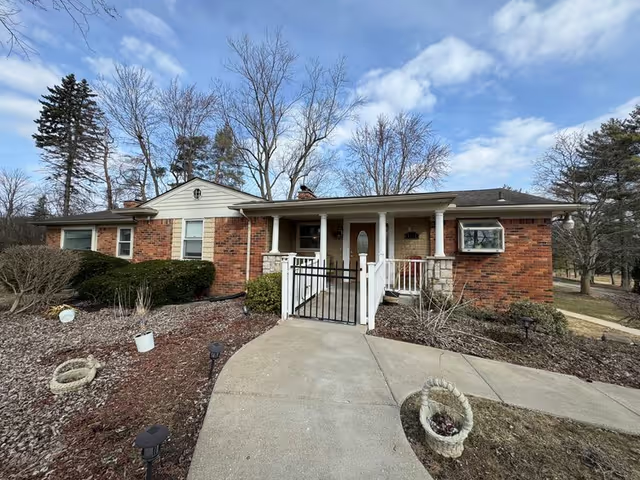
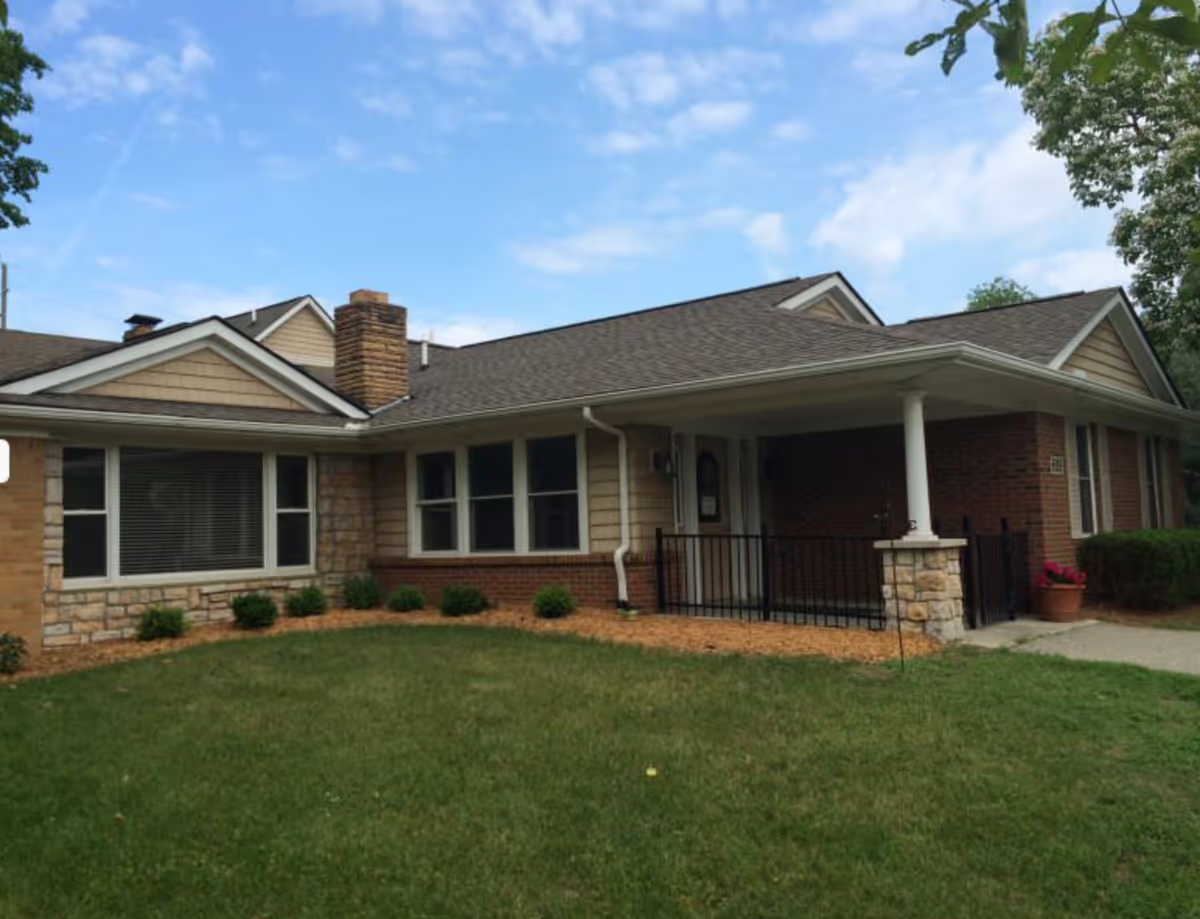
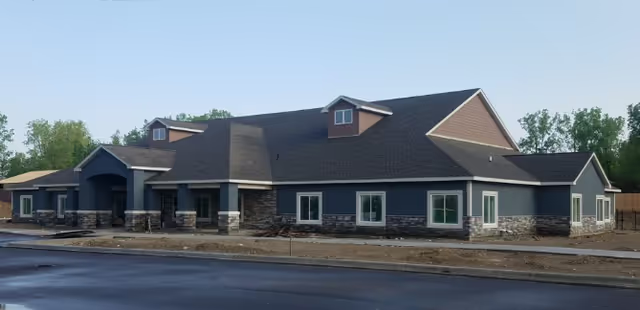
TenderCare presents as a small, home-style assisted living residence with an emphasis on individualized, compassionate care. The facility is consistently described as immaculate and well maintained, set on attractive grounds that provide a quiet, restorative environment. The house is furnished and decorated to feel home-like, with communal dining and social spaces that families characterize as warm and family-centered.
Clinical and daily-care strengths center on the owner-manager's nursing background and the presence of skilled hospice and nursing support. Reviewers highlight a high caregiver-to-resident ratio and frequent one-on-one attention that enables personalized assistance with grooming, dressing, and other activities of daily living. Staff are regularly described as attentive, kind, and experienced; many families reported close, trusting relationships and thorough communication, including coaching on pain management and frequent updates during declines in health.
Dining and activities are prominent positive themes. Meals are prepared from scratch and served family-style, with attention to resident preferences and presentation. Social programming includes simple, resident-focused events — singing, photo albums, outdoor picnics, and family celebrations — that reinforce a home-like routine and social engagement. Families also note meaningful end-of-life support and coordination with hospice providers when needed.
Facility features align with the small-house model: tidy, quiet rooms, clean linens, hardwood flooring, and outdoor areas that encourage nature contact. The intimate capacity supports independence for residents who can benefit from a calmer, less institutional setting and enables staff to provide personalized attention and emotional support.
A minority of reviews raised administrative and procedural concerns that prospective families should evaluate during tours and intake. These include observations of privacy and confidentiality procedure gaps, admissions practices perceived as high-pressure, inconsistent contract and consent documentation, and weaknesses in billing or financial-authorization controls. There were also isolated notes about inconsistent staff professionalism and unclear coordination protocols with external providers. While clinical caregiving and the physical environment were frequently praised, these operational issues suggest the need for clear, written agreements and direct questions about privacy policies, third-party communication procedures, and billing practices prior to placement.
Overall, TenderCare appears to deliver high-touch, compassionate care in a homelike, well-kept setting, particularly suited to families seeking individualized attention and a small-community environment. Families considering this facility should balance the strong clinical and relational attributes against the administrative concerns by confirming documentation practices, financial authorization procedures, and privacy safeguards during the decision process.