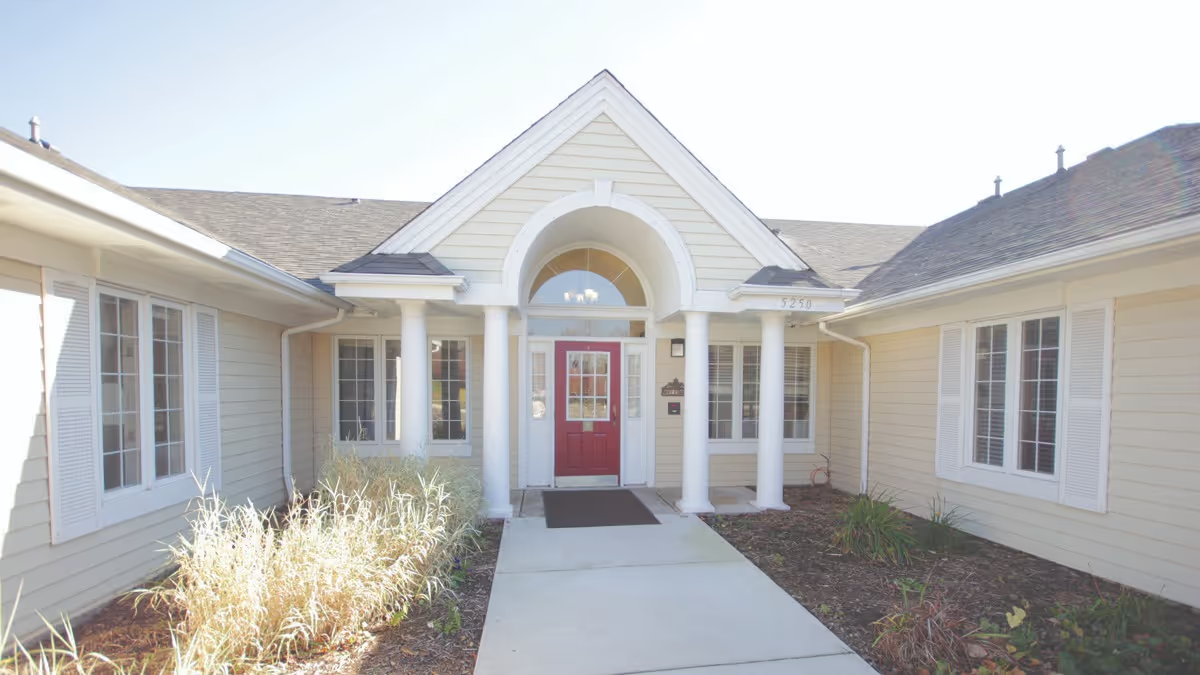
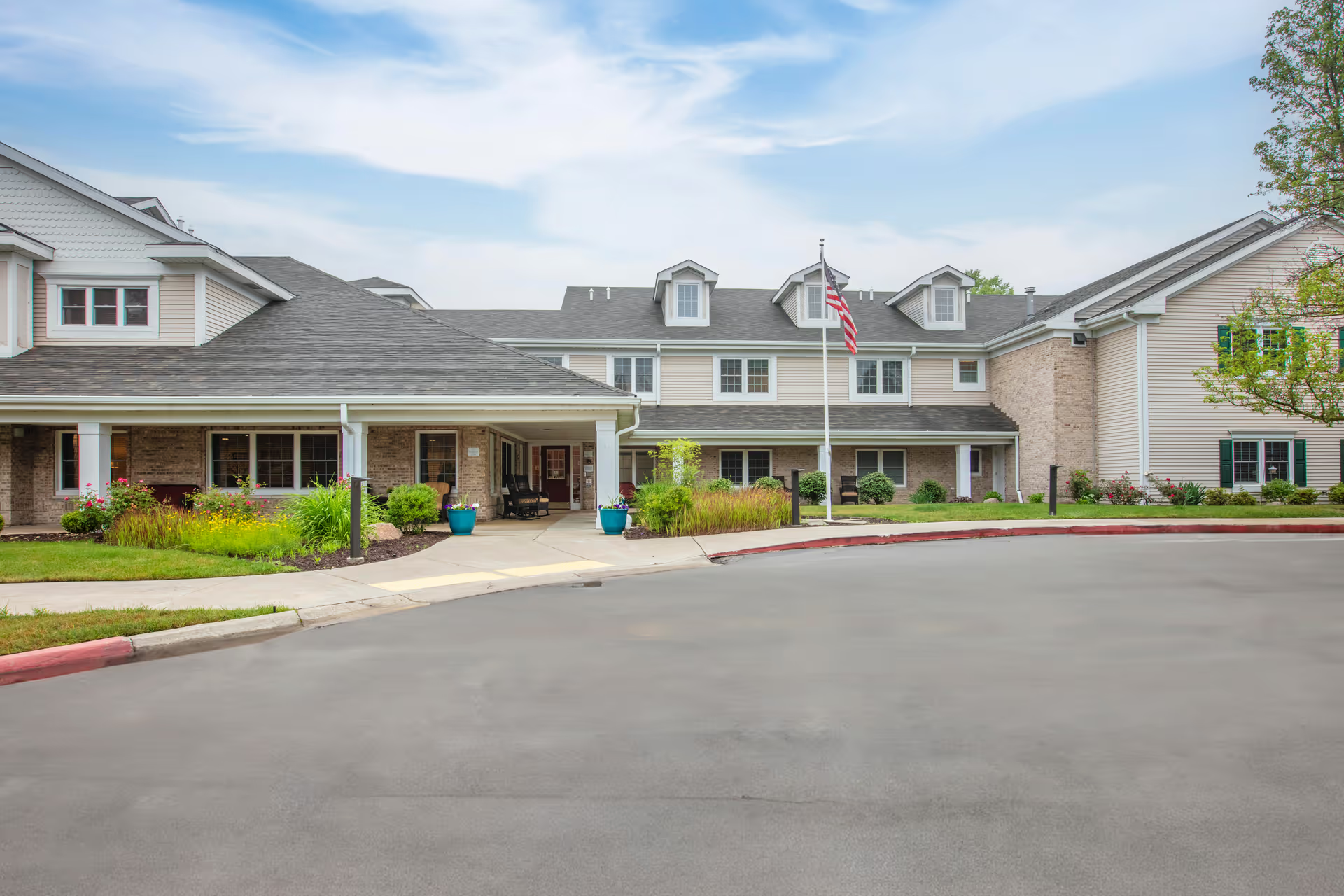
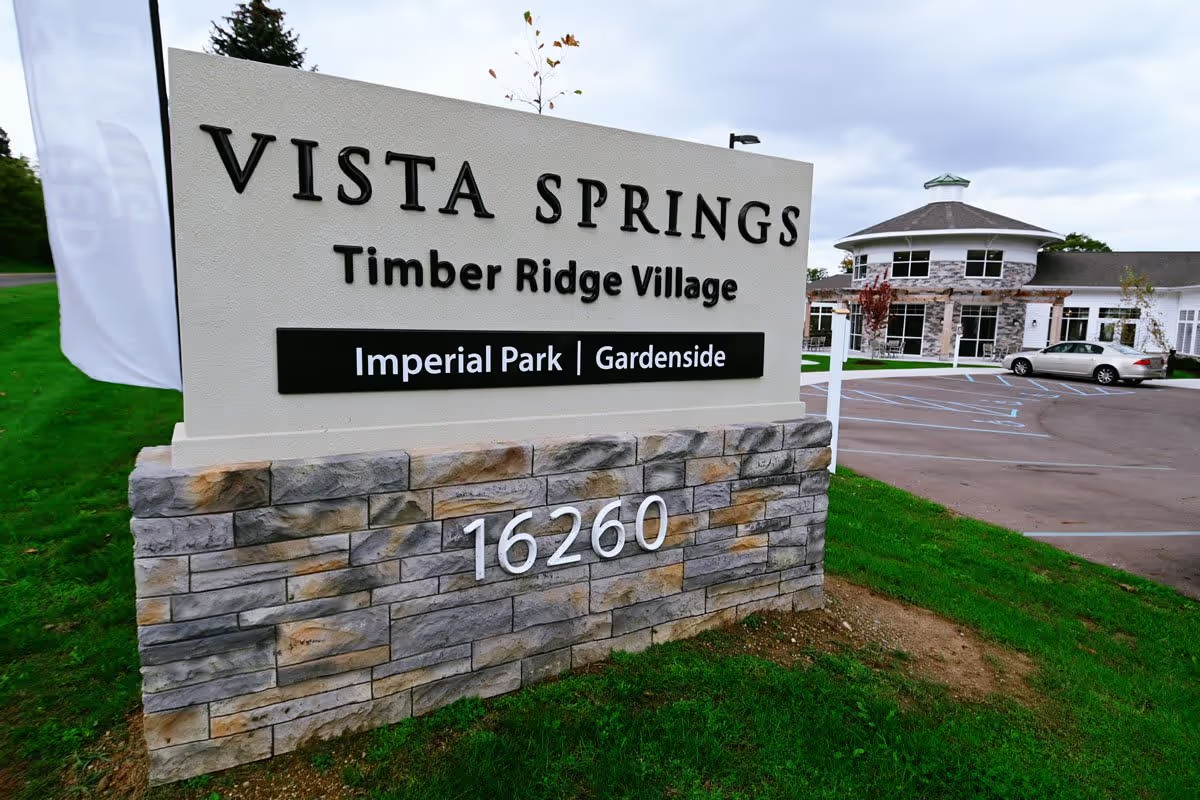
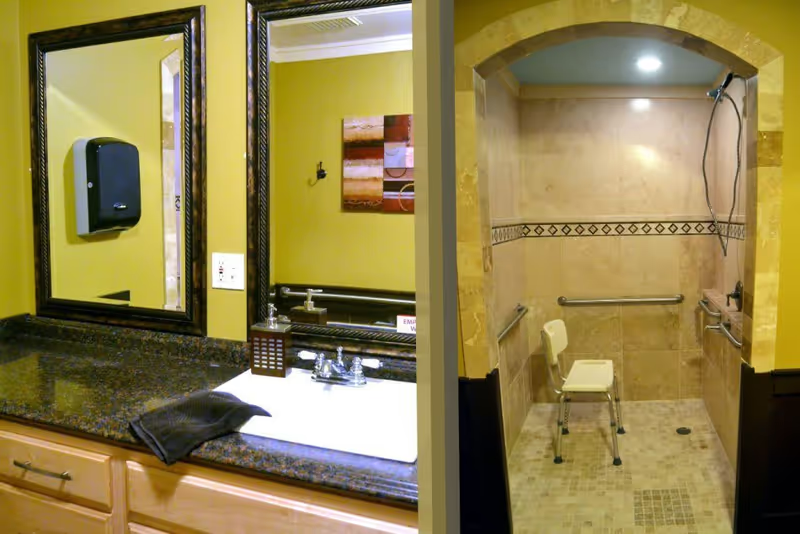
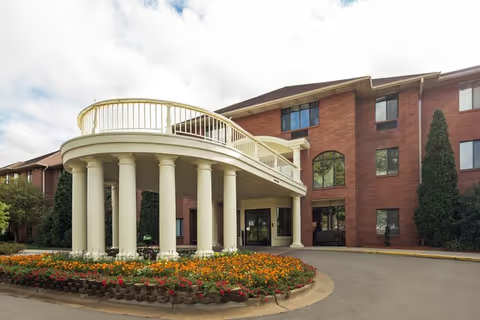
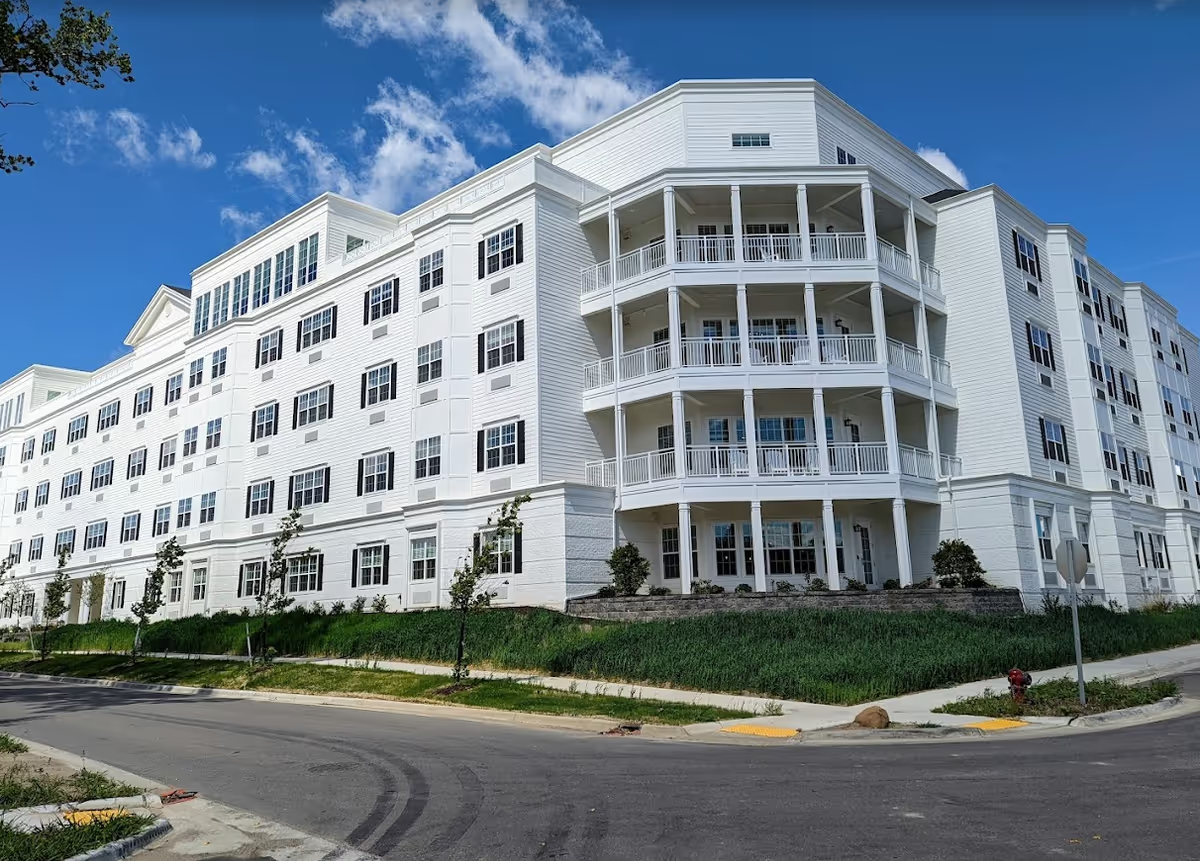
The reviews of this facility are polarized: many families and residents praise its rehabilitation capabilities, friendly front‑line staff, and well‑maintained building, while others describe operational shortfalls that affect day‑to‑day care. Strengths most frequently noted include a robust PT/OT program that helps residents meet functional goals, CNAs who provide attentive hands‑on care, and a welcoming reception and admissions experience. The facility’s physical plant—modern rooms, clean common areas, and attractive grounds—receives consistent positive mention, and several reviewers highlighted helpful business‑office and social‑work support during transitions.
Care quality shows a mixed pattern. When staffing and coordination are effective, reviewers describe prompt clinical responses (for respiratory issues and anxiety, for example), personalized therapy that continues to outpatient care, and nursing/assistant staff who treat residents respectfully. However, a substantial cluster of comments point to understaffing and resulting delays: prolonged call‑light response times, long waits for medication administration, and uneven completion of personal‑care tasks such as bathing and toileting assistance. There are also serious individual concerns, including allegations of inadequate clinical documentation and family notification and concerns following a resident’s death; these indicate potential gaps in clinical‑incident response and communication systems that prospective families should probe further.
Dining and activities elicit mixed feedback. Some residents enjoyed available programming (bingo, group events, and congregate activities) and said staff encouraged participation, while others found offerings limited, sparsely attended, or insufficiently varied. Food quality assessments range from praise to dissatisfaction; meal satisfaction appears inconsistent across stays or units. Reviewers did single out helpful elements such as spiritual support and an engaged social worker as bright spots for resident well‑being.
Facility operations and management present both positives and recurring concerns. The building is widely described as clean and well cared for, with user‑friendly layouts and secure entry. At the same time, several reviews describe variability in sanitation and housekeeping across shifts, soundproofing concerns in units with cognitively impaired residents, and difficulty reaching clinicians or leadership by phone. Multiple comments reference a perceived division between management and frontline staff, which reviewers link to operational breakdowns (staffing shortages, delayed follow‑up, and inconsistent shift‑to‑shift communication).
Notable patterns to inform a decision: 1) therapy services are a clear strength and may be among the facility’s best assets; 2) staffing levels and shift coordination are the most frequently cited operational vulnerabilities and appear to drive many downstream issues (delays, inconsistent personal care, medication timing); and 3) communication channels—both family notification after incidents and routine phone access to staff/leadership—are areas several reviewers recommend verifying before placement.
For families considering this facility, recommended steps include an on‑site tour to observe cleanliness and call‑bell responsiveness, asking for current staffing ratios and typical response‑time metrics, reviewing medication‑administration and documentation procedures, requesting menus and sample activity schedules, and meeting the therapy team. These targeted inquiries can help clarify whether the facility’s strengths align with a prospective resident’s priorities and whether the facility’s operational practices address the concerns raised by other families.