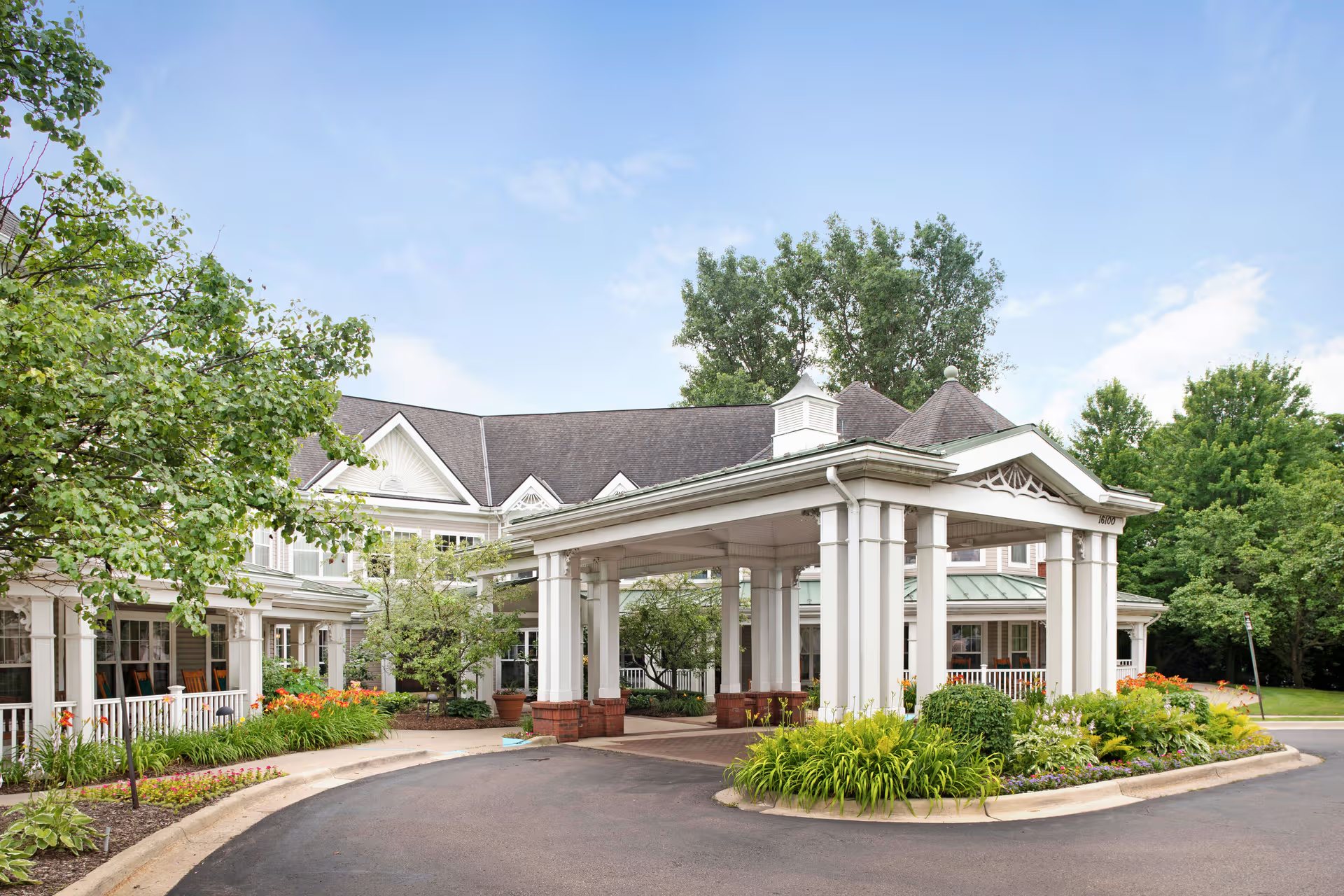
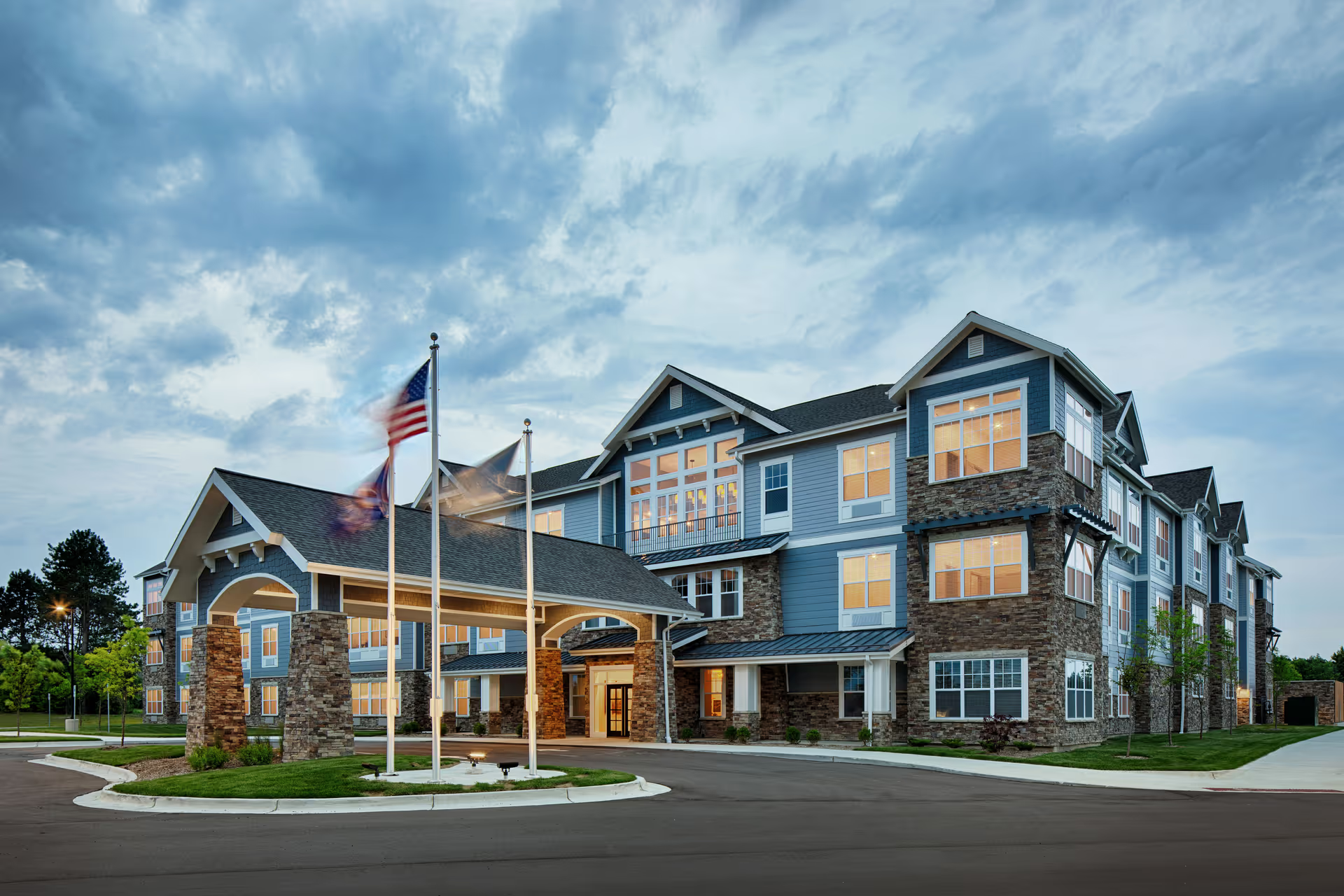
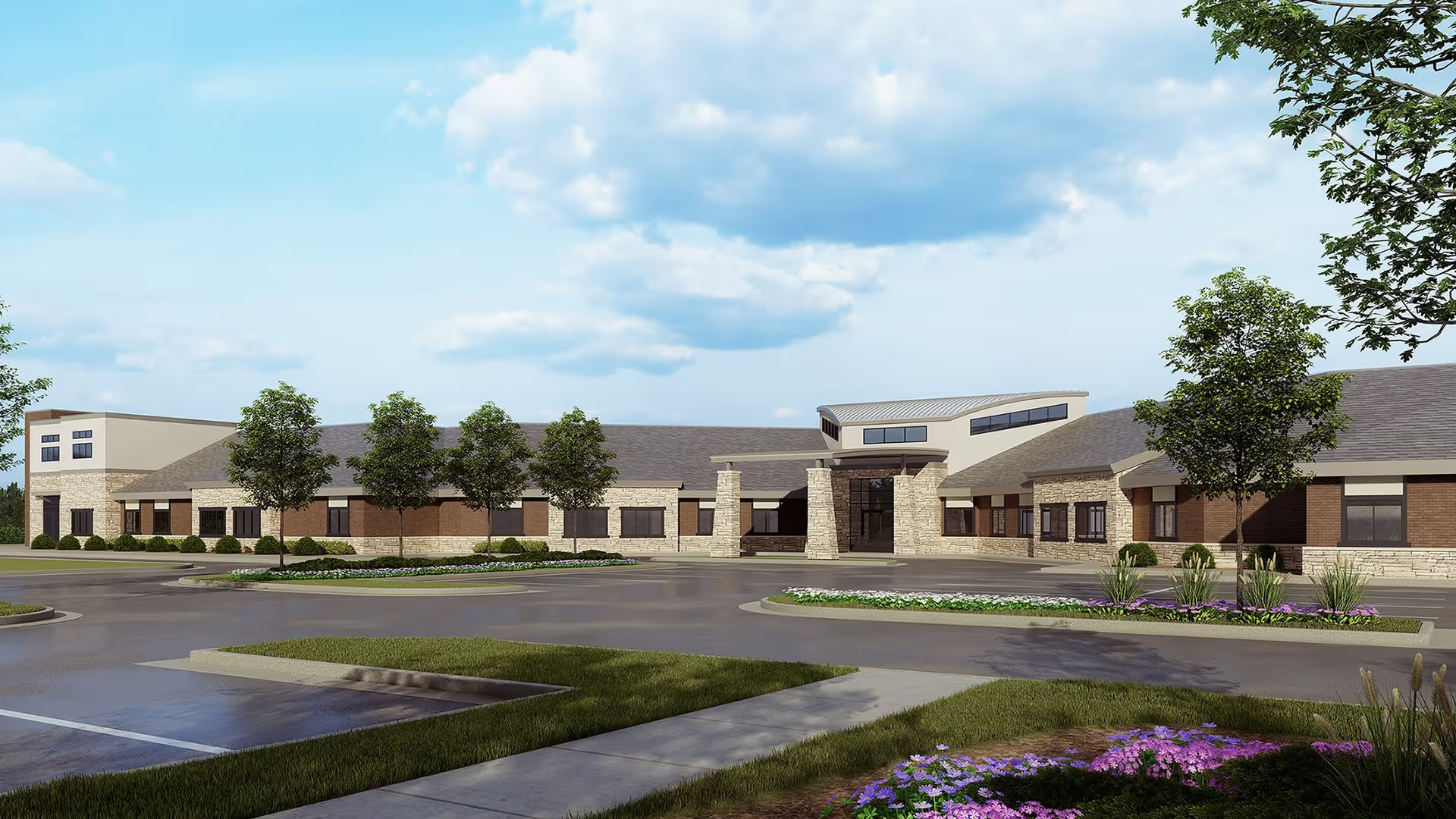
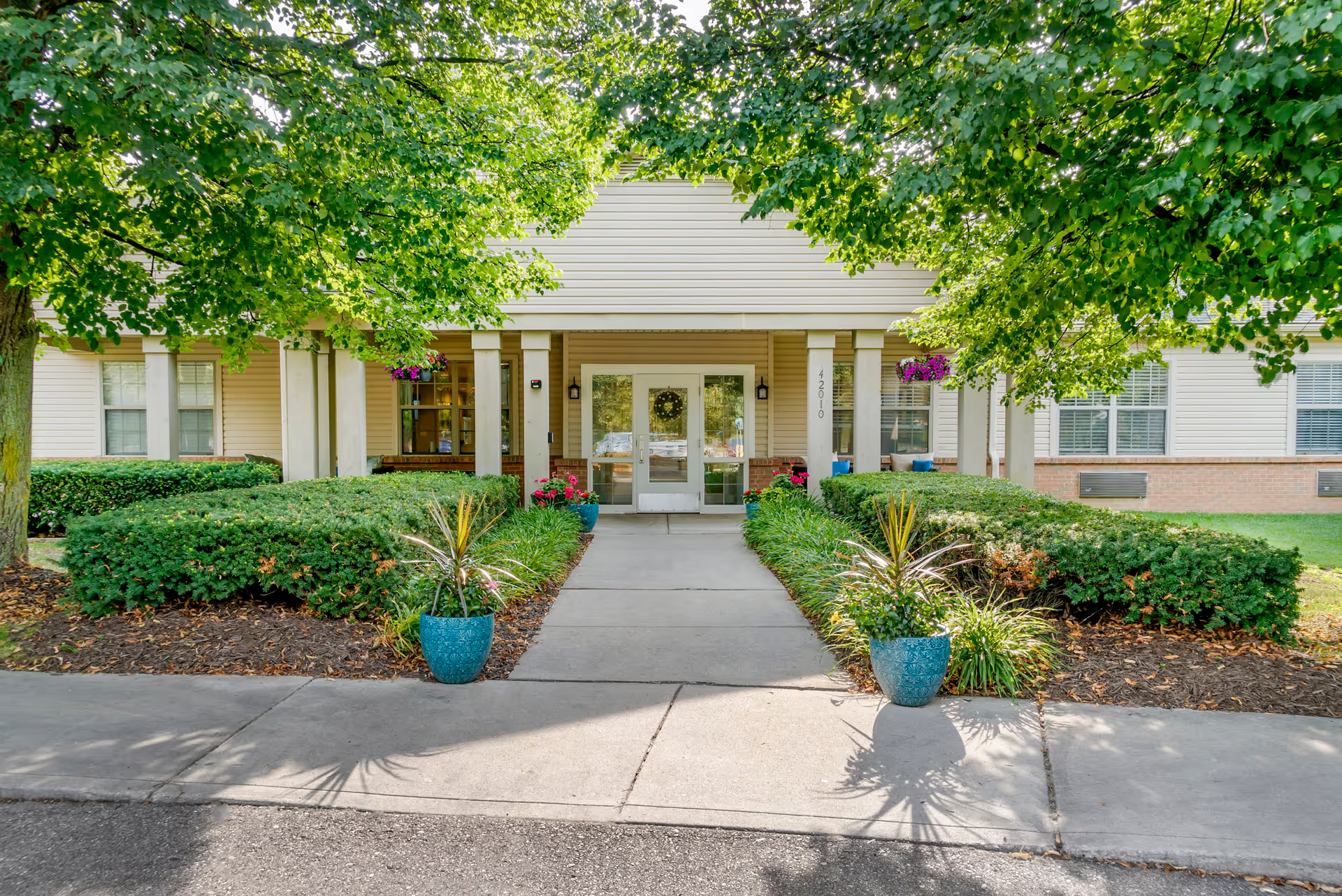
Overall impression: Reviews of Medilodge of Haggerty Road describe a facility with clear strengths in direct caregiving and rehabilitation services alongside recurring operational challenges. Many families praised direct-care staff — nurses, CNAs, and therapists — for compassionate interaction, attentive therapy, and a willingness to go beyond basic duties. Physical and occupational therapy teams, activity staff, and some social workers receive consistent positive mention for producing meaningful progress and engagement for residents. Admissions and front-desk staff are frequently described as helpful and efficient, and maintenance staff are often responsive when repairs are needed.
Care quality and staffing: Clinical care is experienced as highly variable. Positive accounts highlight timely medication administration, attentive aides, and good clinical coordination during transitions. Conversely, a substantial pattern of concern centers on inconsistent staffing levels (particularly on weekends and nights), delayed responses to assistance requests, and periods when monitoring appears limited. These operational gaps are associated with family perceptions that quality of care can depend on visitor presence and oversight. There are also recurring comments indicating variability in leadership presence and supervisory follow-through, which families say affects shift-to-shift consistency.
Clinical processes and safety: Several families described issues that point to weaknesses in facility-level safeguards: gaps in medication documentation and administration controls, inconsistent wound and catheter protocols, and uneven pressure-injury prevention practices. Communication around significant clinical events and post-death administrative processes was also flagged as an area needing improvement. When clinical coordination works well, reviewers note smooth record updates and clear care plans; when it falters, families describe delayed information and difficulty obtaining clear answers from administration.
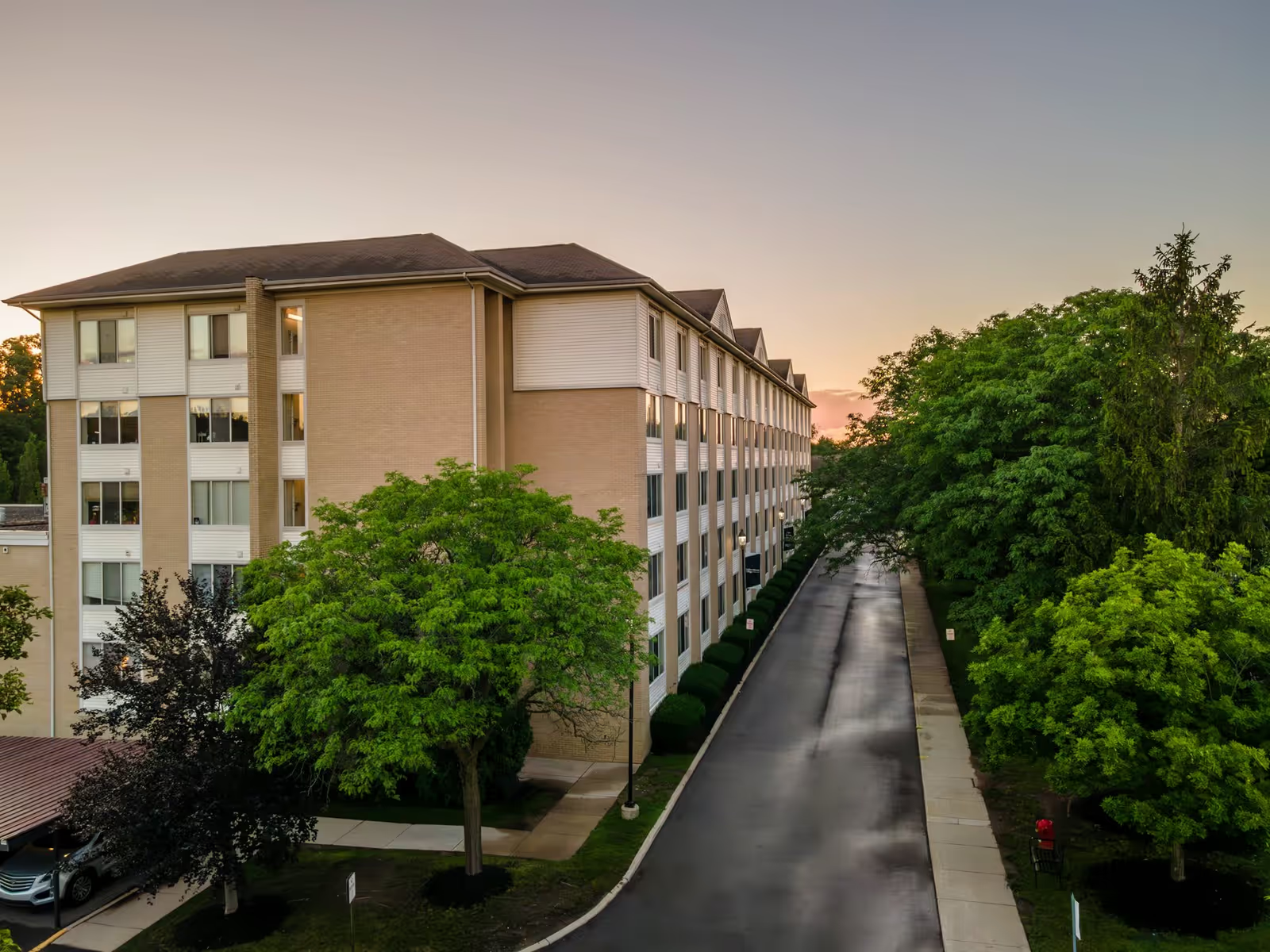
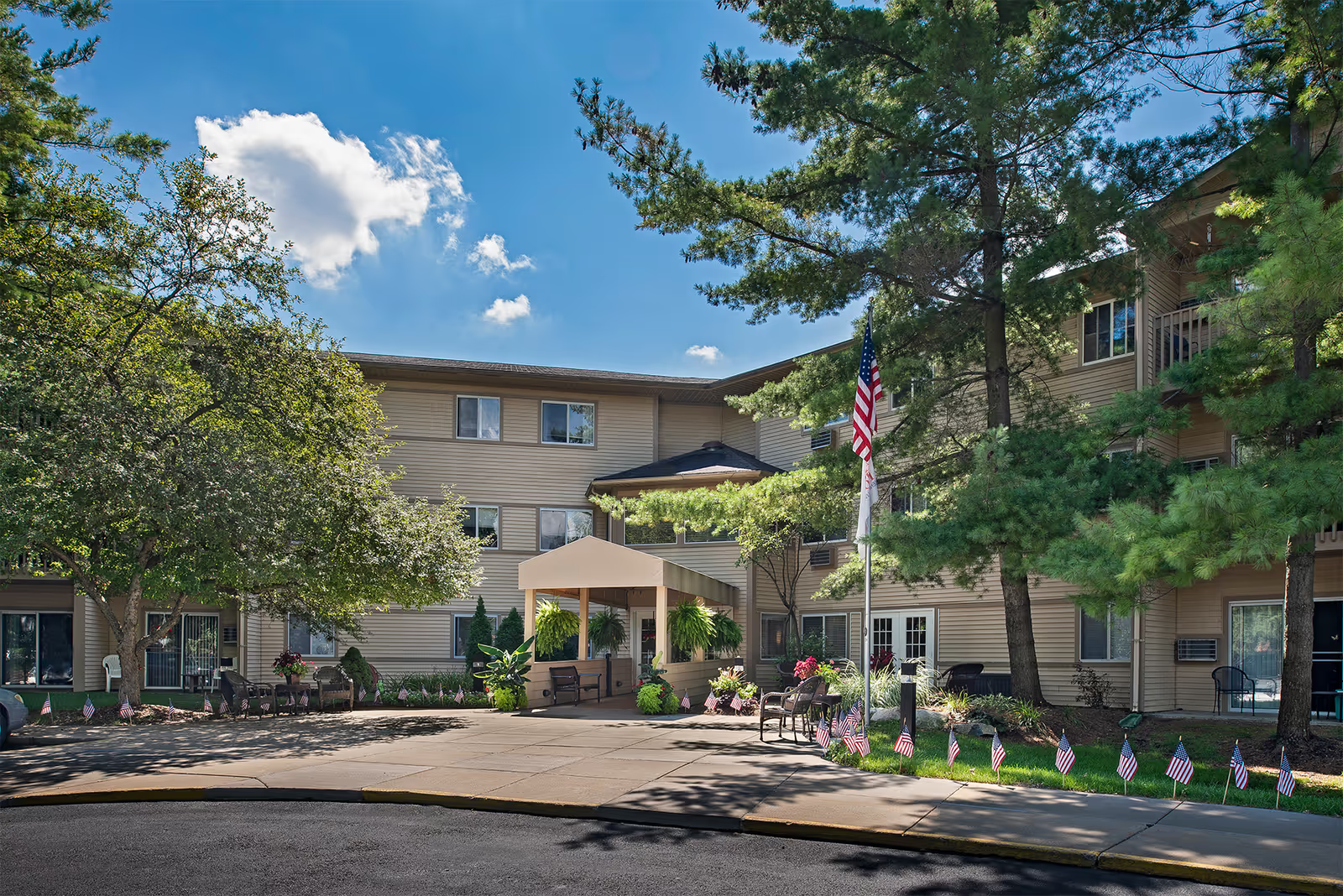
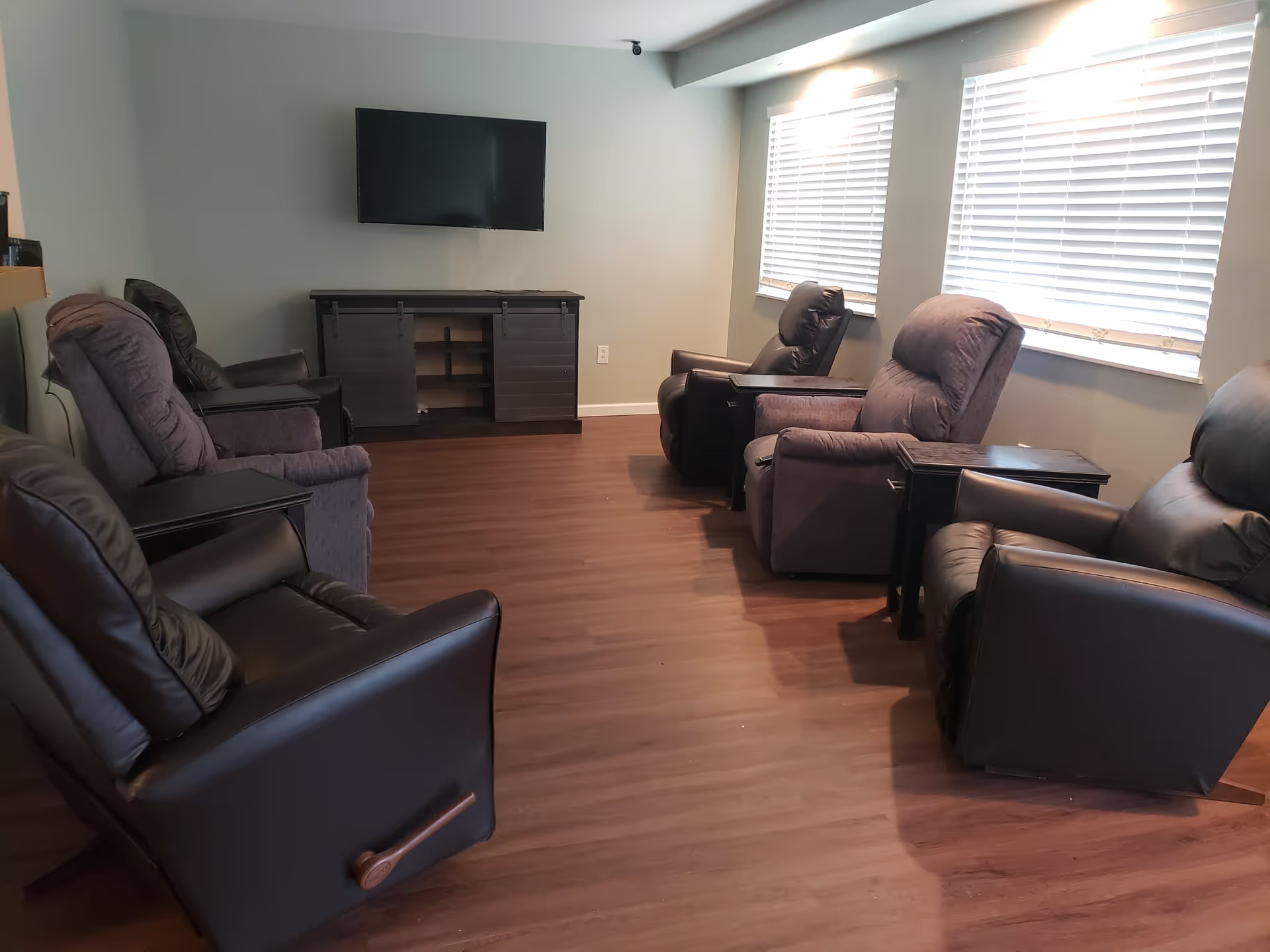
Environment, dining, and activities: Activity programming and therapy are frequently cited as strengths — diverse daily activities, live music, and engagement that contribute to resident well-being. Dining experiences are mixed: some reviewers appreciated accommodating kitchen staff and improved meal presentation, while others described inconsistent meal quality and delivery issues (cold meals, inaccessible trays). Facility condition comments are polarized: many note clean, updated common areas and quick repairs, while others cite sanitation and maintenance concerns in particular rooms, occasional odor issues in some areas, and isolated pest-control concerns. Laundry, personal-belongings handling, and room-level upkeep were also mentioned as recurring operational issues.
Management and recommendations: Administrative impressions vary widely. Several families praised specific administrators and supervisors for responsiveness and compassionate handling of transitions; others described poor communication, billing challenges, and limited responsiveness to serious concerns. Weekend and after-hours accessibility (including phone/visitor access) was a repeated theme. The pattern across reviews suggests the facility can provide excellent, rehabilitative, person-centered care when adequately staffed and supervised, but that variability in staffing, leadership presence, and certain clinical and environmental protocols leads to inconsistent experiences. Prospective residents and families should ask about current staffing ratios, weekend supervision, medication and wound-care protocols, pest-control practices, and the facility's process for family communication and incident follow-up when evaluating placement.