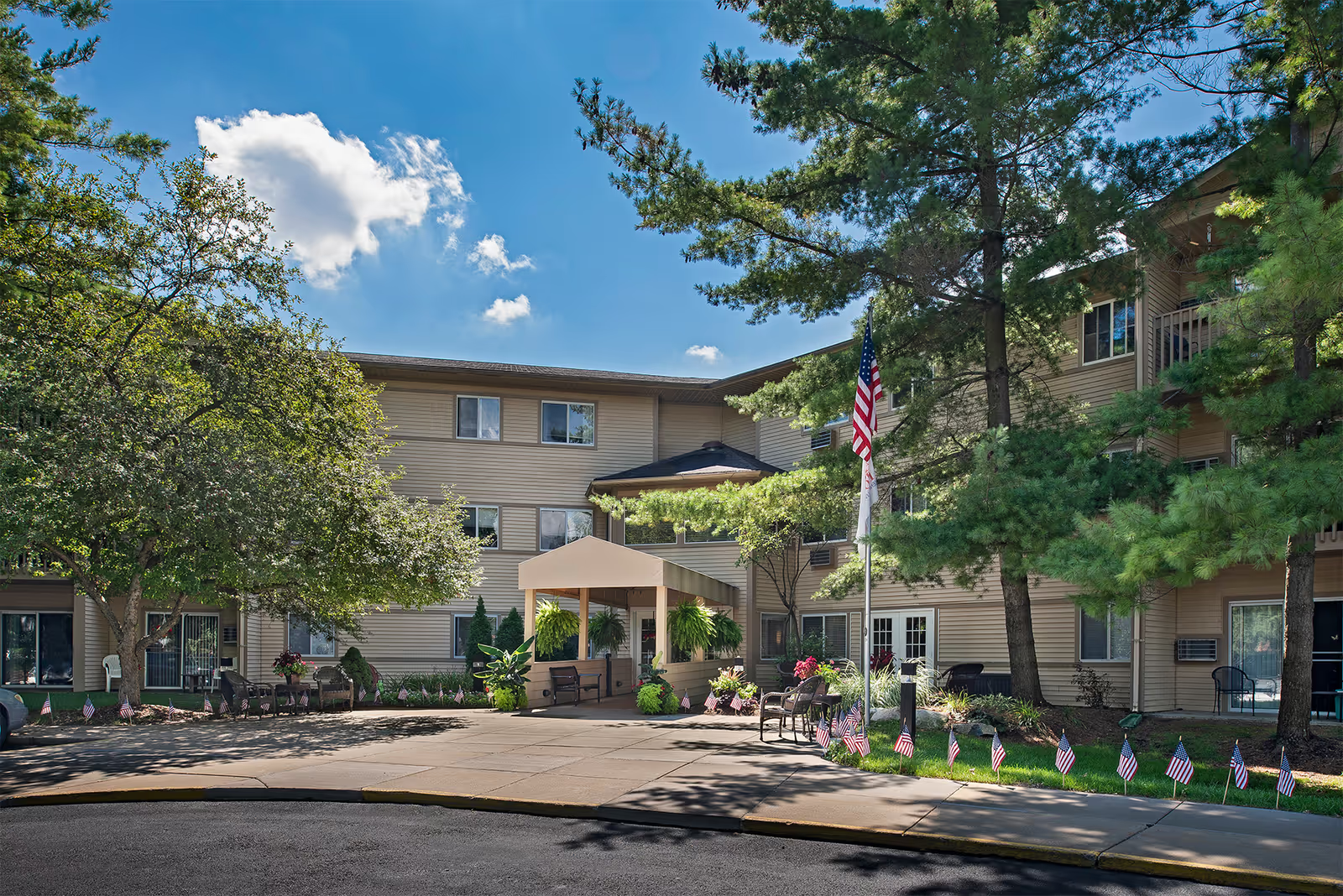
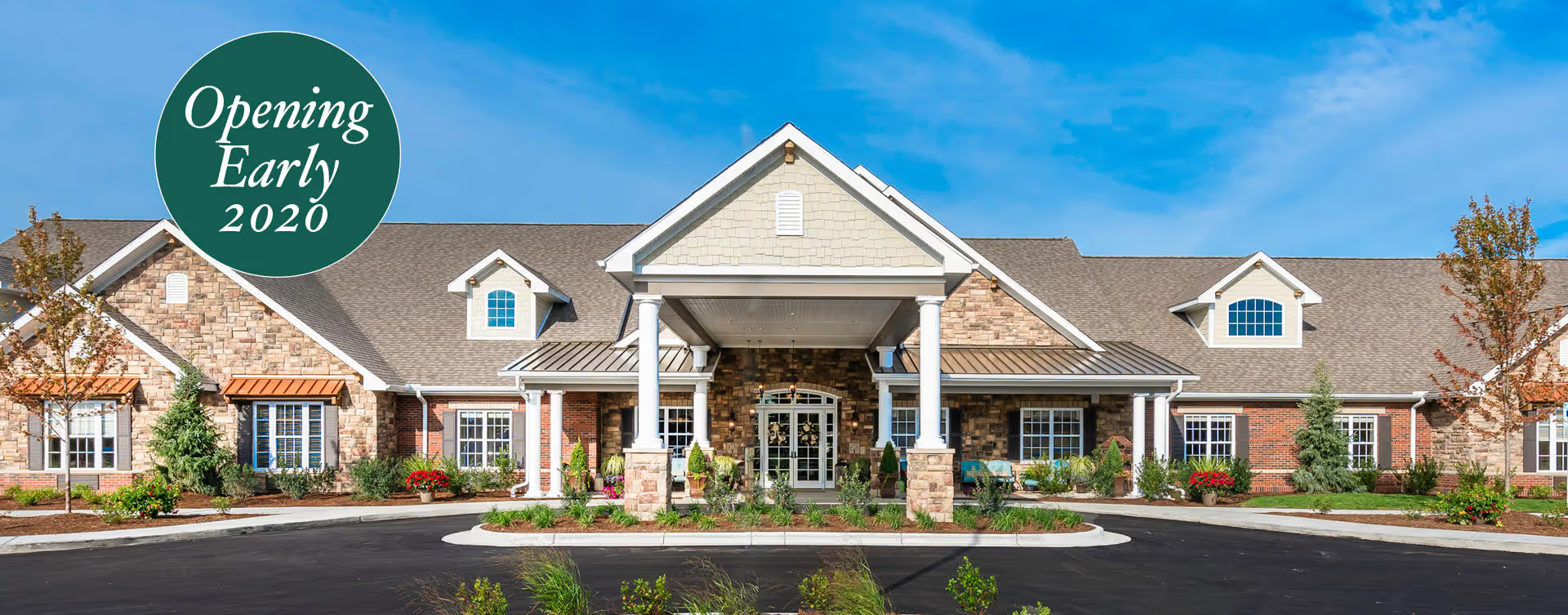
Reviews for Medilodge of Plymouth are highly polarized, with a clear pattern of strong, compassionate front‑line caregivers reported alongside recurring operational and facility concerns. Many families praised individual aides, nurses, and admissions staff for personable, attentive interactions and described a small, home‑like setting with pleasant outdoor areas and some organized activities. These positive accounts frequently highlight staff members who provide personalized attention and steady communication during stays.
Conversely, a substantial set of concerns centers on staffing, timeliness of care, and clinical consistency. Multiple accounts describe delays in responding to call lights and extended waits for assistance with toileting, pain relief, and other basic needs. Medication administration and pain‑management timeliness are recurring issues, and reviewers noted inconsistent nurse/provider availability and short, intermittent provider or therapy visits. These patterns suggest operational gaps in scheduling, clinical oversight, and staffing adequacy that can affect day‑to‑day care continuity.
Dining and therapy services show mixed performance. Several families reported inconsistent food quality, temperature issues, and lapses in dietary adherence; there are also reports of meals being served before medications. Rehabilitation and therapy services are available on site, but multiple reviewers described therapy sessions as brief or perfunctory and noted instances where billed therapy did not match observed treatment time. Prospective residents should verify therapy schedules, staffing, and billing practices directly with administration.
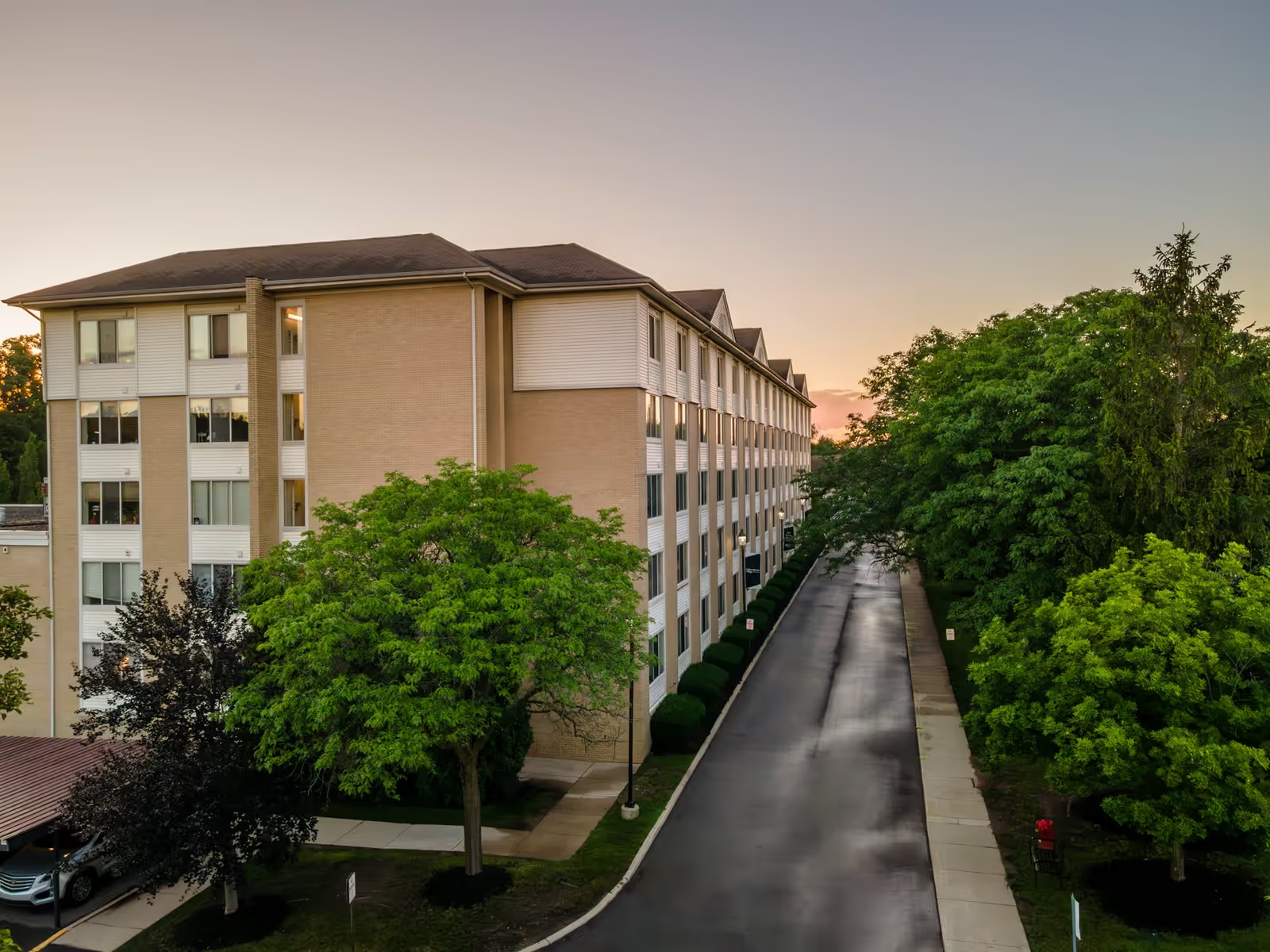
Facility condition and maintenance are another area of divergence. Some reviewers described clean, well‑kept units, while others raised concerns about building upkeep — including heating and window issues, roof leaks, cracked plaster, small shared rooms and bathrooms, and cluttered hallways. Sanitation inconsistencies and odor concerns in certain areas were mentioned, indicating variable housekeeping performance. Security and personal‑property processes also emerged as a concern in several accounts, with reports of missing items and unlocked doors raising questions about storage, access control, and inventory procedures.
Management, communication, and administration elicit mixed impressions. Positive mentions include engaged admissions staff and administrators who take time to communicate with families. However, other reviewers reported inconsistent responsiveness, billing and transparency issues, and uneven enforcement of visitation or infection‑control policies (including communication around infectious outbreaks). Reports of unprofessional conduct by some staff — described as inappropriate tone or language — point to variability in training and supervision.
Taken together, the reviews suggest a facility where dedicated and caring staff can deliver strong interpersonal support, but systemic operational issues—particularly staffing consistency, timely clinical care, facility maintenance, and administrative transparency—may undermine that care in practice. Families considering placement should tour the building, meet nursing leadership, review recent inspection and staffing records, ask for written details on medication administration policies, therapy schedules and billing, and confirm housekeeping and infection‑control protocols to assess whether the current operational performance meets their expectations.