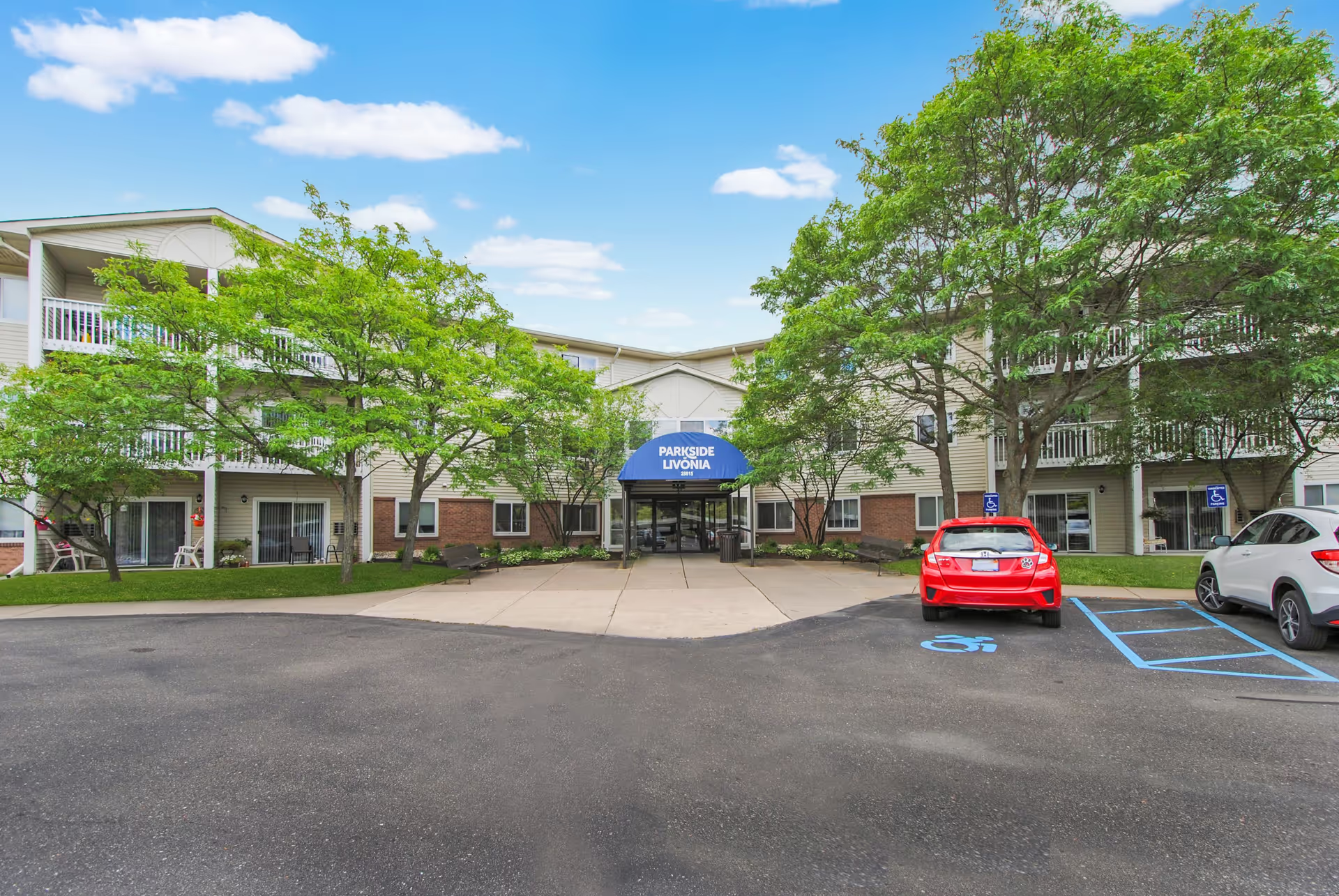
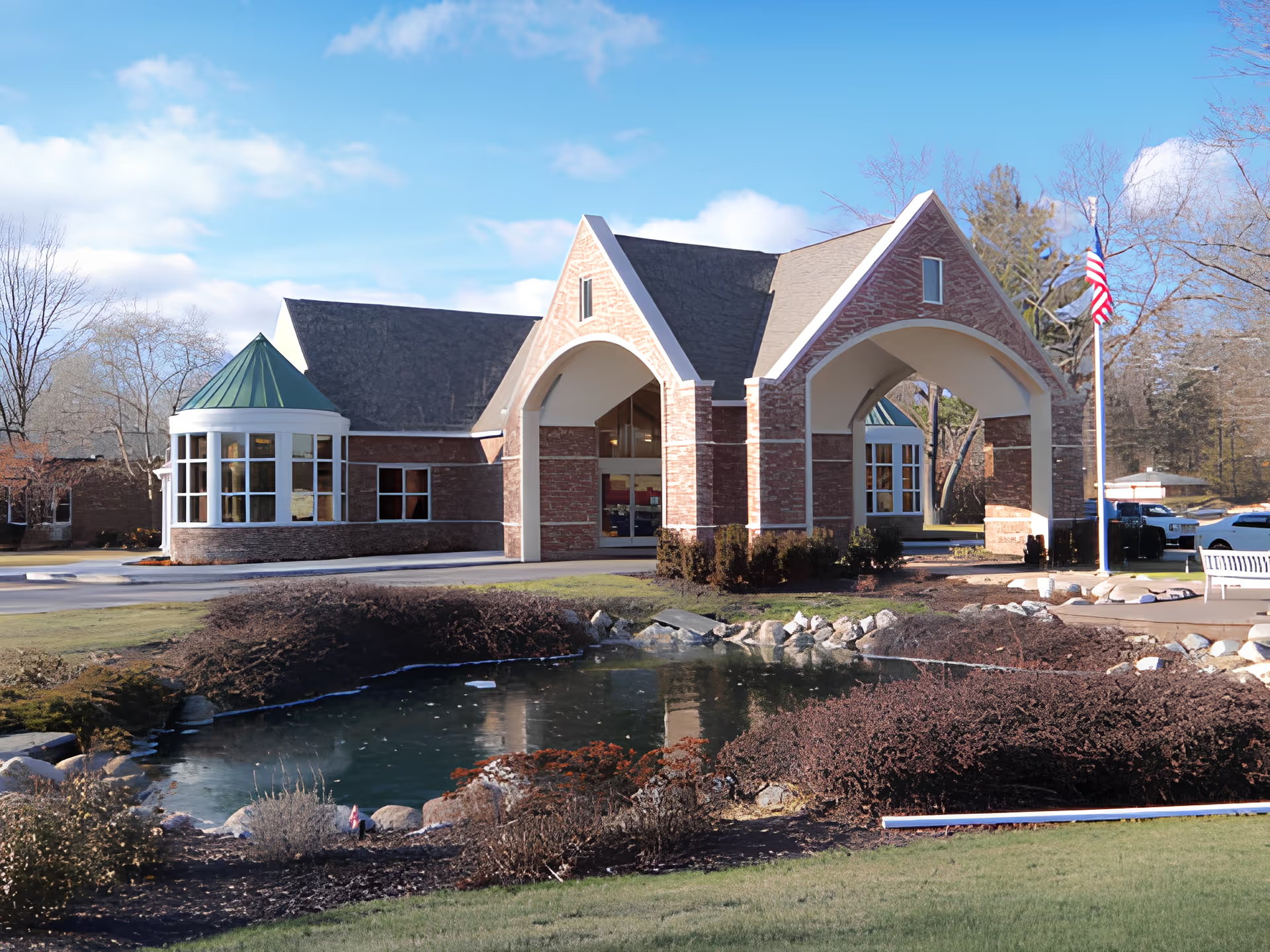
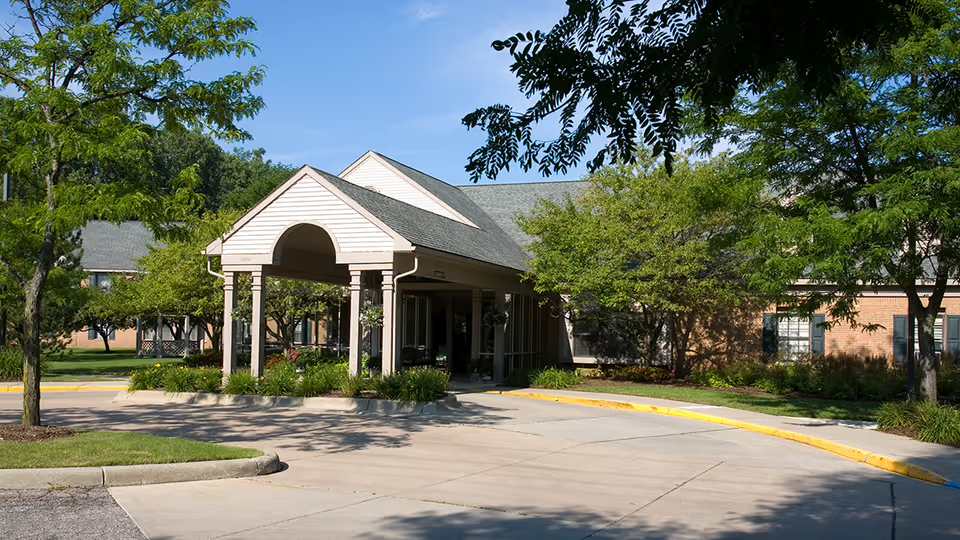
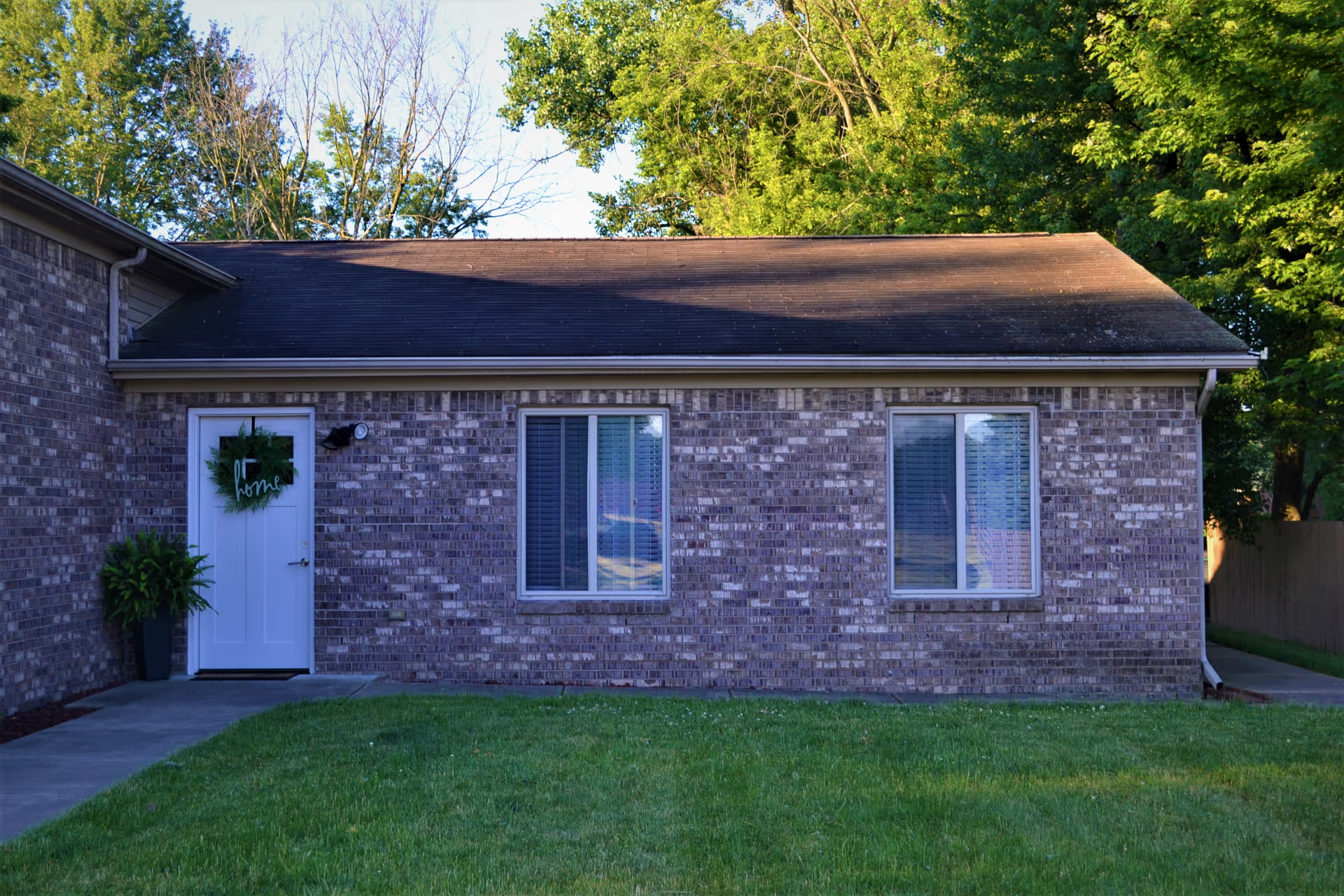
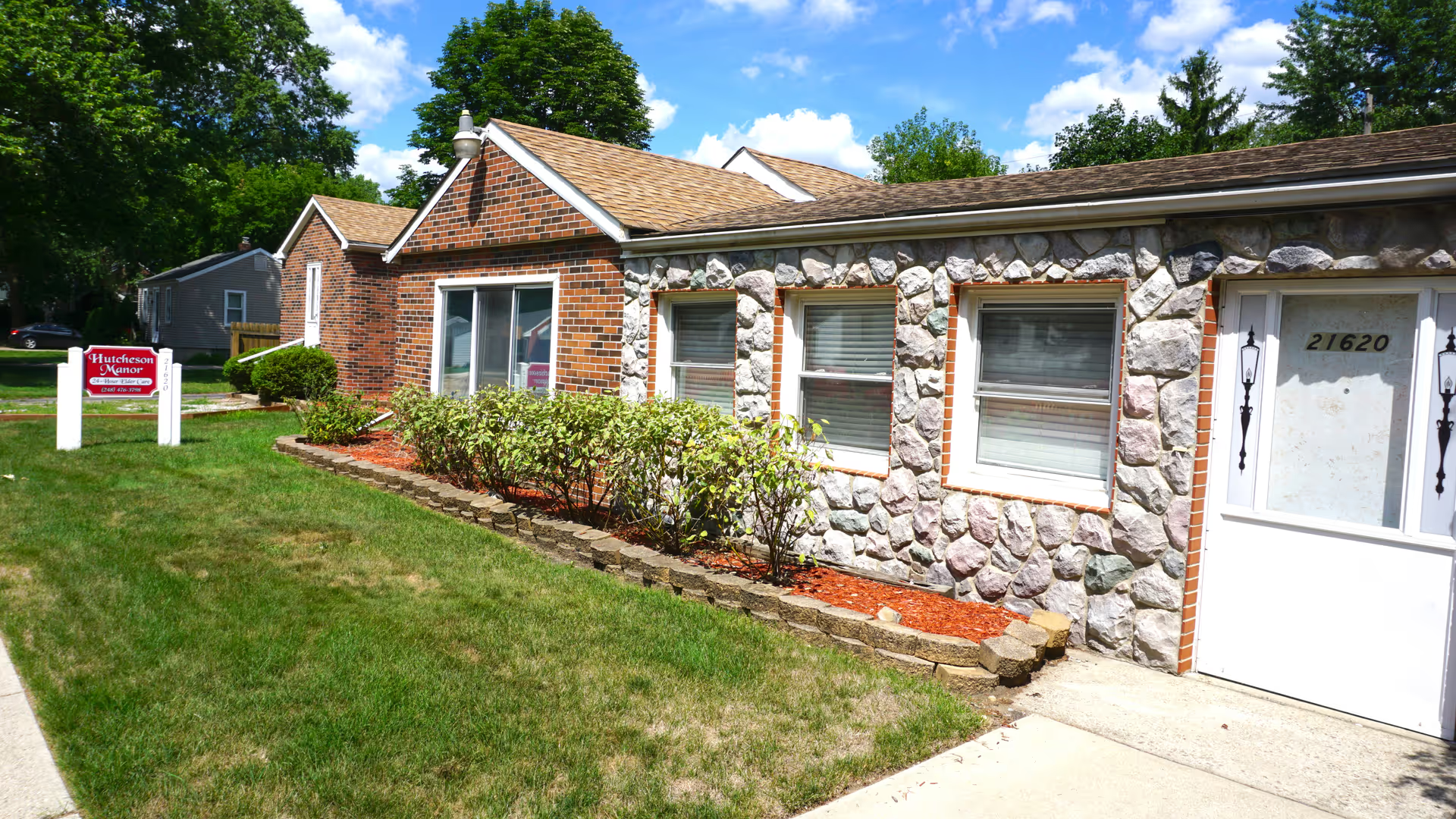
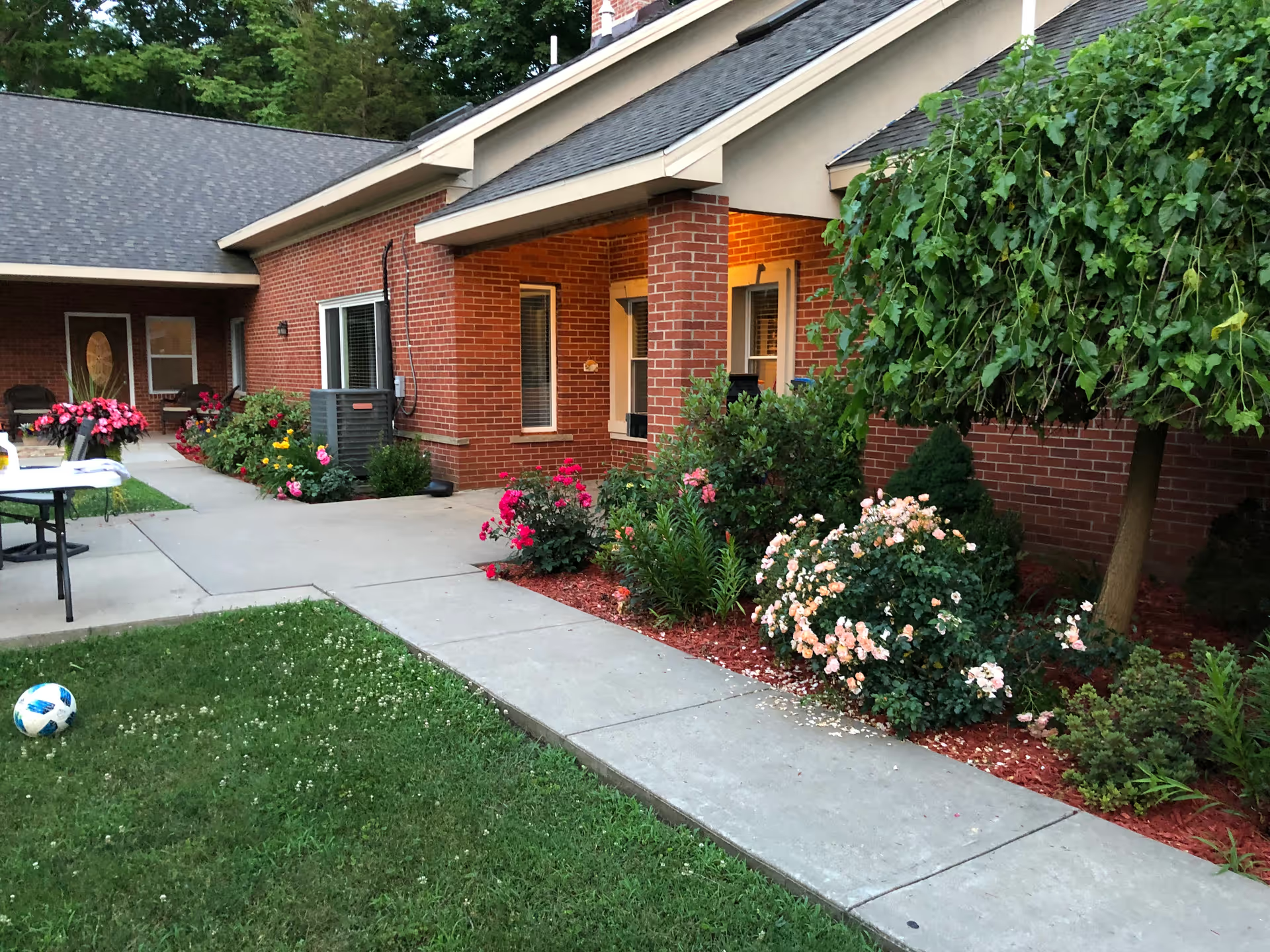
The Orchards Michigan - Redford elicits strongly mixed impressions across reviewers. Positive accounts emphasize a core of compassionate direct-care staff — particularly CNAs and some nurses — who create a familial atmosphere, maintain cleanliness and linens for many residents, and provide attentive, person-centered support. The campus and grounds, including a courtyard, chapel, and residential-style apartments and cottages, are frequently described as attractive and comfortable; several families praised admissions and front-desk staff for being welcoming and helpful. Rehabilitation services, including physical therapy and subacute rehab, are also noted as strengths in multiple reviews.
Counterbalancing the positive reports are recurring operational concerns that appear across reviews. Staffing levels and shift coverage are described as inconsistent, producing delays in assistance, missed or late medication administrations, and irregular bathing and toileting schedules. Multiple accounts point to problems with medication management and clinical follow-up (for example, delayed physician contact, interrupted continuation of important medications, and inconsistent wound or post-surgical follow-up). There are also repeated notes about inconsistent housekeeping and sanitation practices, including specific incontinence-care delays and general cleanliness variability between units.
Dining and food service receive mixed feedback: some families describe fresh, well-prepared meals and accommodation of dietary needs, while others report cold meals, disposable service practices, and irregular meal delivery. Activity programming and spiritual offerings are praised by many (bible classes, holiday events, and chapel services), though other reviewers felt activity engagement was limited, with some residents spending long periods in rooms without scheduled programming.
Facility and maintenance comments are similarly polarized. The property and common areas are often described as well-kept and visually appealing, but some units and apartments were characterized as run-down, with maintenance, phone/communication, and pest-control concerns cited. Family communication and management responsiveness emerge as a primary pain point: reviewers frequently describe delayed or poor communication from administration, slow responses to concerns, and inconsistent coordination with outside providers including hospice and hospital teams. A small number of reviews reference state citations or regulatory action and there are serious allegations in some accounts about theft and financial exploitation; these items elevate the importance of direct verification with regulators and careful review of contractual and billing practices.
In summary, The Orchards at Redford presents a divided picture. Prospective residents and families should weigh the facility’s strengths in rehabilitation, communal spaces, and the presence of many caring staff members against patterns indicating inconsistent staffing, lapses in medication and clinical follow-up, variable cleanliness and dining experiences, and management/communication weaknesses. When considering placement, families may benefit from targeted questions about staffing ratios, medication-administration protocols, infection-control procedures, recent regulatory findings, and specific housekeeping and security practices; in-person observation of the unit where a prospective resident would live and direct references from current families in that unit are advisable to assess variability across the campus.