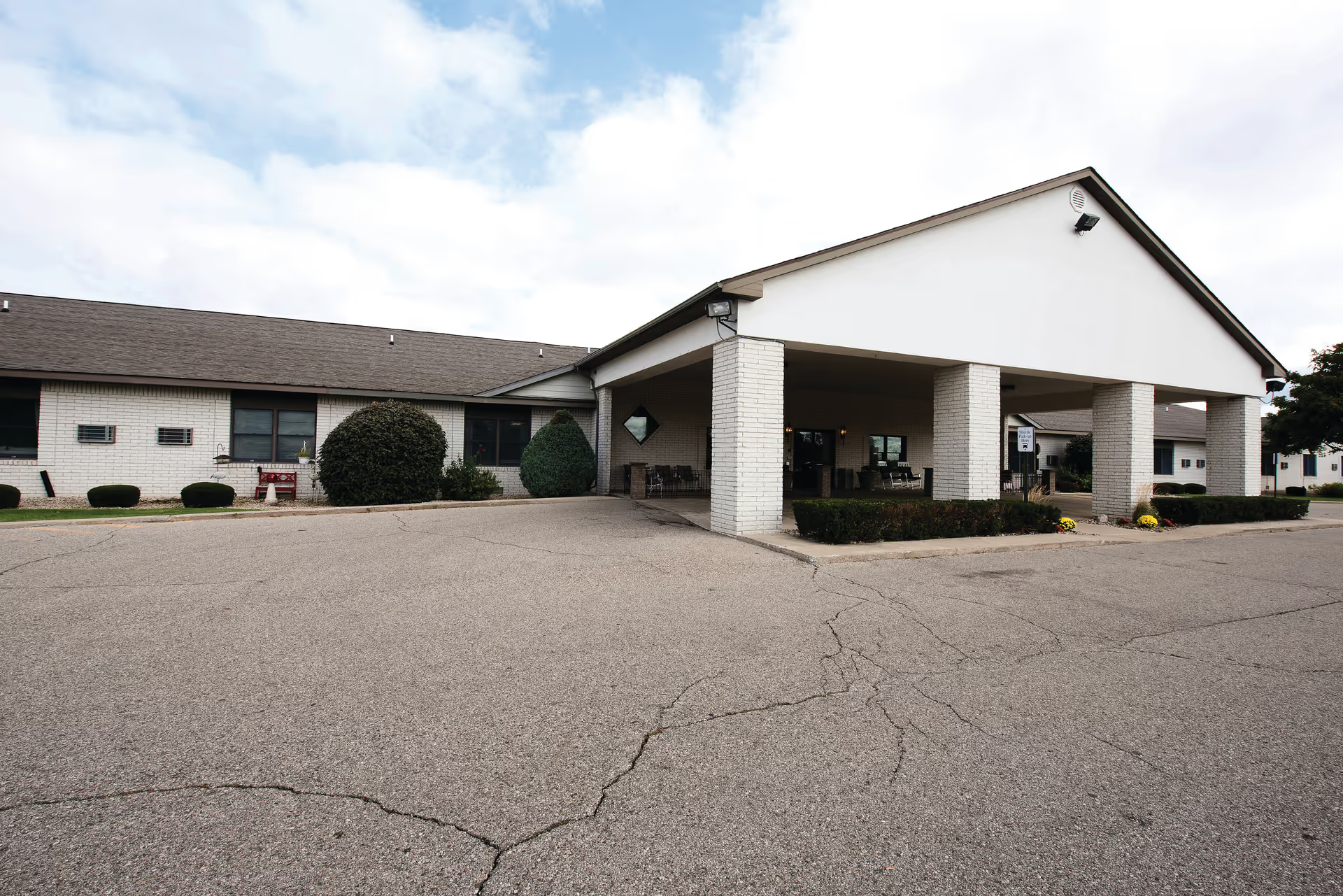
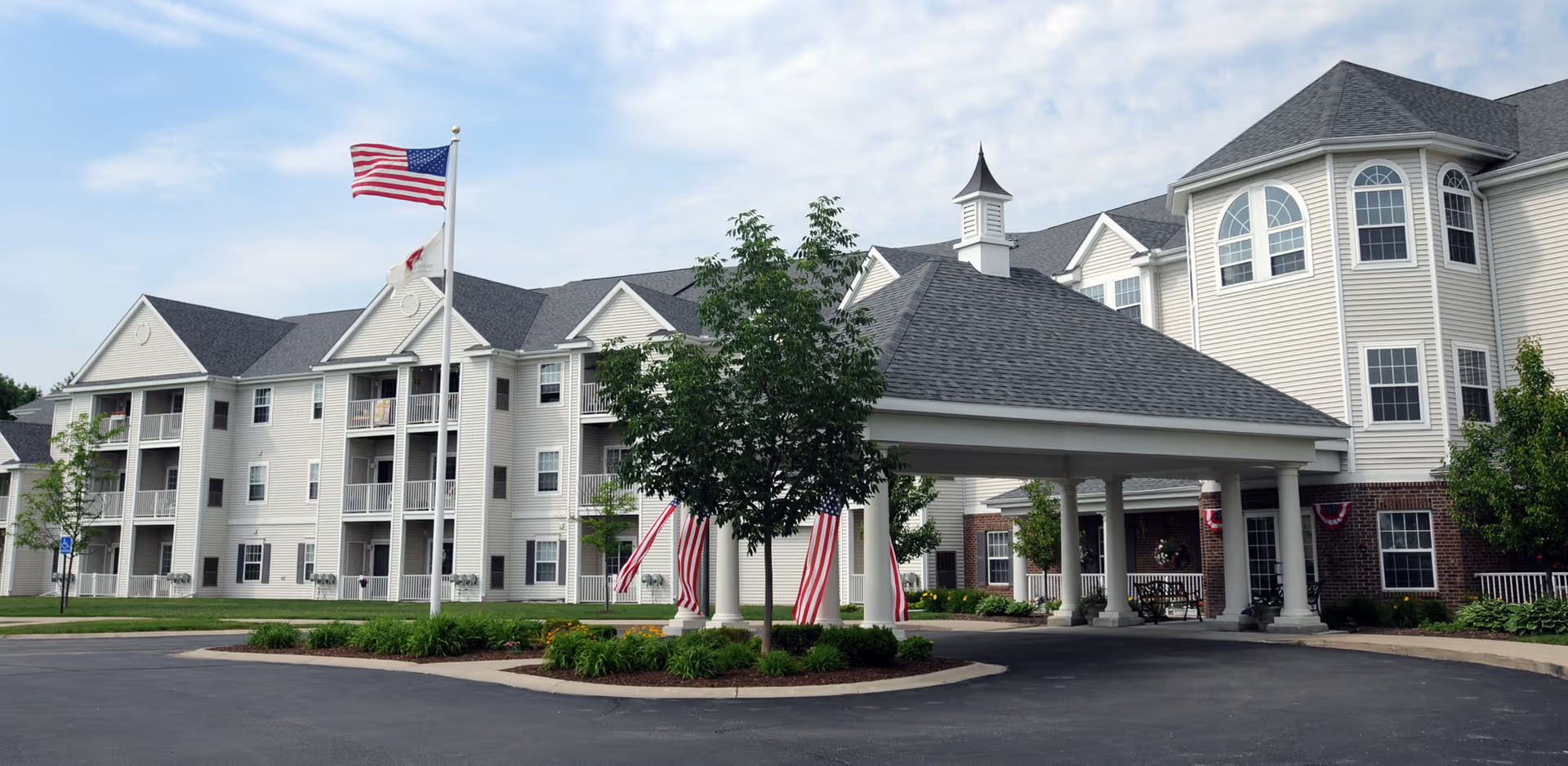
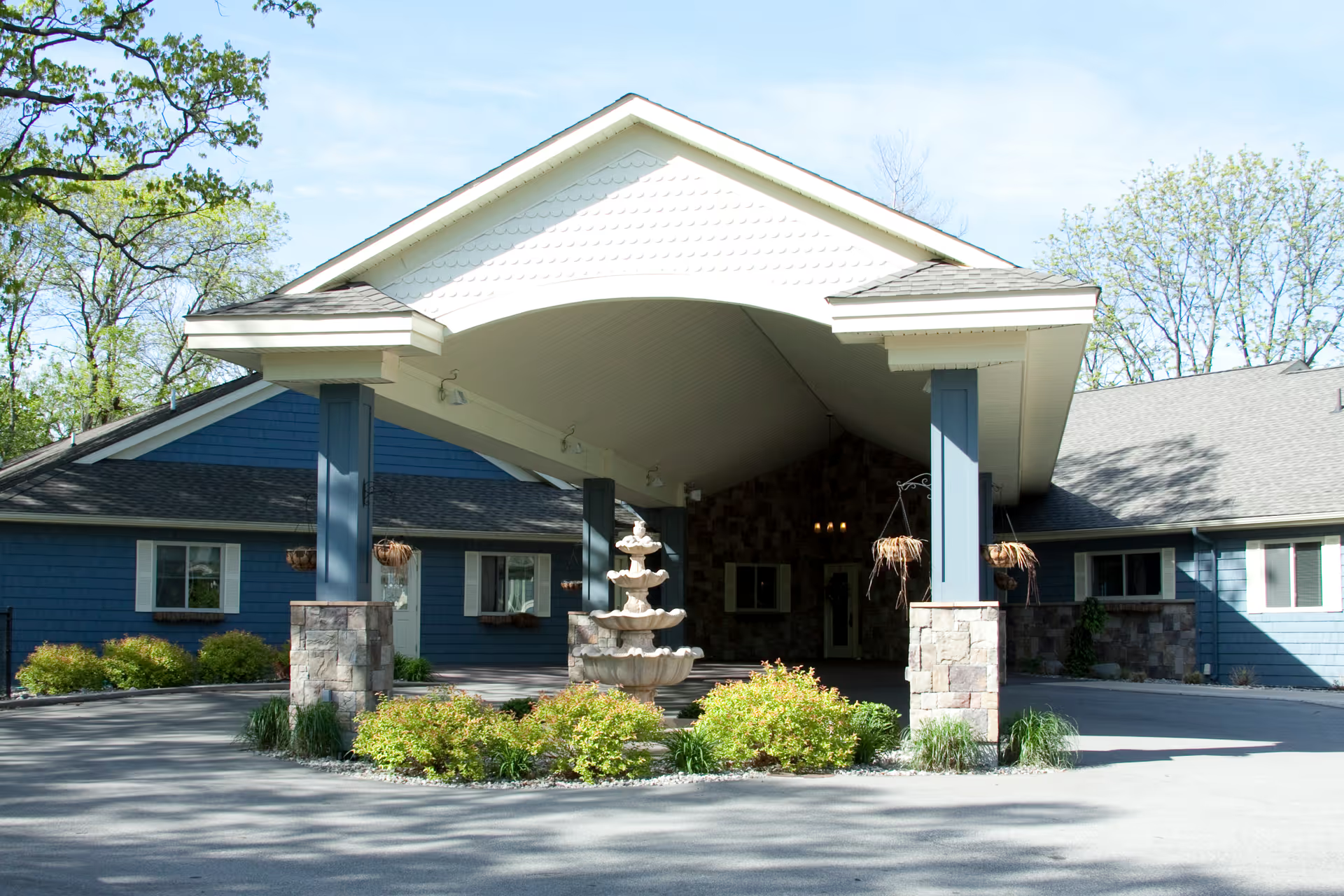
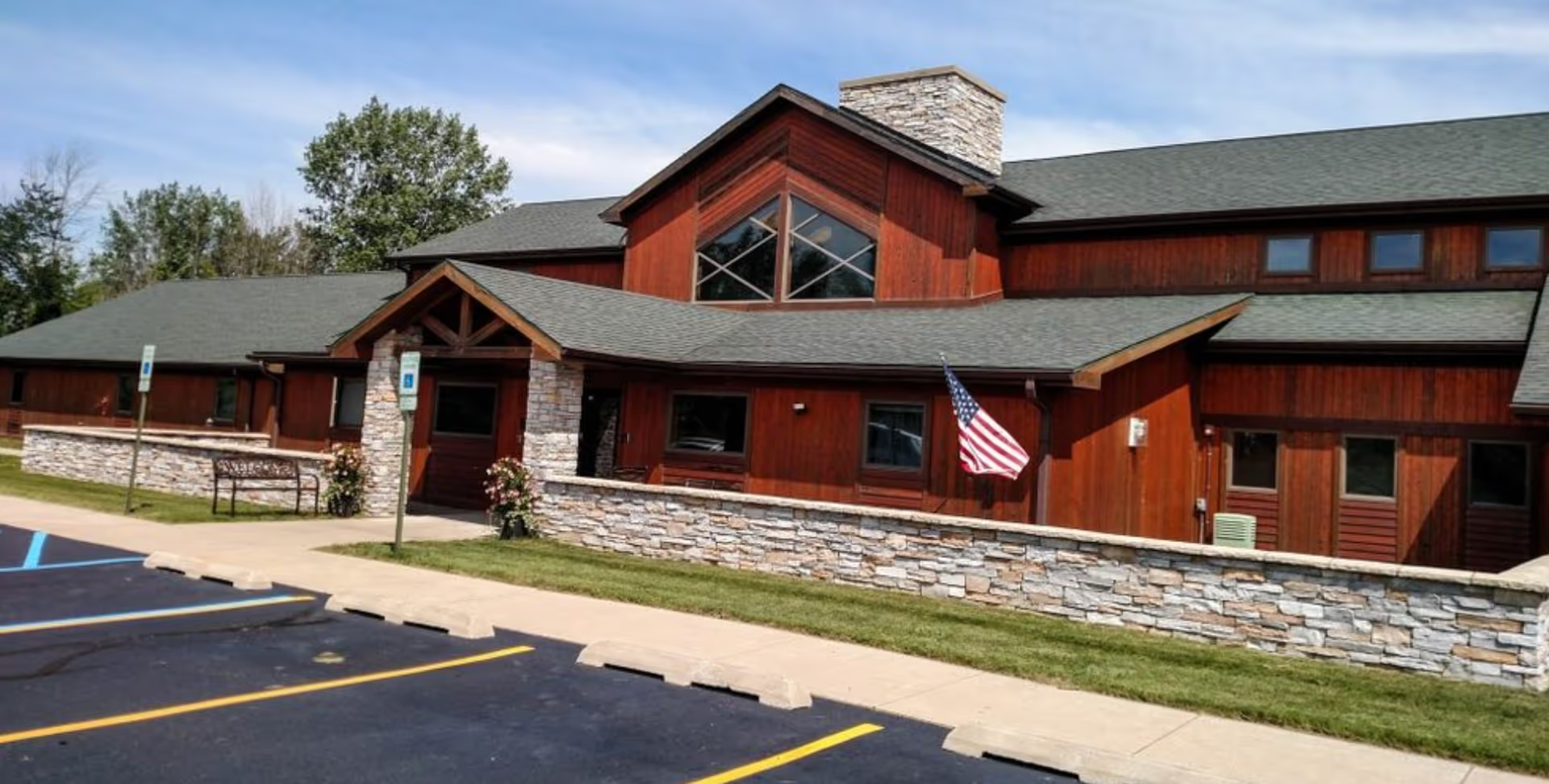
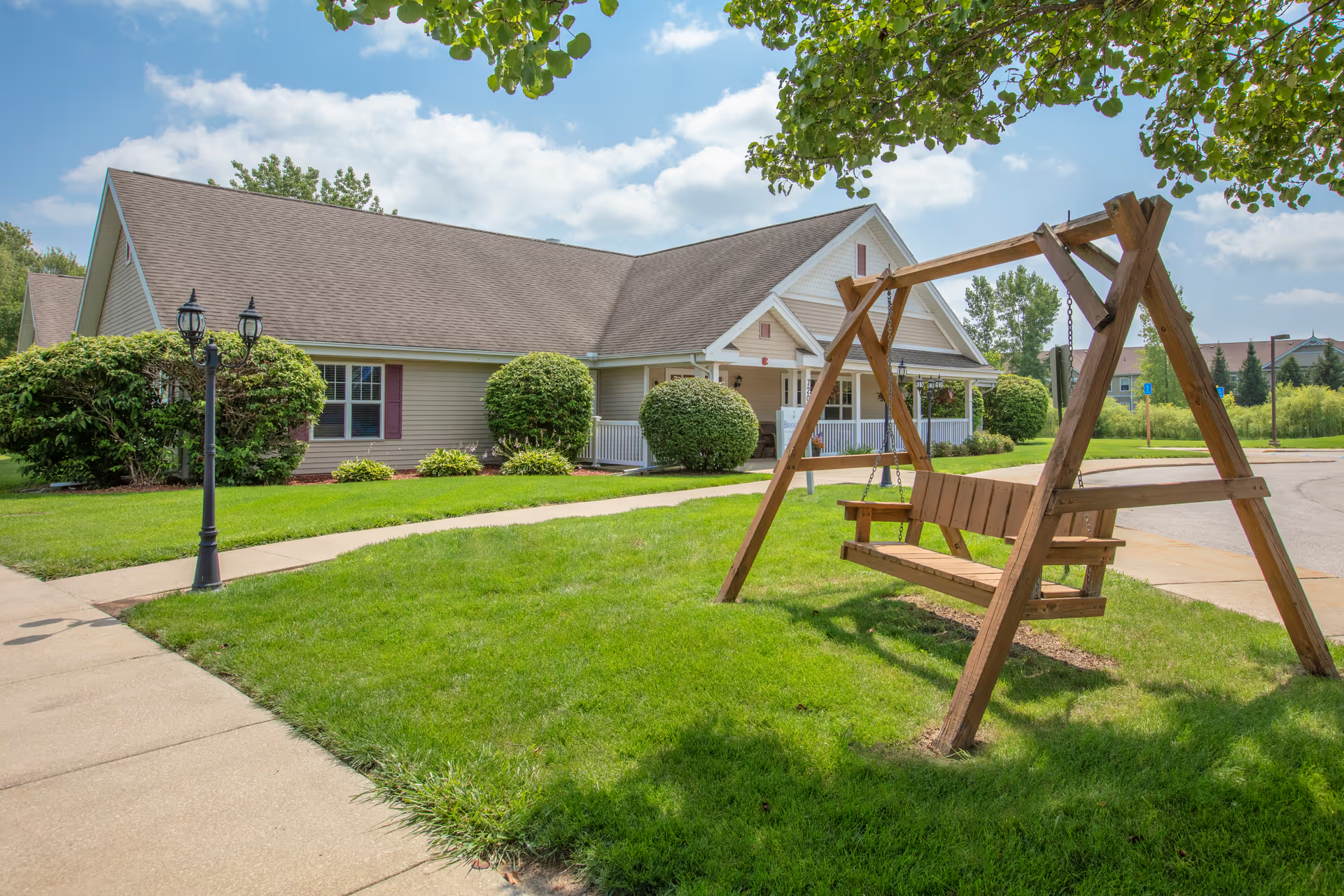
Overall sentiment: Reviews of Brookdale Saginaw are predominantly positive, with the strongest and most consistent praise directed at the caregiving staff, cleanliness, and the small, home-like community atmosphere. Many reviewers highlight attentive, kind, and responsive aides and nurses who engage residents socially and medically, prompt family communication when incidents occur, and make transitions between facilities less stressful. The facility is frequently described as clean, bright, and well-kept, with pleasant common areas, a courtyard, and studio apartments that residents and families appreciate.
Care quality and staff: The most frequently mentioned strength is the quality and demeanor of direct care staff. Multiple families report staff who are caring, patient, and proactive — engaging residents in activities, helping with dressing and hygiene, and calling families immediately about changes or incidents. Several reviews note long-tenured, experienced staff and a favorable staff-to-resident ratio that supports frequent attention. However, there are recurring concerns about staff turnover and inconsistency; a number of reviews describe periods of higher turnover that affected continuity of care. A few reviews report serious management issues — specifically, at least one account of a manager behaving rudely or confrontationally — and isolated reports that administrative staff became distant or uncommunicative after clinical changes such as switching hospice providers.
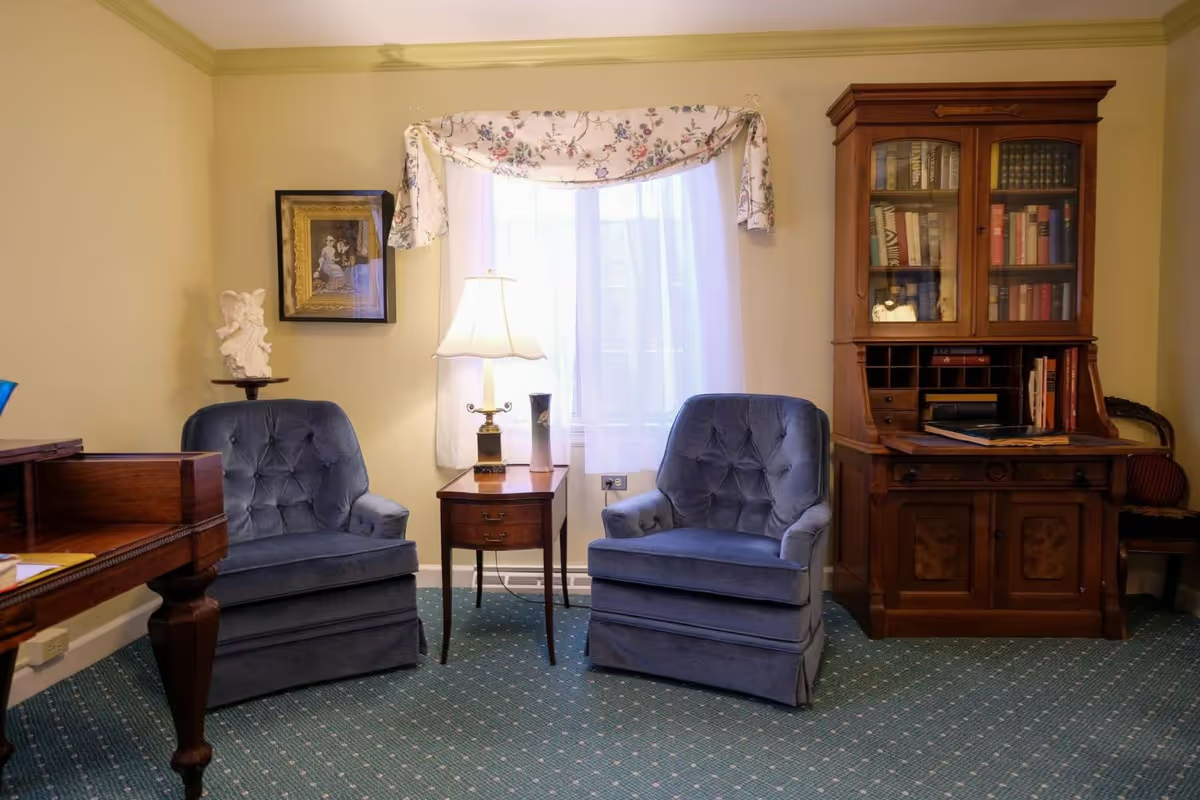
Facilities and cleanliness: Brookdale Saginaw is often described as clean, attractive, and well maintained. Many reviewers mention spacious rooms or studio apartments with private bathrooms and no offensive odors. On-site amenities such as a salon, rehabilitation/workout area, pharmacy access, dining room, and courtyard are frequently appreciated. That said, a subset of reviewers felt parts of the memory/dementia house need updating, and a few reported that some rooms or units were basic in furnishings. Location was a positive for some (near restaurants), but a drawback for others (farther from the hospital).
Dining and meals: Dining impressions are mixed but tilt positive. Numerous reviews praise the food, friendly chef, accommodating meal preparation, and availability of extra food and snacks. Several families say meals are excellent and thoughtful. Conversely, some reviewers express clear dissatisfaction — one reviewer used stark language to describe the food as awful, and another recounted an inadequate meal example (a bowl of Jell-O). This suggests some inconsistency in dining quality or differences in individual expectations and dietary handling.
Activities and memory care programming: The community offers a broad range of activities that many residents enjoy: exercise classes (often mornings), trivia, card games, music, crafts, spa days, hair salon services, parties, and occasional outings. Reviewers consistently mention that the environment feels social and engaging for many residents. For memory care specifically, several reviews note positive social engagement and activities tailored to dementia residents (garden work, memory games, crafts), but others call out limited memory-care programming, few field trips, or challenges in managing behavioral outbursts. In short, activities are a strength but the depth and outward engagement of memory care programming vary by reviewer.
Safety, medical follow-up, and clinical communication: Families generally report attentive direct care and prompt responses to incidents (for example, immediate calls after falls). Yet notable concerns arise around clinical follow-up and communication: some reviews mention poor follow-up on healthcare issues, lack of updates when medications change, and at least one comment about an inadequate safety system. There are also specific mentions that some rooms lack a pendant call button and instead use pull chains, which could affect resident safety and response times. Prospective residents and families should verify nursing communication practices and safety device availability.
Management, billing, and administrative issues: While many reviewers praise administrative staff for making admissions painless and bending over backwards to help, there are also several complaints around billing and refunds (including delayed refunds after large payments and perceptions of overbilling). A small but serious pattern includes reports of confrontational management behavior and changes in administrative attitude tied to clinical service choices (such as hospice providers). These administrative and billing issues, though not universal, are significant because they affect trust and family comfort.
Patterns and recommendations: The dominant pattern is a caring, clean, small community with active engagement and generally strong direct-care staff — which makes Brookdale Saginaw a good fit for families seeking a home-like, closely staffed setting. However, reviewers repeatedly note variability: staffing turnover, occasional management problems, inconsistent dining experiences, and mixed memory-care programming. For families considering Brookdale Saginaw, recommended actions based on these reviews include: meet and observe direct care staff across shifts, ask about current staff turnover and average tenure, confirm policies and practices for clinical communication and medication-change notifications, verify availability of safety devices (pendant call buttons) in the unit considered, request sample menus and observe mealtimes, and clarify billing/refund procedures up front. Those seeking a small, homey memory-care environment with frequent personal attention will likely find Brookdale Saginaw appealing; families needing a facility with robust, consistent memory-care programming, exemplary dining consistency, or particular administrative transparency should probe these areas closely during a tour.