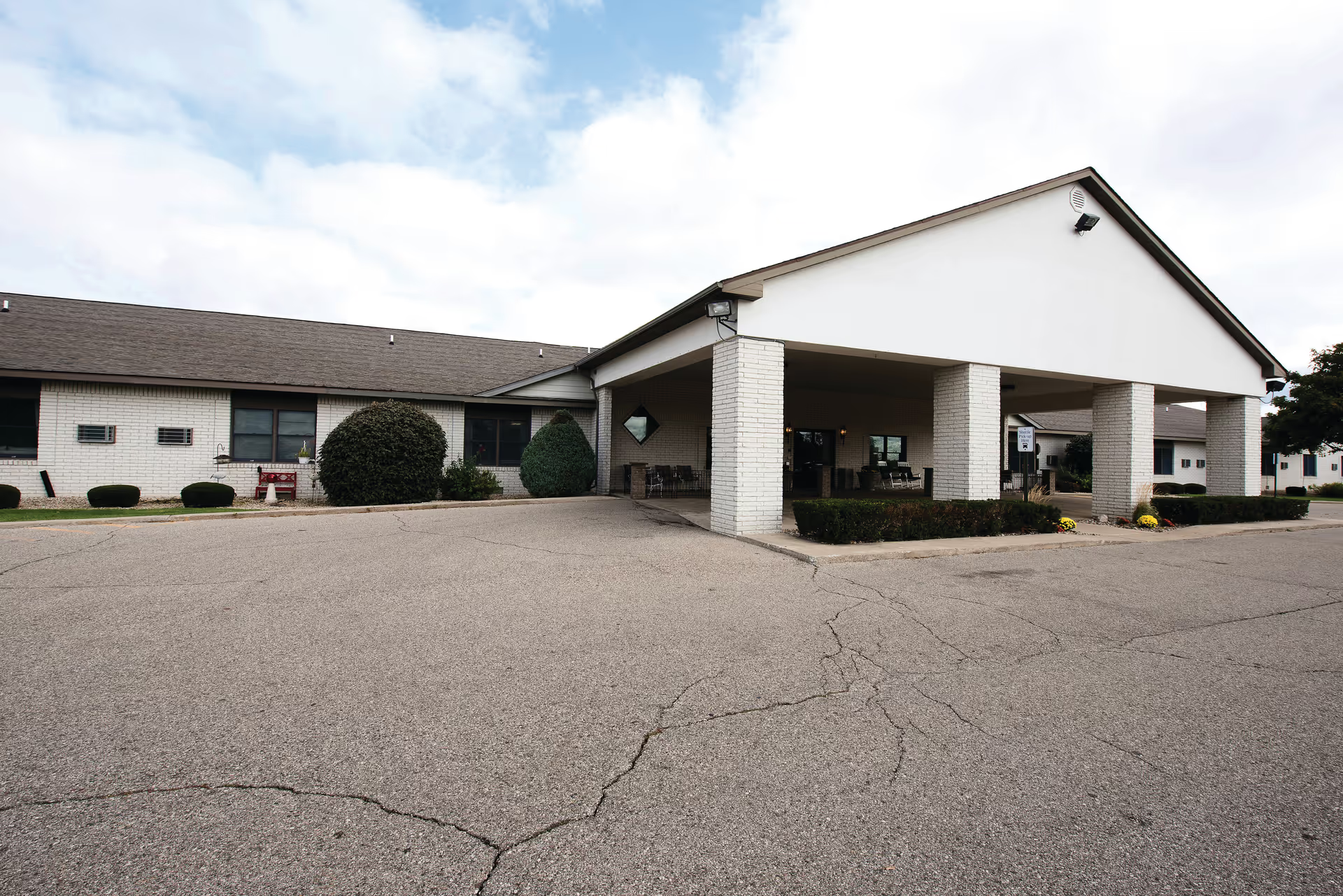
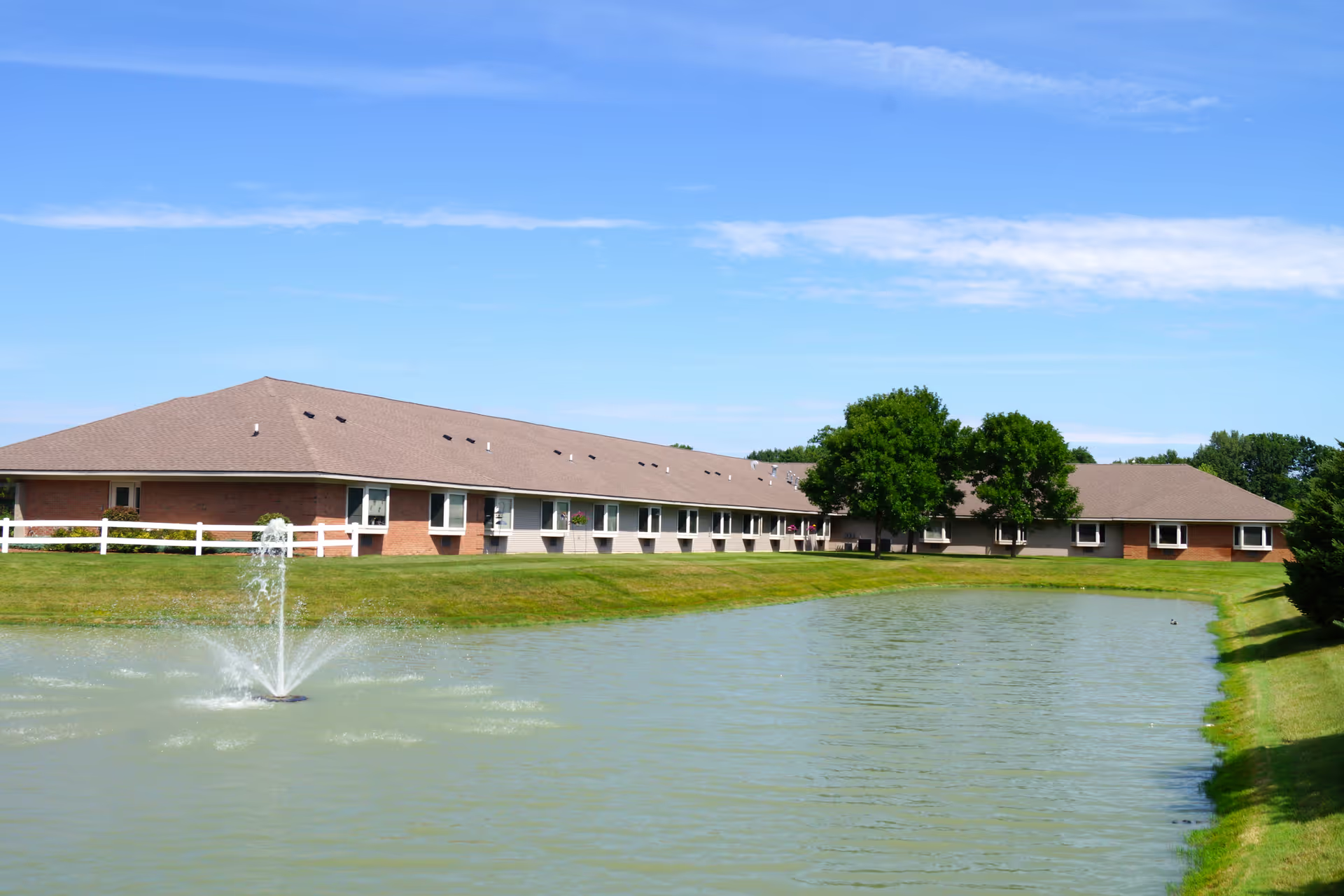
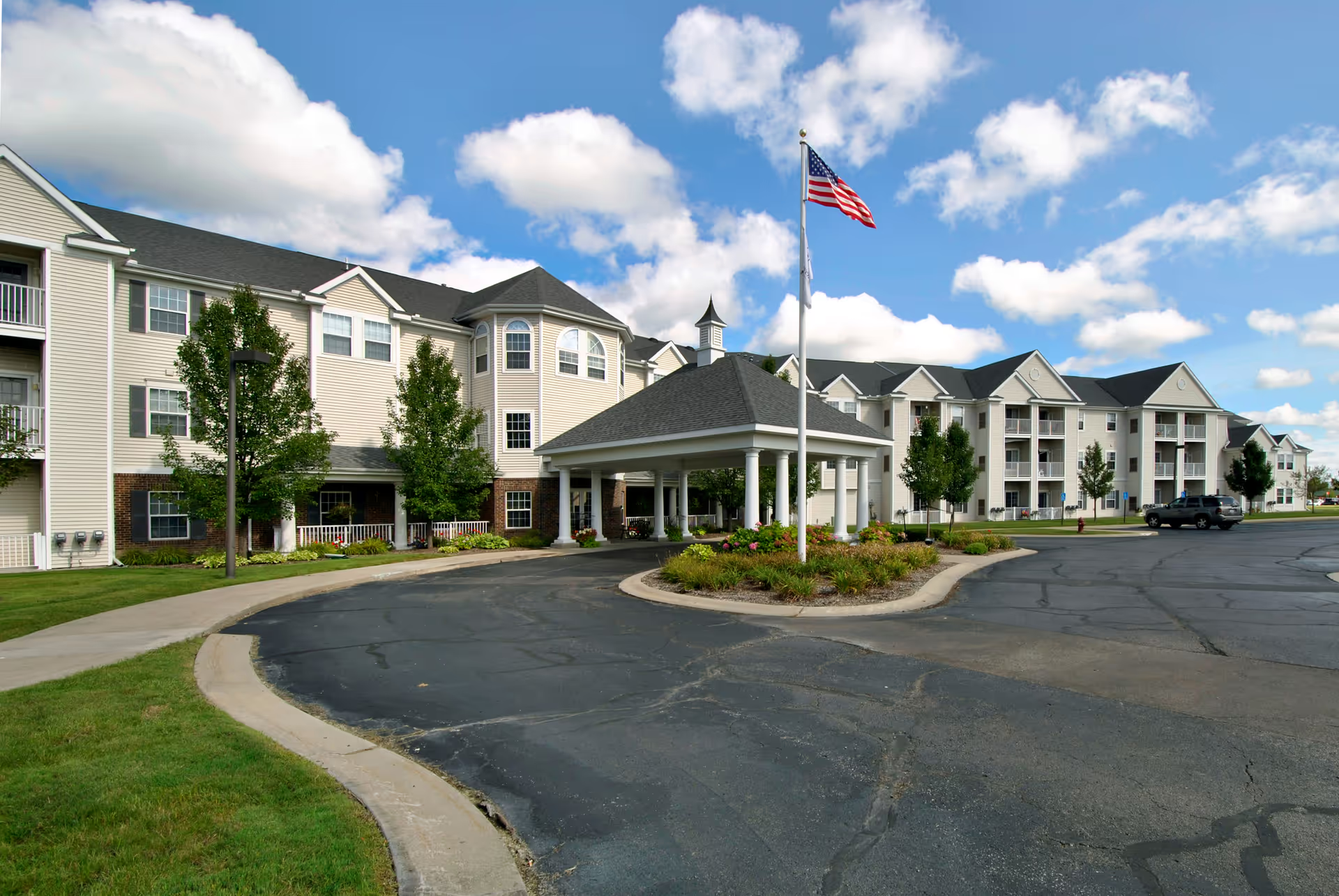
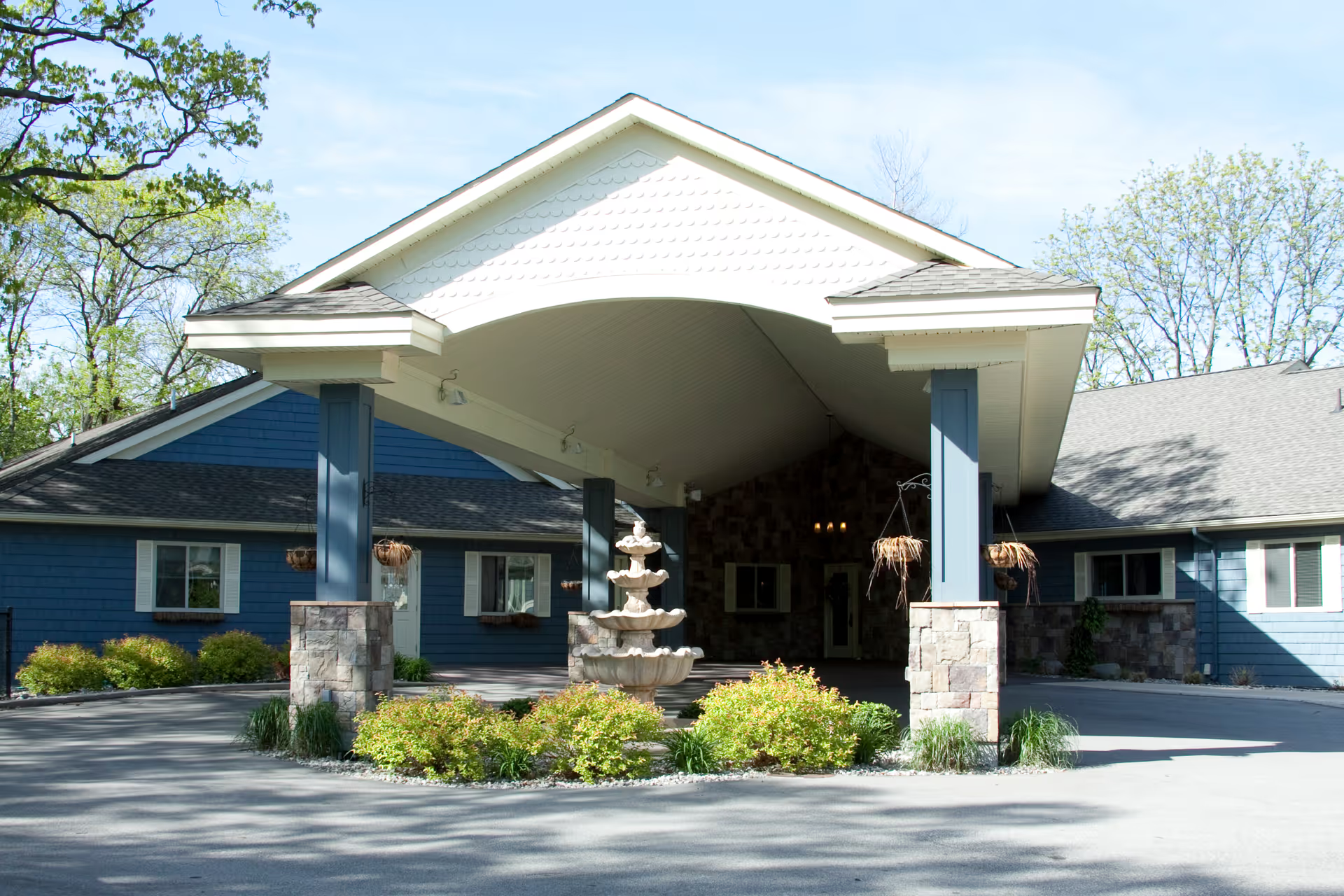
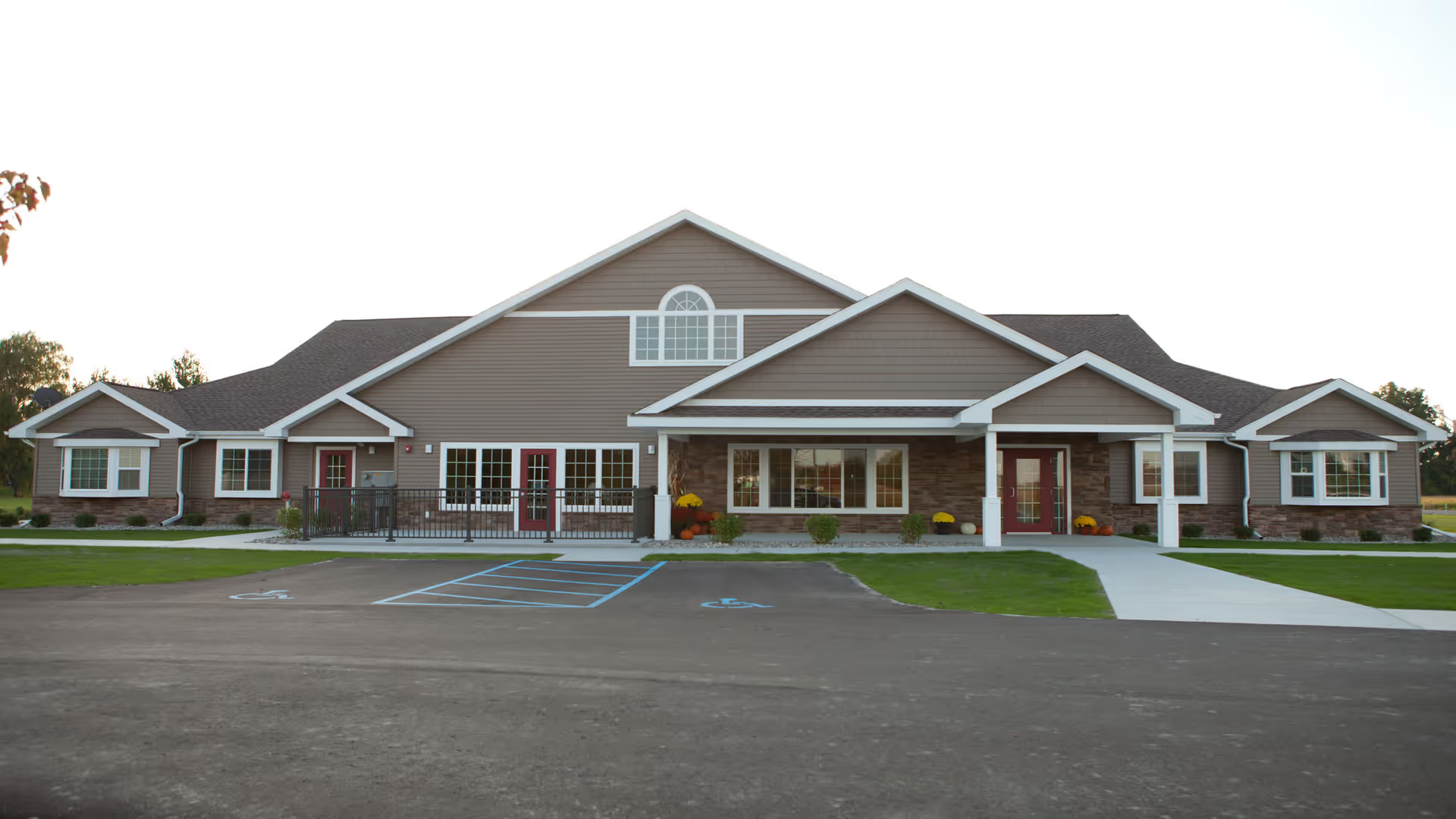
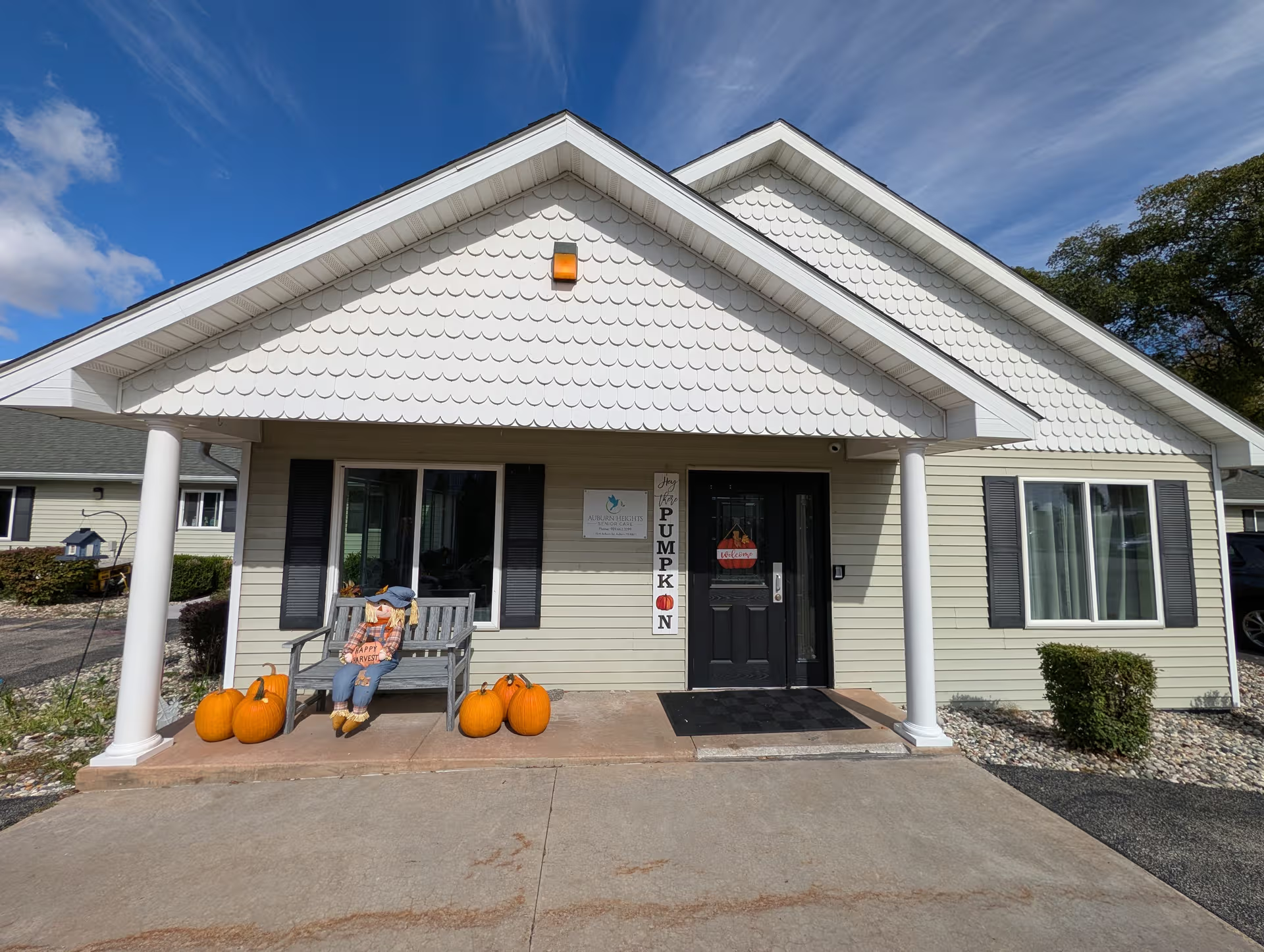
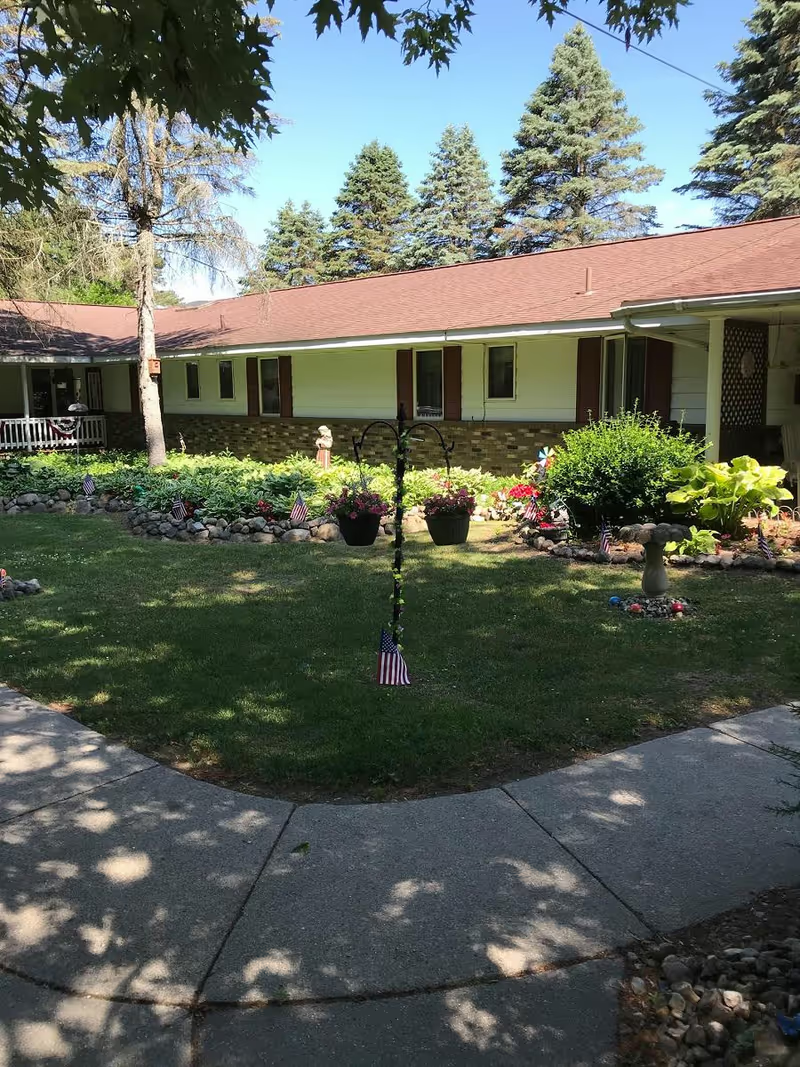
Covenant at Wellspring elicits strongly mixed impressions. The physical plant is widely praised: reviewers consistently describe a modern, hotel-like environment with large, bright private rooms, private bathrooms, well-kept common areas, and comfortable rehabilitation spaces. For families prioritizing facility aesthetics and space, the setting and layout are clear strengths.
Care quality and staffing appear highly variable. Multiple accounts describe delays in responding to call buttons, inconsistent bathing and personal-care schedules, missed or delayed medication administration, and other clinical lapses. Conversely, some families praised competent therapists and episodes of strong nursing care. The pattern suggests that resident experience is closely tied to staffing levels, staff continuity, and which clinicians are on duty at a given time.
Front-line staff behavior and training show a similar split. Many reviewers characterize direct-care staff as friendly, kind, and helpful; others report high turnover, apparent underqualification for higher-acuity or dementia-specific needs, and moments of poor responsiveness. Several reviewers pointed to specific training and competency gaps for residents with dementia or complex needs, implying that staffing stability and targeted education are areas for improvement.
Dining and ancillary services are inconsistent. The facility offers a cafeteria-style dining area and some tasteful menu items; however, reviewers also describe frequent service issues such as cold meals, incorrect orders, missing components, and an underorganized cafeteria operation. Laundry handling and personal-belongings management were also flagged as operational weaknesses, with accounts of delayed laundry service and missing items.
Sanitation and operational oversight concerns recur in reviews. Some families described sanitation issues in particular areas and during shift changes, along with delays in addressing incontinence-care needs and room cleanliness lapses. These concerns, combined with accounts of missed follow-through from management and even allegations regarding licensing or regulatory compliance, contribute to uncertainty about consistent quality and oversight.
Management and leadership receive mixed commentary. A subset of reviewers commends strong leadership and good communication when present, while others report perceived management instability, poor follow-through on commitments, and dissatisfaction with billing or rent increases that are not matched by improvements in care. The net impression is of an organization with strong physical resources and pockets of skilled staff, but with operational and leadership inconsistencies that produce markedly different resident experiences.
Notable patterns for prospective families: experience appears polarized—some residents receive attentive, effective rehabilitation and enjoy the facility environment, while others encounter staffing shortfalls, lapses in basic personal care, medication and laundry issues, and inconsistent dining service. Prospective residents and families should ask targeted questions about current staffing ratios and turnover, medication-administration protocols, bathing and laundry schedules, dementia-care training, dining service logistics, and any active licensing or compliance inquiries before making a placement decision.