Reviews describe a facility with a clear strength in rehabilitation and social engagement but notable operational and clinical gaps. Physical and occupational therapy repeatedly receive positive mention: therapists are credited with restoring mobility and producing measurable short-term recovery. Many reviewers also described compassionate interactions from individual caregivers and a social atmosphere where residents form friendships and participate in regular activities, including music programs. Meal quality is often praised for being nutritious and well prepared, and housekeeping/unit management receives positive remarks in parts of the facility.
At the same time, there are recurring clinical and safety concerns. Reviewers indicate inconsistent nursing care compared with therapy outcomes: examples include inadequate mouth care protocols, improper transfer and lifting practices, and delays in attending to residents that can contribute to fall or safety events. These reflect broader gaps in monitoring and fall-response procedures and suggest opportunities to strengthen training and role clarity within nursing staff and techs.
Communication and management issues are another consistent theme. Families describe difficulties obtaining timely updates, occasional unhelpful or curt responses from staff, and problematic coordination around billing and social-work processes. Several reviews point to frequent staff turnover and what they perceive as weak leadership or inconsistent management decisions, which reviewers link to variability in day-to-day care quality and responsiveness. A number of families reported needing to provide close oversight themselves to ensure consistent care.
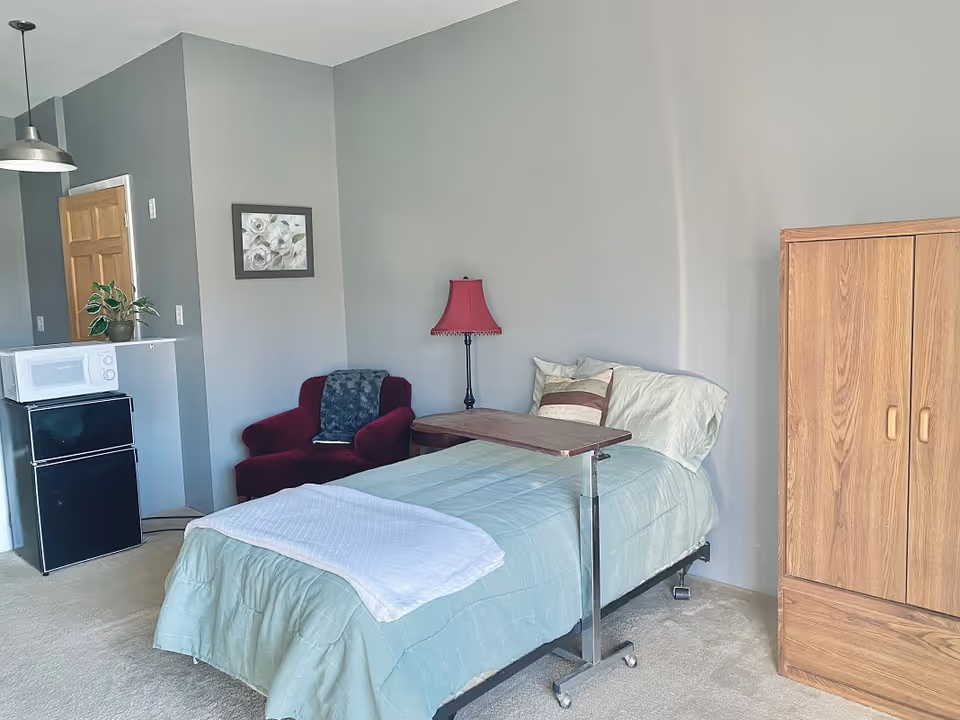
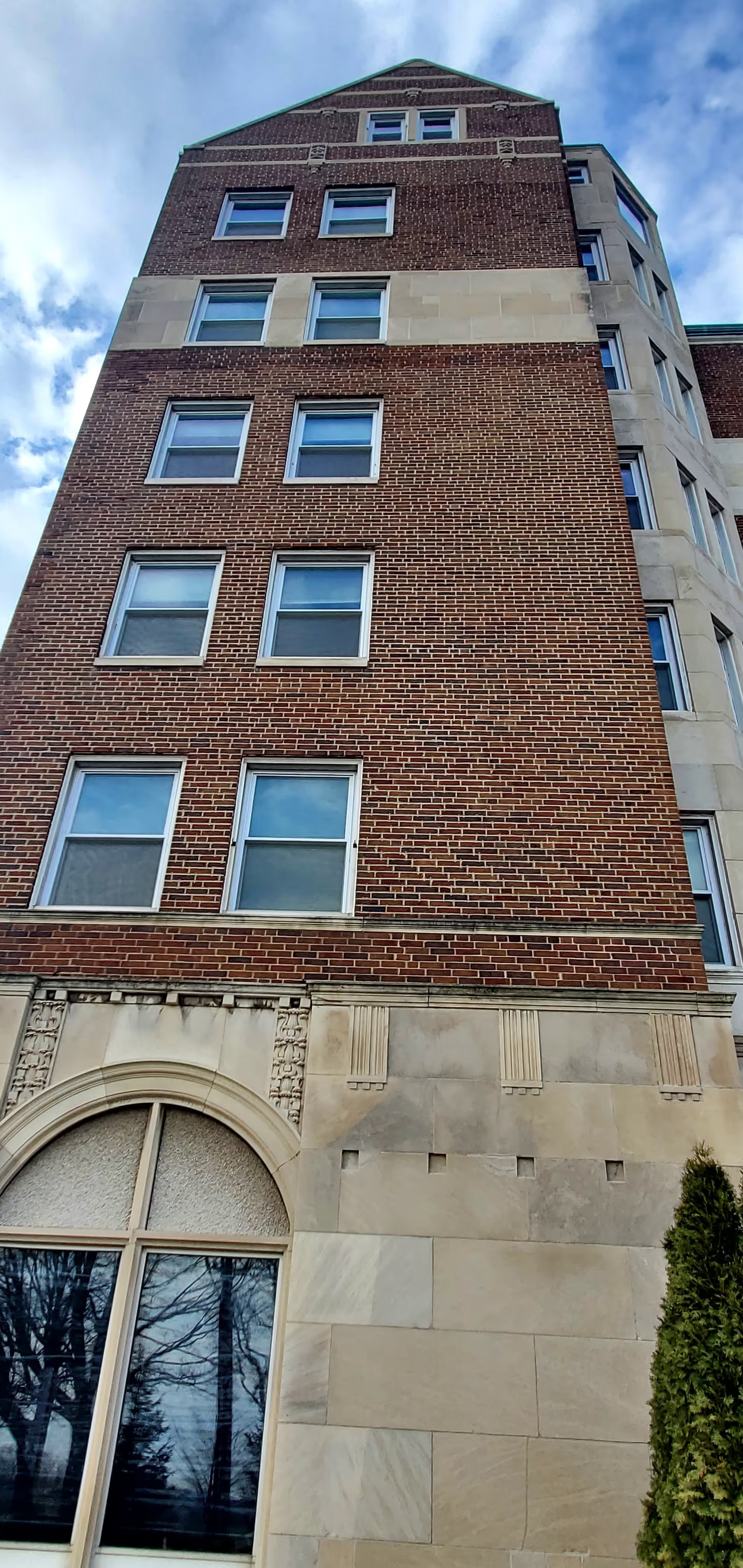
Facility condition and operations show mixed signals. Positive comments note clean areas and thoughtful amenities, but other observations point to an aging building with maintenance needs: peeling paint, chipped cabinetry, worn carpeting, rusted HVAC registers, and other repairs. Environmental safety items — for example, floor coverings and other trip hazards — were cited as concerns. Meal service timing and consistency were also uneven in some accounts, with occasional late or poor-quality service noted alongside generally praised dining experiences.
End-of-life and hospice coordination is an area of particular stress for some families. A few reviewers described abrupt changes in hospice services and poor communication around transitions, which increased family distress. Overall, the pattern suggests reliable strengths in therapy, social programming, and some caregiving interactions, counterbalanced by operational weaknesses in nursing practice, communication, maintenance, and care coordination.
For prospective residents and families, the facility may be a good fit for short-term rehabilitation where active therapy and social engagement are priorities. Those considering long-term placement should weigh the potential need for vigilant family oversight, clarify expectations around nursing competencies and transfer protocols, and ask specific questions about staffing stability, hospice coordination, and maintenance plans. Reviewers who had positive experiences emphasize individual staff members and therapy teams, while those with negative experiences point to systemic issues that would merit direct discussion with facility leadership prior to admission.