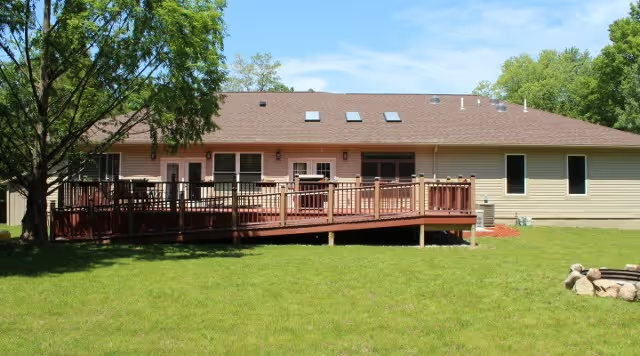
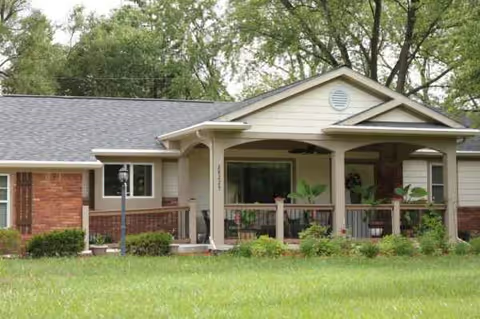
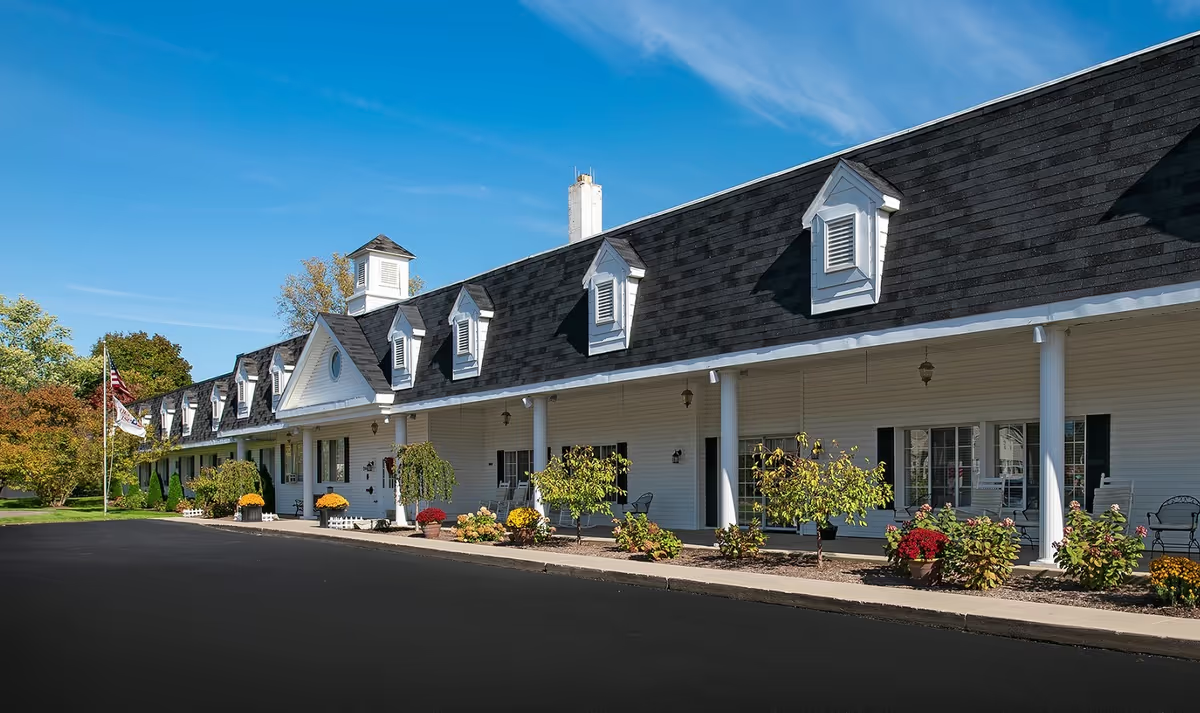
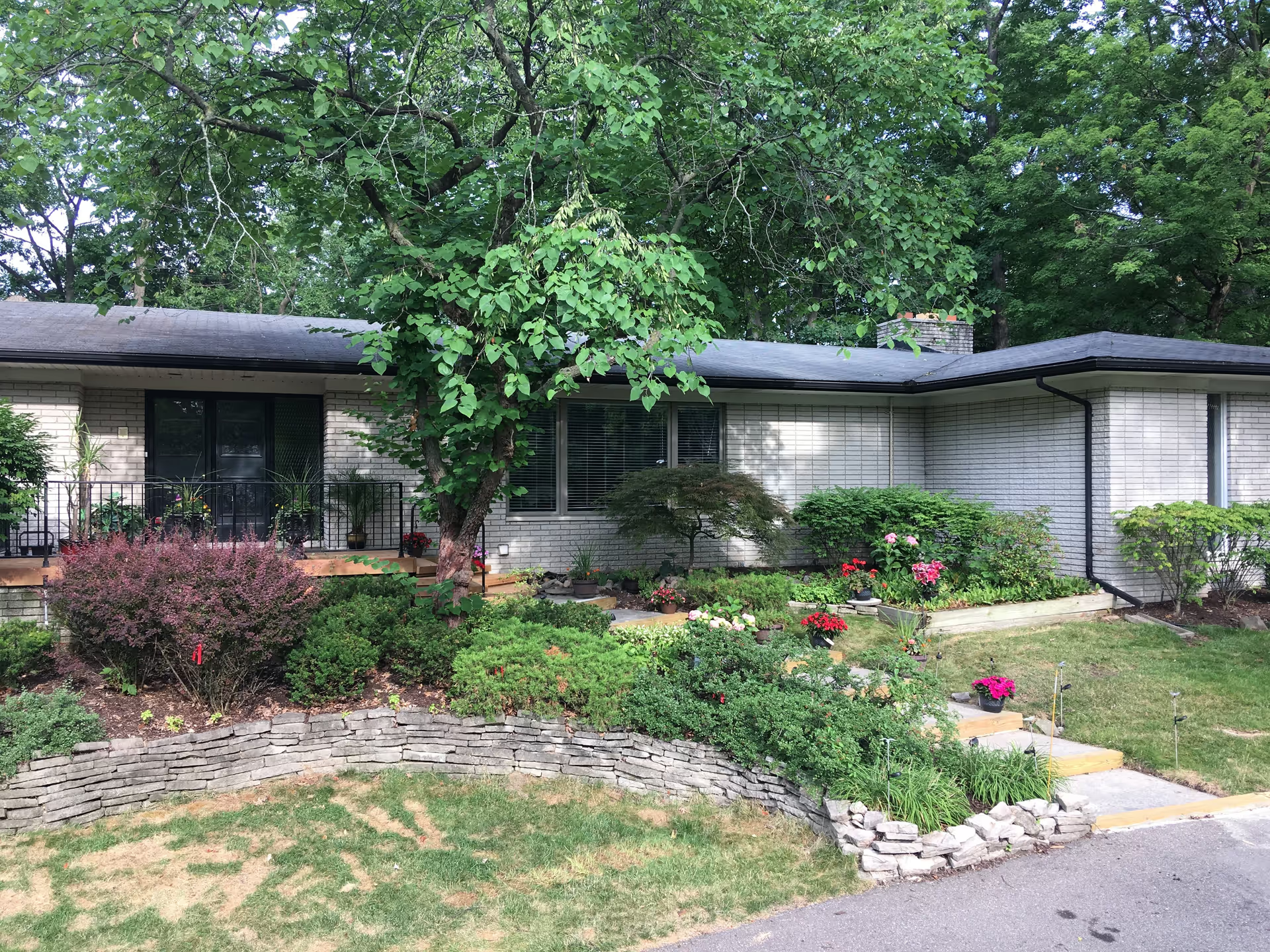
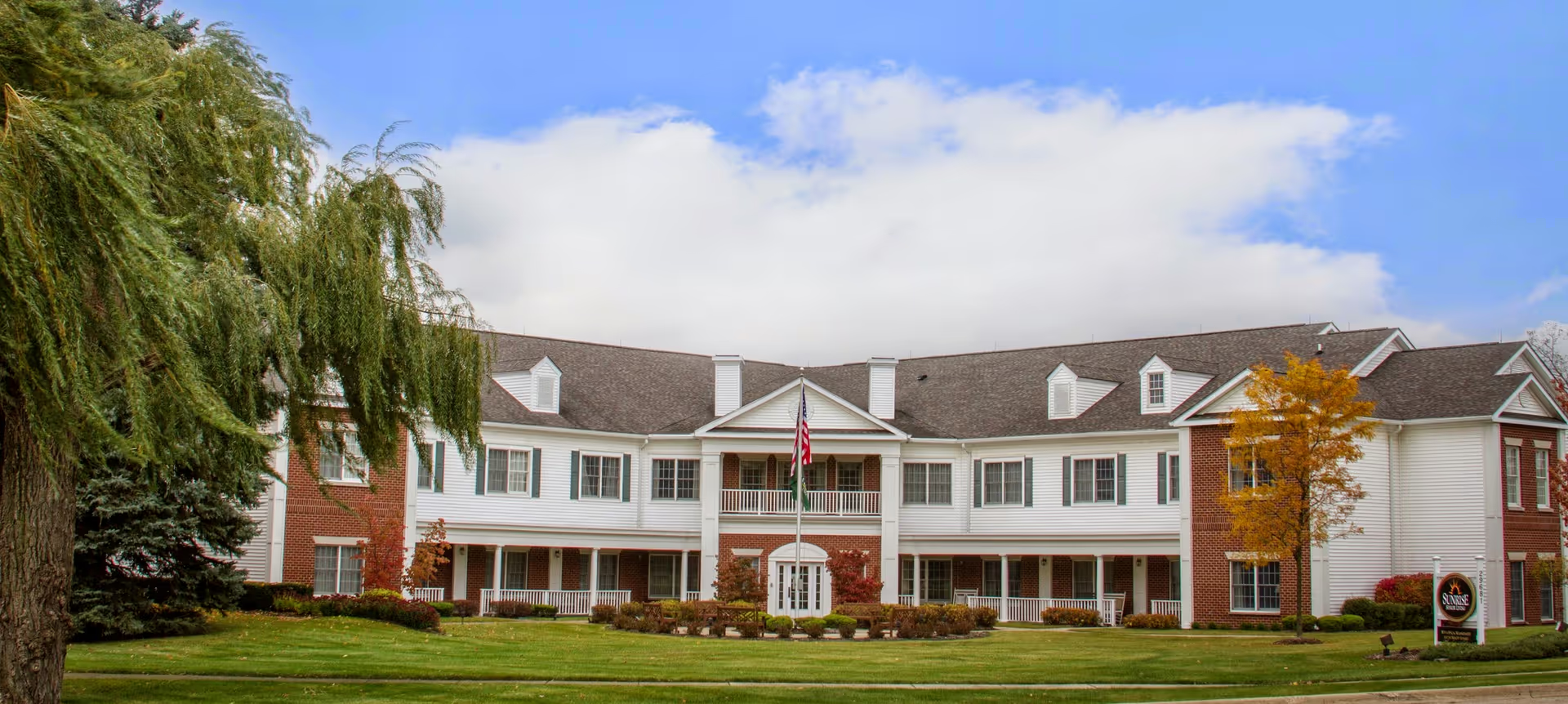
Franklin Terrace presents as a well-appointed, long-standing independent and assisted living community with many elements families look for: attractive interior design, clean common areas and restrooms, a range of on-site amenities (salon, billiards, theater) and scheduled activities such as bingo, live music and outings. Reviewers frequently praised staff who are familiar with residents' names and described a small, community-oriented atmosphere. Dining is led by a culinary team that accommodates dietary restrictions, and apartment sizes (studios and one-bedrooms) are generally described as appropriate for independent living.
Care quality and staffing observations are mixed. Several reviewers described compassionate, attentive caregivers and medication staff, and others noted a positive experience with a new care team. At the same time, there are recurring operational concerns: intermittent staffing instability and turnover, instances of limited responsiveness, and perceptions of abrupt changes without clear transition plans. Families also raised issues about staff conduct and responsiveness in certain interactions; these descriptions point to variability in consistency rather than a uniform pattern of poor care.
Dining and activities offer strengths and some limitations. The community emphasizes social dining, cloth-covered tables and flowered settings, and residents enjoy scheduled activities and outings. However, meal service consistency is a recurring concern—timing (late brunch/early dinner), temperature on plates, and limited menu variety were noted. Activity programming is present and accessible, though amenities and programming quality appear to vary by building within the campus.
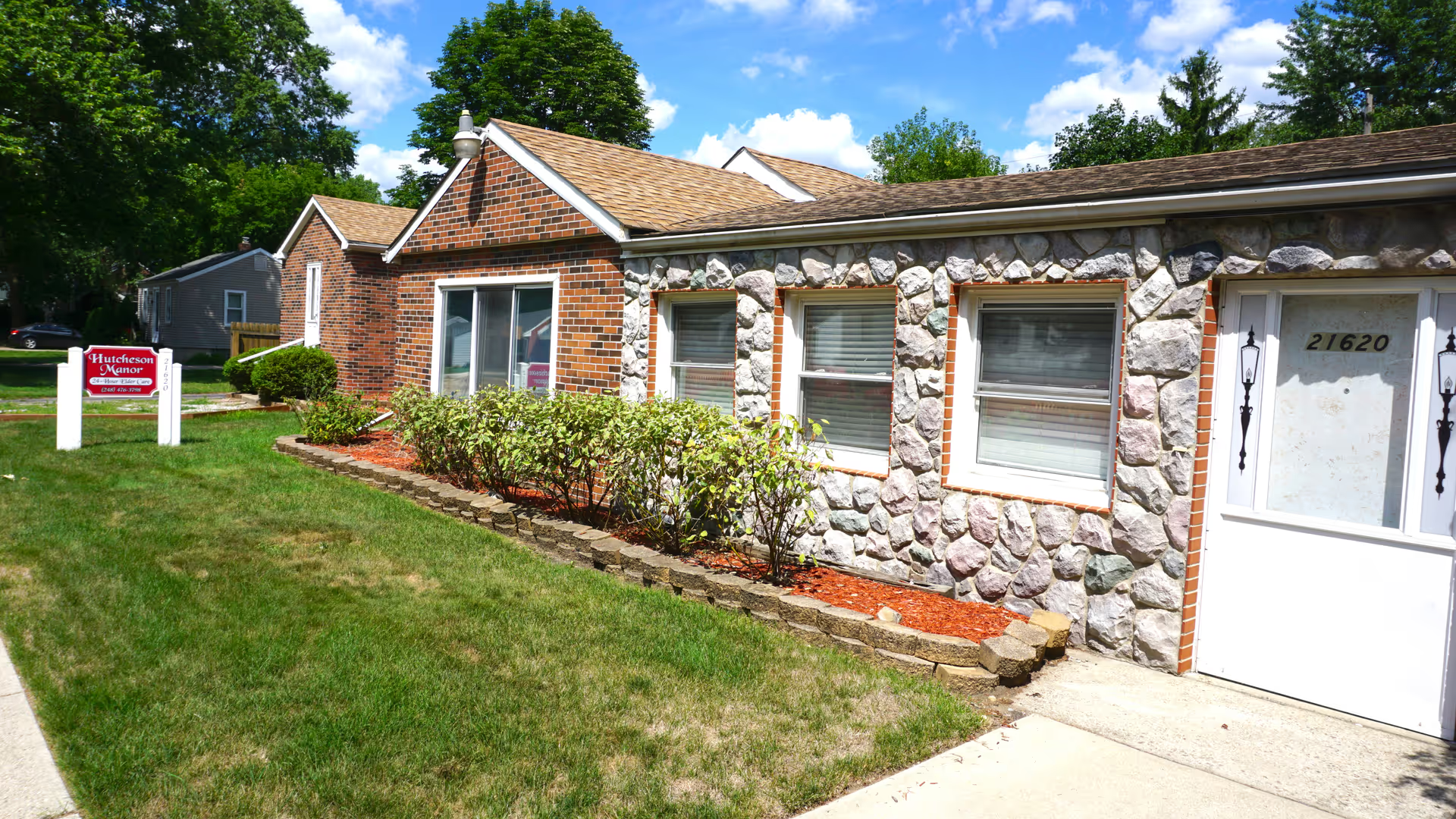
Facilities and campus features show contrasts. Public areas and model units are frequently described as attractive and well maintained, but multiple reviewers identified dated apartment interiors in parts of the campus and uneven distribution of upgrades. Wayfinding and signage deficiencies were cited, making navigation difficult for visitors. Additional operational factors mentioned include parking-lot condition and some odor or sanitation concerns in certain corridors.
Management, policies, and safety considerations are important patterns to highlight. The community is family-owned and has professional management in places, yet reviewers described gaps in communication and responsiveness from leadership. A notable operational policy is the requirement to use in-house clinicians and home-health providers; this restriction has caused frustration for families who prefer to retain external clinicians and has led to perceptions of limited choice and preferential treatment. Safety and emergency-preparedness issues were also identified, including concerns about after-hours security coverage and absence of a backup generator in the event of power loss.
Bottom line: Franklin Terrace offers many attractive features—clean, well-designed public spaces, a range of amenities, a small-community feel, and staff members who are often described as caring. Prospective residents and families should weigh these strengths against operational considerations: the community’s pricing level, variability in apartment condition and amenities across different buildings, meal-service consistency, staffing stability, limitations on outside clinical providers, and specific safety/emergency-readiness gaps. A focused tour that inspects the particular building of interest, asks about provider-choice policies, inquires about staffing continuity and emergency plans, and samples dining at service times will help determine whether the facility matches an individual resident’s priorities.