Overall impression: Beechwood Manor presents as a small, privately owned long-term care setting emphasizing a family-like atmosphere, attentive caregiving, and strong cleanliness standards. Many families describe compassionate, personalized attention from aides, med techs, and leadership; the facility is praised for its housekeeping, on-site laundry, and home-style meals. The community’s small size, single-level layout, private courtyard and private-room options are commonly cited strengths for residents seeking a quieter, close-knit environment.
Care quality and staffing: Clinical capabilities include medication management, wound care, ambulation assistance, incontinence support, and an integrated memory-care program using a wander-management system. Reviewers highlight long-tenured direct-hire staff and responsive nursing leadership, with frequent examples of one-on-one attention and proactive family communication. Counterbalancing these positives are recurring operational concerns: reviewers indicate periods of staffing shortages and overwork, with specific mention of night-shift turnover. There are isolated concerns about staff conduct and communication tone; these appear as personnel- and shift-level inconsistencies rather than systematic clinical incapability.
Dining and activities: Dining is frequently described as home-cooked and scratch-prepared, with accommodations for diet plans and positive comments about meals and special treats. A subset of families noted occasional variability in meal quality or seasoning. Activity programming is active relative to the community’s size—daily exercise, outings, faith services, entertainment, and special events are commonly offered—yet engagement can be uneven depending on individual resident preferences and staffing capacity. Some families found the activity mix enriching; others found it limited for certain residents.
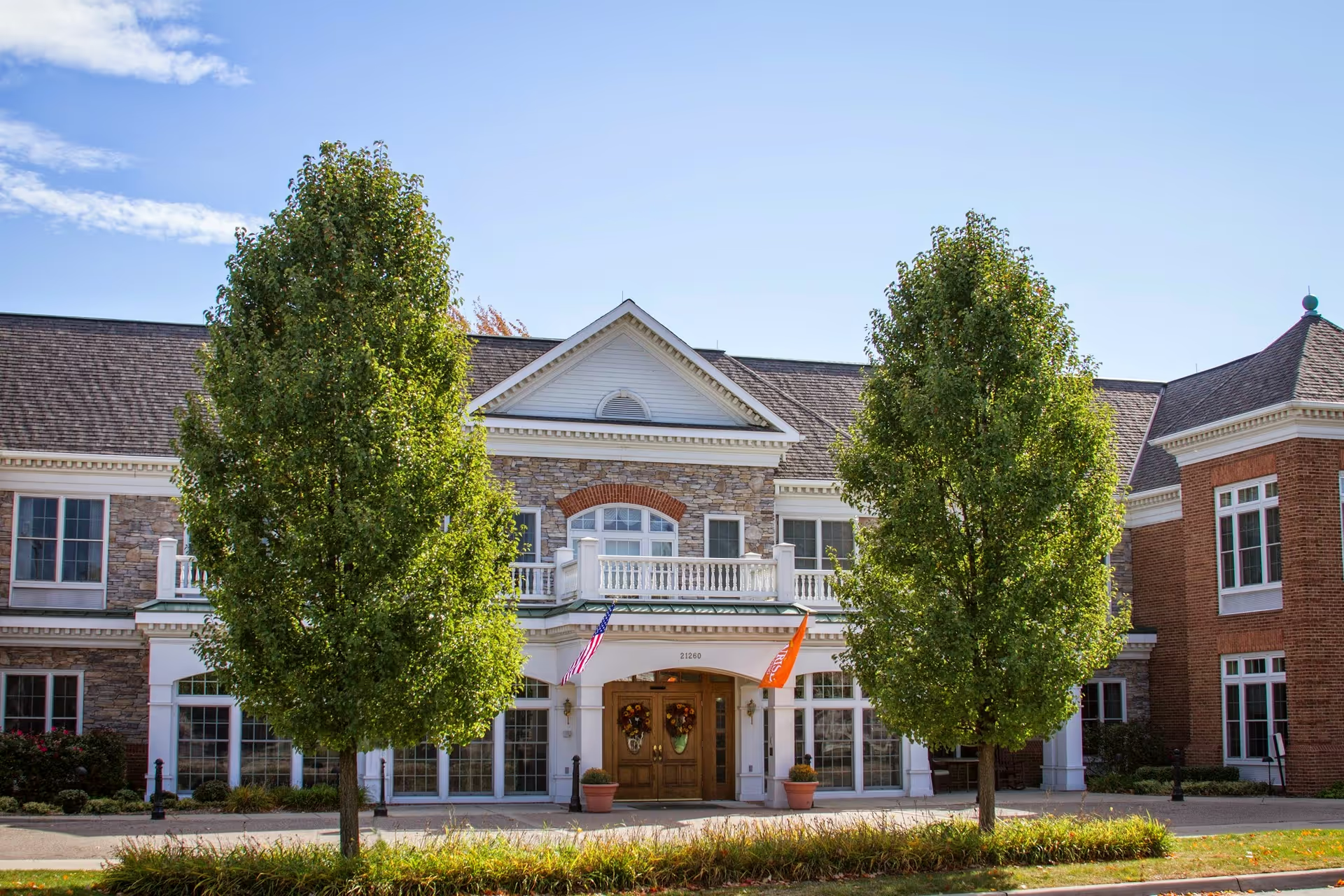
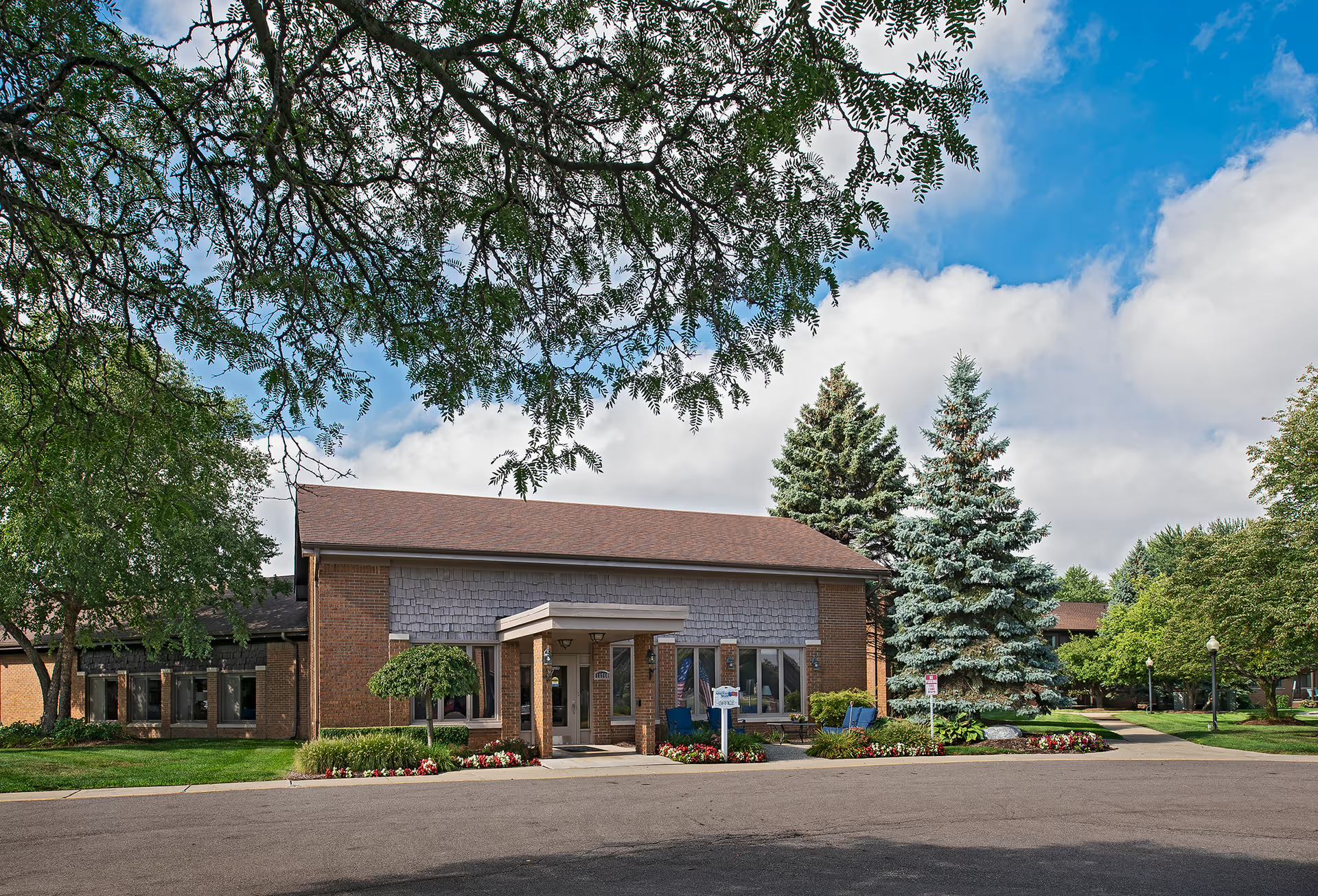
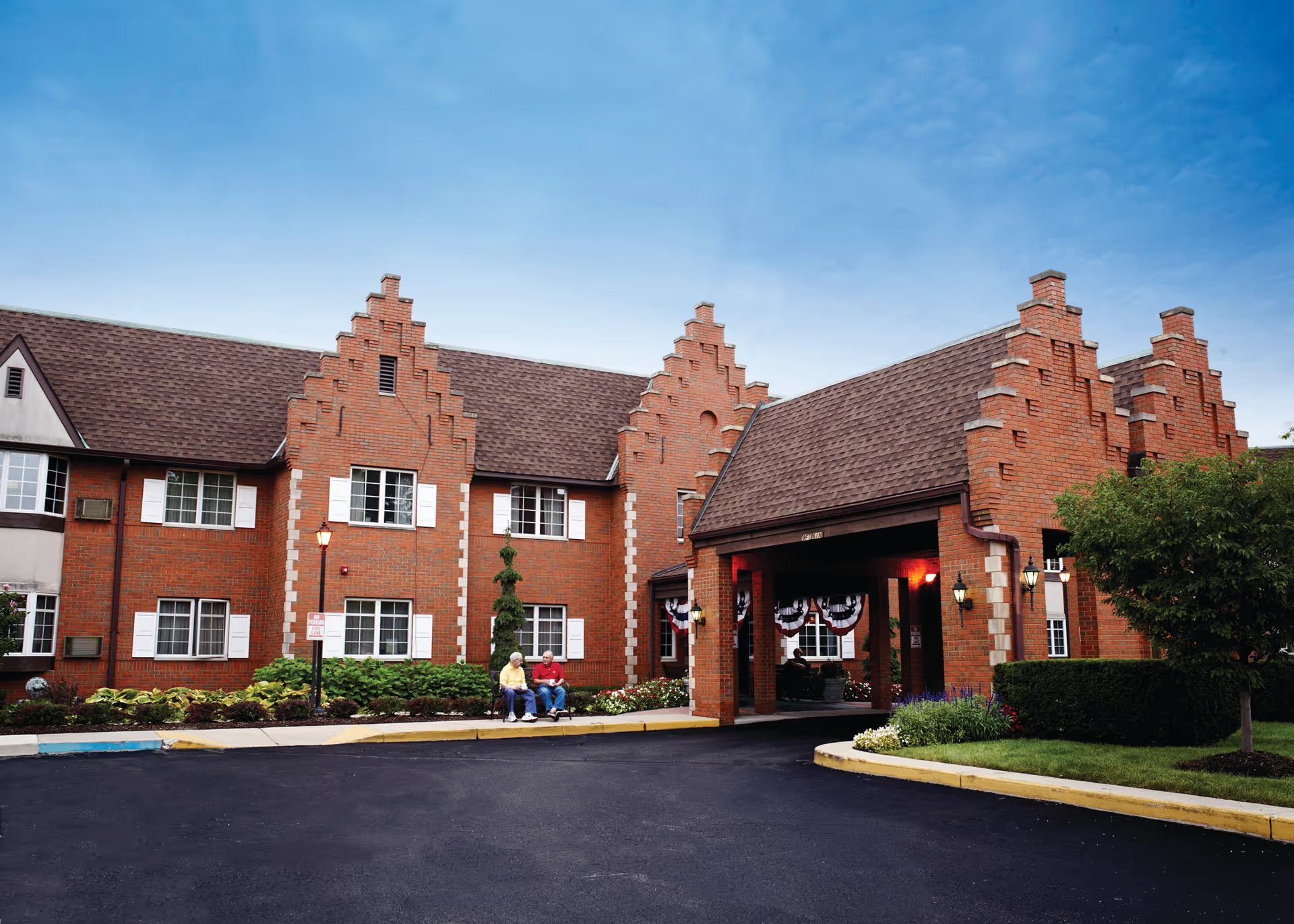
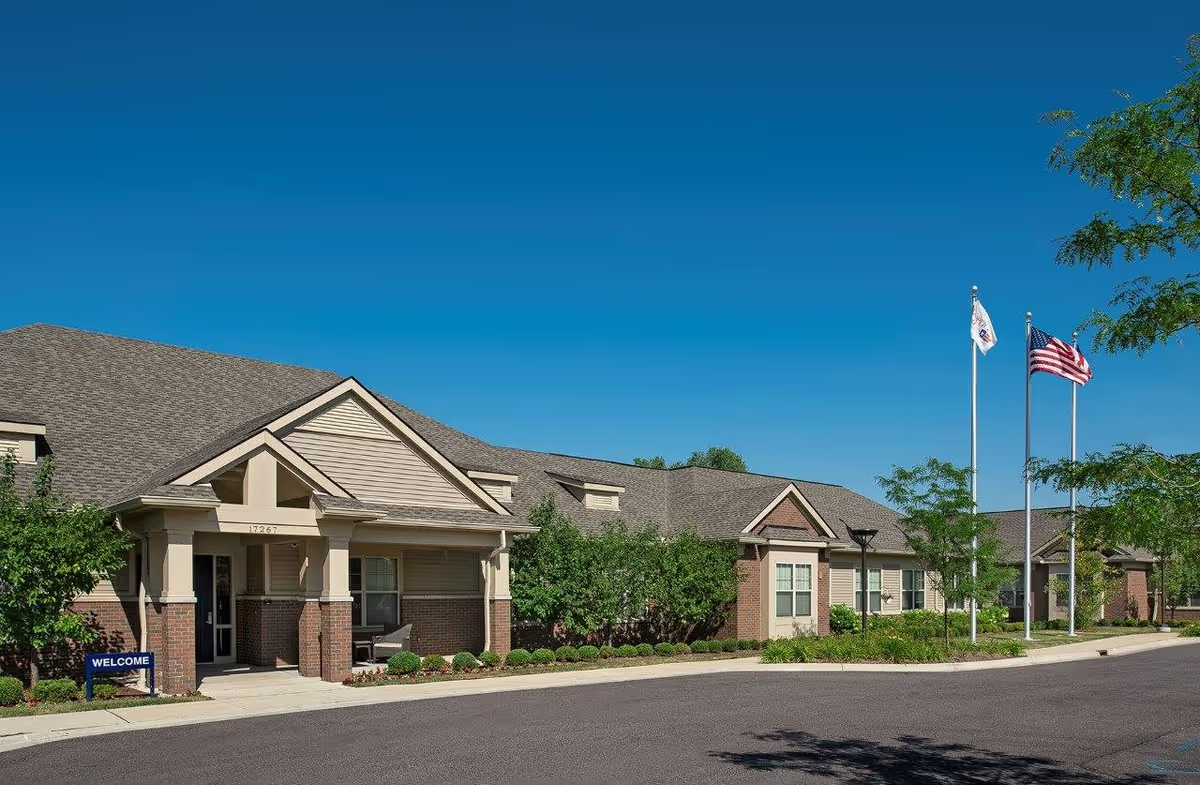
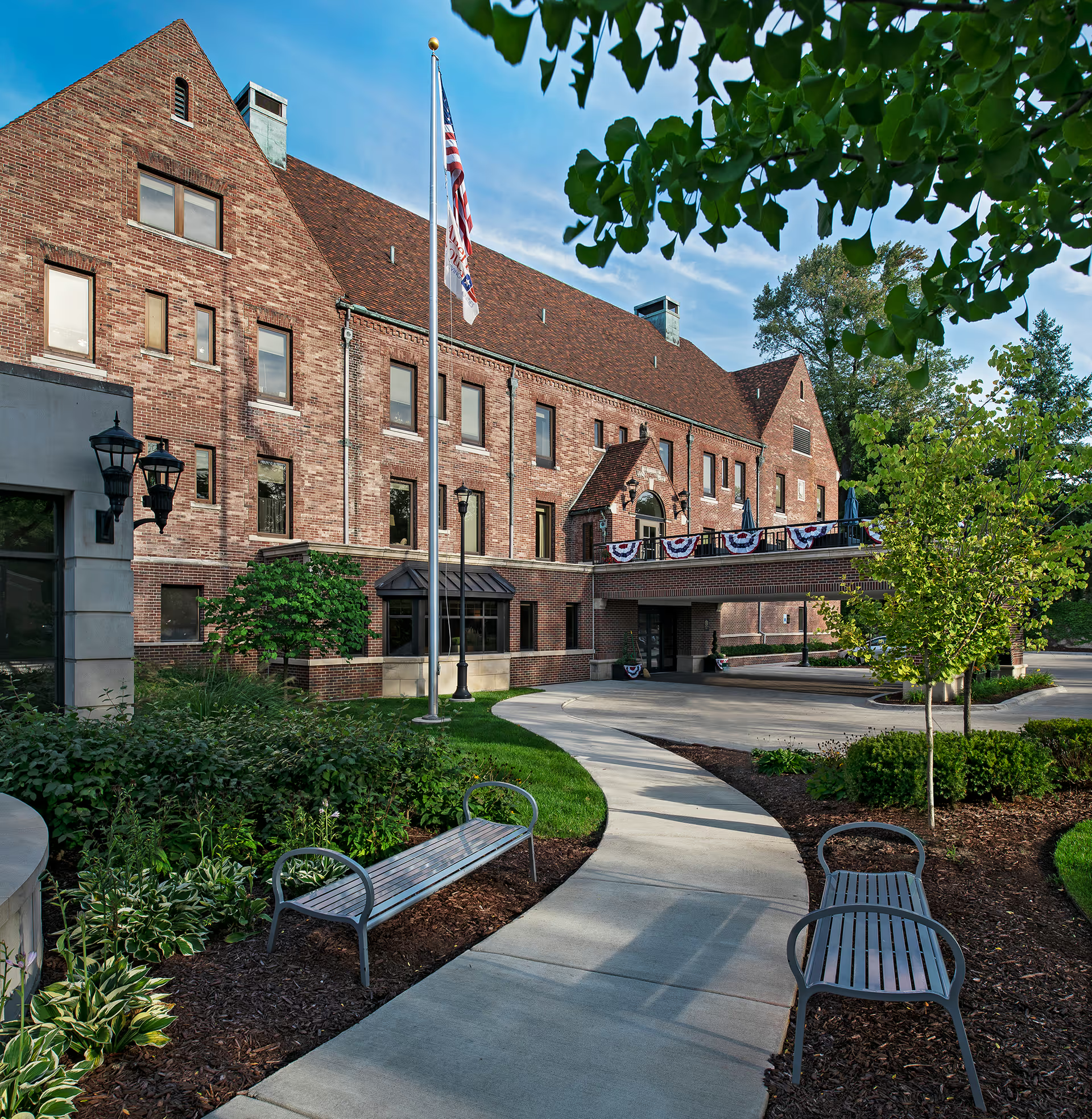
Facilities and amenities: The building is characterized as clean, well-kept, and comfortable, though older and less modern than newly built alternatives. Practical on-site amenities such as laundry, cable/phone hookups, and accessible single-level circulation are positives. Room sizes are generally adequate but can be smaller than larger communities; this small scale is a tradeoff noted by families who value intimacy over newer finishes.
Management and patterns of concern: Leadership is often singled out by name and praised for hands-on involvement and honest communication; families recount examples of responsive managers and support during bereavement. At the same time, several reviews identify concerns about management decisions during public-health events, including restrictive visitation and enforcement practices that felt inflexible to some families. There are mentions of regulatory scrutiny and questions about transparency in specific circumstances; these are described as governance- and decision-making issues rather than routine care deficits.
Bottom line: For families prioritizing a small, personal, and well-cleaned community with experienced, caring staff and integrated memory-care capabilities, Beechwood Manor appears to offer many strengths—particularly around individualized attention, home-style dining, and housekeeping. Prospective residents should weigh those strengths against the facility’s limited modern amenities, potential staffing and night-shift turnover, and the possibility of stricter visitation or infection-control approaches during crises. Visiting in person, meeting leadership and night staff, and reviewing recent inspection records and staffing schedules will help determine fit for an individual resident’s clinical and social needs.