The reviews describe a facility with notable strengths in interpersonal care and therapy services but persistent operational and environmental challenges. Many accounts praise individual caregivers, aides, and the physical-therapy staff for compassion and skill; social workers and hospice teams are also cited positively for communication and dignified end-of-life care. Activity programming and opportunities for socialization are frequently mentioned as beneficial for residents across a range of abilities.
At the same time, a consistent pattern emerges around variability in basic caregiving and responsiveness. Reviewers reported delays or failures in responding to call lights and in assisting with mobility or personal care, and several accounts raised concerns about medication administration and clinical follow-up. These issues appear to be uneven across shifts and individual staff members, suggesting variability in training, staffing levels, or oversight.
Dining and nutrition impressions are mixed: some families found meals acceptable and noted individualized service or diet accommodations, while others described inconsistent food quality and lapses in adherence to therapeutic diets, with associated hydration and nutrition concerns. Activity programming is a relative strength, with a range of offerings that suit different ability levels, though some families felt the activities skewed toward older or less active residents.
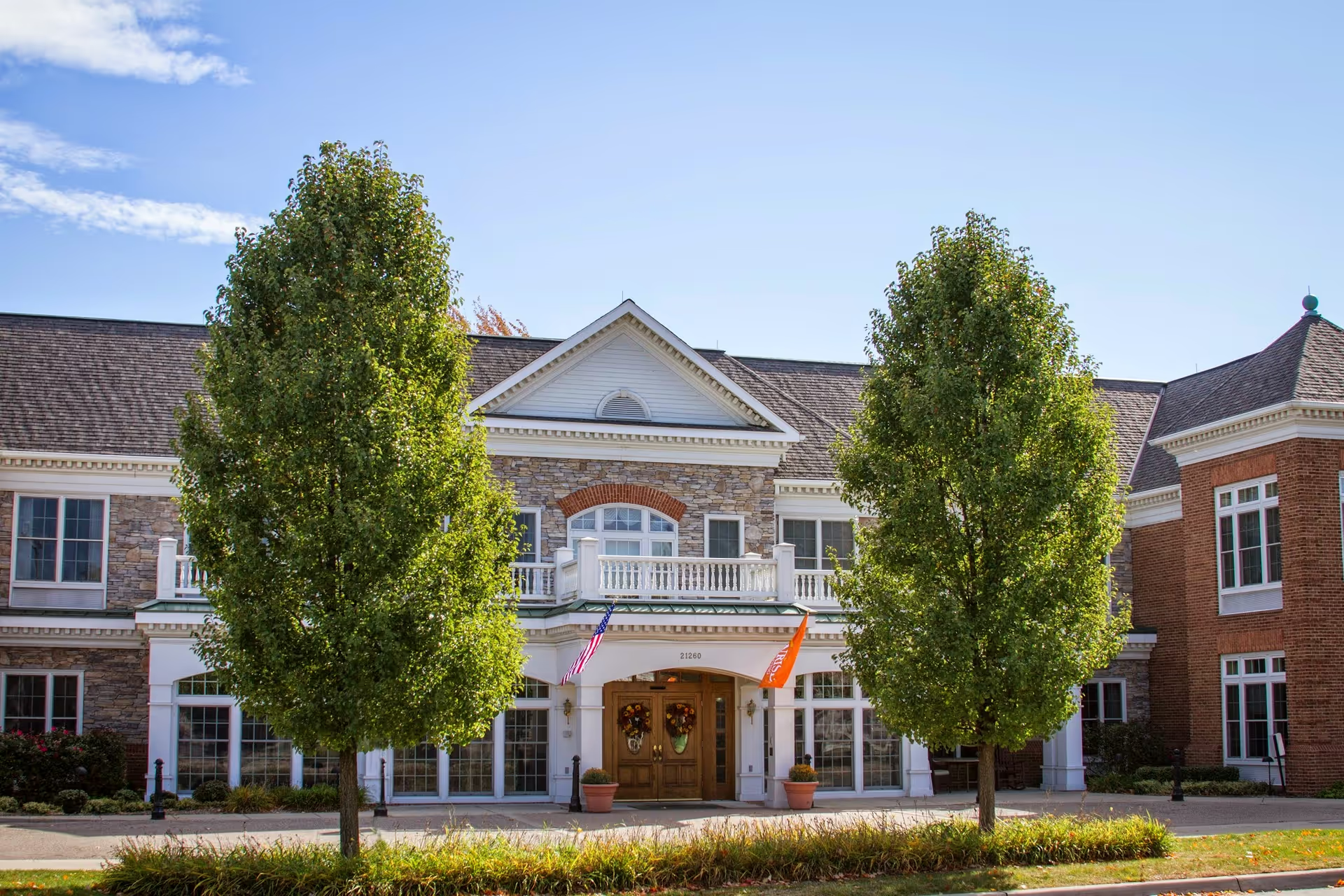
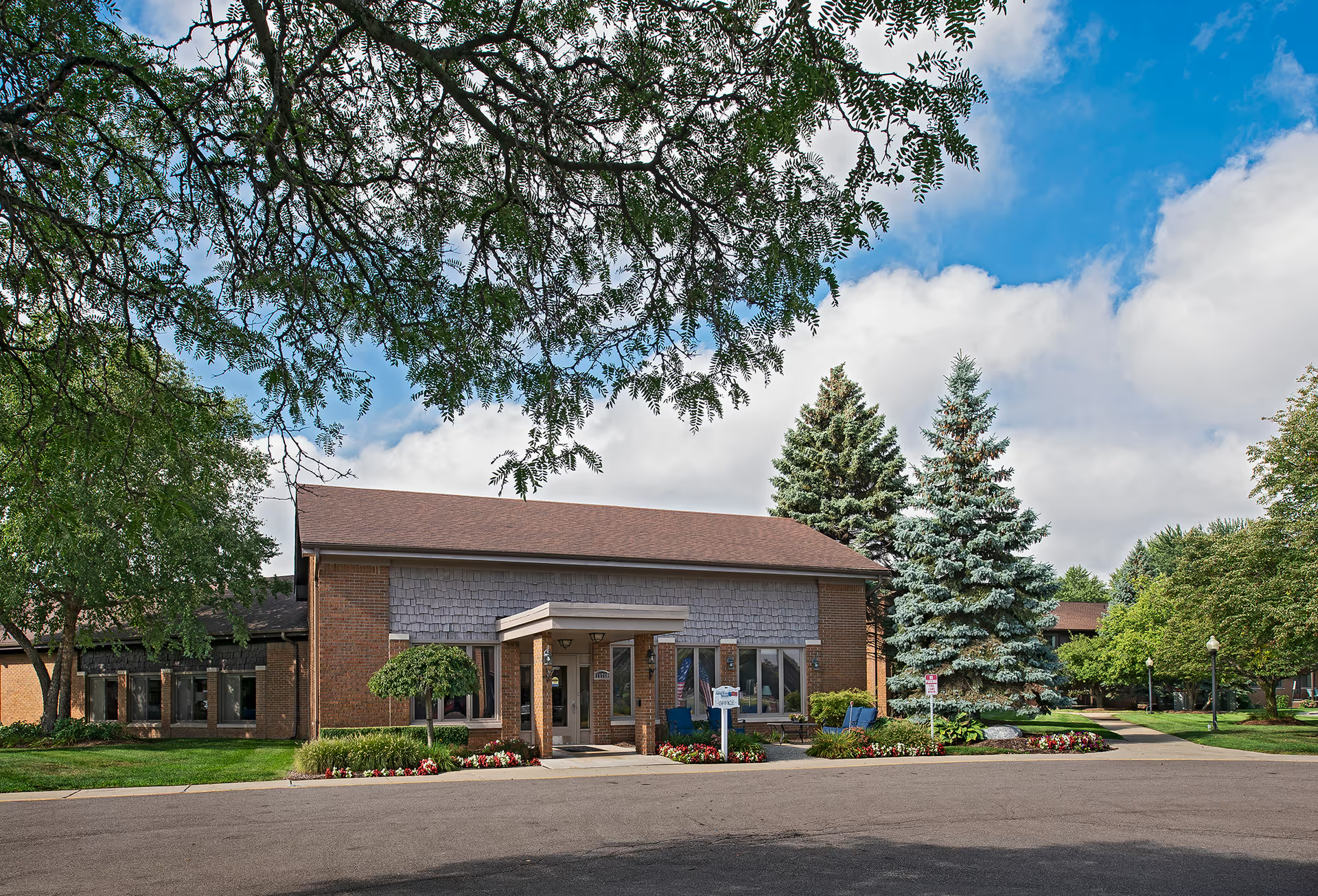
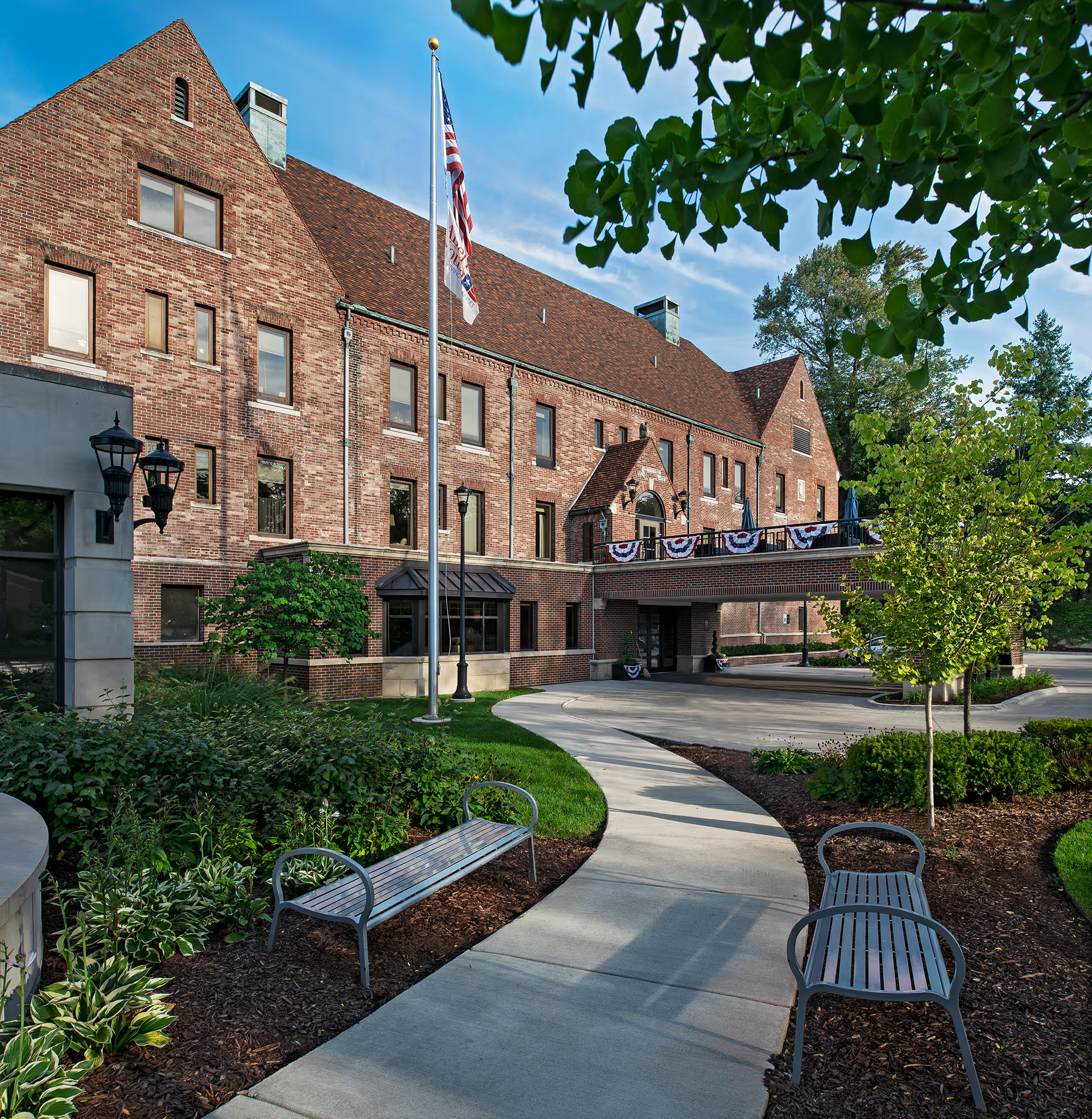
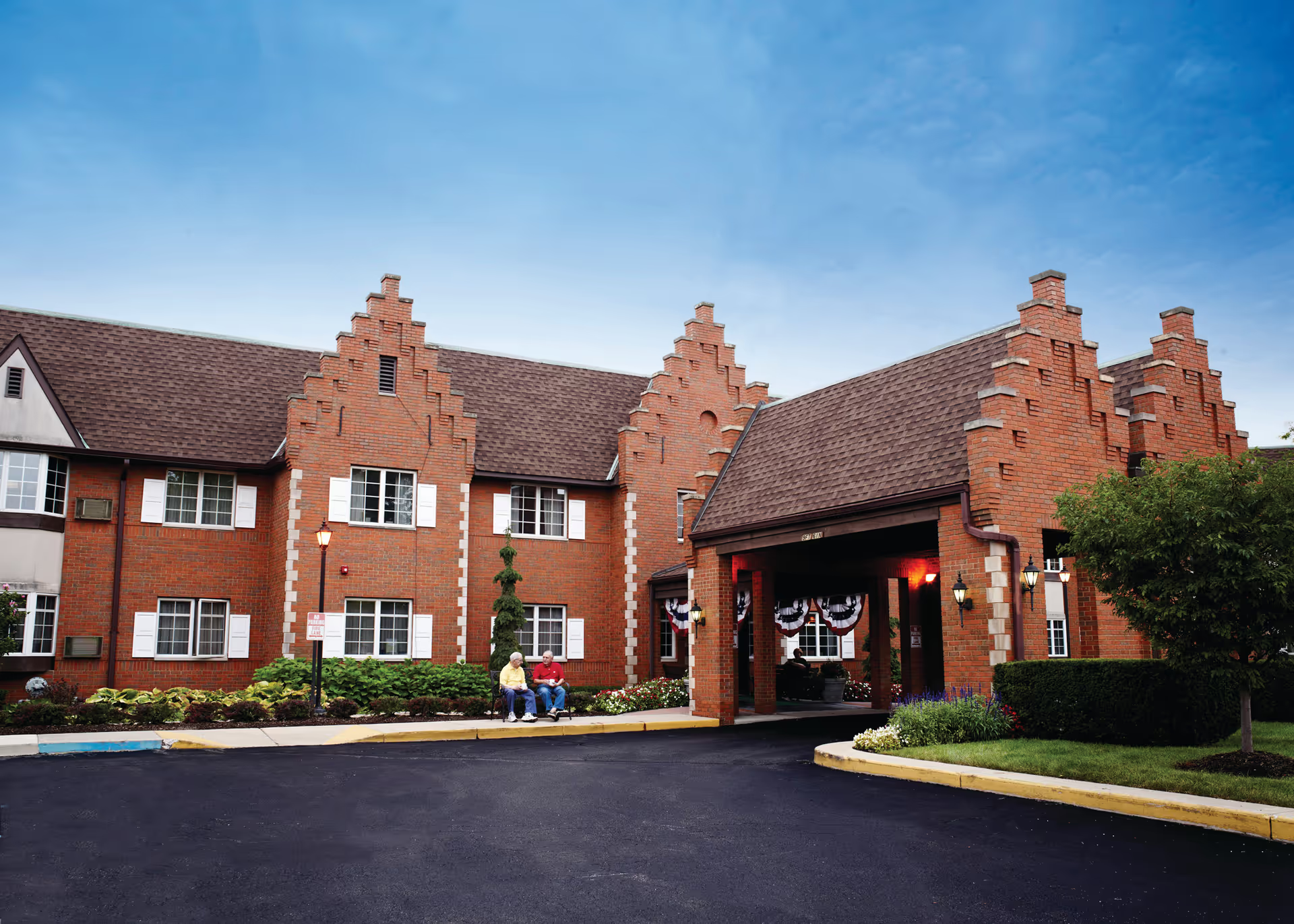
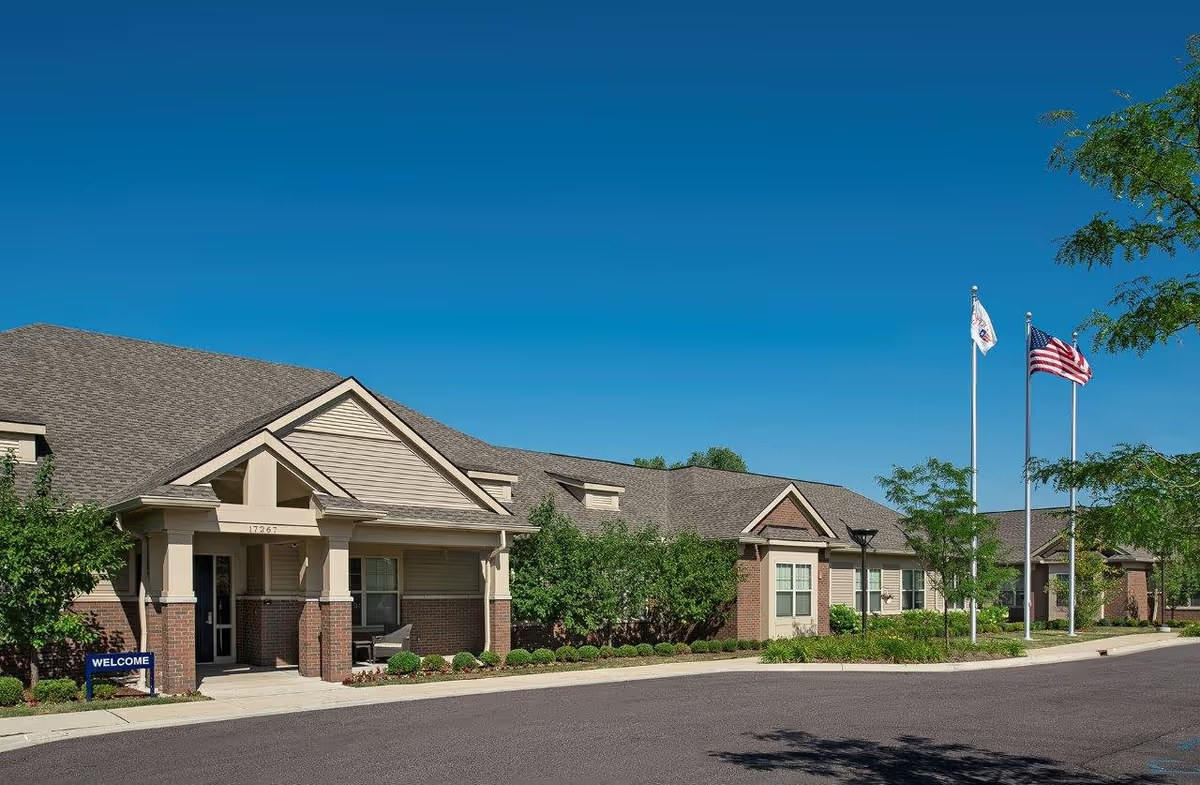
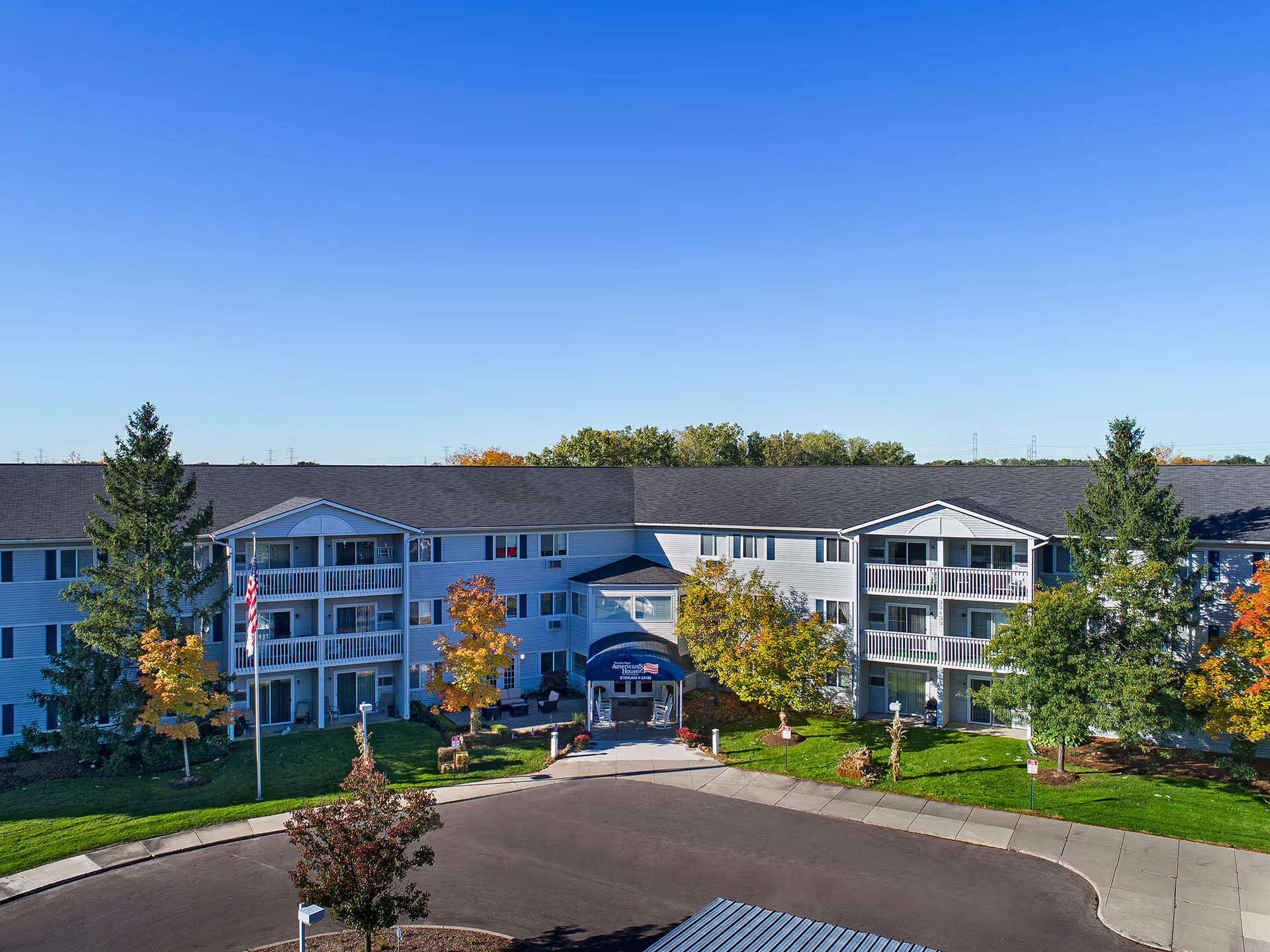
Facility condition and maintenance recur as significant issues. The building is described as older with accessibility limitations; reviewers noted equipment failures (for example, beds and televisions), basement-located rooms, and general maintenance delays. Sanitation and pest-control concerns, including recurring odors in common areas, were reported by multiple families and are a salient operational weakness.
Management and administrative processes show multiple pain points in the reviews. Families described weak policy enforcement (including inconsistent handling of smoking rules), security vulnerabilities (exposed access codes and other access-control issues), and allegations relating to theft or mishandling of personal property. Administrative responsiveness also appears problematic: there are accounts of delayed or unresolved refund/billing matters and frustration with the facility’s handling of medical emergencies and transfers.
Taken together, the pattern suggests a facility where committed individual staff and effective therapy/hospice services coexist with systemic operational gaps: inconsistent staffing and oversight, maintenance and cleanliness shortfalls, uneven clinical processes, and administrative weaknesses. Families considering this facility should probe staffing ratios and shift supervision, call-response protocols, medication-administration auditing, sanitation and pest-control procedures, security/access controls, emergency-transfer policies, and the facility’s process for handling billing and refunds to determine whether current operations meet their expectations and safety needs.