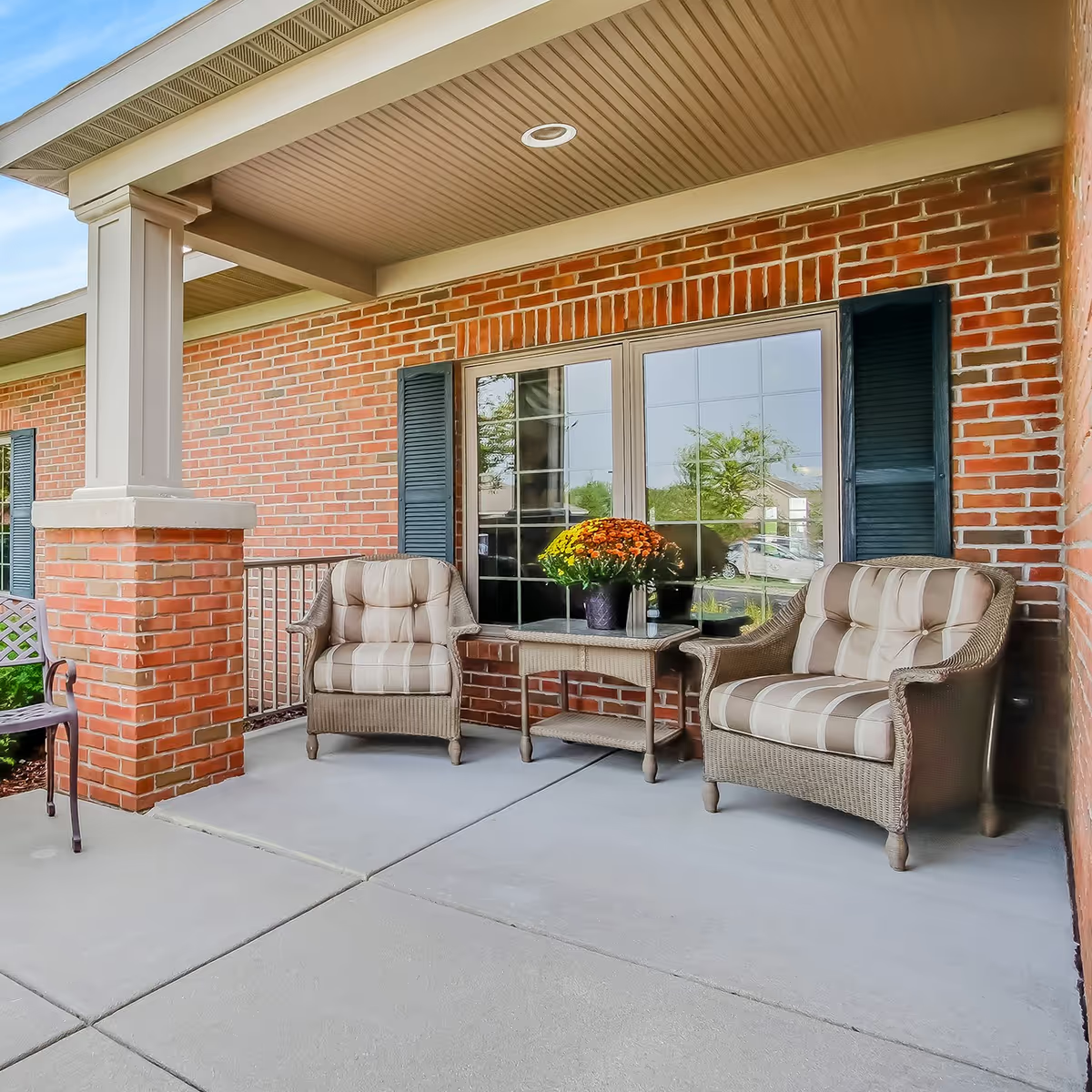
Hazel Findlay presents a mixed picture: many families praise the facility for caring nursing staff, an effective rehabilitation team (OT/PT), clean common areas, and an active admissions and family-friendly visiting approach. Reviewers commonly highlight compassionate nurses who go the extra mile, a strong therapy program for continuing rehabilitation, sizable resident rooms, accessible outdoor areas with covered seating, on-site spiritual services, and pet-friendly policies. Several accounts convey gratitude for attentive caregivers and the support provided during transitions to higher levels of care.
At the same time, recurring operational weaknesses are evident. Staffing and responsiveness are inconsistent across shifts and roles: praise for certain staff members is counterbalanced by complaints about inattentive front-desk coverage, long waits for assistance, and variable professionalism among aides. Relatedly, there are repeated mentions of medication pass delays and coordination problems between departments and shifts, indicating gaps in clinical oversight and communication that can affect day-to-day care continuity.
Dining and activities elicit divergent views. Some families describe meals as tasty and plentiful, while others report poor food quality and a lack of diabetic-friendly options. The activities program shows strengths in creative, engaging offerings and routine events (including religious services), but other reviewers find recreation areas sterile and the variety limited to basic offerings like bingo and card games. In practice, residents’ social stimulation seems to depend heavily on which activity staff are on duty and which unit the resident occupies.
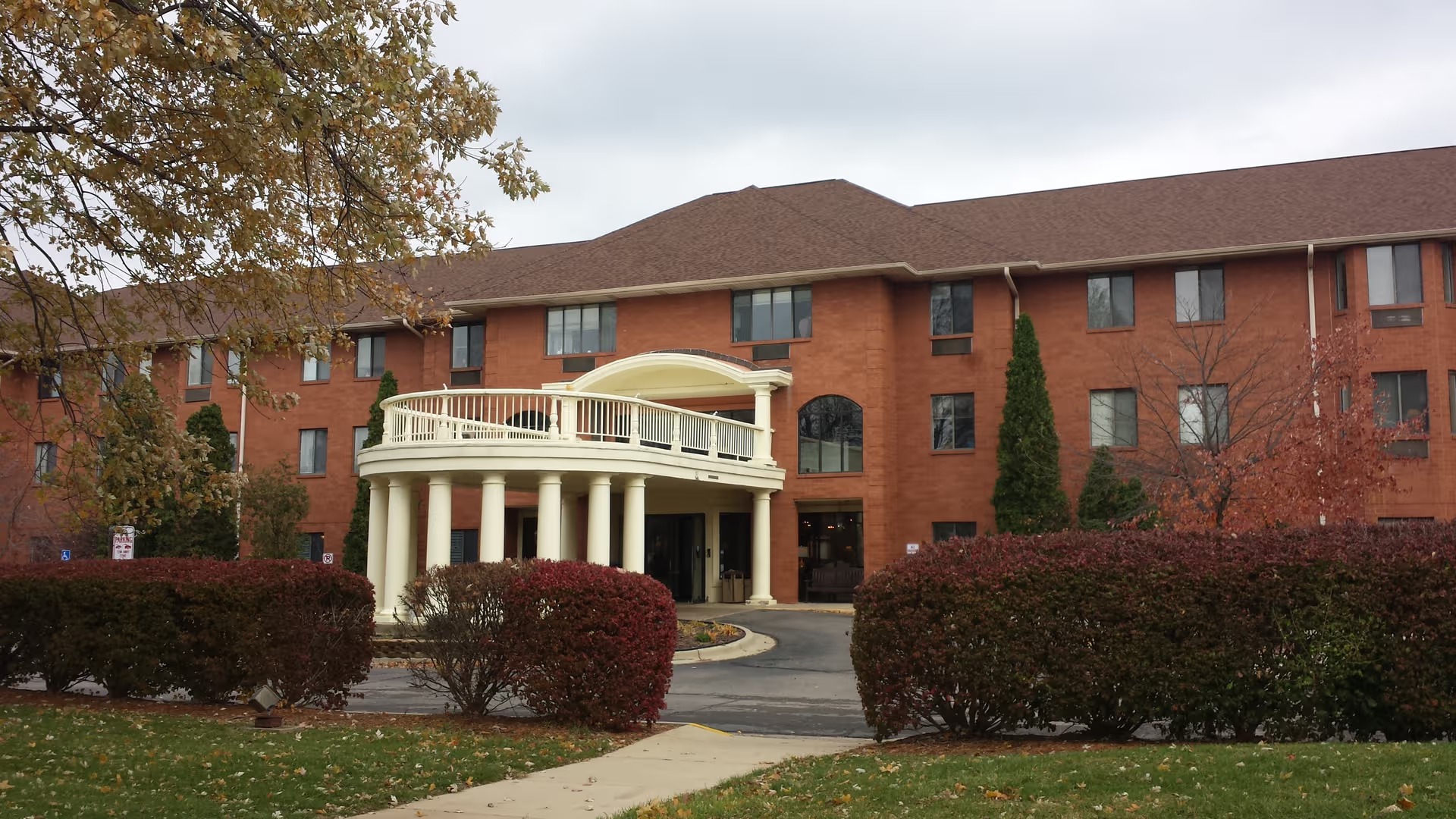
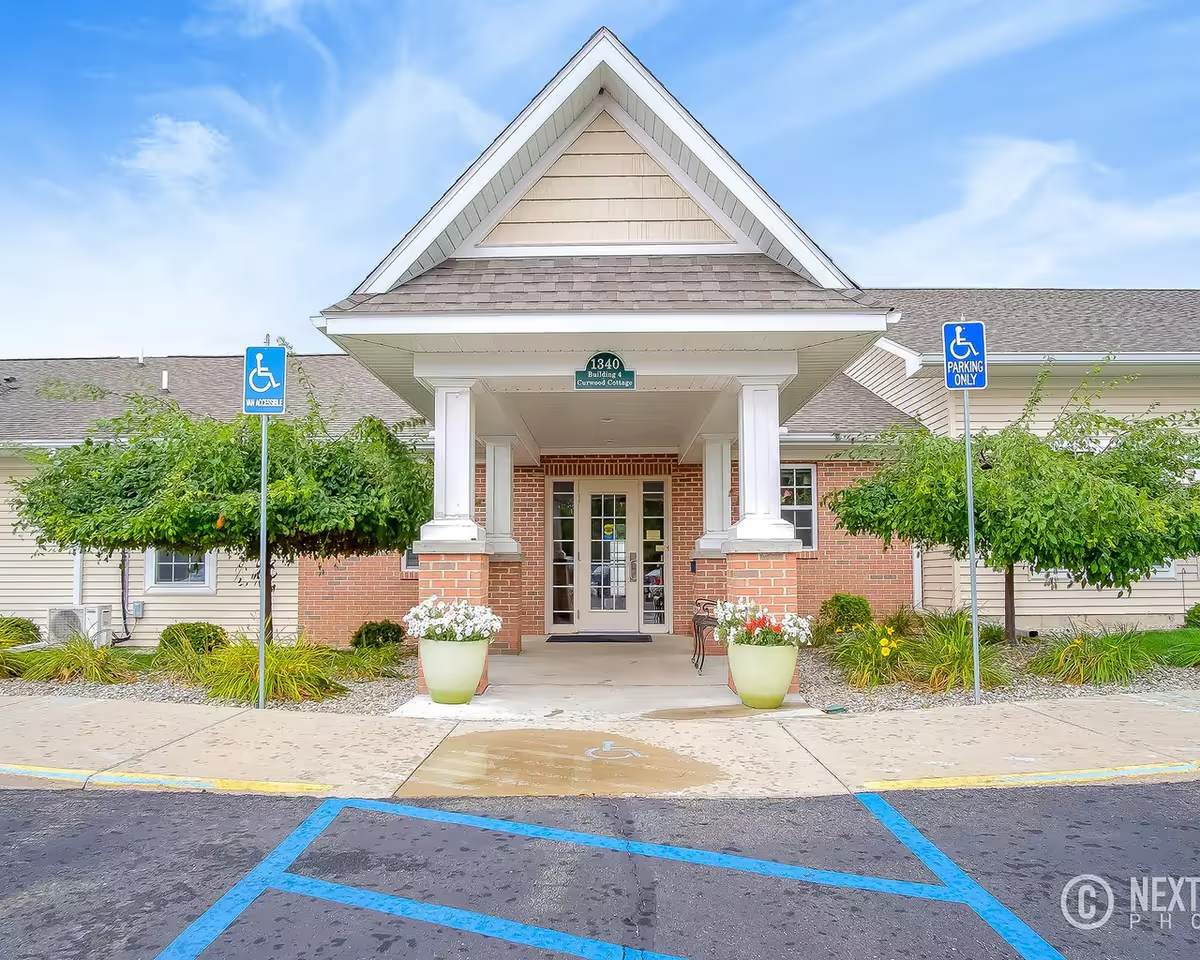
The physical plant is another area of contrast. Public spaces and exterior grounds are described as pleasant and well kept, yet multiple reviewers point to aging wings, inadequate environmental controls (such as nonfunctional air conditioning), uncomfortable beds, and insufficient dedicated rehab space in some units. These infrastructure issues contribute to a less homelike atmosphere in parts of the building and can constrain therapy capacity.
Finally, management and oversight concerns appear intermittently in the reviews. Examples include coordination glitches, inconsistent infection-quarantine handling, and stronger allegations regarding managerial conduct. These accounts suggest uneven administrative performance and underscore the importance of verifying current leadership practices and complaint-resolution procedures when evaluating the facility.
Overall, Hazel Findlay may suit families prioritizing compassionate nursing care and a capable rehabilitation team, especially if a clean, secure environment and accessible grounds are important. Prospective residents and families should clarify current staffing models, medication administration protocols, dietary accommodations (including diabetic options), rehab-space availability, and how management addresses complaints to determine whether the facility’s strengths align with their needs.