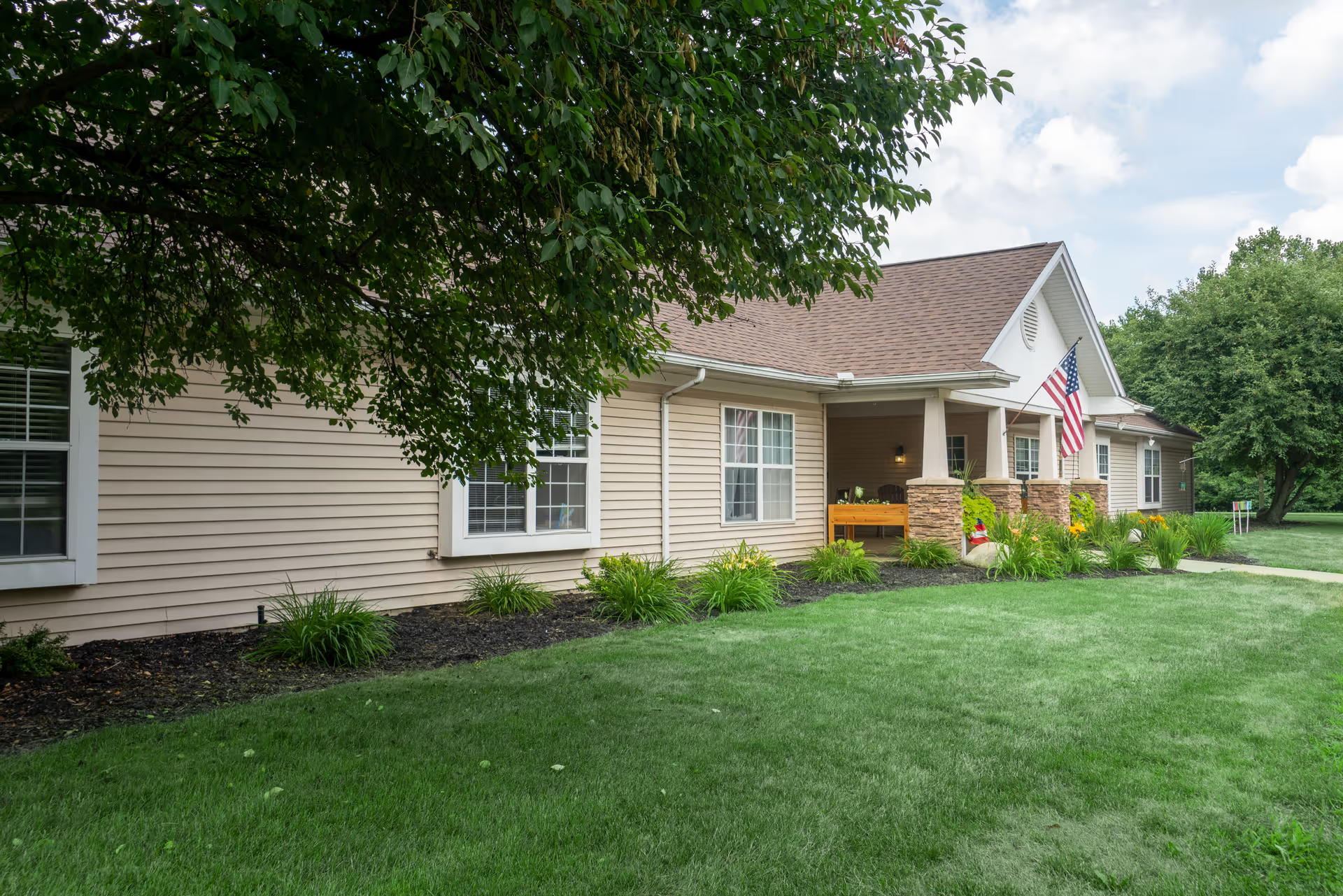
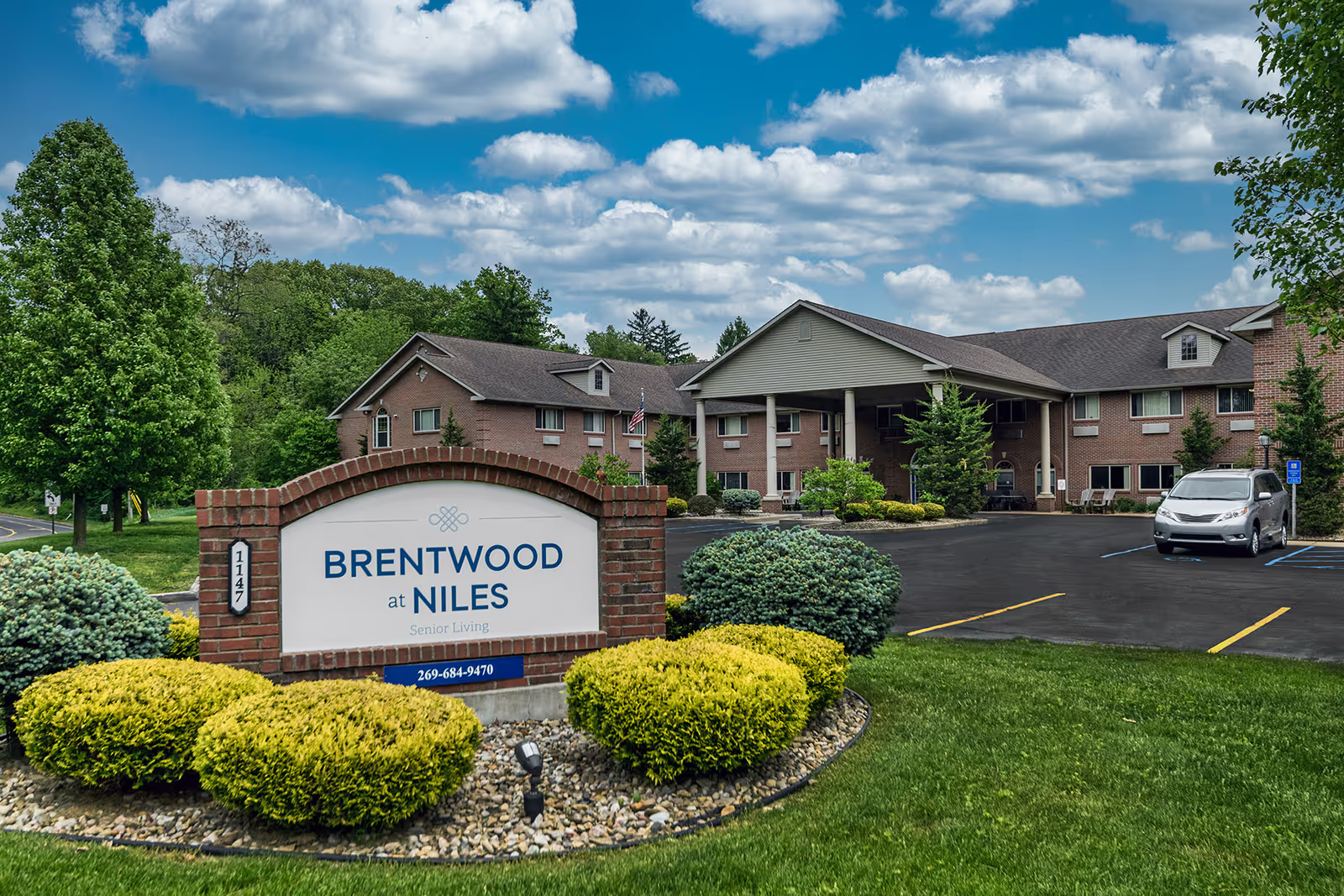
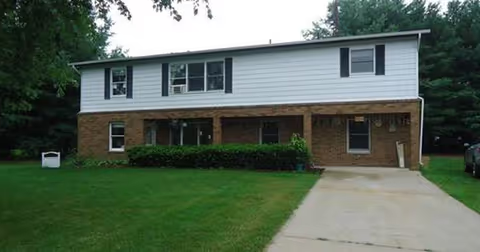
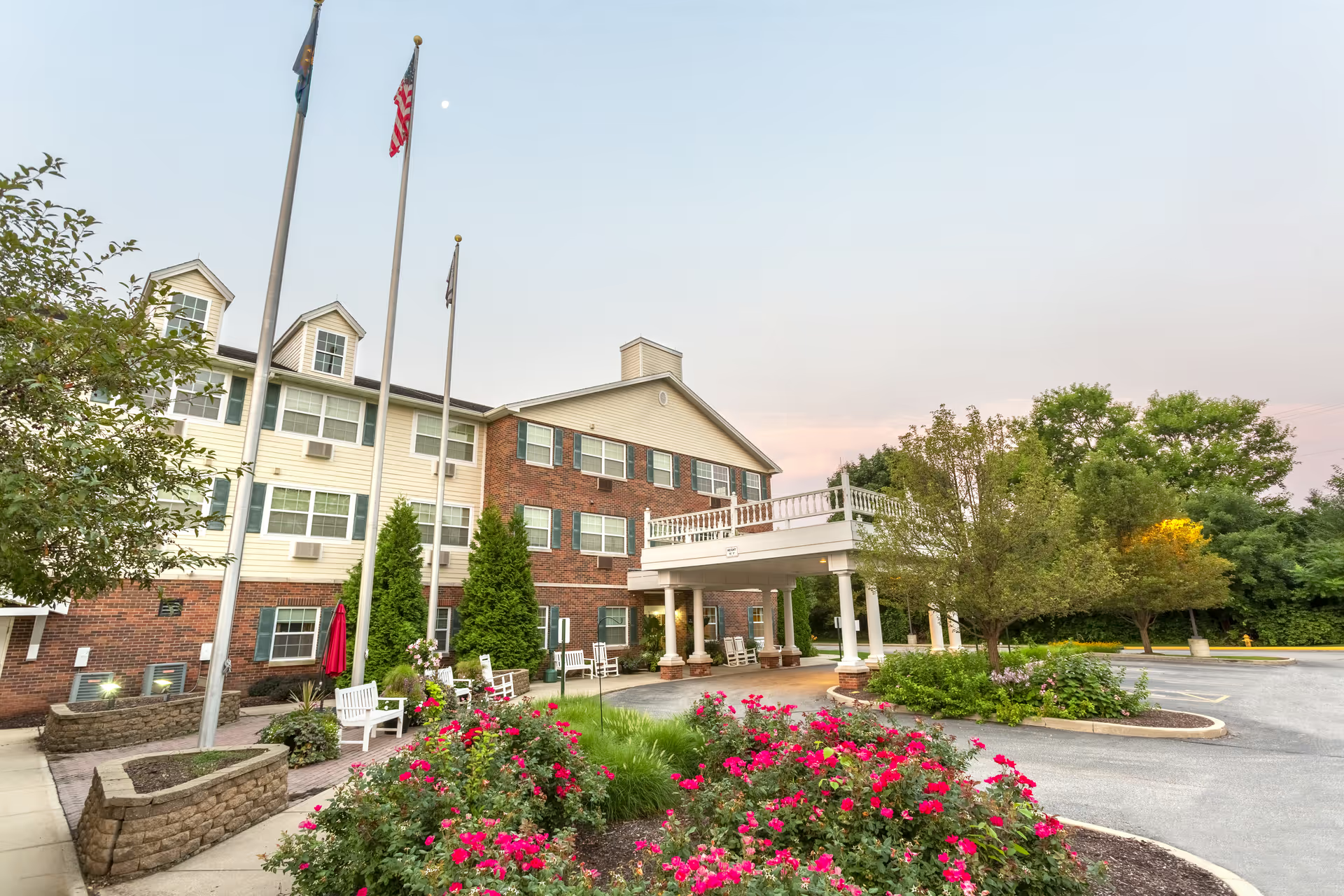
Reviewer feedback on Gilead Elder Care is mixed but falls into clear patterns. Many families praised the facility’s homelike setting and attractive location, and several noted that residents settled in well, made social connections, and described caregivers as caring, accommodating, and knowledgeable. Cleanliness and the absence of odors were highlighted by multiple commenters, and a high staff-to-resident ratio was seen as a strength that supports individualized attention.
Care quality appears to vary across cases. Positive accounts emphasize compassionate, attentive staff and clinically knowledgeable caregivers who are receptive to family visits and supportive during transitions. At the same time, a number of families raised operational concerns that point to inconsistent execution of daily care routines — specifically around medication management, personal grooming, and nutrition/weight monitoring. One strong negative account described significant care-related problems; taken together with other comments, this suggests variability in how clinical and personal-care protocols are followed.
Activities and engagement are another area of mixed performance. The community’s informal, social atmosphere and staff–resident rapport were valued by residents who enjoy interaction, but several contributors noted a lack of a formal activity schedule and limited cognitive stimulation. Prospective residents who require structured programming or more active engagement may need to ask about the current activity calendar and how cognitive needs are addressed.
Facility and housekeeping impressions are generally positive, with many families describing well-maintained interiors and pleasant common spaces. However, there are concerns tied to personal-care and bathroom sanitation practices; these comments indicate variability between shifts or units rather than a uniform standard. Visitors should observe bathing and toileting assistance practices during a tour and inquire about incontinence-care procedures and housekeeping protocols.
Communication and management practices show strengths and weaknesses. Families appreciated staff who are accommodating of visits and who form supportive relationships with residents, but there are recurring comments about unanswered calls, slow family updates, and inconsistent professionalism from some staff members. These issues suggest gaps in phone responsiveness and family-communication systems rather than a lack of willingness to engage.
Recommendations for prospective families: during a visit, ask specific questions about medication administration controls and oversight, personal-care and bathing schedules, incontinence-care and housekeeping protocols, and the structure of activity programming. Request to observe mealtimes and an activity session if possible, and seek references from current families. If the prospective resident is higher-functioning or requires more active rehabilitation or structured programming, clarify whether the facility’s care level and engagement offerings match those needs.