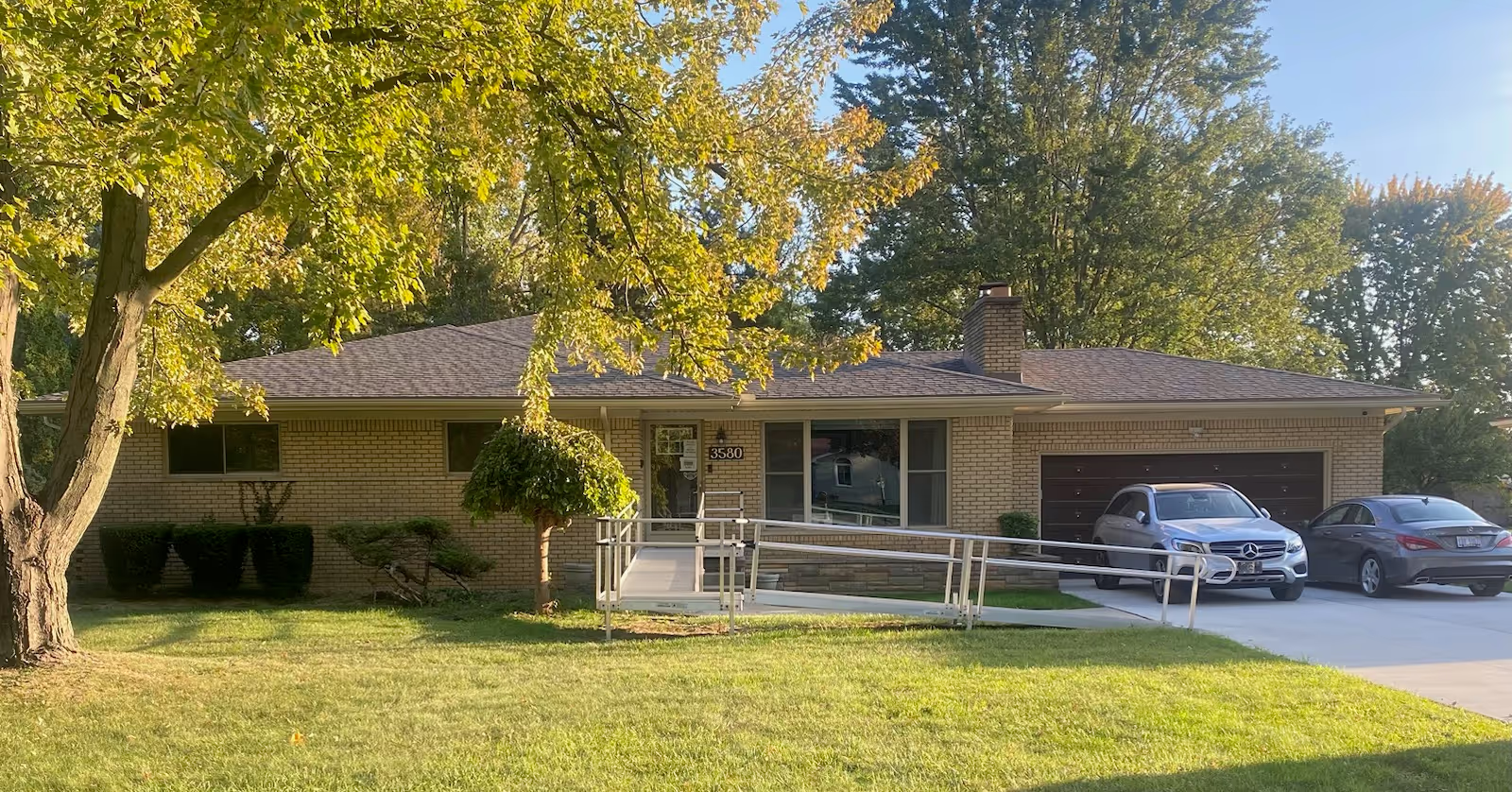
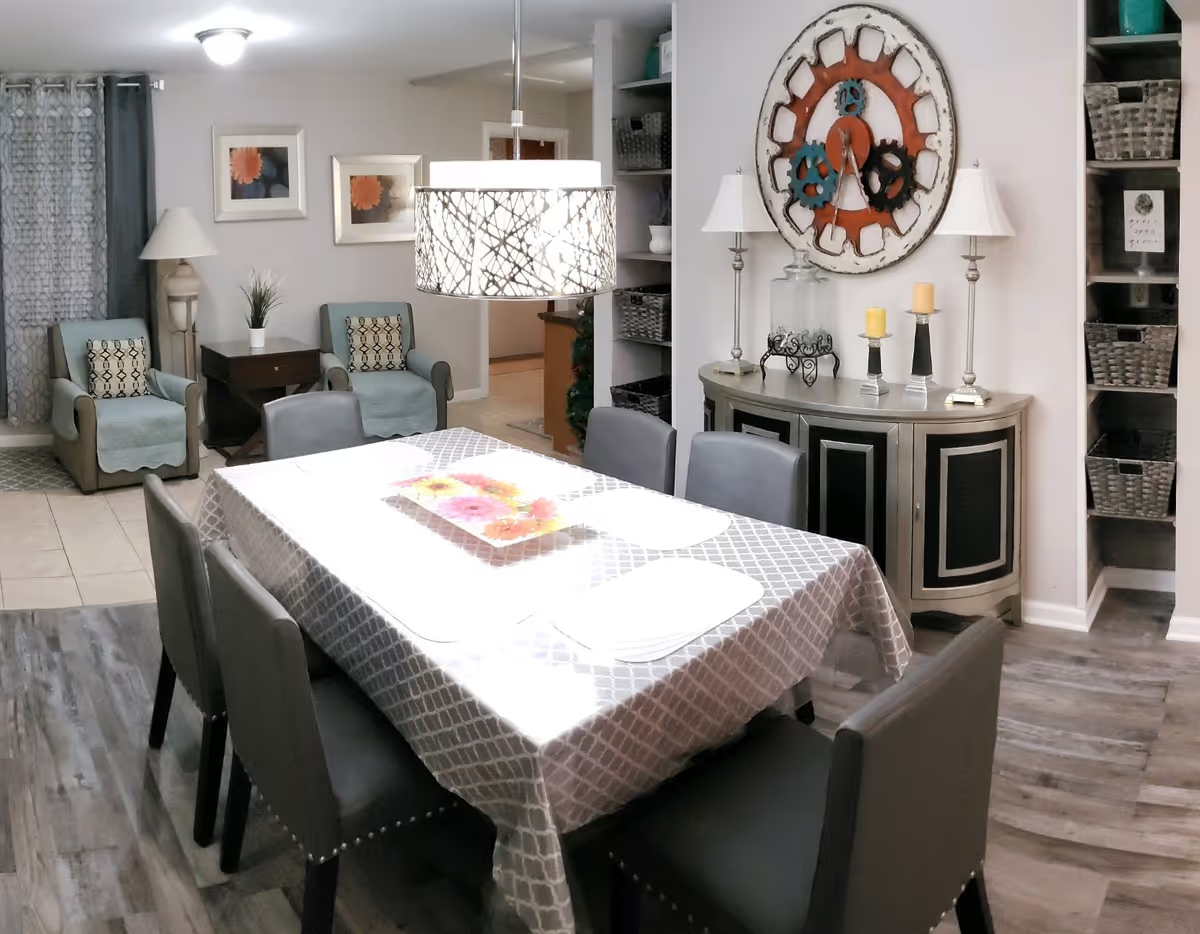
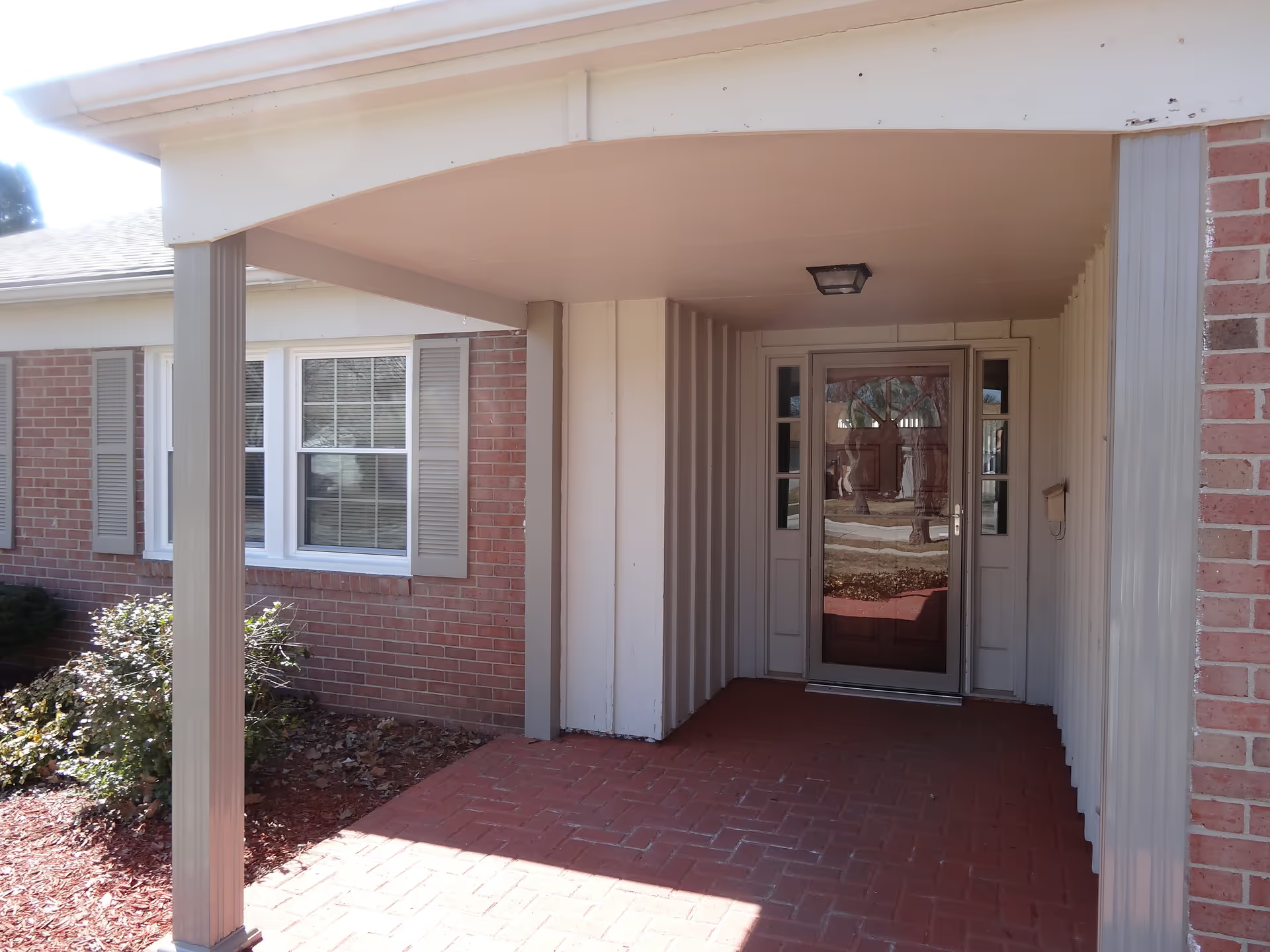
Reviews of Pomeroy Living Sterling Assisted present a polarized picture: many families describe a warm, well-maintained community with compassionate staff and strong onboarding, while other accounts identify operational gaps that affect consistency of care. The facility's physical environment receives frequent praise — reviewers note spacious, well‑appointed apartments, accessible bathrooms, outdoor seating, and a layout that supports resident navigation. Cleanliness and a home‑like atmosphere are commonly mentioned as strengths.
Staffing and direct care provoke mixed impressions. Numerous families highlight thoughtful, responsive caregivers, 24/7 assistance, individualized care plans, and effective medical-team involvement that has supported residents’ wellbeing. Admissions and move-in coordination are repeatedly described as organized and supportive, and specific staff members are credited with facilitating smooth transitions. Conversely, reviewers also raise concerns about staff continuity and frequent turnover, which they associate with variability in daily routines, responsiveness, and the reliability of personal-care tasks such as bathing and hygiene scheduling.
Clinical operations and documentation emerge as an important pattern. Several comments describe confusion or gaps in medication-management records and diabetes documentation, as well as difficulties obtaining transfer or clinical paperwork. Related observations include inconsistent wound-care follow-up and delays in clinical communication. These issues present potential safety and coordination risks and suggest areas where standardized processes and clearer family communication could improve confidence.
Dining and activities are generally positive but variable. Many families praise meal quality and engaging activity programming, including outings and social opportunities that contribute to resident engagement. A smaller number of reviews cite inconsistent meal service — for example, temperature and timing concerns — which points to uneven execution rather than a systemic absence of programming.
Memory-care and unit-level behavior management warrant specific attention. Some reviewers report elevated noise and behavioral disruption within memory-care areas, indicating potential needs for additional staffing, behavior-support strategies, or environmental adjustments to reduce disturbances and enhance supervision. A subset of families also voiced serious concerns about administrative responsiveness and raised claims of differential treatment tied to payer source, which, if accurate, would require administrative clarification and policy review.
In summary, prospective residents and families will find tangible strengths at Pomeroy Living Sterling Assisted — notably strong admissions support, a welcoming physical environment, active programming, and many compassionate caregivers. At the same time, reviews indicate variability in how consistently those strengths are delivered day‑to‑day, with recurring operational themes around staffing stability, documentation practices, wound-care follow-up, meal-service consistency, memory‑care behavior management, and administrative transparency. When evaluating the community, families may wish to ask specific, operational questions about current staff turnover and staffing ratios, medication- and wound‑care protocols, documentation access for medical and transfer records, meal-service procedures, memory-care behavior‑support plans, and written policies concerning payer-source treatment and billing transparency.