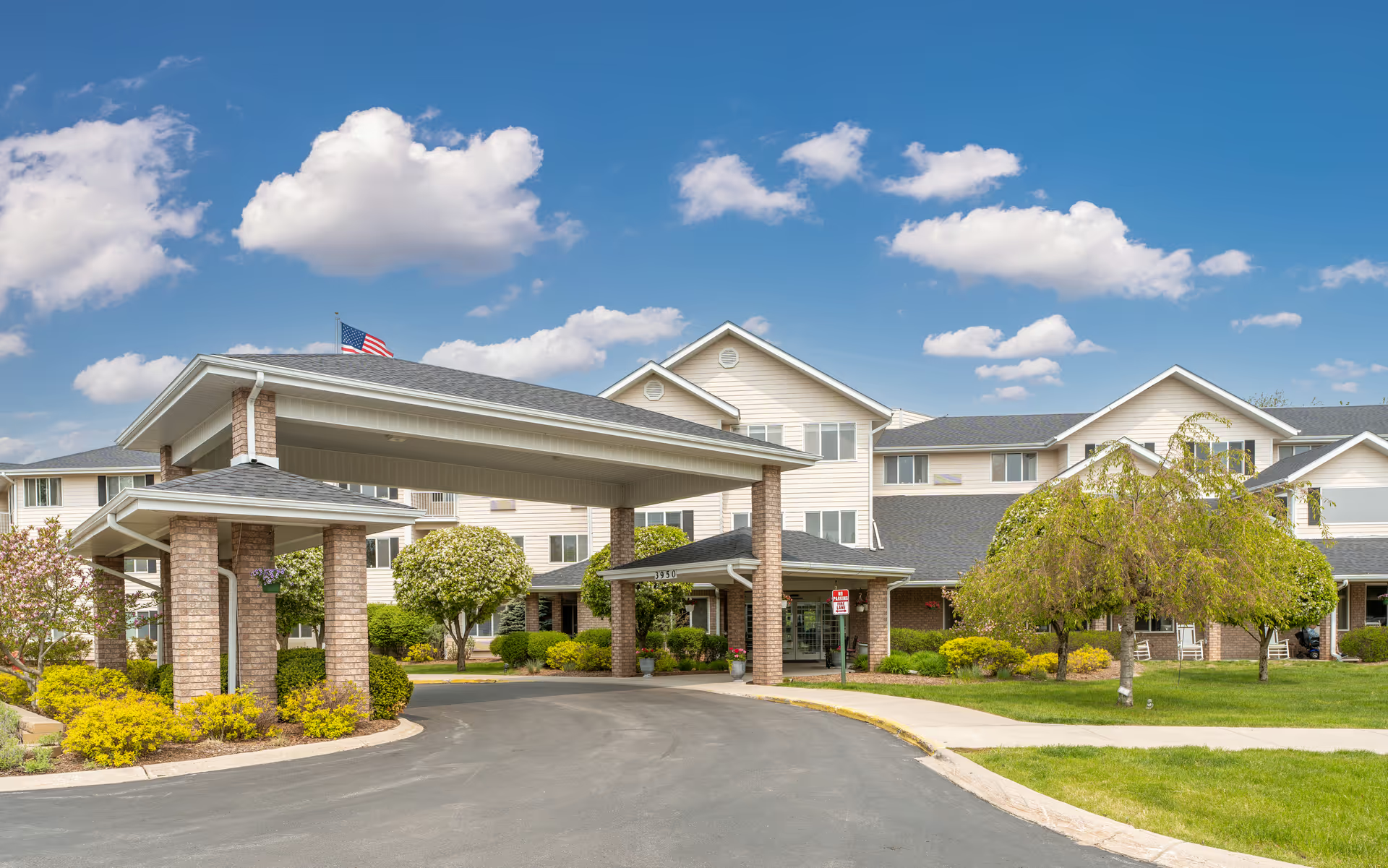
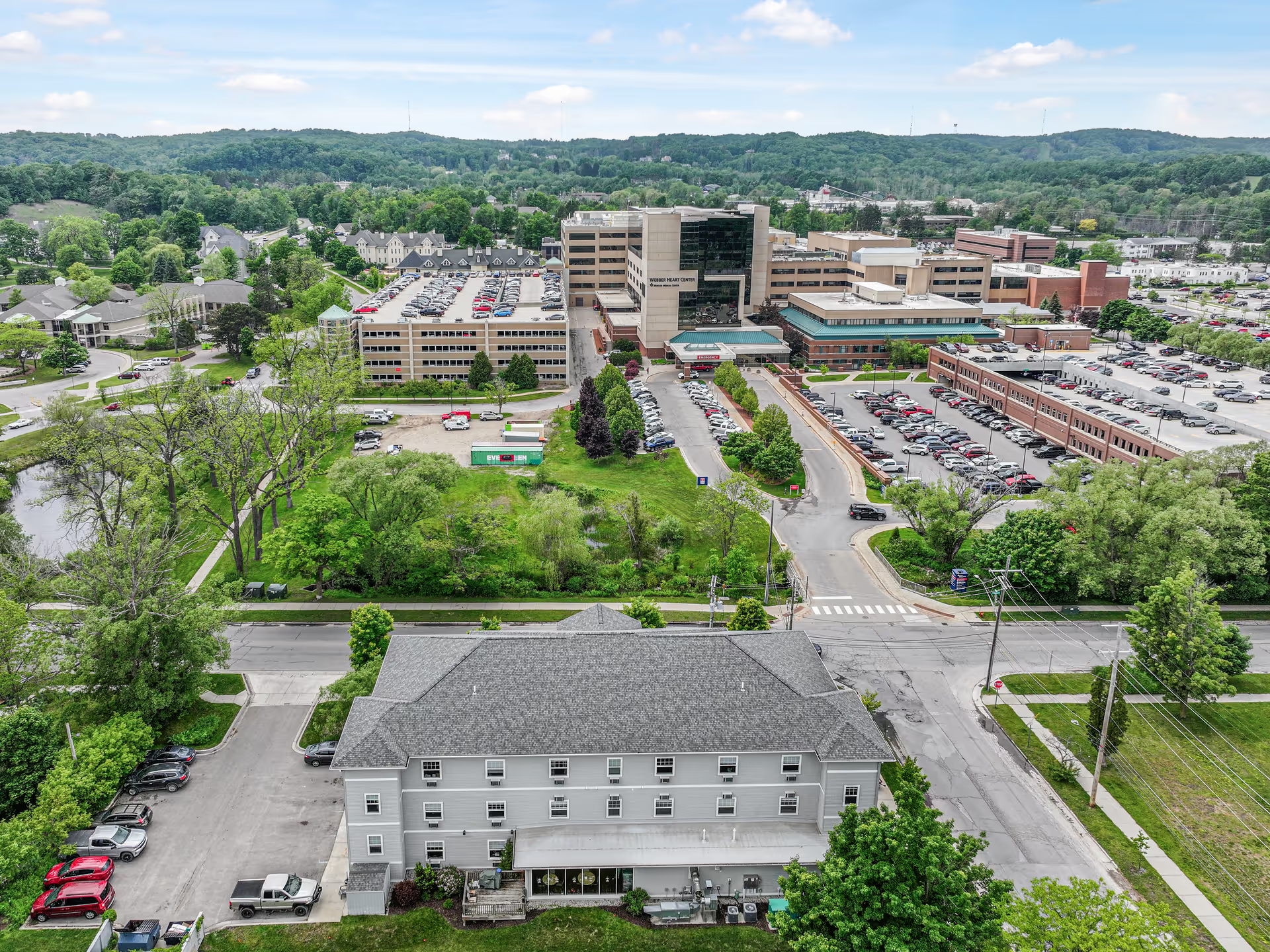
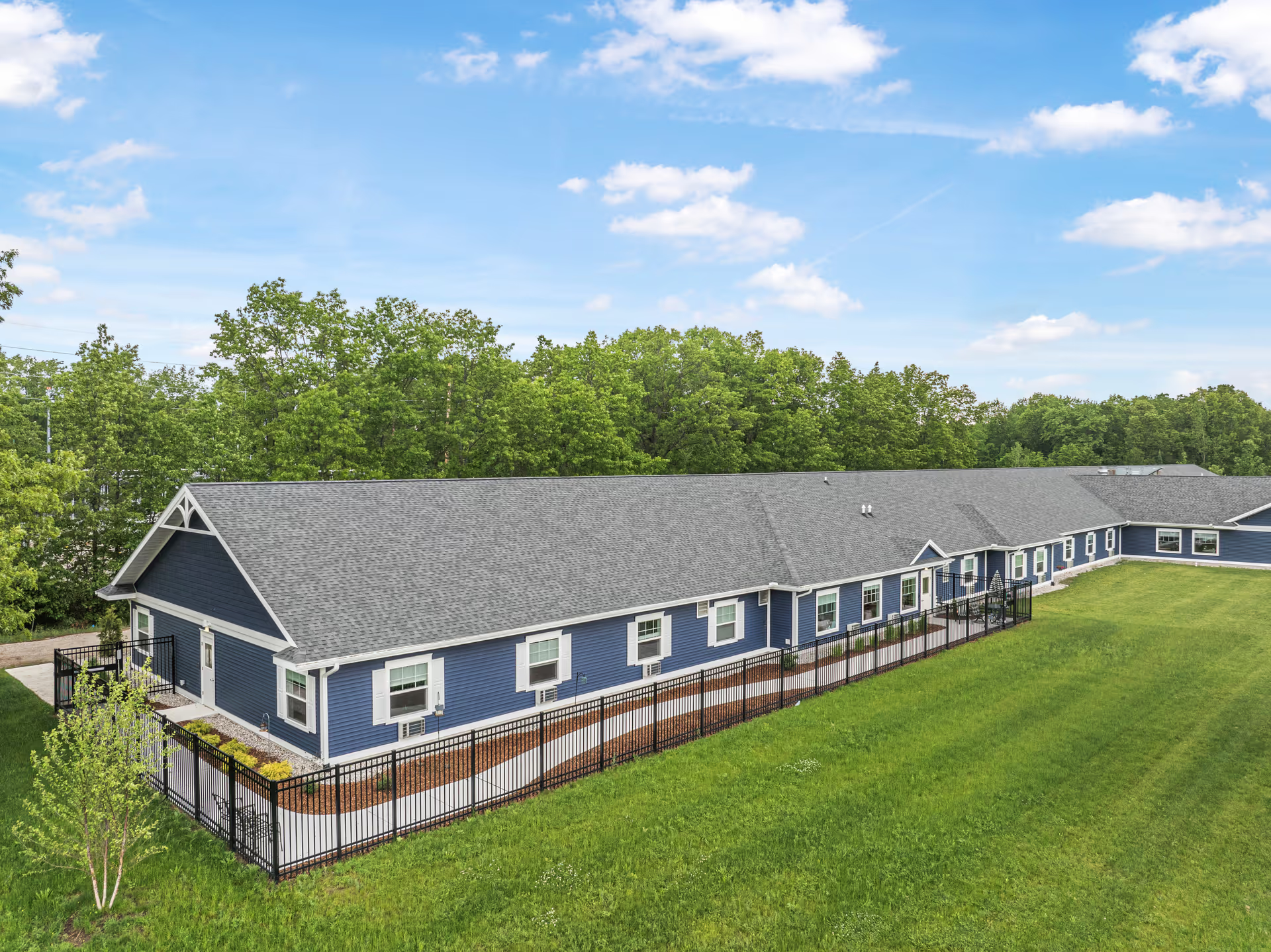
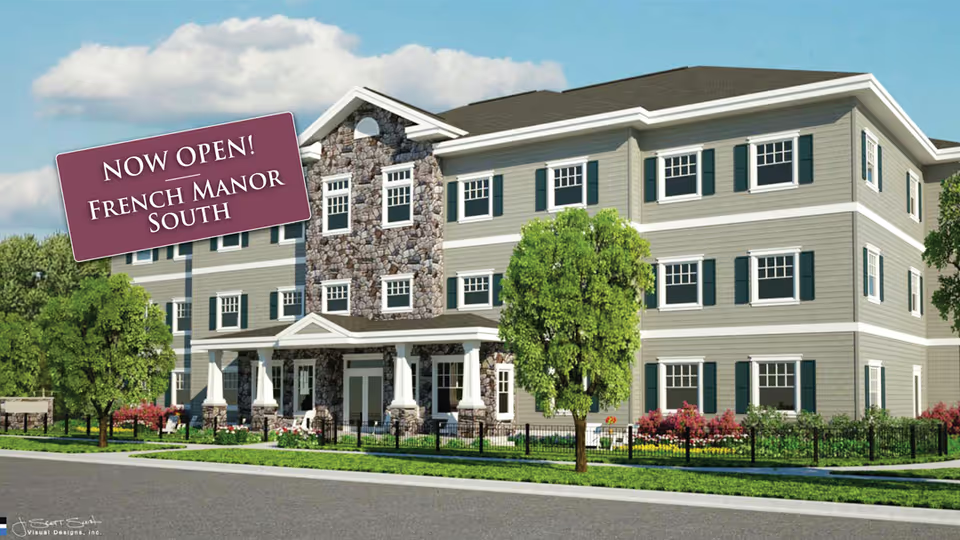
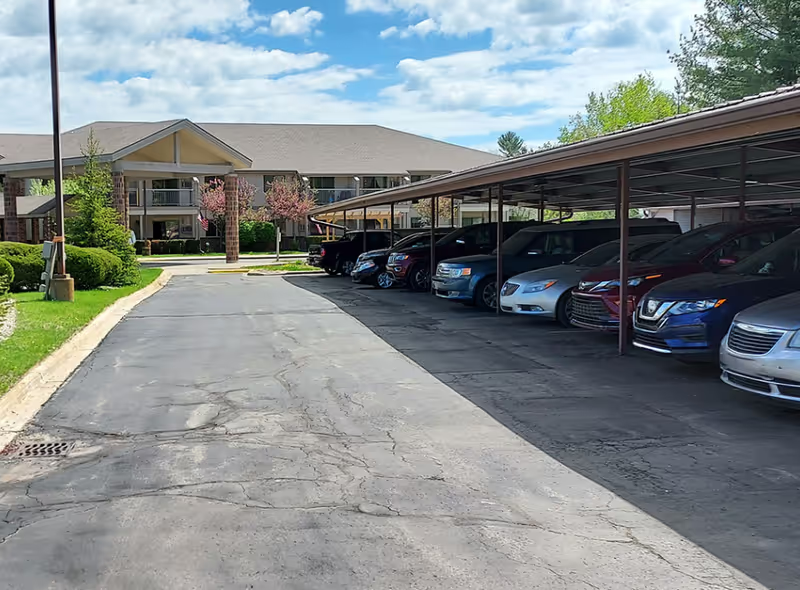
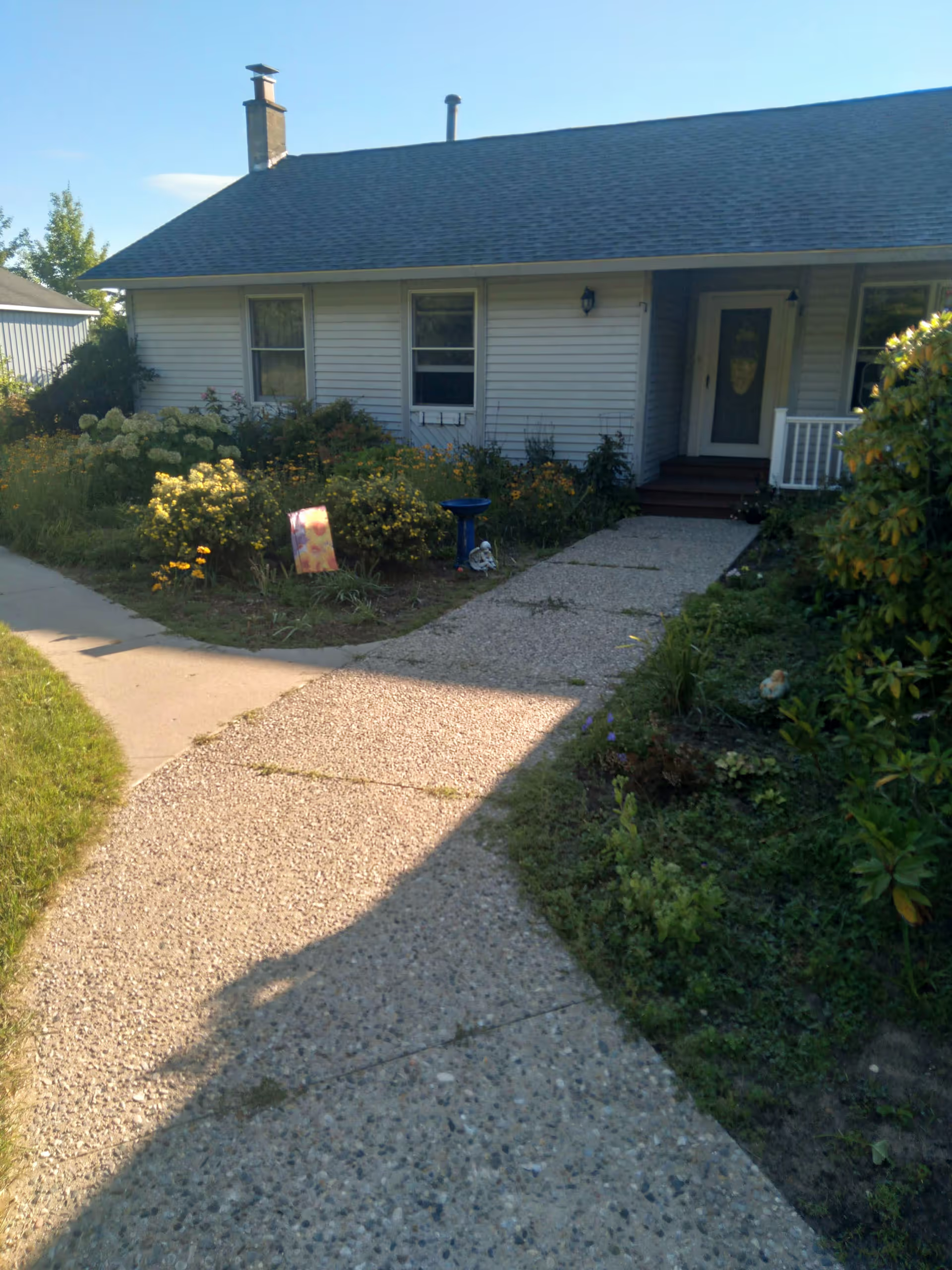
Bay Ridge Assisted Living Center presents a generally positive environment for many residents, with consistent praise for cleanliness, a home-like atmosphere, and appealing communal spaces. The facility is described as well maintained and cheerful, with scenic outdoor areas that residents enjoy. Apartment options, particularly one-bedroom units, are noted as feeling residential rather than institutional, and maintenance staff are reported as responsive.
Care quality and frontline staff are frequent strengths in these accounts. Many families emphasize compassionate, respectful caregiving, a family-oriented culture, and staff who go above and beyond. Clinical supports include a weekly nurse practitioner, podiatry visits, vaccination services, and medication-management practices that several families found competent. The facility appears to provide a full range of assisted-living services with a dementia wing designed to minimize disruption when memory-care needs progress.
Dining and social life are also commonly cited positives. Meals are described as a highlight—well prepared, attractive, and served in a pleasant dining area where residents form table friendships. Life-enrichment programming and organized activities receive favorable comments for providing engagement and social opportunities. On the practical side, accessible transportation (bus lift) and strong COVID-19 safety practices were appreciated.
However, the reviews reveal recurring operational concerns that prospective families should evaluate. Administrative communication and responsiveness are inconsistent: families describe inflexible policies (related to billing/tax paperwork, meal gift certificates, and parking assignments) and occasional slow or unsatisfactory handling of complaints. Staffing continuity is uneven—high turnover and variable staff engagement were linked to inconsistent caregiving experiences and a desire for closer, more proactive family–staff communication. There are specific mentions of gaps in how medication changes and clinical issues are communicated to families.
Other practical issues noted include relatively small apartment sizes and in-unit appliances that some residents find difficult to use, and a tendency for staff not to proactively visit residents who remain in their apartments, which can limit social contact for less mobile residents. A few families described more serious concerns—including allegations of inappropriate management pressure and breakdowns in clinical follow-through—so it is advisable to discuss these topics directly with administration. Additionally, a number of reviewers indicated the facility will require outside skilled-nursing support for advanced medical needs; families who anticipate higher acuity should confirm on-site capabilities and transfer policies.
In summary, Bay Ridge appears to deliver many of the core attributes families seek—clean facilities, engaged caregiving, enjoyable dining, and a family-like culture—while showing operational weaknesses around administrative flexibility, staff consistency, and clinical/family communication. Prospective residents and families should tour with specific questions about staffing ratios and turnover, dementia-transfer procedures, how medication changes are communicated, administrative policies that affect daily life, and the facility's plans for residents with escalating medical needs to determine fit and expectations.