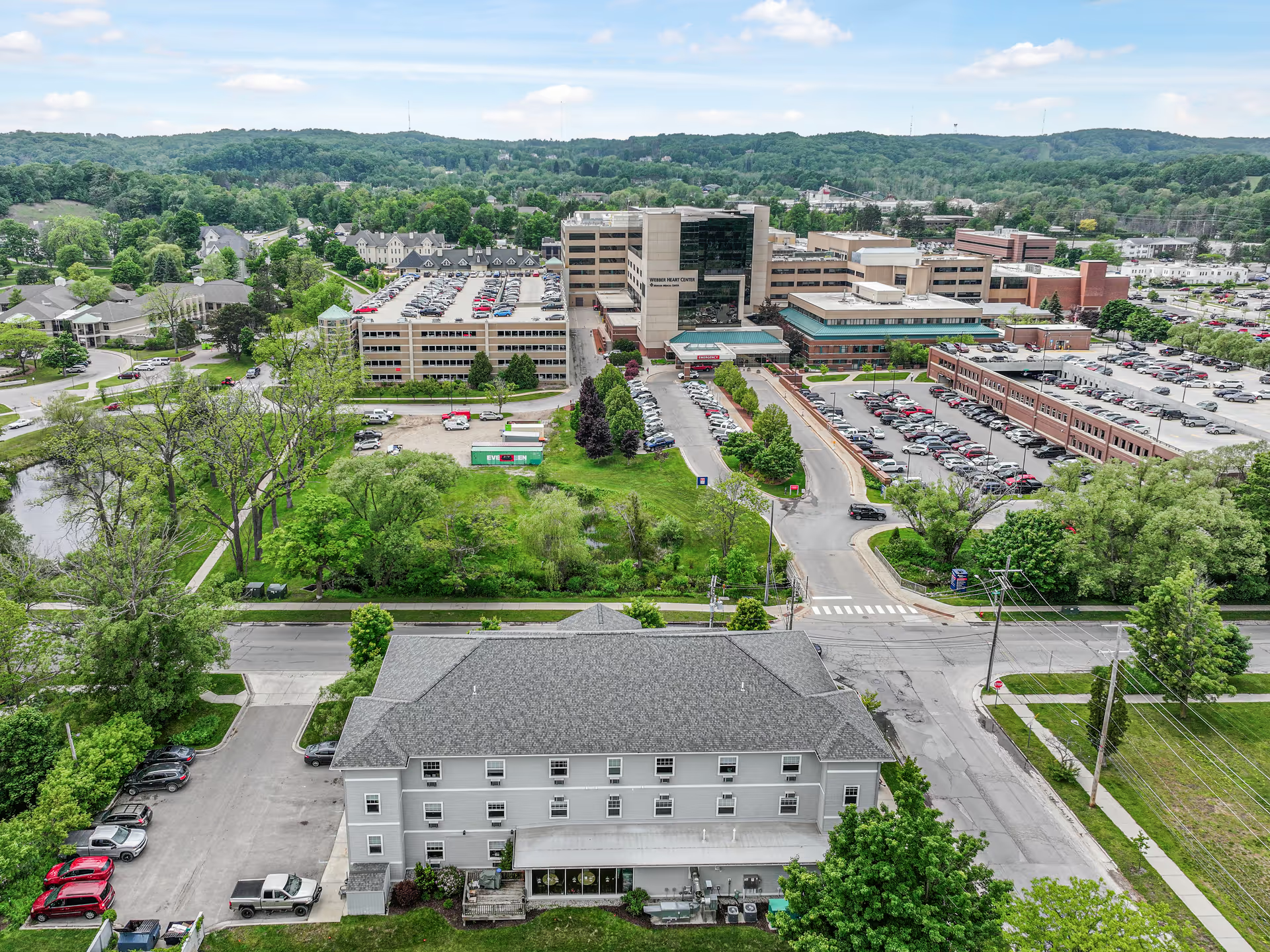
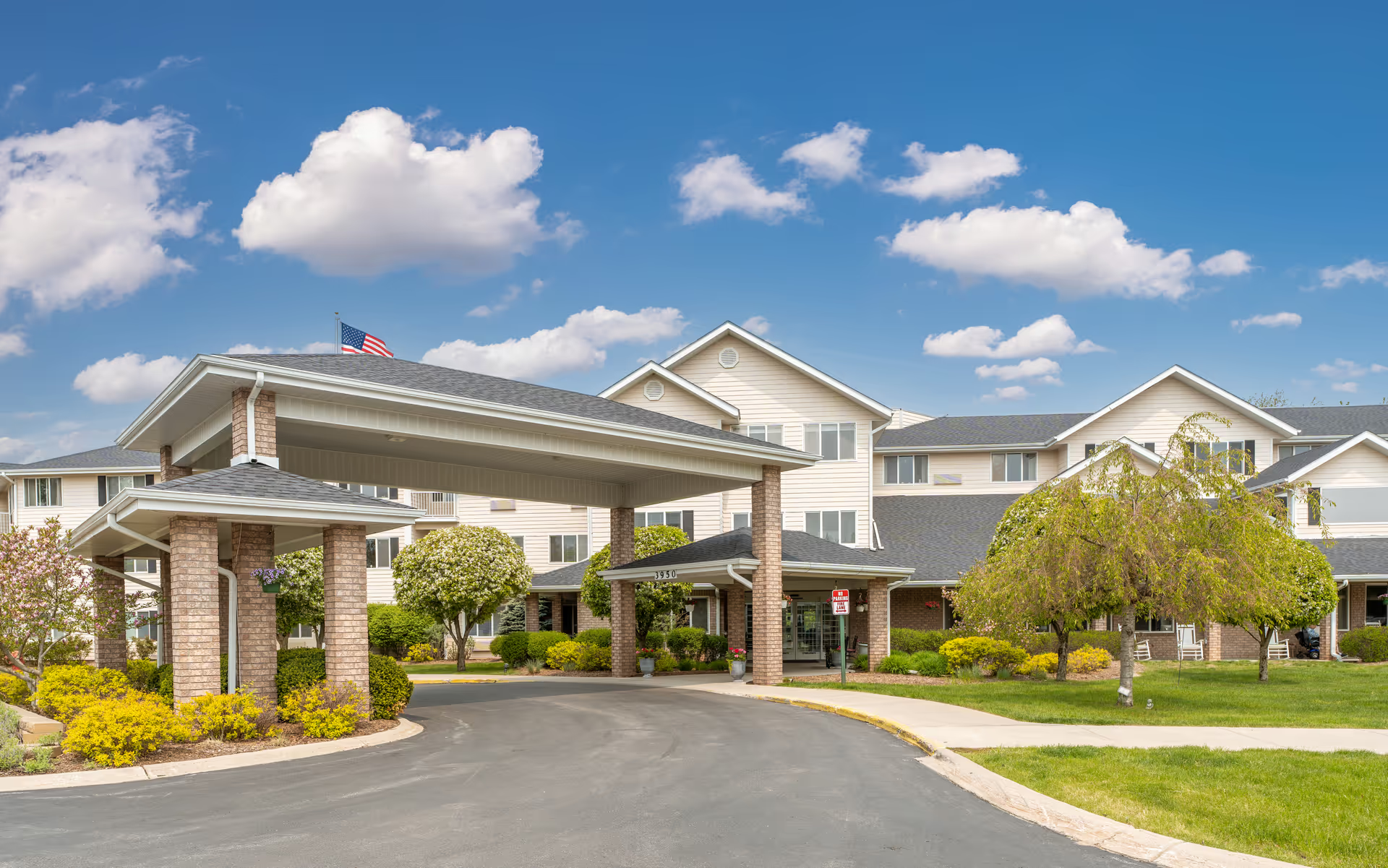
Overall impression: Cordia at Grand Traverse Commons is frequently described as an attractive, upscale senior-living community with strong strengths in dining, social programming, and a welcoming campus atmosphere. Many families and residents highlight the historic conversion, well-appointed apartments, and proximity to trails, shops and cultural venues as major quality-of-life advantages. For older adults seeking independent living with active social engagement and high-quality culinary offerings, Cordia presents a convincing value proposition despite above-average pricing.
Care and staff: Individual accounts emphasize a core of compassionate, personable staff and clinicians who are accessible and engaged. Several families described staff members who act as close partners in care and praised the wellness team and personal trainers for proactive programming. At the same time, there are consistent concerns about uneven responsiveness and variable performance across staff shifts. Reviewers describe situations where basic needs were not attended to in a timely manner, and some families find it necessary to supplement care with private aides. Importantly, the community appears to have limited capacity for higher-acuity needs; reviewers advise that Cordia is better suited to independent and lower-level assisted living than to advanced dementia care or complex end-of-life management.
Dining: Dining is a pronounced strength. Multiple accounts praise menu-style, restaurant-quality meals with several entree choices, small-plate and wine-service options, and a refined dining environment. These offerings are often cited as central to resident satisfaction and social life. However, there are facility-level concerns about food-quality control and occasional lapses in meal continuity. A few comments point to unclear billing practices related to meals and food charges after move-out, indicating a need for clearer contract and billing communication.
Activities and social life: The activities program is broad and active, including exercise classes, individualized training, art and music forums, and special programming such as Interlochen concerts and Road Scholar events. This programming supports social connections for many residents and contributes to a lively community atmosphere. Nevertheless, reviewers note that activity choices are not always appropriate for residents with cognitive impairment and that some individuals may feel socially isolated if they do not engage with available programming.
Facilities and operations: The historic campus and interior renovations are widely appreciated for aesthetics and amenities — on-site restaurant, bar/happy hour area, exercise room — but concurrent renovation work has caused operational disruption for some residents. Cleanliness and housekeeping emerged as recurring operational issues, with reports of missed room cleaning, stained carpeting, and trash removal shortcomings indicating gaps in housekeeping consistency. Staffing variability and apparent understaffing at times appear linked to several of these operational shortfalls.
Management and notable patterns: There are recurring management-level concerns involving billing transparency, contract disputes, and coordination with outside care providers. Families described instances where billing or contract terms required follow-up, and others highlighted difficulties coordinating care with external aides or home-health providers. Where staff and management perform well, reviewers note strong family–staff partnerships; where performance lags, families often take an active role in supplementing oversight.
Bottom line: Cordia offers a well-maintained, socially active environment with exceptional dining and many engaged staff members, making it a strong fit for independent or lower-acuity residents who value community life and cultural access. Prospective residents and families should verify the facility’s capacity for higher-acuity or dementia-specific needs, clarify billing and contract terms in writing, and discuss housekeeping and care-response expectations before moving in. Families who require advanced clinical support should plan for supplemental services or consider alternative providers with specialized memory- care capabilities.