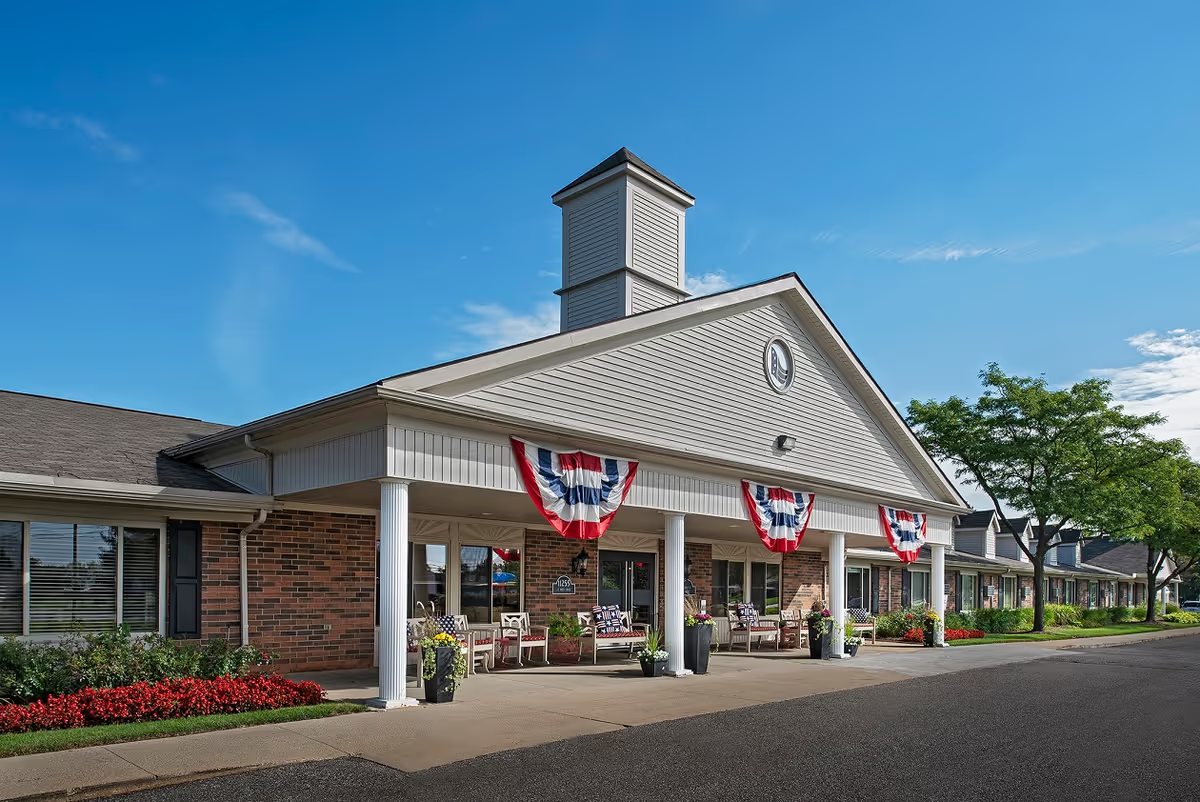
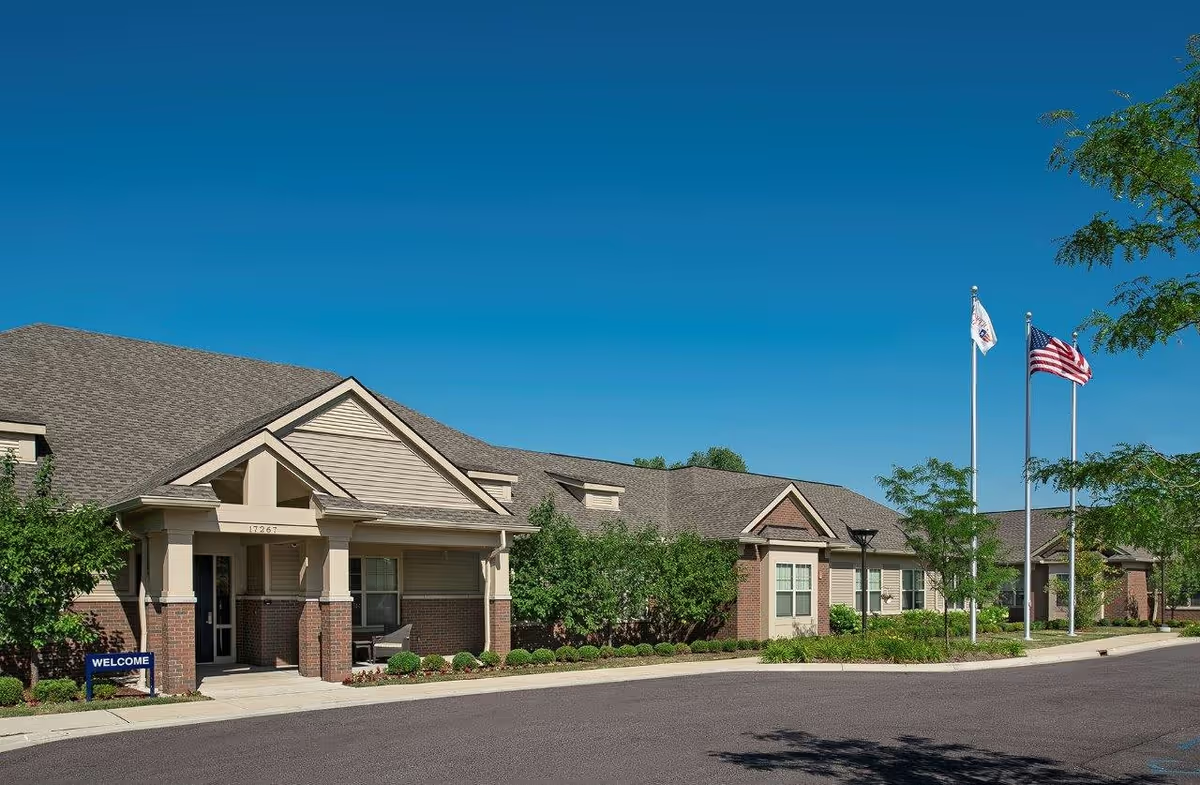
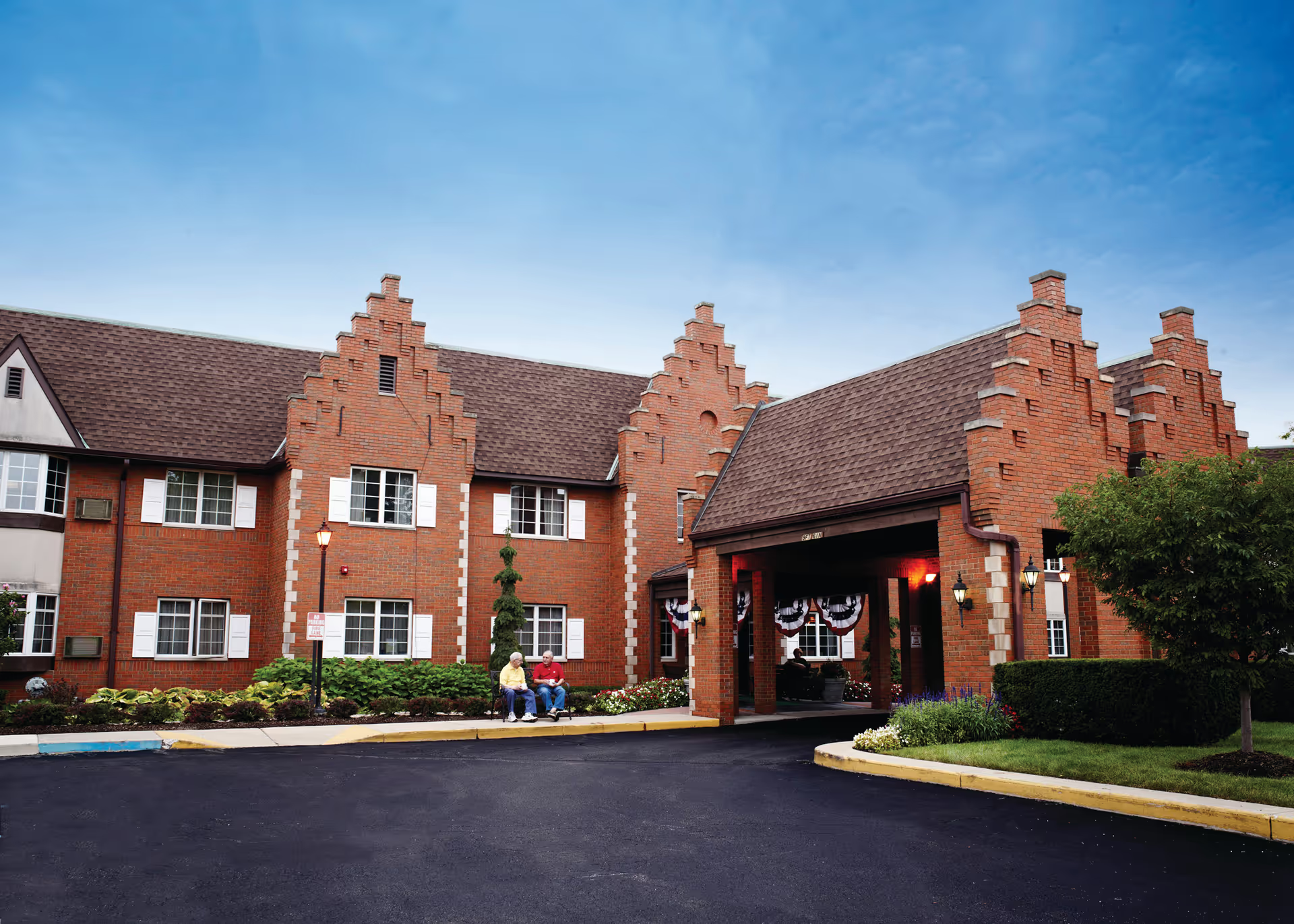
Arbor Inn presents as a small, value‑oriented assisted‑living community with a strong emphasis on social activity and an attentive caregiving culture. Many families highlight friendly, familiar staff who know residents by name, frequent social programming (bingo, crafts, exercise, movies, outings), on‑site amenities (salon, library, multiple common rooms), and outdoor courtyards that support family visits and informal interaction. Housekeeping and maintenance are often described as responsive, and the facility offers a range of room types (private and semi‑private) with opportunities for personalizing living spaces.
Dining is a prominent feature for positive reviewers: chef‑prepared meals, table service, daily menus with customization, and family dining options are repeatedly praised. Several families also noted effective hospice coordination and regular visits by physicians or therapy providers, and many accounts emphasize a family‑like atmosphere and overall cleanliness in common areas. These strengths contribute to a consistent theme of strong value for money and a positive quality‑of‑life experience for residents who require assistance at a lower to moderate level of care.
Counterbalancing the positives are recurring operational concerns that prospective families should evaluate. Staffing levels and turnover are frequently cited as inconsistent; this appears to affect shift‑to‑shift communication, timeliness of assistance, and the facility’s ability to reliably serve residents with higher clinical needs. Multiple comments point to problems with the building and room configuration: many units are small, some share bathrooms, and the facility’s older construction yields a dated, sometimes dim atmosphere that may not suit every resident. Reviewers also describe sanitation and odor concerns in particular areas, and occasional lapses in meal temperature and portion consistency.
Clinical and managerial practices emerge as mixed. While some families praise specific clinical staff and nursing leadership for compassionate end‑of‑life care and timely coordination, others report gaps in clinical responsiveness for higher‑acuity needs, questions about staff training and certification, and ineffective in‑room call/alert systems. Management style and communication are polarizing: admissions and some directors are described as helpful and accommodating, whereas other accounts cite inflexibility around billing, movement policies, and unsatisfactory interactions with supervisors. There are also a small number of serious individual allegations and disputes referenced by families; these underscore the importance of asking targeted operational and clinical questions during a tour.
Practical takeaways: Arbor Inn may be a strong fit for residents who value an active social program, affordable pricing, and a small community environment where staff are familiar and personable. Families considering placement should verify current staffing ratios and turnover, clarify the facility’s capacity to meet higher‑acuity needs (transfer procedures, wound care, incontinence and bathing schedules), inspect the specific room layout for size and bathroom arrangement, ask about call/alert systems and staff training, and review billing/move‑out policies in writing. An on‑site visit during a meal and an unannounced walk‑through can help assess dining consistency, sanitation/odor conditions, and the day‑to‑day atmosphere.