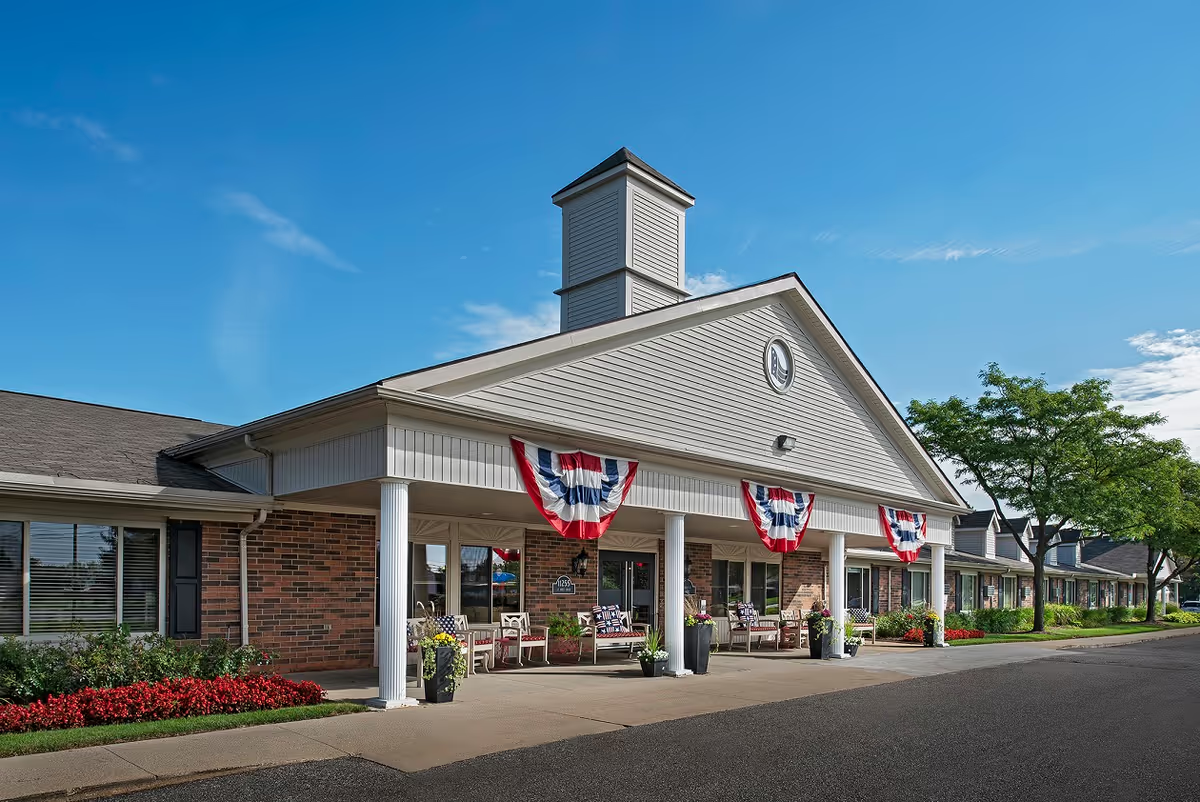
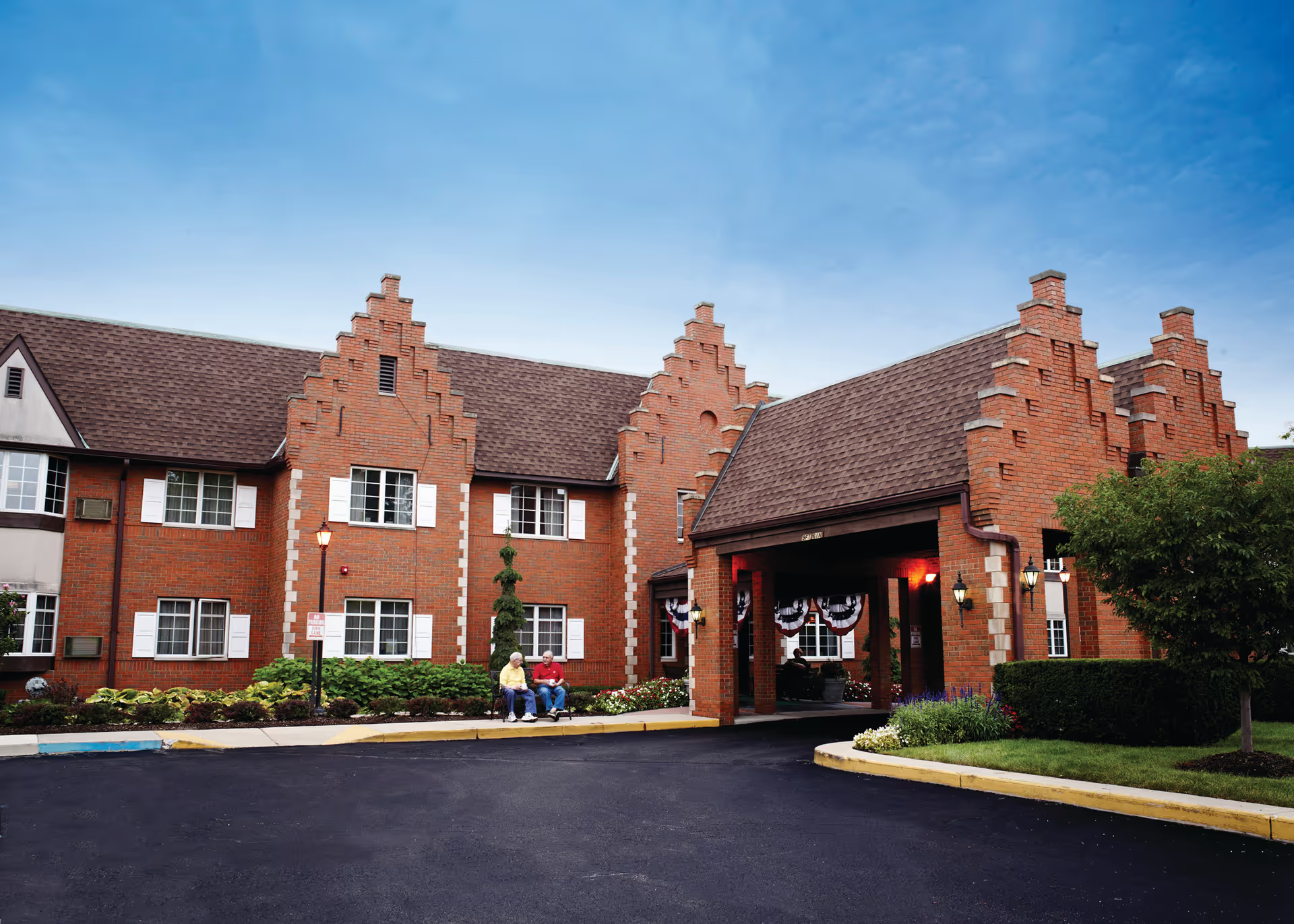
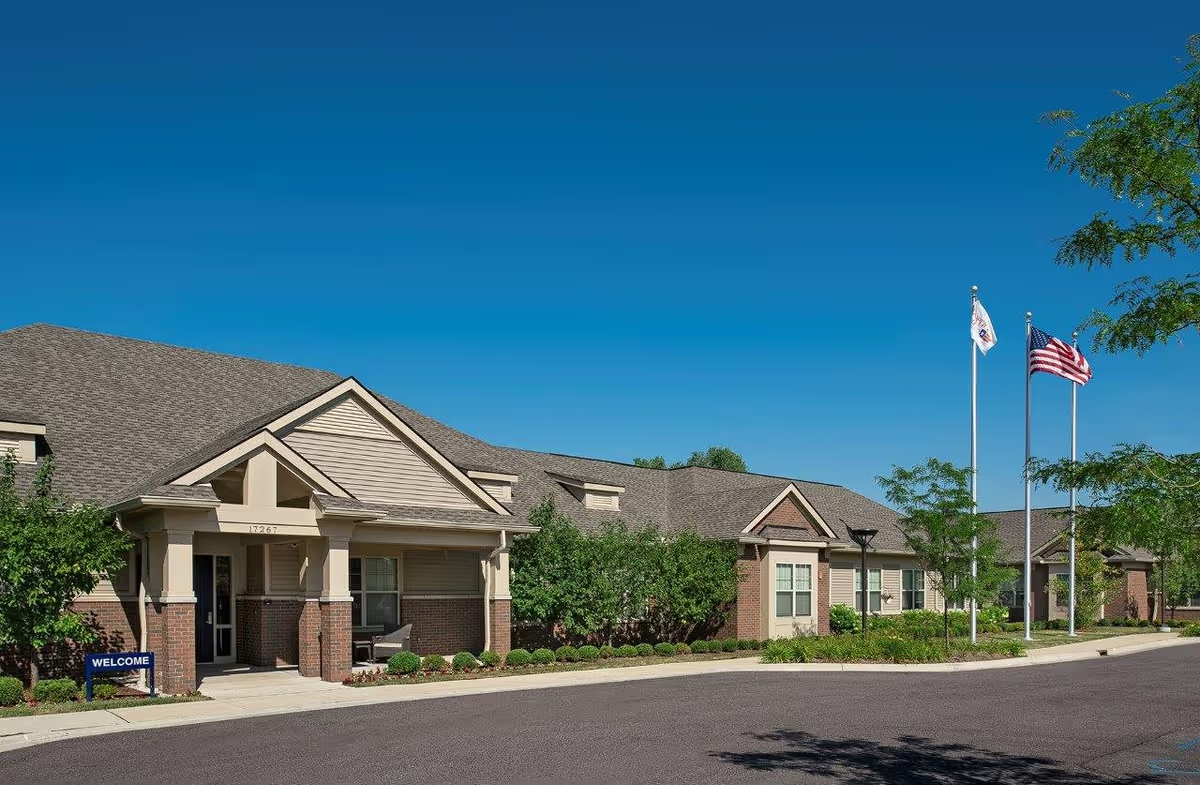
Autumn Woods elicits strongly mixed impressions. Many families and visitors describe caring, engaged frontline employees — nurses, CNAs, therapists and admissions staff who provide hands‑on attention, effective rehabilitation, and a welcoming front‑desk presence. The facility offers active programming (bingo, church services, pet/aviary visits, beauty salon) and outdoor social spaces that several families cited as meaningful contributors to resident quality of life. For residents admitted for short‑term rehab, there are multiple accounts of measurable functional improvement and positive therapy experiences.
At the same time, a prominent and recurring pattern is variability in clinical consistency and operational reliability. Reviews point to chronic understaffing and frequent use of agency personnel, which families link to uneven clinical monitoring (missed or late medications, inconsistent vital‑sign checks, and variability in feeding/tube‑feeding routines). Several accounts raise concerns about timeliness of medical escalation and transfer coordination with hospitals. These comments translate to an operational theme of inconsistent clinical oversight and gaps in staff training.
Facility operations and the physical plant also divide opinion. Some areas are described as clean, well cared for, and odor‑free, while other units or rooms are characterized by maintenance defects (broken equipment, HVAC concerns, plumbing/fixture issues), cleanliness problems, and pest‑control concerns. Multiple reviewers highlighted a contrast between better maintained floors (often rehab/third floor) and less well‑maintained units (including memory care), indicating variation in unit‑level conditions and program quality.
Dining and personal care services show inconsistency. Several families praised meal service and attentive feeding assistance, but an equal number described meal quality variability, inappropriate preparation for residents with swallowing or motor impairments, and missed feeding or bathing schedules. Incontinence‑care delays and delayed hygiene attention are specific operational concerns cited that affect dignity and comfort for some residents.
Management and administrative themes are mixed. Some families praised helpful admissions staff and specific business‑office personnel who aided paperwork and transitions. Conversely, other accounts describe poor communication from leadership, slow responses to complaints, aggressive billing practices after a resident’s death, and instances of missing personal belongings. There are also isolated but serious allegations of staff misconduct; these descriptions accompany calls for stronger accountability and more transparent complaint resolution.
What emerges overall is a facility with pockets of high‑quality, compassionate care and effective rehab services alongside systemic weaknesses in staffing, training, maintenance, and administrative consistency. Prospective families should plan an on‑site assessment that includes observing a medication pass, reviewing staffing ratios (day and night), asking about agency‑staff use and training, checking unit‑level cleanliness and pest‑control protocols, clarifying meal‑preparation options for special diets, and documenting the facility’s incident‑reporting and family‑communication processes. Those considerations will help determine whether the strengths noted by many visitors are consistently applied to a specific unit or shift where a loved one would reside.