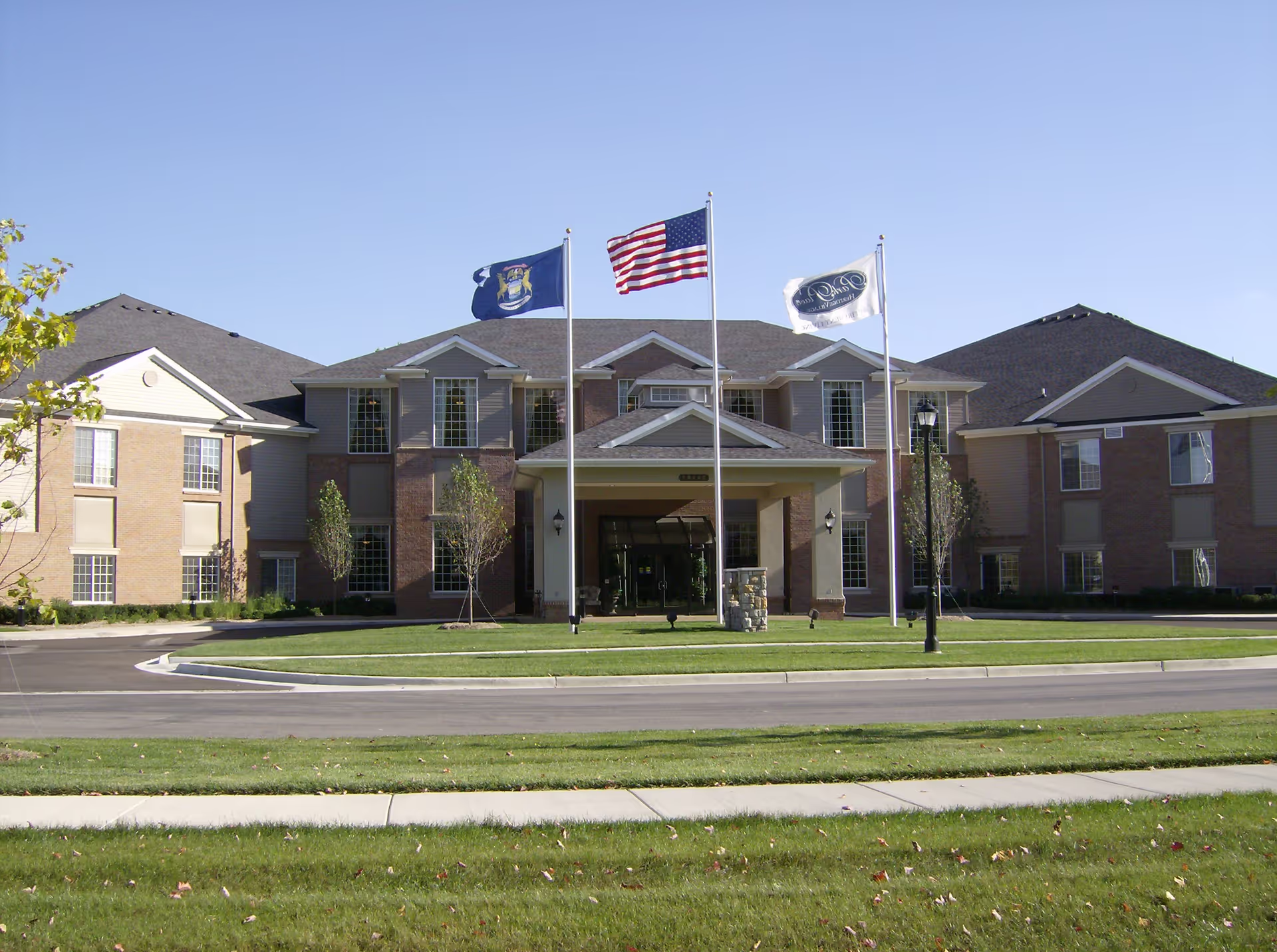
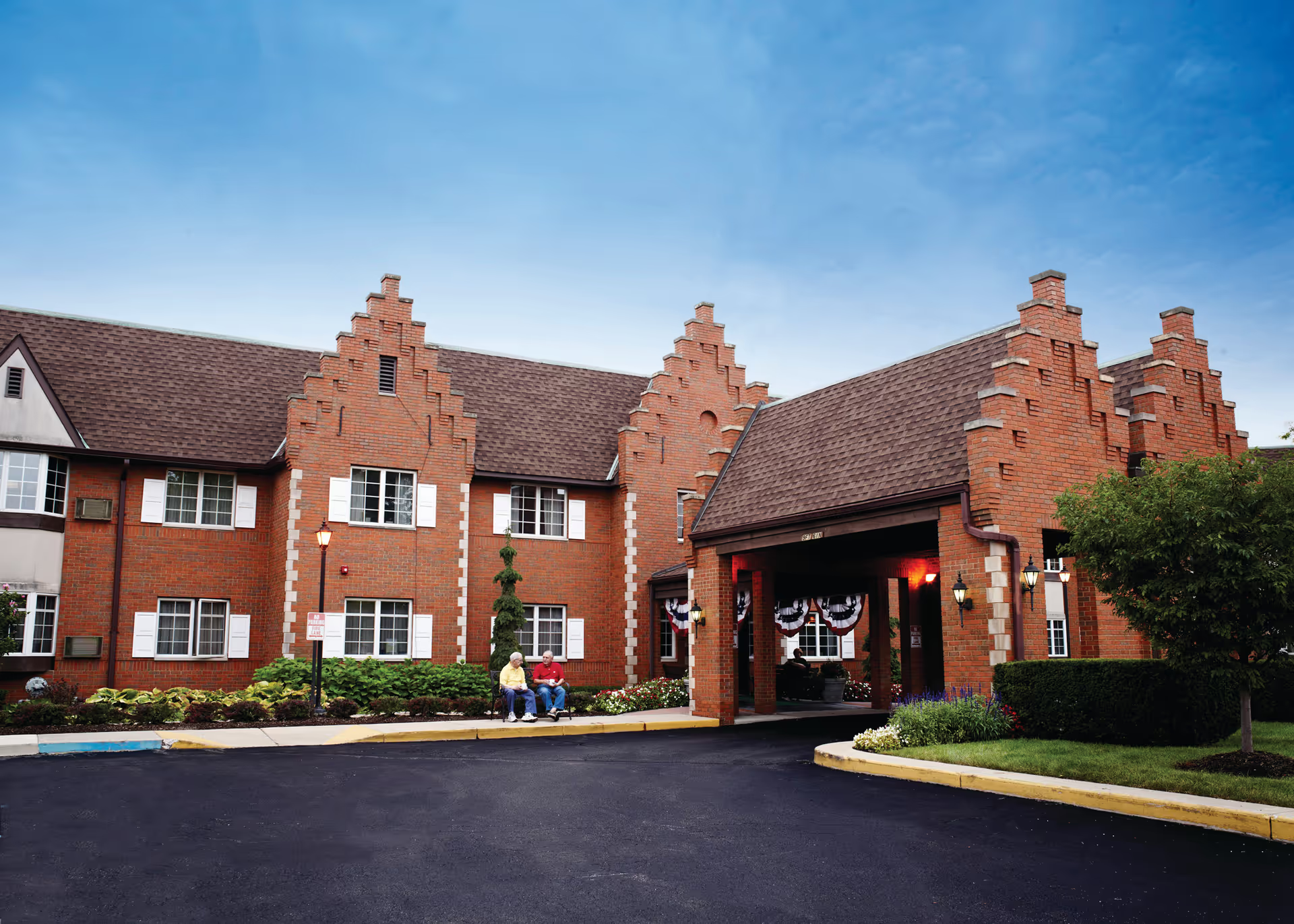
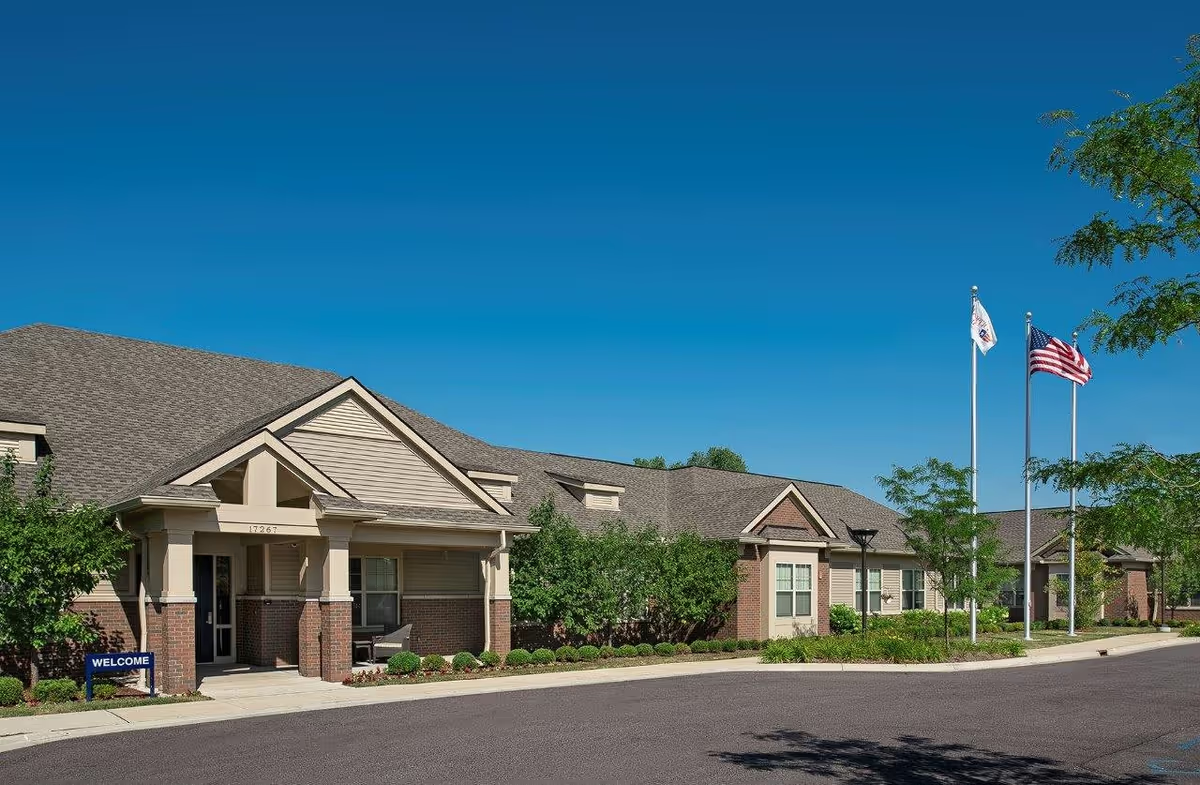
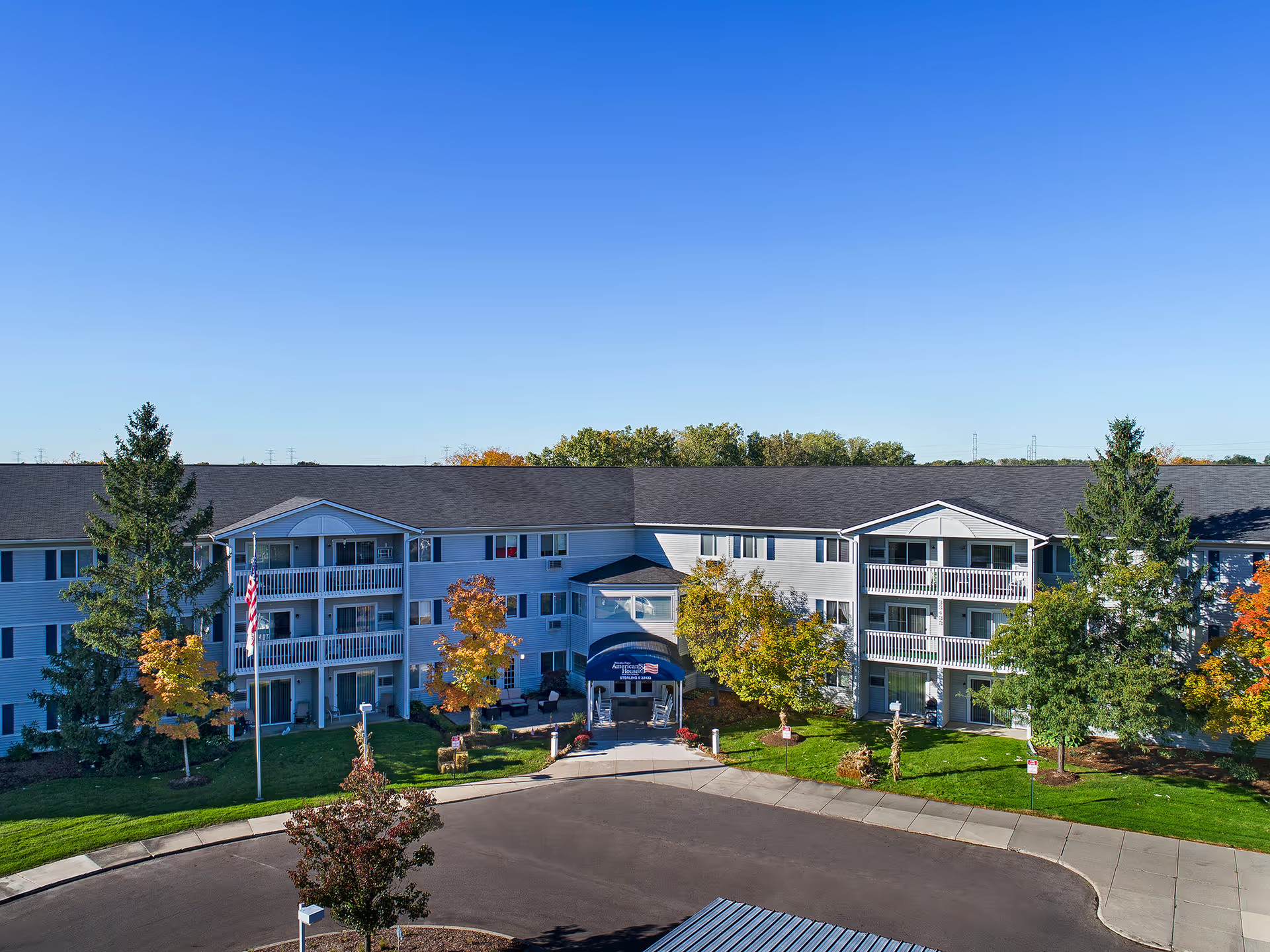
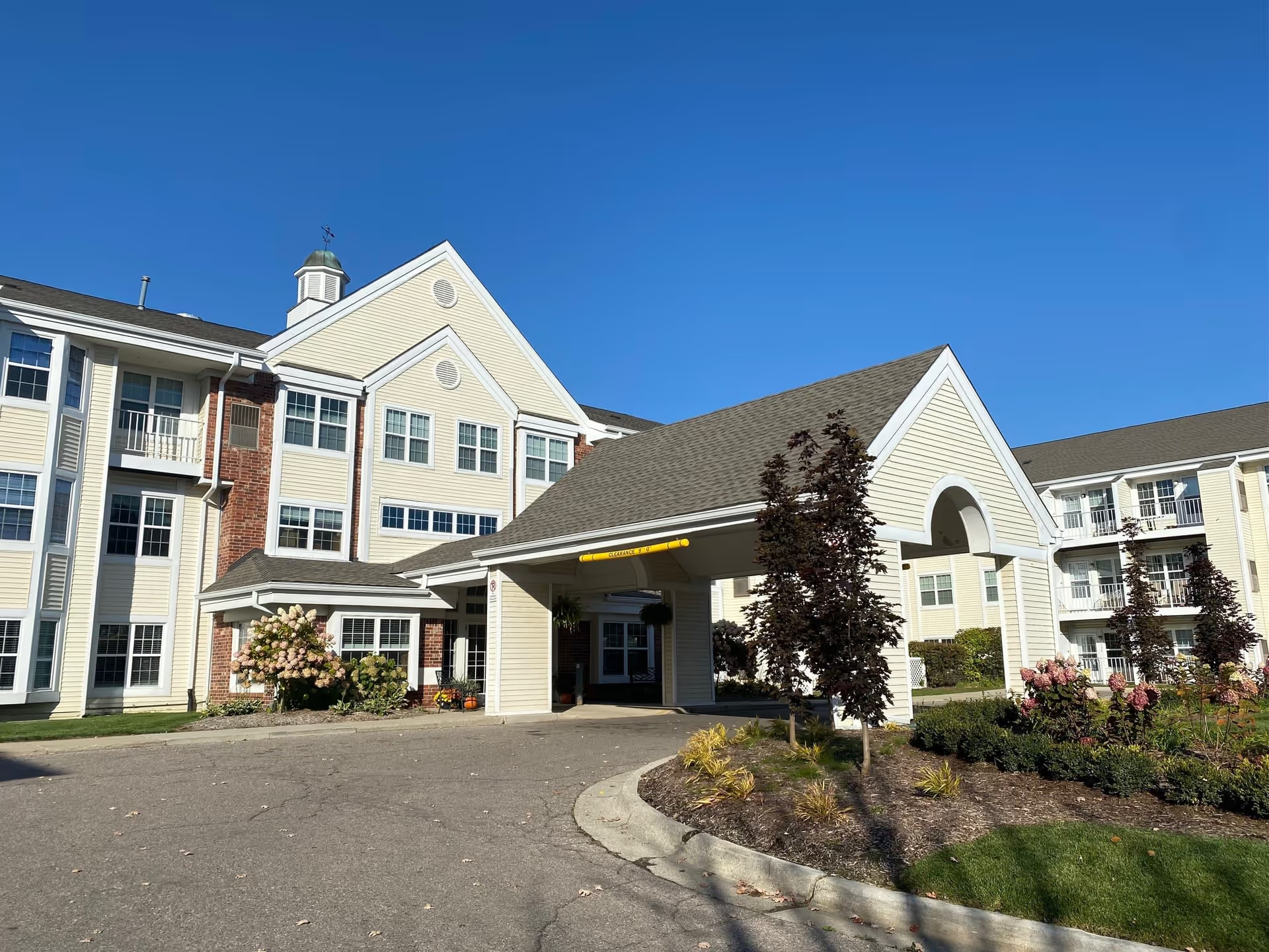
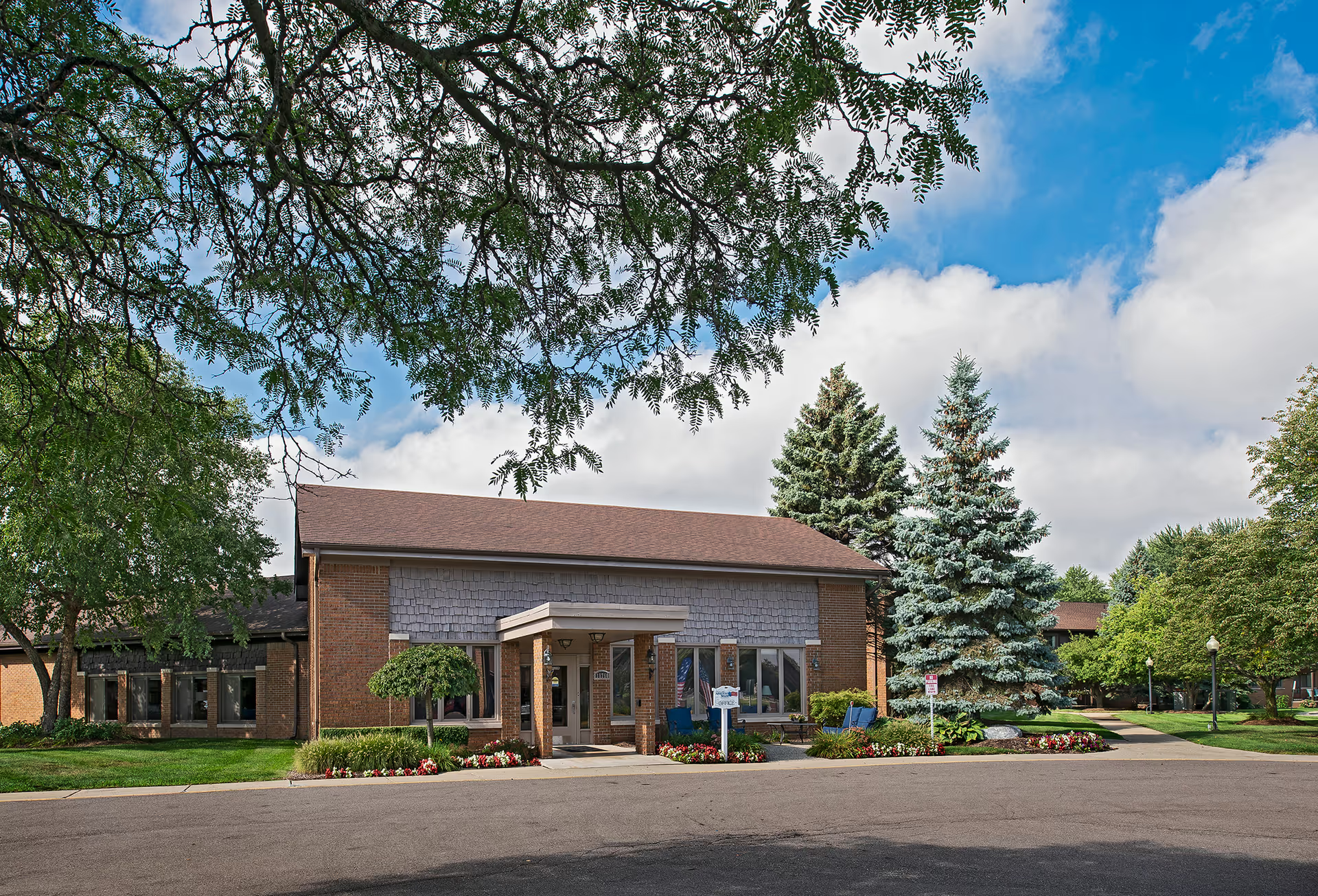
Reviewer impressions of Villa at City Center are mixed, with a clear split between families and residents who describe strong, rehabilitation-focused care and others who raise substantive operational concerns. Several reviewers praised the facility’s therapy program and physical-recovery outcomes, noting effective specialists and aides who helped residents regain function. The building’s recent remodeling, clean interior spaces, private rooms with en-suite showers, and comfortable dining areas were also cited as positive environmental attributes. Individual staff members received repeated praise for being friendly, helpful, and compassionate, and admissions and entrance staff were described as welcoming.
At the same time, a number of reviews describe systemic issues that affect care consistency. The most frequent operational concern is staffing instability: reviewers described chronic understaffing, high turnover, and a reliance on agency personnel. These staffing patterns are linked to inconsistent clinical practice and medication administration — for example, delayed medications, missed assessments, and other medication-timing issues that reviewers said increased clinical risk. Reviewers also described gaps in communication with families and with external physicians, and there are serious individual complaints about device management and response to clinical changes. There are also allegations of privacy violations; these are serious claims that some families raised in their accounts.
Housekeeping and service operations show a similar mix. Many reviewers found the facility clean and well maintained after remodeling, yet others experienced problems with laundry and personal-property tracking, meal quality (including timeliness and food spoilage in some instances), and inconsistent dining satisfaction. Maintenance and infrastructure reliability were additional concerns: elevator and HVAC problems, window replacement needs, intermittent air-conditioning in rooms, and exterior drainage or puddle issues were cited as recurring operational weaknesses.
Resident experience and culture appeared uneven across accounts. Some reviewers found the atmosphere peaceful, active, and spiritually supportive, while others felt spiritual programming emphasis did not align with their preferences. Visitation policies and visiting-hour communication were described as unclear or restrictive by several families. Infection-control adherence was reported inconsistently — some reviewers noted mask enforcement in public areas, while others observed lapses.
Taken together, the pattern that emerges is one of variability: the facility can provide effective rehab, compassionate individual caregivers, and a pleasant physical environment, but those strengths are not uniformly experienced. Operational weaknesses — particularly staffing instability, inconsistencies in clinical and medication management, communication shortfalls, and sporadic maintenance and service issues — are recurrent themes that prospective residents and families should evaluate carefully. When considering placement, families may wish to ask specific questions about current staffing levels and turnover, medication-administration protocols, laundry and property tracking procedures, recent maintenance logs, visitation rules, infection-control policies, and whether named staff members praised by others are still on staff. Observing a care shift, speaking with therapy staff, and reviewing recent inspection or ombudsman communications may help clarify whether the facility’s strengths are consistently delivered for a particular resident.